Urate and Calcium Stones in a Goldendoodle
It's incredibly frustrating and scary when your beloved Goldendoodle starts showing signs of discomfort, especially when it involves something as vital as their urinary health. Many Goldendoodle owners have faced the confusing and painful reality of their furry friend straining to pee, having accidents, or even passing blood, often wondering if it's just a simple UTI or something much more serious. This comprehensive guide is here to shed light on urate and calcium stones in Goldendoodles, explaining what they are, why they form, how to spot the symptoms, and most importantly, how your vet can help manage and prevent these painful conditions.
Understanding Urinary Stones in Goldendoodles
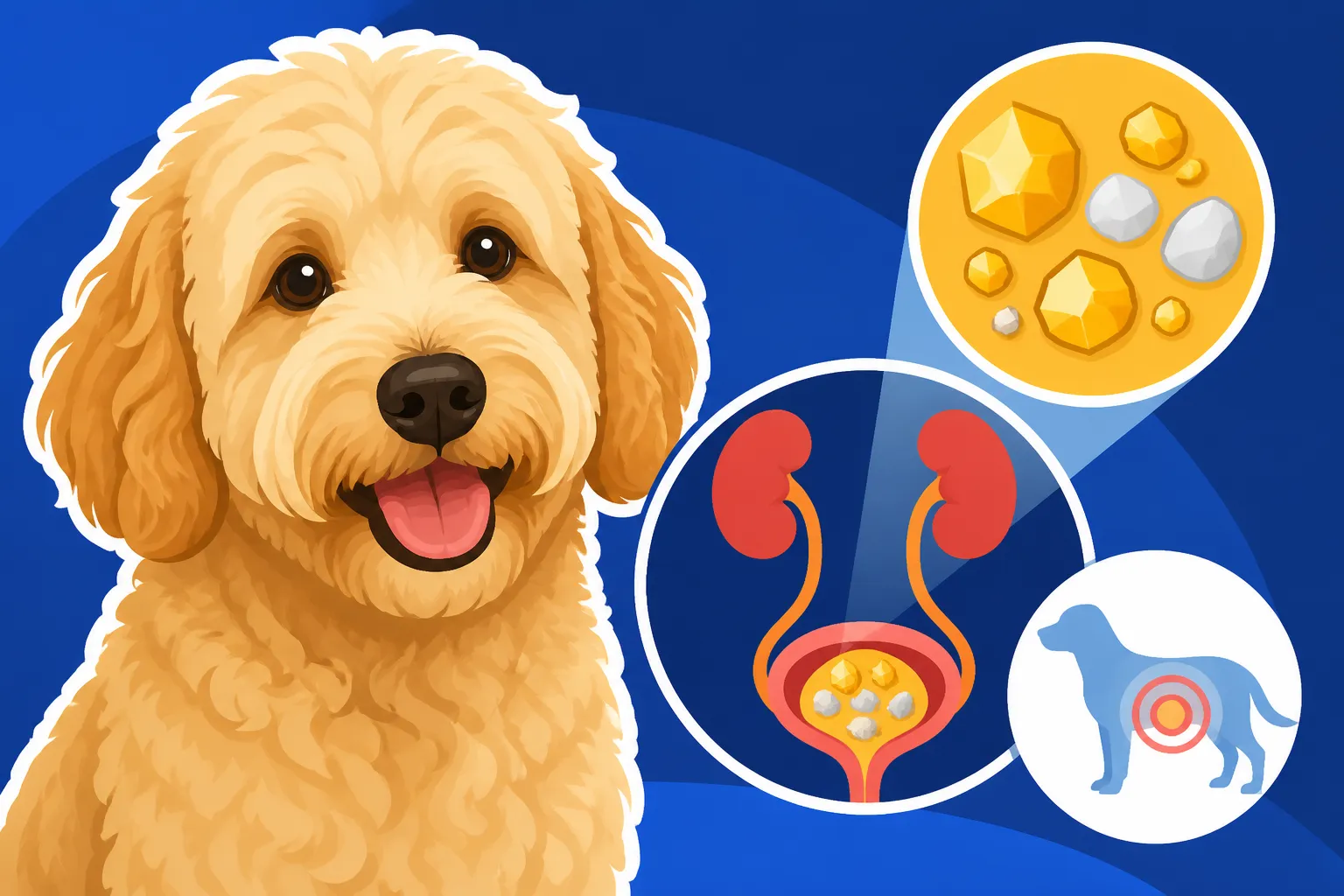
Urinary stones, also known as uroliths, are solid mineral concretions that can form anywhere in a dog's urinary tract, from the kidneys down to the bladder and urethra. While they aren't unique to Goldendoodles, the genetic predispositions of their parent breeds, the Golden Retriever and the Poodle, combined with diet, hydration, and lifestyle factors, can certainly play a role in their development. It's a condition that can cause significant pain and lead to serious health complications if left unaddressed.
What Are Urate Stones?
Urate stones are primarily composed of uric acid. While they are famously associated with certain breeds like Dalmatians due to a specific genetic metabolic anomaly that affects how they process purines, Goldendoodles can also develop them. Purines are natural chemical compounds found in many foods, especially organ meats and certain proteins. When purines are metabolized, uric acid is produced, and usually, it's excreted efficiently. However, if there's an imbalance, an excess of uric acid in the urine can lead to the formation of these crystalline stones.
For a Goldendoodle, the Poodle side of their ancestry doesn't typically carry the same genetic mutation as Dalmatians, but it's not impossible for a Goldendoodle to have a metabolic predisposition or an underlying issue like a portosystemic shunt (a liver bypass defect) that can lead to elevated uric acid levels. A portosystemic shunt, though relatively rare, can disrupt the liver's ability to process toxins, including uric acid, leading to its accumulation. Regardless of the underlying cause, urate stones are painful and can obstruct the urinary tract, requiring prompt veterinary attention.
What Are Calcium Oxalate Stones?
Calcium oxalate stones are one of the most common types of urinary stones found in dogs, and Goldendoodles are certainly not immune. These stones form when there's an excess of calcium and oxalate in the urine, creating an environment ripe for crystallization. Factors that contribute to their formation include a diet high in calcium, oxalate, or protein, highly acidic urine, and inadequate water intake. Genetic predispositions also play a significant role, with several breeds, including Miniature Poodles, known to have a higher risk. Given that Goldendoodles often inherit a good chunk of their genetics from their Poodle parent, this risk can potentially be passed down.
It's a complex interplay of diet, water intake, individual metabolism, and genetics. For instance, a Goldendoodle that consistently eats a diet formulated to be high in certain minerals or has a habit of not drinking enough water might have more concentrated urine, increasing the chances of these crystals forming and clumping together into stones. Unlike some other stone types, calcium oxalate stones cannot be dissolved with diet changes alone, making their treatment often more invasive and long-term prevention focused on managing urine chemistry.
Recognizing the Signs and Getting a Diagnosis
Spotting urinary stones early can make a huge difference in your Goldendoodle's comfort and recovery. Since these conditions are painful and can escalate quickly, knowing what to look for and acting fast is crucial.
Common Symptoms to Watch For
The signs of urinary stones can often mimic those of a urinary tract infection (UTI), which is why it's so important to get a proper diagnosis from your vet. You might notice your Goldendoodle straining to urinate (called dysuria), passing urine more frequently but in smaller amounts (pollakiuria), or even having accidents in the house when they are usually perfectly house-trained. They might cry out or show signs of pain when attempting to urinate, or you might see blood in their urine, which can range from a faint pink tinge to a noticeable red.
Other subtle clues include increased licking of their genital area, a hunched posture, or a general reluctance to move or play due to discomfort. Sometimes, dogs with bladder stones might appear to have an upset stomach, exhibiting vomiting or a decreased appetite, especially if the pain is severe or if the stones are causing a blockage. If you observe any of these symptoms, even if they seem mild, it's essential to contact your veterinarian right away. Don't wait to see if it "gets better" on its own, as it rarely does.
How Vets Diagnose Urinary Stones
When you bring your Goldendoodle in with suspected urinary issues, your vet will start with a thorough physical examination and discuss their medical history and recent symptoms. The initial diagnostic steps usually involve a urinalysis. This test checks for blood, protein, crystals, and bacteria in the urine, and can give important clues about the type of stone or infection present. For instance, the presence of specific crystal types might strongly suggest the kind of stone forming.
However, a urinalysis alone isn't enough to definitively diagnose stones. The next crucial step is typically imaging. X-rays can reveal most types of urinary stones, especially calcium-based ones, as they are radiopaque (show up on X-ray). However, urate stones can sometimes be radiolucent (don't show up on X-ray), in which case an ultrasound or contrast study (where a special dye is used to highlight the urinary tract) might be necessary. These imaging techniques allow the vet to see the size, number, and location of the stones, which is vital for planning the appropriate treatment. Early diagnosis through these methods can often prevent more severe complications, such as a complete urinary obstruction, which is a life-threatening emergency. If you're wondering about the full spectrum of care, services like Healthy Paws pet insurance can often help with the costs associated with these diagnostic procedures.
Treatment Options and Long-Term Management
Once your Goldendoodle has been diagnosed with urinary stones, your vet will work with you to develop a treatment plan. The approach depends heavily on the type of stone, its size, location, and your Goldendoodle's overall health.
Medical and Dietary Management
For some types of stones, particularly urate stones and another common type called struvite, medical and dietary management can be incredibly effective, often allowing the stones to dissolve without surgery. This typically involves a special prescription diet formulated to alter the urine's pH and reduce the concentration of the minerals that form the stones. For urate stones, this means a diet low in purines, which limits the building blocks for uric acid. Your vet might recommend specific brands like Hill's Prescription Diet u/d or Royal Canin Urinary SO, which are designed for this purpose. It's vital to feed only the prescription diet and avoid all other treats or foods, as even small deviations can hinder dissolution.
In addition to diet, increasing your Goldendoodle's water intake is paramount. More dilute urine helps prevent crystal formation and encourages existing crystals to dissolve. This can be achieved by feeding wet food, adding water to kibble, or using a pet drinking fountain. Medications might also be prescribed to further alter urine pH or address any underlying issues, such as allopurinol for urate stones if an abnormal metabolism is suspected. Regular urinalyses will be needed to monitor progress and ensure the stones are indeed dissolving. This process can take weeks to months, requiring patience and strict adherence to the vet's instructions.
Surgical Intervention When Necessary
Unfortunately, not all stones can be dissolved, or sometimes, the situation is too urgent to wait for dissolution. Calcium oxalate stones, for example, cannot be dissolved with diet alone and almost always require surgical removal. If a Goldendoodle has a stone that is too large, or if it's causing a life-threatening obstruction of the urethra, immediate surgical intervention (a cystotomy) is often the only option. During a cystotomy, the bladder is surgically opened, and the stones are removed. In cases of urethral obstruction, the vet might first try to flush the stone back into the bladder for surgical removal.
Post-operative care is crucial for recovery. Your Goldendoodle will likely need pain medication, antibiotics, and a period of restricted activity. Your vet will also send the removed stones to a specialized laboratory for analysis. Knowing the exact composition of the stones is incredibly important, as it guides the long-term prevention strategy. Without this analysis, preventing recurrence becomes a guessing game. While surgery can be daunting, it often provides immediate relief from pain and prevents further complications. Pet insurance providers like Healthy Paws can be a real lifesaver when unexpected surgical costs arise, helping you focus on your Goldendoodle's recovery.
Preventing Recurrence in Your Goldendoodle
Once your Goldendoodle has experienced urinary stones, preventing their recurrence becomes a lifelong commitment. The good news is that with careful management and consistent effort, you can significantly reduce the risk.
The Role of Diet and Hydration
Dietary management is arguably the most critical component of preventing future urinary stones, especially if the stone type has been identified. For example, if your Goldendoodle had urate stones, a low-purine diet will be essential long-term. This often means sticking to prescription foods designed to maintain optimal urine pH and low mineral concentrations. If calcium oxalate stones were the culprit, your vet might recommend a diet that promotes a more neutral to slightly alkaline urine pH and controls calcium and oxalate intake. This might also involve careful selection of treats; many common dog treats are high in minerals that can contribute to stone formation, so always check with your vet.
Hydration cannot be overstated. Ensuring your Goldendoodle drinks plenty of water helps to keep their urine dilute, which naturally reduces the concentration of stone-forming minerals. Consider strategies like placing multiple water bowls around the house, using a pet water fountain (many dogs prefer running water), or even incorporating more wet food into their diet. Regularly offering water during walks or playtime is also a good habit. Monitoring your Goldendoodle's water intake, especially if they are prone to stone formation, provides vital clues about their hydration status.
Regular Vet Checks and Monitoring
Consistent veterinary oversight is key to preventing the recurrence of urinary stones. Your vet will likely recommend regular follow-up appointments, which may include urinalyses to check urine pH, specific gravity (how concentrated the urine is), and for the presence of any crystals or signs of infection. Depending on your Goldendoodle's history and risk factors, periodic imaging, such as X-rays or ultrasounds, might also be scheduled to catch any new stone formation while they are still small and potentially easier to manage. This proactive approach is much better than waiting for symptoms to reappear.
Building a strong relationship with your vet and openly communicating any changes in your Goldendoodle's eating, drinking, or urination habits will empower you to manage this condition effectively. Remember that diseases like urinary stones can be ongoing concerns, making early detection and intervention critical for your Goldendoodle's long-term health. Knowing the full scope of potential Goldendoodle Costs Across a Full Lifetime can help you prepare for these possibilities, and having pet insurance, like a plan from Healthy Paws, can ease the financial burden of chronic care and monitoring.
| Stone Type | Primary Composition | Typical Causes | Dissolvable with Diet? | Recurrence Risk |
|---|---|---|---|---|
| Urate Stones | Uric Acid | Genetic metabolic defect (purine processing), portosystemic shunts, acidic urine | Yes (with specific diet) | Moderate to High |
| Calcium Oxalate | Calcium and Oxalate | High calcium/oxalate diet, genetic predisposition, highly acidic urine | No | Moderate to High |
Disclaimer
The information provided in this article is for general informational purposes only and does not constitute veterinary advice. Always consult with a qualified veterinarian for any health concerns or before making any decisions related to your Goldendoodle's health or treatment plan.