Whether GANA Standards Mean Anything for a Goldendoodle
Bringing a Goldendoodle puppy home is an exciting time, but if you've started researching breeders, you've likely stumbled across mentions of GANA standards, certifications, and "registered" doodles, only to feel a fresh wave of confusion. It's truly frustrating trying to decipher what all these acronyms and claims actually mean for your future furry family member, especially when you just want a healthy, well-adjusted dog. This guide is here to untangle the web of GANA standards, explain what they're intended to achieve, and ultimately help you understand whether these standards truly offer the peace of mind you're looking for when choosing a Goldendoodle.
Understanding Goldendoodle Registries and Associations
When you start looking for a Goldendoodle, one of the first things you might notice is that they aren't registered with major kennel clubs like the American Kennel Club (AKC) in the United States or The Kennel Club in the UK. This isn't because there's anything "wrong" with Goldendoodles, but it creates a unique challenge for prospective owners who are used to the structured world of purebred dog breeding.
Why Goldendoodles Aren't AKC Registered
The American Kennel Club, and similar organizations worldwide, exist primarily to maintain breed standards and registries for purebred dogs. They have strict criteria for what constitutes a "breed," typically requiring many generations of consistent breeding for specific traits, health, and temperament, with offspring breeding true to type. Goldendoodles, by their very definition, are a hybrid cross between a Golden Retriever and a Poodle. They are not a recognized breed because they don't yet meet these established criteria. While some breeders are working towards breed recognition, it's a long, multi-generational process that often takes decades, if not centuries. This fundamental difference means that you won't find an "AKC-registered Goldendoodle" because such a thing doesn't exist. This lack of official recognition can feel like a void for buyers, making it harder to verify lineage or health backgrounds through a centralized, well-known database.
If you're curious about the mechanics of how this works, you might find our article on Why No Kennel Club Recognizes the Goldendoodle particularly enlightening. It dives into the historical context and the rigorous requirements for breed recognition.
The Rise of Doodle-Specific Organizations
Because Goldendoodles exist outside the traditional purebred registry system, the community of breeders and enthusiasts saw a need for some kind of organizational structure. This is where groups like the Goldendoodle Association of North America (GANA) came into play. These organizations emerged to fill the void, aiming to provide a framework for responsible breeding, establish certain guidelines, and offer a sense of legitimacy and accountability within the relatively unregulated world of "designer dogs."
These associations typically set forth a series of recommendations and, sometimes, requirements for breeders to become members and to list their dogs. Their goal is often to promote responsible breeding practices, encourage health testing, and help educate the public. They try to bring some order to a market that can, at times, feel chaotic and confusing, particularly given the wide range of Goldendoodle Puppy Prices From $2,000 to $5,000 you might encounter.
What Are GANA Standards Supposed to Mean?
When a breeder mentions they adhere to GANA standards, or that their puppies are "GANA registered," it's supposed to signal a commitment to a certain level of quality and ethical practice. These standards are an attempt to bring some consistency to Goldendoodle breeding, particularly in areas of health, temperament, and documentation.
Breeder Guidelines and Health Testing Recommendations
One of the most significant aspects of GANA standards revolves around health testing. Given that Goldendoodles inherit traits and potential health predispositions from both parent breeds, comprehensive health screening is absolutely critical. GANA recommends that member breeders perform specific health clearances on their breeding dogs (the sire and dam). These typically include evaluations for:
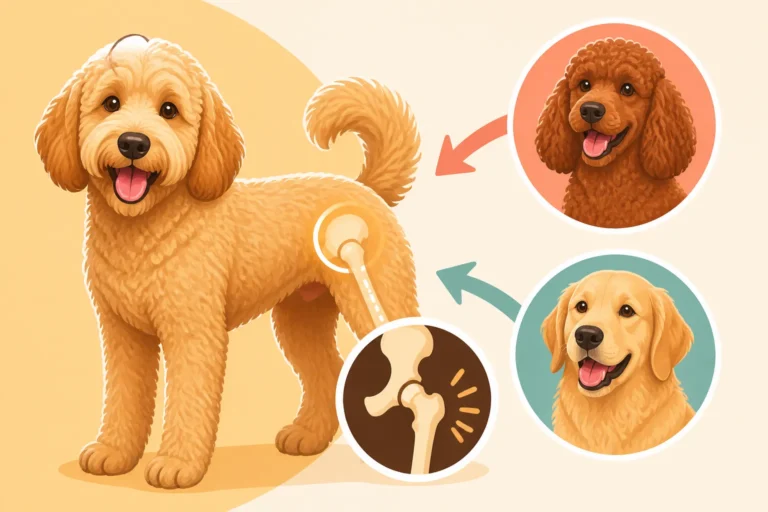
- Orthopedic Issues: This means testing for hip and elbow dysplasia, common in Golden Retrievers and Poodles, through organizations like the Orthopedic Foundation for Animals (OFA) or PennHIP. Considering that Goldendoodle Hip Dysplasia at 15 to 20 Percent is a significant concern, these tests are paramount.
- Eye Conditions: Testing for inherited eye diseases like Progressive Retinal Atrophy (PRA) through evaluations by a certified veterinary ophthalmologist.
- Cardiac Health: Heart clearances to screen for congenital heart defects.
- Genetic Diseases: DNA testing for a range of inherited conditions that both Golden Retrievers and Poodles can carry, such as Von Willebrand Disease (a bleeding disorder), Ichthyosis (a skin condition), and various forms of PRA.
The intention here is noble: by testing the parent dogs, breeders can theoretically make more informed decisions to avoid pairing dogs that might pass on serious genetic conditions to their offspring. This transparency is meant to offer buyers a layer of confidence that their puppy comes from parents who have been screened for common, debilitating health problems. You can learn more about specific tests in our detailed guide on Health Testing Both Goldendoodle Parents Should Have.
Ethical Breeding Practices and Puppy Care
Beyond health testing, GANA also puts forth guidelines concerning ethical breeding practices and the early care of puppies. These recommendations often cover:
- Age of Breeding: Ensuring that breeding dogs are mature enough, typically at least two years old, to have completed their own health clearances and reached full physical development.
- Breeding Frequency: Discouraging over-breeding of female dogs, often recommending breaks between litters.
- Puppy Socialization: Encouraging breeders to implement early socialization programs for puppies, exposing them to various sights, sounds, textures, and people to help them develop into well-adjusted adults.
- Age of Placement: Recommending that puppies not leave their mother and littermates before 8 weeks of age, as this critical period is vital for their social and emotional development.
- Buyer Education: Encouraging breeders to educate prospective owners about the specific needs of Goldendoodles, including grooming requirements, exercise needs, and potential temperament traits.
These guidelines are designed to ensure that puppies are not only physically healthy but also mentally and emotionally prepared for their new homes.
The Pedigree and Generation Tracking
GANA and similar organizations also attempt to create a system for tracking Goldendoodle generations. This includes classifying dogs as F1 (first cross Golden Retriever x Poodle), F1B (F1 Goldendoodle x Poodle or Golden Retriever), F2, and Multigen. This system aims to provide some predictability, especially for traits like coat type and shedding levels, which are often a primary concern for allergy sufferers.
For instance, an F1B Goldendoodle, which is typically 75% Poodle, is often promoted as being more likely to have a curly, low-shedding coat compared to an F1. Understanding these generations can be crucial for managing expectations about your dog's appearance and potential impact on allergies. Our article on Goldendoodle Generations From F1 to Multigen goes into much greater detail about what these classifications mean. This tracking is intended to give buyers a clearer picture of their puppy's genetic makeup and what to expect as it grows.
The Reality Check: Do GANA Standards Truly Guarantee Anything?
While GANA's intentions are certainly good, it's crucial for prospective Goldendoodle owners to approach these "standards" with a realistic understanding. The presence of a GANA affiliation doesn't automatically mean a breeder is perfect, nor does it guarantee a problem-free dog.
Voluntary Nature and Enforcement Challenges
The biggest distinction between GANA and a traditional kennel club like the AKC is its voluntary nature. GANA is a membership organization, and adherence to its standards is largely self-policed. There's no governmental or independent regulatory body overseeing GANA itself, nor does GANA have legal authority over its members.
This means:
- No Legal Enforcement: If a GANA-affiliated breeder doesn't follow all the guidelines, there isn't a robust, external enforcement mechanism. Complaints typically go through GANA's internal process, which may or may not result in concrete action.
- Varied Adherence: While many GANA breeders are truly dedicated and responsible, the level of adherence to the spirit of the standards can vary. Some might meet the bare minimum requirements, while others go above and beyond.
- Reliance on Self-Reporting: Health testing results are submitted by breeders, and while reputable breeders will provide verifiable OFA or genetic test links, the system relies on honest reporting.
It’s not to say that GANA doesn’t serve a purpose, but rather that its effectiveness is only as strong as the integrity of its individual members and the diligence of its internal review process. For a deeper dive into what a breeder should be doing, regardless of affiliation, check out The DNA Panel a Goldendoodle Breeder Should Run.
"Standards" Versus "Recommendations"
Another important point is to differentiate between what are true, enforceable "standards" (which are few in voluntary organizations) and what are largely "recommendations" or "best practices." While GANA recommends specific health tests, for example, the organization cannot physically force a breeder to conduct them or to interpret results strictly.
Even if a breeder follows GANA's recommendations, they cannot eliminate all health risks. For instance, even parents with "good" OFA hip scores can still produce offspring with hip dysplasia, as genetics are complex and multifactorial. GANA cannot guarantee that every puppy born to its members will be perfectly healthy, well-tempered, or even live longer than a purebred. The concept of "hybrid vigor" is often discussed with Goldendoodles, but it's important to understand The Goldendoodle Hybrid Vigor Claim and Where It Breaks down in practice.
Ultimately, GANA offers a framework, but it doesn't remove the need for individual due diligence on the part of the buyer.
What to Look For Beyond a GANA Label
So, if a GANA label isn't a silver bullet, what should you look for? The most critical factors remain the individual health clearances of the parent dogs themselves.
- Direct Access to OFA/PennHIP Certificates: A reputable breeder, whether GANA-affiliated or not, should be able to provide you with direct links or copies of the OFA or PennHIP certificates for both the dam and sire, showing clearances for hips, elbows, eyes, and heart. These should be publicly verifiable on the OFA website.
- Genetic Test Results: Similarly, you should see documentation from reputable genetic testing labs like Embark or Paw Print Genetics, showing that both parents are clear of common genetic diseases known in Golden Retrievers and Poodles. This is how you can verify Reading a Goldendoodle Parent's OFA Record for yourself.
- Transparency and Communication: A good breeder will be open about their practices, eager to answer your questions, and willing to introduce you to the parent dogs and their living environment.
- References: They should be able to provide references from previous puppy buyers or their veterinarian.
The GANA label can be a starting point, indicating a breeder who is at least aware of these recommendations. However, it's not a substitute for seeing the actual, verifiable paperwork for the specific parents of the litter you're considering.
Making an Informed Decision for Your Goldendoodle
Navigating the world of Goldendoodle breeders can feel like a minefield, but by focusing on concrete evidence and asking the right questions, you can significantly increase your chances of finding a healthy, well-adjusted puppy, regardless of any association membership.
Prioritizing Individual Parent Health Clearances
When it comes to the health of your future Goldendoodle, the most impactful data points are the specific, verifiable health clearances of the sire and dam. These are the two dogs directly passing on their genetics to your puppy, and their health screening results speak volumes.
- OFA Clearances: For hips and elbows, look for "Good" or "Excellent" hip scores, and "Normal" elbow scores. For eyes and heart, look for "Normal" clearances from a board-certified veterinary ophthalmologist and cardiologist, respectively. These results should be dated and current.
- Genetic DNA Panels: Review comprehensive genetic DNA panel results. These should indicate that both parents are "clear" or "non-carriers" for prevalent diseases like Progressive Retinal Atrophy (PRA), Von Willebrand Disease (vWD), Ichthyosis, and others specific to Golden Retrievers and Poodles. If a parent is a "carrier" for a specific disease, it's crucial that they are only bred with a mate who is "clear" for that same disease, to avoid producing affected puppies.
Don't just take a breeder's word for it. Request to see the actual certificates or, even better, the registration numbers to look them up directly on the OFA website or the genetic testing lab's public database. This level of verification is essential because it offers objective proof, unlike a simple "GANA member" badge.
Asking the Right Questions to Any Breeder
Regardless of whether a breeder is GANA-affiliated or not, arm yourself with a list of pointed questions. A reputable breeder will welcome them and answer openly and honestly.
Here are some crucial questions to ask:
- "Can I see the OFA and genetic testing results for both parents, including links to their public databases?"
- "What is your philosophy on puppy socialization? What specific steps do you take before puppies go home?" (e.g., sound exposure, textures, early neurological stimulation, human interaction).
- "At what age do you send puppies to their new homes?" (The answer should ideally be 8 weeks or older).
- "What kind of health guarantee do you offer, and for how long?"
- "What is your protocol if a puppy develops a serious health issue that can be traced back to genetics?"
- "Can I visit your facility and meet the parent dogs?" (If visiting isn't possible due to distance or health protocols, ask for detailed videos and virtual tours).
- "Do you require a spay/neuter contract?"
- "What kind of lifetime support do you offer to puppy buyers?"
- "Can you provide references from your veterinarian and previous puppy buyers?"
- "What kind of diet are the puppies on?"
A breeder who is evasive or dismissive of your questions should raise a red flag. This due diligence is your strongest tool in finding a responsible breeder.
The Role of a Health Guarantee and Pet Insurance
Even with the most meticulous health testing and careful breeding practices, a living creature is never 100% guaranteed to be free of health issues. This is why a solid health guarantee from your breeder is invaluable. Most reputable breeders offer a guarantee for at least the first year of life against serious genetic conditions, and sometimes longer for specific issues like hip or elbow dysplasia. Make sure you read and understand this contract thoroughly before committing to a puppy.
Beyond the breeder's guarantee, having pet insurance is a critical safety net for Goldendoodle owners. Because Goldendoodles are a crossbreed, they technically don't have a "breed club health scheme" like many purebreds do. This means there isn't one central registry tracking health issues across the entire population, making individual preparation even more important. Providers like Healthy Paws offer comprehensive coverage that can help mitigate the financial impact of unexpected illnesses or accidents. Knowing that you have support for potential vet bills, whether it’s for an ear infection that requires frequent vet visits or a sudden emergency, can provide immense peace of mind. It’s a way to plan for the unforeseen, ensuring your Goldendoodle receives the best care throughout its life without breaking the bank. Many Goldendoodle owners wisely choose to enroll their puppies early to avoid pre-existing condition exclusions later on. Our guide on Goldendoodle Pet Insurance for a Dog With No Breed Papers offers more tailored advice.
GANA Standards: Goals vs. Realities
Here's a quick comparison of what GANA aims for and the practical realities you might encounter:
| Aspect | GANA's Stated Goal (Ideal) | Practical Reality for Owners |
|---|---|---|
| Health Testing | Encourage comprehensive health screening of breeding parents. | Relies on breeders to perform and submit verifiable tests; still no 100% guarantee of puppy health. |
| Ethical Breeding | Promote responsible practices: age limits, socialization, puppy care. | Voluntary guidelines; enforcement is internal and varies by breeder. You must verify practices yourself. |
| Pedigree/Generations | Provide a framework for tracking lineage and predicting traits. | Offers guidance, but coat/temperament predictability isn't absolute, especially in early generations. |
| Breeder Accountability | Offer a vetting process and a system for breeder membership. | Not a legal or government oversight body; quality ultimately depends on individual breeder integrity. |
| Buyer Assurance | Give buyers confidence in their puppy's health and background. | A good starting point, but requires buyers to perform independent verification of health records. |
Disclaimer
This article is intended for informational purposes only and does not constitute veterinary advice. Always consult with a qualified veterinarian for any health concerns or before making any decisions about your pet's care.