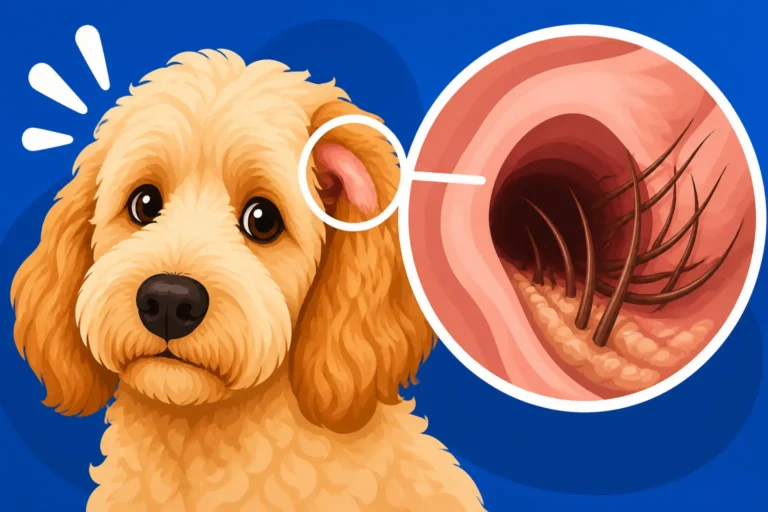
Vision Loss in an Old Goldendoodle
Watching your beloved Goldendoodle navigate the world with increasing difficulty as their vision fades can be truly heartbreaking and incredibly frustrating. It's tough to see them stumble over familiar objects, hesitate in new environments, or lose that sparkle in their eyes. This comprehensive guide is here to walk you through understanding why vision loss happens in older Goldendoodles, how to spot the early signs, and most importantly, how to adapt your home and routine to ensure your furry family member can still live a full, happy, and safe life.
Understanding Common Causes of Vision Loss in Senior Goldendoodles
As our Goldendoodles age, just like us, their bodies start to experience wear and tear, and their eyes are no exception. Vision loss isn't usually a sudden event (though it can be in some cases); it's often a gradual decline that can be attributed to several common conditions. Understanding these can help you better communicate with your vet and advocate for your senior pup. Remember, Goldendoodles inherit genetic predispositions from both their Golden Retriever and Poodle lineages, and both breeds have their own set of eye concerns that can show up later in life.
Age-Related Nuclear Sclerosis
This is probably one of the most common and often least concerning changes you'll notice in an older Goldendoodle's eyes. Nuclear sclerosis isn't actually a disease or a true vision impairment, but rather a normal part of aging. What you'll see is a bluish-gray haze or cloudiness in the center of the lens. It happens because the lens fibers become more compressed over time.
While it can look alarming, nuclear sclerosis typically doesn't significantly affect your dog's vision. They might experience a slight reduction in their ability to focus on very close objects, but their general sight for navigating and recognizing you usually remains perfectly fine. It's often mistaken for cataracts, but a veterinarian can easily tell the difference with an ophthalmoscope. This condition is usually benign and doesn't require treatment, serving more as a visual marker of their senior status.
Cataracts and Their Progression
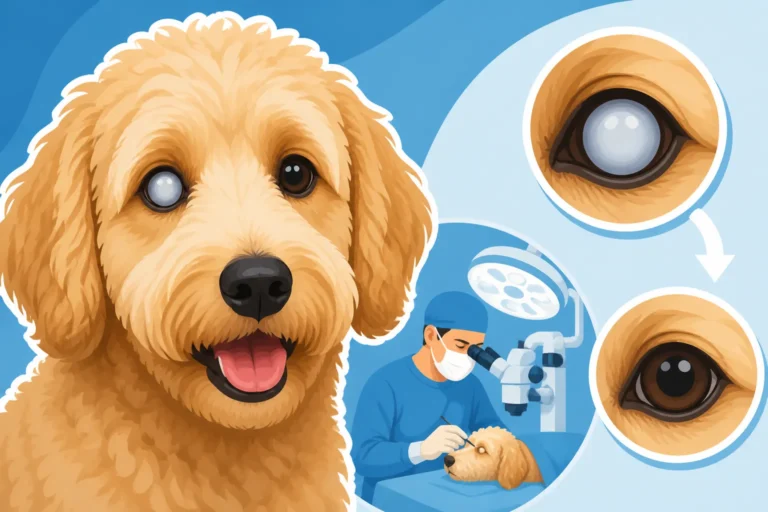
Cataracts are a more serious concern than nuclear sclerosis and involve the clouding of the eye's lens, leading to decreased vision. Unlike nuclear sclerosis, which is a haziness within the lens, cataracts cause the entire lens, or a significant portion of it, to become opaque, preventing light from reaching the retina. Goldendoodles, owing to their Poodle heritage, can be prone to various forms of cataracts, including those that develop as they age.
Age-related cataracts typically progress slowly, starting as small opacities and gradually expanding to cover more of the lens. This means your Goldendoodle's vision will deteriorate over months or even years. In severe cases, where the cataracts mature and cover the entire lens, it can lead to complete blindness. The good news is that cataracts can often be surgically removed, restoring vision, though this is a significant undertaking, especially for an older dog. It's worth discussing Goldendoodle Cataracts and Vision Loss with your vet if you suspect your pup is developing them.
Glaucoma in Older Goldendoodles
Glaucoma is an incredibly painful and serious eye condition that can lead to rapid and permanent blindness if not treated promptly. It's characterized by increased pressure within the eye, which damages the optic nerve and retina. This can stem from either breed, as both Golden Retrievers and Poodles can be predisposed to primary glaucoma, but it can also be secondary to other eye issues like advanced cataracts, inflammation, or trauma.
The onset of glaucoma can be sudden and dramatic. You might notice your Goldendoodle's eye appearing red, watery, cloudy, and sometimes enlarged. They'll likely be in significant pain, squinting, rubbing their eye, or becoming lethargic. Because the condition is so painful and destructive, immediate veterinary attention is crucial. Treatment often involves medication to reduce eye pressure, but in severe cases, surgical interventions or even removal of the eye may be necessary to alleviate pain and prevent the condition from spreading to the other eye. Early detection and aggressive management are key to preserving any remaining vision and ensuring comfort.
Progressive Retinal Atrophy PRA
Progressive Retinal Atrophy, or PRA, is a group of inherited degenerative diseases that affect the retina, causing it to slowly waste away. Both Golden Retrievers and Poodles are known to carry genes for different forms of PRA, which means Goldendoodles can inherit a predisposition to this condition. Unlike cataracts, which affect the lens, PRA targets the light-sensitive cells at the back of the eye, leading to irreversible vision loss.
Often, the first sign of PRA is night blindness, as the rods (cells responsible for low-light vision) are usually affected first. Your Goldendoodle might become hesitant to go outside in the dark, bump into things at dusk, or seem disoriented in dimly lit rooms. As the disease progresses, daytime vision also deteriorates, eventually leading to complete blindness. Unfortunately, there is no cure or effective treatment for PRA, but it’s a slowly progressing disease, allowing dogs time to adapt. For more information on this specific genetic condition, you might want to read about Progressive Retinal Atrophy Carried by Both Goldendoodle Lines.
Spotting the Early Signs of Goldendoodle Vision Decline
Recognizing vision loss in your Goldendoodle can be tricky, especially since they're masters at compensating. They rely heavily on their other senses – hearing and smell – to navigate their world, often masking subtle changes in their sight. However, as a diligent owner, you can pick up on cues if you know what to look for. Early detection is important because it allows you to adapt your home and routine sooner, making the transition smoother for your dog.
Behavioral Changes Around the House
One of the first places you'll likely notice changes is within the familiar confines of your home. Your Goldendoodle might start to bump into furniture that has always been there, especially if it's been subtly rearranged. They might hesitate at doorways or at the top or bottom of stairs, needing an extra moment to gauge their footing. This isn't just clumsiness; it's often a sign they're struggling to perceive depth or obstacles.
You might also observe them being more clingy, following you from room to room more closely than usual, a behavior often associated with Goldendoodles anyway, but potentially intensified by insecurity due to vision loss. They might become more startled by sudden movements or noises if they can't see what's happening. Another subtle sign could be a decrease in their willingness to play fetch indoors, or difficulty locating a dropped toy. These small shifts, when seen together, paint a picture of a dog whose visual world is shrinking.
Hesitation in New or Dimly Lit Environments
The effects of vision loss become much more pronounced when your Goldendoodle is in an unfamiliar place or when lighting conditions are poor. A dog with declining vision might refuse to enter a new room, or if they do, they'll move very slowly, sniffing the ground intently. On walks, they might pull back from venturing into new paths or seem generally more anxious when exploring.
This hesitation is a natural safety mechanism. Without clear sight, their confidence drops, making them wary of potential dangers they can't see. Nighttime walks, even in familiar areas, can become a challenge. You might notice them walking much slower, stumbling, or clinging closer to your side. If your Goldendoodle shows signs of night blindness, such as being disoriented after dusk, it could be an indicator of conditions like PRA, as mentioned in Night Blindness as a Goldendoodle's First PRA Sign. It's crucial not to dismiss this as simply being "stubborn" or "getting old," but rather as a genuine struggle.
Changes in Eye Appearance
While not all vision loss presents with visible eye changes, some conditions do. For instance, cataracts will appear as a cloudy or milky white film over the pupil, making the eye look different. Glaucoma can cause the entire eye to appear red, swollen, or cloudy, and often looks noticeably larger than the unaffected eye. Nuclear sclerosis, as discussed, creates a bluish haze.
Regularly examining your Goldendoodle's eyes, especially as they get older, is a good habit. Look for any changes in color, clarity, pupil size, or discharge. Comparing one eye to the other can sometimes highlight subtle differences you might otherwise miss. If you notice any sudden changes, or if your dog is showing signs of pain like rubbing their eyes, squinting, or increased tearing, it's vital to contact your veterinarian immediately. These visual cues, combined with behavioral changes, can help your vet diagnose the underlying cause and determine the best course of action.
Adapting Your Home and Routine for a Visually Impaired Goldendoodle
Once you've identified that your Goldendoodle is experiencing vision loss, the next crucial step is to create a safe, predictable, and comfortable environment for them. It might seem daunting at first, but with a few thoughtful adjustments, your dog can continue to thrive. Remember, consistency and patience are your best friends here.
Maintaining a Consistent Home Layout
One of the most important things you can do for a visually impaired Goldendoodle is to keep your furniture and belongings in consistent places. Their mental map of your home is vital for their navigation. Resist the urge to frequently rearrange furniture or leave objects in unusual spots.
- Clear Pathways: Ensure main walking paths are clear of obstacles. If you move something, even temporarily, guide your dog around it several times so they can update their mental map.
- Safety Gates: Use baby gates to block off stairs or areas that might be dangerous, like a workshop or an open garage. This provides a safe zone and prevents falls.
- Scent and Texture Cues: Consider using different scented essential oils (diluted and dog-safe, like lavender or chamomile, applied to a small cloth out of reach) or textured mats at the top or bottom of stairs, or near doorways. These can act as sensory markers, helping your dog orient themselves.
- Consistent Water/Food Bowls: Always keep their food and water bowls in the same, easily accessible spot.
By creating a predictable environment, you reduce anxiety and help your Goldendoodle move around with confidence, even without full sight. This attention to detail can make a huge difference in their daily life and often goes hand-in-hand with managing other age-related issues like Senior Goldendoodle Mobility and Arthritis, where falls can have more severe consequences.
Implementing New Communication Methods
With vision loss, your Goldendoodle will rely more heavily on their other senses, particularly hearing and smell. This means you'll need to adapt how you communicate with them. Verbal cues and gentle physical touch become paramount.
- Verbal Cues: Start using clear, consistent verbal cues for everything. Instead of just pointing to their bed, say "Go to bed." Use "step up" for curbs, "wait" before crossing a street, or "obstacle" for something in their path. Acknowledge your presence by speaking to them as you approach, rather than startling them with an unexpected touch.
- Scent Cues: You can apply a unique, dog-safe scent (like a dab of vanilla extract) to certain toys or objects you want them to find. This leverages their powerful sense of smell to locate items or specific areas.
- Touch Signals: Gentle taps or strokes can become signals. For example, a light tap on their shoulder could mean "stop," while a stroke down their back could mean "come forward." Always introduce these new methods patiently and with positive reinforcement.
It's all about building a new language of trust and predictability. You might find that even if your Goldendoodle seems to be struggling with A Goldendoodle That Stops Recognizing the House, consistent verbal cues can help them feel more grounded and secure within their environment.
Safe Outdoor Exploration and Exercise
Don't let vision loss mean the end of enjoyable outdoor adventures! Your Goldendoodle still needs physical and mental exercise. The key is to manage their environment and ensure their safety.
- Leash Walks: Always keep your visually impaired Goldendoodle on a leash when outside, even in a fenced yard you consider secure. A familiar, predictable route is best, especially in the beginning. Be their eyes: call out steps, curbs, or potential obstacles like other dogs or people.
- Fenced Yards: If you have a fenced yard, walk the perimeter with them frequently to ensure they remember the boundaries. Check for any new holes or potential escape routes they might not see. Some owners use wind chimes or other sound markers at fence lines to give an auditory boundary.
- Supervised Play: Playtime can still be fun. Use toys that make noise, like squeaky balls or crinkly plushies, so they can locate them by sound. Rolling a ball on a solid surface rather than throwing it far can make it easier for them to track.
- Maintain Routine: A consistent routine for potty breaks and walks can greatly reduce anxiety. Your Goldendoodle will learn the sequence of events and feel more secure knowing what to expect.
Investing in a good harness can also be beneficial, as it provides better control and distributes pressure more comfortably than a collar, which is important for any dog, especially one who might rely more on your guidance.
Supporting Your Goldendoodle's Overall Health with Vision Changes
Living with vision loss isn't just about navigating the physical world; it impacts your Goldendoodle's mental and emotional well-being, and often coincides with other senior health issues. A holistic approach to their care is essential to ensure they remain happy and healthy in their golden years.
Regular Veterinary Check-ups and Specialist Care
Consistent veterinary care becomes even more critical for older Goldendoodles experiencing vision loss. Regular check-ups allow your vet to monitor the progression of any eye conditions, manage pain, and address other age-related health concerns that often go hand-in-hand with declining sight. Many senior dogs, for example, also deal with Goldendoodle Arthritis After the Age of Eight, which means adapting their environment for both vision and mobility.
Your general practitioner can often diagnose common eye issues, but for more complex conditions like advanced cataracts or glaucoma, they might refer you to a veterinary ophthalmologist. These specialists have advanced equipment and expertise to provide precise diagnoses and specialized treatments, including surgical options. Don't hesitate to ask for a referral if you feel your Goldendoodle's vision issues are progressing rapidly or causing significant discomfort. These regular visits are crucial and might involve a comprehensive examination, often including "The Senior Panel a Goldendoodle Should Have at Nine".
Managing Medications and Supplements
Depending on the cause of your Goldendoodle's vision loss, there might be medications or supplements that can help. For instance, glaucoma requires lifelong medication to control eye pressure and prevent pain. Anti-inflammatory eye drops might be prescribed for other conditions. Omega-3 fatty acids, antioxidants, and certain eye-specific supplements are sometimes recommended to support overall eye health, though their effectiveness in reversing or halting vision loss varies greatly depending on the condition.
Always administer medications exactly as prescribed by your vet. It can be challenging to give eye drops to a dog who can't see, so practice patience and use positive reinforcement. A routine for medication administration can help your dog anticipate it and be more cooperative. Financial planning for these ongoing costs is also a good idea; many owners find that a comprehensive pet insurance plan, like those offered by Healthy Paws, can significantly ease the burden of long-term medication and specialist visits. Healthy Paws can cover a wide range of illnesses and accidents, which is a comforting thought when managing chronic conditions in a senior pet.
Mental Stimulation and Enrichment
While their eyesight might be failing, your Goldendoodle's brain is still active and needs stimulation. Mental enrichment is vital for keeping them happy and engaged, preventing boredom, anxiety, and even cognitive decline.
- Scent Games: Leverage their powerful nose! Hide treats around the house and encourage them to "find" them. Snuffle mats and puzzle toys that dispense treats when manipulated are excellent for engaging their minds.
- Auditory Toys: Choose toys that squeak, crinkle, or have bells inside. This makes playtime accessible and fun.
- Familiar Commands: Continue practicing familiar commands. This provides mental exercise and reinforces your bond.
- Social Interaction: Continue to provide plenty of cuddles, gentle grooming (being mindful of their eyes and any sensitivity), and positive social interaction. Your presence and touch become even more comforting and reassuring.
- Safe Exploration: Even if it's just exploring a new corner of the yard on a leash, novel (but safe) environments stimulate their other senses.
Remember, a Goldendoodle's joy comes from interacting with you and their world. Even with diminished vision, they can still experience immense joy and connection through your care and thoughtful engagement. It's all part of ensuring Senior Goldendoodle Care After the Age of Nine truly enriches their final years.
The Emotional Impact on You and Your Goldendoodle
Witnessing your Goldendoodle lose their sight can be incredibly emotional. It's okay to feel sad, frustrated, or worried. Remember that your dog picks up on your emotions, so try to maintain a calm and positive demeanor around them. Your steady presence is their greatest comfort.
Give your Goldendoodle extra love and reassurance. Talk to them often, letting them know you're there. Understand that they might show increased anxiety or clinginess, which is a normal response to their changing world. With patience, consistent adaptation, and your unwavering support, most Goldendoodles adjust remarkably well to vision loss, continuing to be wonderful companions. If you're ever considering the difficult realities of their last years, topics like The Last Decisions for an Aging Goldendoodle can help you prepare. Many Goldendoodle owners have found solace and practical help from pet insurance providers like Healthy Paws, knowing that critical decisions about care aren't solely dictated by financial constraints.
Comparing Common Eye Conditions in Senior Goldendoodles
To help you distinguish between some of the more common causes of vision changes in your older Goldendoodle, here’s a quick overview. It's important to note that this table is for informational purposes only and is not a substitute for a professional veterinary diagnosis.
| Condition | Typical Onset | Common Symptoms | Progression | Pain Level | Treatment Options |
|---|---|---|---|---|---|
| Nuclear Sclerosis | Senior (7+ years) | Bluish-gray haze in center of lens; minimal vision impact | Slow, non-progressive | None | None required |
| Cataracts | Variable, often Senior | Cloudy or opaque lens; decreased vision, eventual blindness | Slow to moderate | None (unless secondary inflammation) | Surgical removal (phacoemulsification) |
| Glaucoma | Variable, often Senior | Red, cloudy, swollen, painful eye; dilated pupil; rapid vision loss | Rapid | High | Medications (drops, oral), laser surgery, cyclocryotherapy, enucleation (eye removal) |
| Progressive Retinal Atrophy (PRA) | Variable (can be early or late-onset) | Night blindness first; gradually worsening day vision; dilated pupils | Slow | None | None (supportive care for adaptation) |
| Sudden Acquired Retinal Degeneration Syndrome (SARDS) | Middle to Senior | Sudden, complete blindness over days/weeks; dilated pupils, normal eye appearance initially | Rapid, complete | None | None (supportive care for adaptation); sometimes systemic steroids for underlying issues |
| Dry Eye (Keratoconjunctivitis Sicca) | Variable, can be Senior | Chronic dry, red eyes; thick discharge; squinting; can lead to corneal damage | Chronic, progressive | Moderate | Lifelong eye drops (tear stimulants, lubricants) |
Remember, an accurate diagnosis from your veterinarian or a veterinary ophthalmologist is crucial for any suspected eye issue. For example, conditions like Dry Eye in a Goldendoodle With Long Face Hair can also cause discomfort and if left untreated, can severely impact eye health, even if it doesn't directly cause vision loss in the same way cataracts or glaucoma do.
Disclaimer
This article is intended for informational purposes only and does not constitute veterinary advice. Always consult with a qualified veterinarian for any health concerns or before making any decisions about your Goldendoodle's care.