Goldendoodle Heat Tolerance Under a Thick Coat
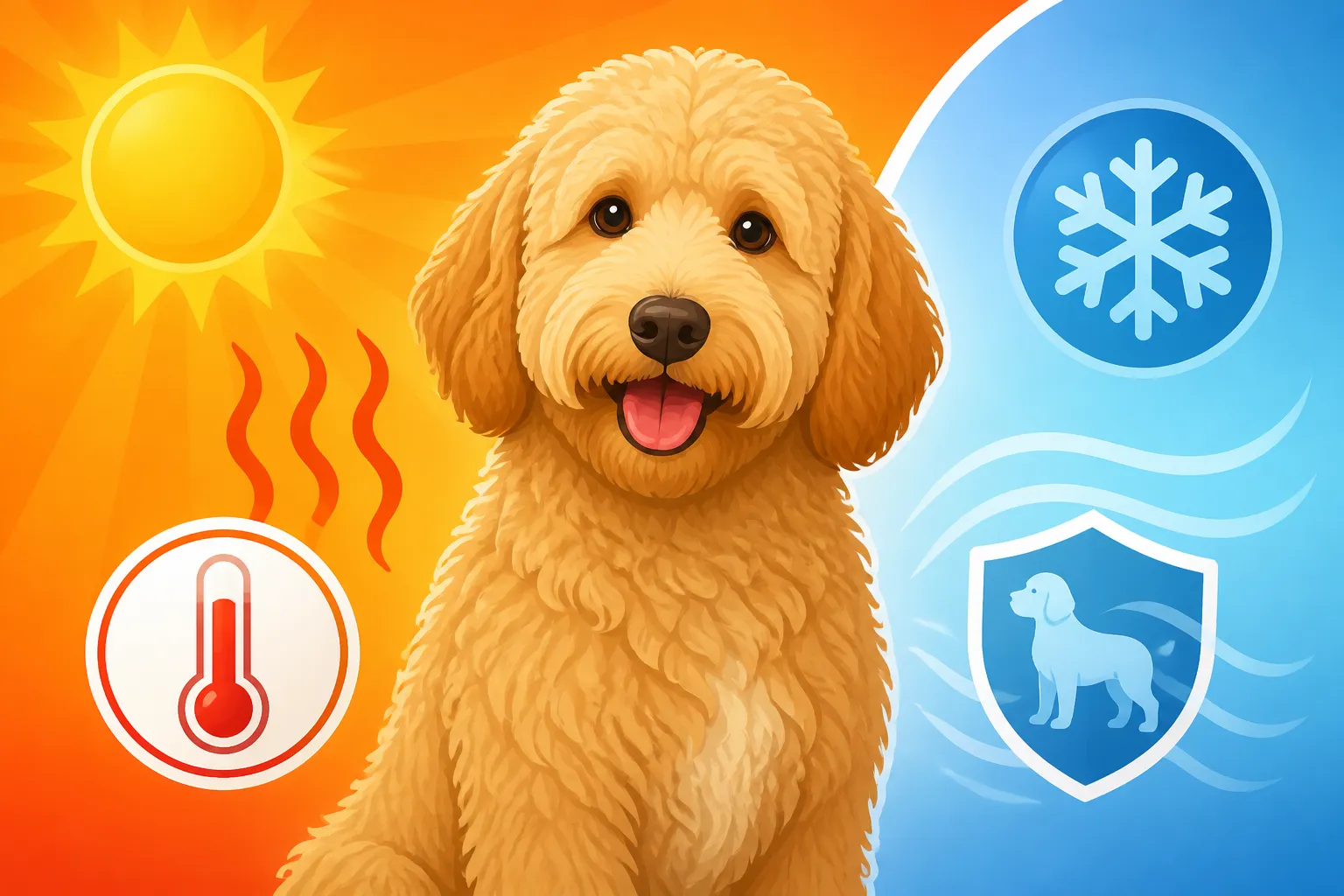
It’s a common misconception that all that fluffy Goldendoodle fur keeps them warm in winter but somehow makes them magically cool in summer. The truth is, that thick, often dense Goldendoodle coat, while wonderfully soft, can actually be a serious challenge when the temperatures rise, trapping heat against their bodies and making them incredibly susceptible to overheating. This guide will walk you through exactly how your Goldendoodle's coat affects their ability to stay cool, how to spot the crucial warning signs of heat stress, and most importantly, how to keep your beloved companion safe and comfortable when the mercury climbs.
Understanding the Goldendoodle Coat and Heat Retention
Many Goldendoodle owners adore their dog's luxurious coat, whether it's wavy, curly, or even straight. What often gets overlooked, however, is the dual nature of this beautiful fur. It’s a fantastic insulator, but that insulation works both ways – keeping cold out in winter and, unfortunately, keeping heat in during summer. This isn't just about how much hair they have; it's about the structure and density of those individual hairs and the overall coat.
The Different Goldendoodle Coat Types and Their Impact
Goldendoodles aren't a one-size-fits-all when it comes to their coats. You'll find three main types, and each presents its own unique challenges for heat management. There's the "straight" or "flat" coat, which often resembles a Golden Retriever's fur more closely. While it might seem lighter, it can still be quite dense. Then you have the "wavy" or "fleece" coat, which is perhaps the most common and sought-after. This coat type can be quite plush and can trap a significant amount of air, contributing to its insulating properties. Finally, there's the "curly" or "wool" coat, which looks very much like a Poodle's coat. These tight curls can form a dense barrier, making it difficult for air to circulate close to the skin.
It’s easy to look at a fluffy dog and assume that if you just cut their hair short, all their heat problems will disappear. But understanding The Three Goldendoodle Coat Types and How to Tell Them is the first step in realizing that each one needs a slightly different approach. A straight-coated Goldendoodle might have less surface area for heat to get trapped than a tightly curled one, but density is still a major factor. Regardless of the exact texture, the sheer volume of hair on many Goldendoodles means there's a lot of material acting as a barrier between their skin and the cooler outside air, or preventing heat from dissipating effectively.
How Fur Acts as Insulation, Not Just a Blanket
Think of your Goldendoodle's fur not just as a blanket, but as a highly efficient insulation layer, similar to the insulation in your home's walls. This insulation works by trapping air. In winter, that trapped air is warmed by your dog's body heat, keeping them cozy. In summer, however, that same trapped air warms up, and without adequate airflow, it can't escape, essentially creating a personal sauna for your dog. Goldendoodles, like most dogs, don't sweat all over their bodies the way humans do. Their primary cooling mechanism is panting, and to a lesser extent, sweating through their paw pads. If their body heat can't escape through the surface of their skin due to a thick, dense, or matted coat, panting alone might not be enough to regulate their core temperature, especially in humid conditions.
This is why proper grooming is absolutely essential, even if you keep their coat longer. Mats, for example, are not just unsightly; they create an even denser barrier, completely preventing air from reaching the skin and making the insulation effect even stronger. This is why Brushing a Goldendoodle Often Enough to Stop Matting is crucial not just for aesthetics, but for their health and comfort. Regular, thorough brushing helps to thin out the undercoat, remove loose hair, and allow for better air circulation near the skin. Without this, your dog is essentially wearing a heavy, non-breathable winter coat in the height of summer.
Factors Beyond Coat Type: Humidity and Activity
While coat type is a significant factor, it's far from the only one determining your Goldendoodle's heat tolerance. Environmental humidity plays a huge, often underestimated, role. When the air is dry, evaporating moisture from your dog's tongue through panting is quite efficient at cooling them down. However, in high humidity, the air is already saturated with moisture, making it much harder for that evaporative cooling to happen. Imagine trying to dry your laundry on a humid day – it takes forever. It's similar for your dog's panting mechanism. A Goldendoodle in 80-degree, 90% humidity feels a lot hotter and struggles more than one in 90-degree, 30% humidity.
Activity levels are another critical piece of the puzzle. A Goldendoodle, even a small one, is a naturally active breed, inheriting energy from both the Golden Retriever and Poodle sides. They love to play, run, and explore. However, intense exercise on a warm day generates significant internal body heat, which their coat then traps. A quick game of fetch in the park at midday might seem harmless, but for a Goldendoodle, it can quickly push them into dangerous territory. Understanding Goldendoodle Exercise for Body and Mind is important year-round, but especially during warmer months. Even a walk that feels comfortable to you in shorts and a t-shirt might be too much for your fur-clad friend. Large Goldendoodles, in particular, have a larger body mass to cool down, making them even more susceptible.
Recognizing Signs of Overheating in Your Goldendoodle
Knowing your Goldendoodle is prone to overheating is one thing; actually recognizing the subtle (and not-so-subtle) signs that they're in distress is another. Dogs can't tell us they're too hot, so it's entirely up to us as their guardians to be vigilant. Missing these cues can quickly escalate a warm dog into a life-threatening emergency.
Early Warning Signs of Heat Stress
The earliest signs of heat stress are often easy to miss if you're not paying close attention. The most obvious is increased or excessive panting – panting that seems harder, faster, or more exaggerated than usual for the level of activity. It might sound louder, almost like a frantic gasp. Another early indicator is seeking shade or trying to lie down in cooler spots more frequently. Your Goldendoodle might start lagging behind on a walk or refuse to continue playing, even if they usually have boundless energy. Their gums might appear a brighter red than normal, indicating increased blood flow as their body tries to cool.
You might also notice a slight unsteadiness in their gait, or a general lethargy. While these symptoms might seem mild, they are your dog's way of telling you they're struggling and need immediate intervention. Don't wait for more severe signs to appear. At this stage, getting them into a cooler environment, offering water, and stopping all activity is paramount. Ignoring these initial warnings can quickly lead to a dangerous situation. Think about how you feel when you're slightly overheated; dogs feel similar discomfort, but their natural instincts often push them to continue until they simply cannot.
The Progression to Heatstroke: What to Watch For
If early signs are missed or ignored, heat stress can rapidly progress to full-blown heatstroke, a medical emergency that can cause organ damage and be fatal. The signs of heatstroke are much more severe and alarming. Panting will become extreme, often accompanied by frothing at the mouth or drooling heavily as their body tries desperately to cool itself. Their gums may turn a dark red, or even appear pale or bluish as circulation becomes compromised. Their tongue might also look abnormally dark red.
You might observe vomiting or diarrhea, sometimes bloody, as internal organs begin to suffer. Their coordination will deteriorate, leading to staggering, collapsing, or even seizures. Their heart rate will be rapid, and their body temperature will soar above normal (over 104°F or 40°C is typically considered dangerous). At this point, your Goldendoodle is no longer just hot; they are in critical condition. Immediate, aggressive cooling and veterinary care are non-negotiable. Every minute counts in these situations.
Why Goldendoodles Are Particularly Susceptible
Goldendoodles carry a double whammy when it comes to heat. First, as we've discussed, their thick, often dense coats act as fantastic insulators, trapping heat. Second, their Golden Retriever lineage often predisposes them to being incredibly eager-to-please and high-energy. They might continue to retrieve a ball or run with you long after their body is telling them to stop, driven by their desire to engage and please their human. This combination of a heat-trapping coat and a strong "play drive" means they often don't self-regulate their activity in hot weather as well as other breeds might.
Their Poodle side, while contributing to intelligence and a low-shedding coat (for some), doesn't necessarily make them more heat-tolerant. In fact, many Poodles also have dense coats that can be quite insulating. Furthermore, larger Goldendoodles, like A Standard Goldendoodle Tall Enough to Reach the Counter, have a greater body mass relative to their surface area, meaning it takes more effort and time for them to dissipate heat. Smaller Goldendoodles might seem less at risk, but their energy levels can still get them into trouble if not managed carefully. Add to this the possibility of underlying health conditions that might reduce their heat tolerance, and you have a breed that requires extra vigilance during warm weather.
Here’s a quick reference table for recognizing signs of heat stress:
| Sign Category | Early Heat Stress | Progressive Heat Stress / Heatstroke | Action Required |
|---|---|---|---|
| Panting | Increased, heavier, louder panting | Extreme, frantic panting; noisy breathing; frothing at the mouth | Move to shade, offer water, cease activity, start cooling |
| Behavior | Seeking shade, lethargy, reluctance to move | Staggering, collapsing, disorientation, seizures, loss of consciousness | Immediate emergency vet visit; aggressive cooling on the way |
| Gums & Tongue | Bright red gums, slightly darker tongue | Dark red, purple, or pale/bluish gums; very dark red tongue | Immediate emergency vet visit |
| Body Temperature | May feel warm, but not critically high | Body feels very hot (rectal temp > 104°F / 40°C) | Immediate emergency vet visit |
| Other Symptoms | Excessive thirst, reduced appetite | Vomiting (possibly bloody), diarrhea (possibly bloody), drooling | Immediate emergency vet visit |
Practical Strategies for Keeping Your Goldendoodle Cool
Preventing overheating is always easier and safer than treating it. With a Goldendoodle, being proactive with their care, environment, and exercise routine is absolutely critical for their well-being once the weather heats up.
Adjusting Exercise Routines and Timing
This is perhaps the simplest yet most effective strategy. During spring and summer, the "rules" for Goldendoodle exercise need to change dramatically. Forget midday walks or park visits once temperatures climb above 75-80°F (24-27°C), especially if humidity is high. Instead, plan walks and active play for the very early morning, just after sunrise, or late in the evening, well after sunset, when the ambient temperature has dropped. Check the pavement with your hand – if it's too hot for your bare hand, it's too hot for their paws, which can also absorb heat into their bodies.
Consider shifting from high-impact activities like running or intense fetch to gentler options. A leisurely stroll in a shady park, or even better, a swim if your Goldendoodle enjoys it and has safe access, can be much more appropriate. Remember that The Hour or Two a Goldendoodle Needs Each Day of activity needs to be adjusted in intensity and timing, not necessarily eliminated. Mental stimulation with puzzle toys or training sessions indoors can also help satisfy their need for engagement without the risk of overheating. If you must be out during warmer parts of the day, keep it to very short potty breaks on grass, and always carry water.
Grooming and Haircuts for Summer Comfort
Many people instinctively think, "My dog is hot, I'll shave them down!" While a shorter coat can certainly help, simply shaving a Goldendoodle bald isn't always the best or safest option. A very short shave can expose their sensitive skin to sunburn, especially if they have a lighter coat. Plus, a small layer of fur still provides some level of insulation from radiant heat from the sun. The goal isn't to remove all insulation, but to create a manageable coat that allows for maximum airflow.
Instead of shaving, consider a practical "summer cut" or a "puppy cut" where the hair is trimmed to a uniform length, typically 1 to 2 inches, all over their body. This keeps enough fur to protect their skin but reduces the density significantly. Regular professional grooming is paramount. Make sure you are Booking a Goldendoodle Groom Every Six to Eight Weeks during the warmer months, ensuring that any mats are removed and the undercoat is properly brushed out. Talk to your groomer about Choosing a Goldendoodle Haircut Length that balances protection and cooling. A matted coat is far worse than a longer, well-maintained one. Consistent brushing at home between grooms, especially line brushing, also helps keep the coat airy and less prone to trapping heat.
Hydration and Cooling Aids
Water, water, water! Always ensure your Goldendoodle has access to fresh, cool water, both at home and when you're out. Consider adding ice cubes to their water bowl at home or bringing a portable water bottle and collapsible bowl on walks. Even if you're just stepping out for a few minutes, always have water readily available.
There's a whole world of cooling aids available that can make a big difference for your Goldendoodle. Cooling vests, which use evaporative cooling when wet, can be quite effective. Cooling mats, which contain a gel that activates under pressure or with body heat, provide a cool spot for them to lie on indoors. Even a simple wet towel draped over their back or neck can offer temporary relief. For the car, a kennel fan that clips to their crate can provide essential airflow, even if the AC is on. Never leave your Goldendoodle unattended in a car, even with windows cracked, as temperatures can rise to lethal levels incredibly quickly. This is a non-negotiable safety rule.
When to Seek Veterinary Help for Heat-Related Issues
Despite your best efforts, sometimes accidents happen, or your Goldendoodle might just be more sensitive to heat than you realized. Knowing when to escalate from home cooling efforts to an emergency vet visit can be the difference between a full recovery and a tragic outcome.
Emergency First Aid for Suspected Heatstroke
If you suspect your Goldendoodle is suffering from heatstroke, immediate action is crucial, even while you prepare to head to the vet. First, move your dog to the coolest possible environment – air conditioning, shade, or near a fan. Begin cooling them down immediately. Do not use ice water or extremely cold water, as this can cause blood vessels to constrict, trapping heat inside their core, and can also lead to shivering, which generates more heat. Instead, use cool (not cold) water. You can wet their coat thoroughly with a hose, spray bottle, or by soaking towels and placing them on their neck, armpits, and groin where major blood vessels are close to the surface. Continuously replace or re-wet these towels.
Offer small amounts of water if they are conscious and willing to drink, but don't force it. You can also direct a fan at them. Monitor their temperature if you have a rectal thermometer. Aim to bring their temperature down to around 103°F (39.4°C) before stopping the active cooling, as their body temperature will continue to drop slightly even after you stop. As soon as you begin cooling, call your veterinarian or the nearest emergency animal hospital to let them know you're coming.
When It's Time for an Emergency Vet Visit
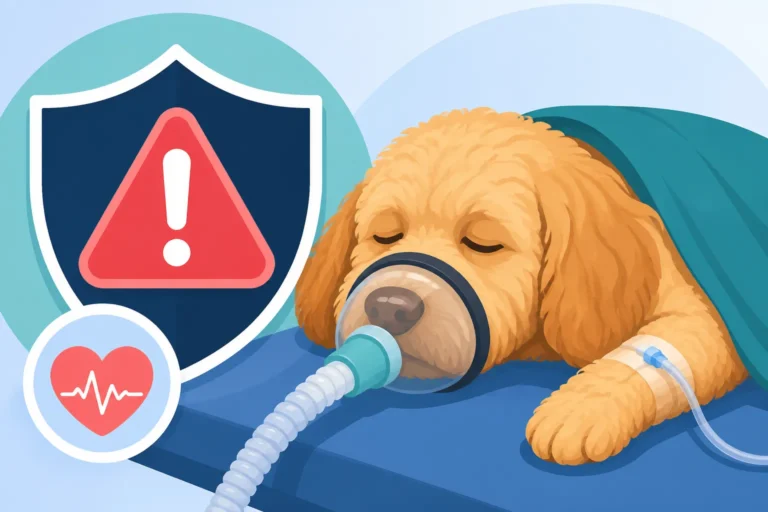
Honestly, if you're even suspecting heatstroke, it's probably time to call the vet. It's always better to be overly cautious when it comes to heat-related illnesses. Any signs beyond mild, controlled panting – such as staggering, vomiting, excessive drooling, dark gums, or collapse – warrant an immediate trip to the emergency veterinarian. Do not delay. Heatstroke can cause rapid and severe damage to organs like the brain, kidneys, and liver, and the sooner treatment begins, the better the prognosis.
Even if you've managed to bring their temperature down at home, a vet visit is still essential. There could be underlying issues or internal damage that isn't immediately apparent. The vet can assess for dehydration, organ damage, and other complications, and provide intravenous fluids, medications, and further cooling if needed. This is where having something like Goldendoodle Pet Insurance for a Dog With No Breed Papers can be incredibly valuable, as emergency visits can be quite costly, and knowing you have support from providers like Healthy Paws can alleviate financial stress during a crisis.
Preventative Measures and Health Management
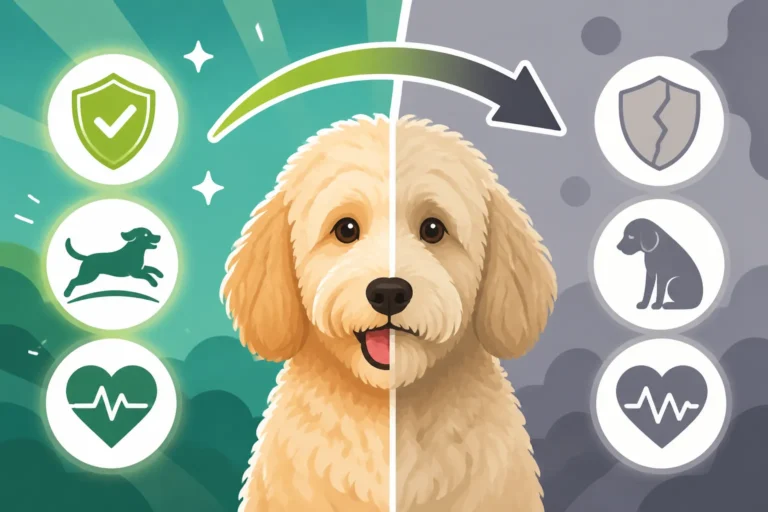
Ultimately, the best approach is prevention. Beyond timing walks and proper grooming, consider your Goldendoodle’s overall health. A Goldendoodle that is overweight will have a harder time staying cool. Ensure they are on an appropriate diet and maintaining a healthy weight. Regular vet check-ups can help identify any underlying health conditions, such as heart murmurs or respiratory issues, that might make them more susceptible to heat.
For owners, understanding the long-term health landscape of your Goldendoodle is key. Conditions like The Heart Defect a Goldendoodle Gets From the Golden Line can affect their ability to tolerate heat, making preventative care even more important. Having a solid pet insurance plan from a reputable provider like Healthy Paws in place before any issues arise can offer immense peace of mind. It allows you to make medical decisions based on what's best for your dog, rather than worrying about the unexpected costs of an emergency. This includes not just heatstroke, but other common Goldendoodle health concerns like Goldendoodle Hip Dysplasia and the OFA Numbers or ear infections. Being prepared is being a responsible pet parent, especially for a breed as energetic and beautifully coated as the Goldendoodle.
Disclaimer
The information provided in this article is for general informational purposes only and is not a substitute for professional veterinary advice, diagnosis, or treatment. Always seek the advice of your veterinarian or other qualified animal health provider with any questions you may have regarding a medical condition.