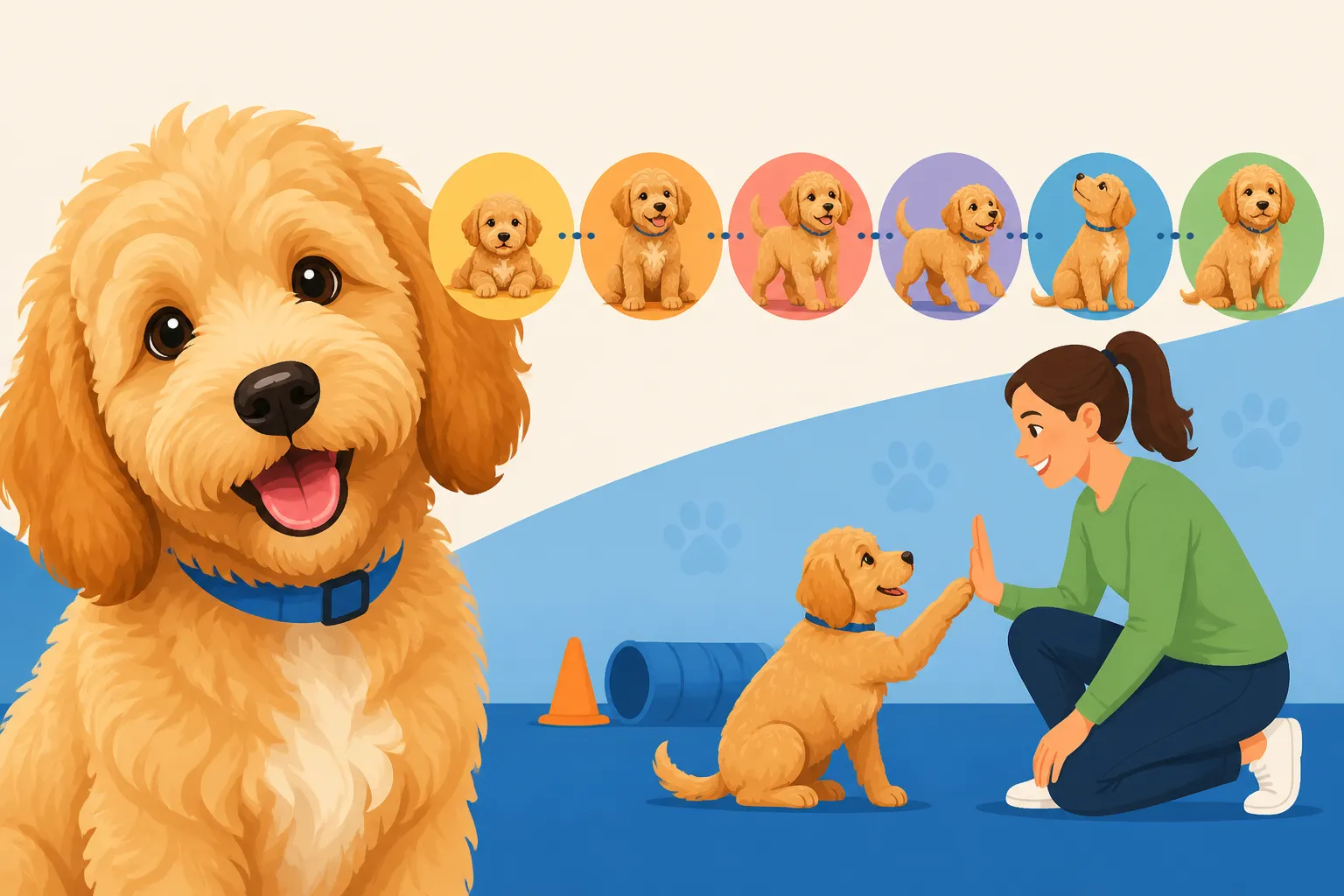
What Six Weeks of Goldendoodle Puppy Class Runs
Bringing a Goldendoodle puppy home is an exciting, often chaotic, time. You’re navigating everything from potty accidents to enthusiastic nipping, and it’s easy to feel overwhelmed by all the conflicting advice out there. Many new Goldendoodle parents wonder how to start their furry friend off on the right paw, and puppy classes are often touted as the magic solution. But what does a typical six-week Goldendoodle puppy class actually entail, and what kind of investment are you looking at to get your clever companion started on its manners? This guide will break down the world of puppy classes for your Goldendoodle, from what to expect to the factors influencing the cost.
Understanding the Landscape of Goldendoodle Puppy Training Classes
When you first start looking into puppy classes, it can feel like you’re trying to decipher a secret code. There are "kindergarten" classes, "basic obedience," "socialization workshops," and more. For a Goldendoodle, whose intelligence and eagerness to please are matched only by their sometimes boundless energy and mischievous streak, getting the right start is crucial. A structured six-week puppy class is often the ideal foundation, offering a blend of socialization, basic manners, and crucial problem-solving skills for common puppy behaviors.
The Core Curriculum: What a Six-Week Class Covers
A solid six-week puppy class for your Goldendoodle isn't just about teaching "sit" and "stay." It's about building a language between you and your puppy, setting expectations, and helping them navigate the big, wide world safely and confidently. Most programs will focus on fundamental life skills and positive reinforcement methods, which Goldendoodles, with their Poodle brains and Retriever biddability, tend to respond to exceptionally well. You'll often find a mix of practical training and important behavioral insights.
For instance, you'll work on foundational commands like "sit," "down," "stay," and "come." These aren't just parlor tricks; they're vital for control and safety. A strong "come" (recall) can literally save your Goldendoodle's life if they ever get off-leash in an unsafe area. You’ll learn how to use these commands to interrupt undesirable behaviors like jumping on visitors or counter-surfing. Instructors will also typically cover polite leash walking, which is essential given that Goldendoodle Leash Pulling by Size Category can become a real arm-wrenching challenge if not addressed early.
Beyond commands, a good class will dedicate significant time to critical puppy issues. This includes tackling nuisance behaviors such as Goldendoodle Puppy Biting and Mouthing, which can be painful and frustrating for owners, and strategies for successful Goldendoodle House Training Week by Week. They’ll usually touch on crate training as well, which is an invaluable tool for potty training and teaching your Goldendoodle to settle peacefully alone. Furthermore, you'll get advice on preventing destructive chewing, helping you protect your furniture from Goldendoodle Puppy Chewing Through Furniture.
The Socialization Aspect: More Than Just Playtime
One of the biggest draws of puppy class, especially for a Goldendoodle, is the controlled socialization. Goldendoodles are generally very friendly, but "hyper-friendliness" without proper guidance can lead to problems like frantic greetings or over-arousal. A well-run class provides a safe environment for your Goldendoodle puppy to interact with other puppies of similar age and size, as well as different people. This is part of the crucial window for socialization that closes around 16 weeks of age, impacting how your dog will react to new experiences for the rest of its life.
However, it's not just about letting them run wild. Instructors observe and guide playtime, ensuring interactions are positive and puppies learn appropriate play manners. They’ll also expose puppies to different sounds, sights, and even textures (like walking on various surfaces), helping to build their confidence. This early exposure is incredibly important in preventing future fear-based behaviors or reactivity. It’s about building a well-adjusted, confident adult dog, not just a friendly one. This controlled exposure goes a long way in setting a Goldendoodle up for success, ensuring they develop into a calm and well-mannered companion rather than one who exhibits Goldendoodle Behavior Problems That Start in Puppyhood due to lack of exposure.
Factors Influencing Puppy Class Costs for Your Goldendoodle
The cost of a six-week Goldendoodle puppy class can vary quite a bit, making it hard to budget if you don't know what to expect. It's rarely a flat fee across the board, and several key factors come into play. These factors are generally consistent whether you're living in a bustling city or a more suburban area, though the price points themselves will naturally differ.
Location and Facility Type
Just like real estate, location is a huge determinant of cost. Puppy classes in large metropolitan areas or affluent suburbs tend to be more expensive than those in rural or less populated regions. This often reflects the higher operating costs for the training facility, including rent, utilities, and staff wages. For example, a class in downtown San Diego might easily cost more than one offered in a small town in upstate New York.
The type of facility also plays a role. A dedicated dog training center with climate-controlled indoor spaces, specialized flooring, and professional equipment might charge more than a class held in a rented community hall or a pet supply store's back room. While the latter can still offer excellent instruction, the amenities (and often, the class size) might differ, impacting the price. Many veterinary clinics also offer puppy classes, often with a slightly different focus on handling and health, and their prices can fall somewhere in the middle.
Instructor Experience and Qualifications
Think of it like hiring any professional: experience and credentials usually come with a higher price tag. A certified professional dog trainer (CPDT-KA, for example) with years of experience working with various breeds, including Doodles, and who uses force-free, positive reinforcement methods, will likely charge more than a less experienced instructor. These trainers often invest in continuing education and are up-to-date on the latest in canine behavior science.
Experienced instructors bring a wealth of knowledge not just about training techniques but also about common breed-specific quirks. They can offer tailored advice for your Goldendoodle’s unique blend of Golden Retriever enthusiasm and Poodle intelligence, helping you navigate challenges like "Goldendoodle zoomies" or particular sensitivities. Their ability to troubleshoot specific issues your Goldendoodle puppy might be having, beyond the general curriculum, adds significant value.
Class Size and Structure
The ratio of puppies to instructors can greatly affect the cost and, arguably, the quality of the individual attention your Goldendoodle receives. Smaller class sizes, typically with 4-6 puppies, allow instructors to give more personalized feedback, observe each puppy's progress closely, and intervene quickly if a puppy is struggling or if social interactions are going awry. These smaller, more intimate settings often command a higher price.
Larger classes, while potentially more budget-friendly, might mean less one-on-one time with the instructor. While they still offer valuable socialization and structured learning, your Goldendoodle might not get as much individualized attention for specific quirks or challenges. Some facilities offer different tiers of classes based on size or instructor level, giving you options depending on your budget and your puppy's needs. Sometimes, private training sessions might be available, but these are typically much more expensive than group classes.
The Financial Breakdown: Estimating Your Investment
Given all these variables, pinning down an exact figure is tough, but we can look at general ranges. For a six-week Goldendoodle puppy class, you're generally looking at a range that can accommodate various budgets and locations.
Most six-week puppy classes, focusing on basic obedience and socialization, typically fall within a broad price range. In more rural or less expensive suburban areas, you might find classes starting around the lower end. In contrast, classes in major metropolitan centers, especially those with highly sought-after instructors or premium facilities, can easily reach the higher end of the spectrum, sometimes even exceeding it for specialized programs.
Here's a generalized overview of what you might expect, keeping in mind these are estimates and actual prices will vary significantly by provider and region:
| Factor | Lower End Estimate (6 weeks) | Mid-Range Estimate (6 weeks) | Higher End Estimate (6 weeks) |
|---|---|---|---|
| Location | Rural/Small Town | Suburban | Major Metro Area |
| Instructor | Certified, Less Exp. | Certified, Mod. Exp. | Highly Experienced, Specialised |
| Class Size | 8-12 puppies | 6-8 puppies | 4-6 puppies |
| Facility | Community hall/Pet store | Dedicated training space | Premium training facility |
| Cost Expectation | (Check local providers) | (Check local providers) | (Check local providers) |
Remember, these are starting points, and it's always best to check with local training facilities, humane societies, and even some reputable pet stores like those that partner with Chewy for in-person services, for their current rates. Sometimes, bundles are offered if you sign up for multiple levels of training, which might offer a slight discount over individual class registrations.
What’s Included Beyond the Class Fee?
It's important to consider that the class fee isn't always the only cost. You'll also need to budget for supplies. High-value training treats are a must, and some Goldendoodle owners find that fresh food options like those from Ollie, cut into small pieces, make excellent motivators. You'll likely need a good quality leash and collar or harness. A clicker might also be recommended by your instructor.
Beyond tangible items, consider the time commitment. A six-week class means attending weekly sessions, but the real work happens at home, practicing 10-15 minutes a day, every day. This consistency is what truly solidifies the learning for your Goldendoodle. If you're struggling to find time, sometimes Goldendoodle Daycare Rates Per Day can factor in, if your center offers training packages or day school options.
The Long-Term Value and When to Consider Alternatives
While the upfront cost might seem like a lot, a good puppy class is an investment in your Goldendoodle's future well-being and your peace of mind. The skills and socialization gained in those crucial weeks can prevent far more expensive behavioral issues down the line. A well-behaved dog is a joy to live with, less likely to develop destructive habits, and generally safer in public. This proactive approach can save you from potential future vet bills from stress-related illnesses or injuries from poorly managed behavior, and in that vein, having pet insurance like a plan from Healthy Paws in place is a wise choice for any Goldendoodle owner, covering unexpected health needs.
Preventing Future Headaches and Expenses
Think about the alternative. An unsocialized or untrained Goldendoodle might develop anxiety, leash reactivity, or aggression, which could lead to much more intensive and costly private behavioral consultations or specialized training programs. You might find yourself needing a trainer to fix Goldendoodle Jumping that has gotten out of control, which often involves more time and money than preventing it in the first place. Early intervention and proper guidance through puppyhood are key to avoiding these more complex and expensive problems.
A puppy class also equips you, the owner, with invaluable knowledge. You learn how dogs learn, how to communicate effectively, and how to read your Goldendoodle's body language. This empowers you to continue training throughout their life, adapting to new challenges as they arise and fostering a stronger bond. Learning How Long Goldendoodles Usually Live, you quickly realize that the initial investment in training pays dividends over many happy years.
Alternatives and Additional Training Options
If a traditional six-week group class isn't feasible due to schedule, location, or cost, there are other avenues to explore. Online programs can be a flexible and often more affordable way to learn the ropes, though they lack the in-person socialization aspect. You could also consider hiring a private trainer for a few one-on-one sessions to address specific challenges, though this is generally more expensive per hour than group classes. Many Goldendoodle owners also find benefit in ongoing training, such as trick classes or canine good citizen courses, after graduating from puppy class.
Remember, the goal is to set your Goldendoodle up for success. Whether it's through a formal six-week class or a combination of resources, consistent positive reinforcement and early socialization are the cornerstones of raising a happy, well-adjusted Goldendoodle. Don't be afraid to reach out to trainers in your area, ask questions about their curriculum and methods, and even observe a class before committing. Finding the right fit for your Goldendoodle and your family is truly priceless.
Disclaimer
This article is for general informational purposes only and does not constitute professional advice. Laws, prices and regulations vary by location and change over time. Consult a qualified professional for guidance on your specific situation.