Whether Goldendoodle Insurance Covers Ear Infections
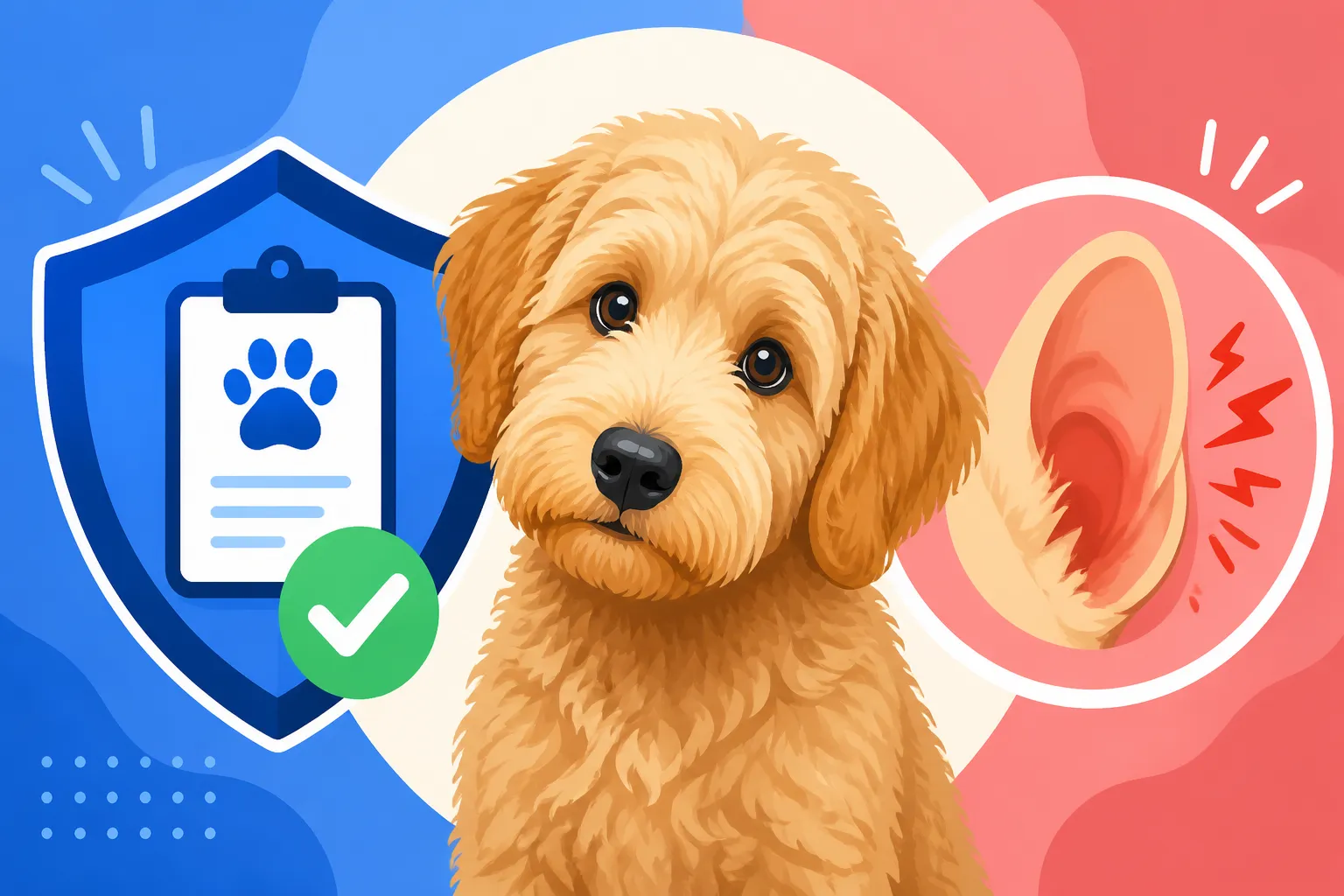
It’s a scenario Goldendoodle parents know all too well: that tell-tale head shake, the constant ear scratching, and then, that unmistakable smell. Ear infections are incredibly common in our beloved doodles, and they can be frustratingly recurrent, leading to vet visits that quickly add up. If you’ve ever found yourself wondering if your pet insurance actually covers these frequent ear troubles, you’re in the right place. This guide will meticulously break down how pet insurance typically handles Goldendoodle ear infections, from initial diagnoses to chronic conditions, helping you navigate the sometimes confusing world of policy coverage.
The Persistent Problem of Goldendoodle Ear Infections
Living with a Goldendoodle often means living with a dog whose ears need extra attention. It’s not just a coincidence; there are very real, very physical reasons why these lovely dogs seem to be magnets for ear troubles. Understanding these root causes is the first step in both prevention and making sense of how your insurance might view their treatment.
Why Goldendoodles Are Prone to Ear Troubles
Goldendoodles inherit their magnificent, floppy, and often heavily furnished ears from both the Golden Retriever and Poodle sides of their family tree. While adorable, these ears create a warm, dark, and often moist environment that’s just perfect for bacteria and yeast to thrive. Unlike dogs with upright ears, air circulation is significantly reduced, trapping moisture from baths, swimming, or even just humidity in the air. This dampness, combined with the dense hair that grows inside the ear canal – a trait often inherited from their Poodle lineage – creates a perfect storm for infection. It’s like a tiny, furry greenhouse for microbes right there in your dog’s ear.
Beyond the physical structure, Goldendoodles can also inherit a predisposition to allergies, which are a major underlying cause of recurrent ear infections. Both Golden Retrievers and Poodles are known to suffer from environmental and food allergies. When a Goldendoodle experiences an allergic reaction, it can manifest as inflammation and itching in the ear canal, making it even more susceptible to secondary infections. It's a vicious cycle: allergies cause irritation, which leads to scratching, which further damages the ear canal and makes it easier for infections to take hold. You might find yourself caught in this frustrating loop, constantly battling recurring infections. For a deeper dive into these issues, you might want to read about Goldendoodle Ear Infections Under a Furnished Ear or explore Goldendoodle Ear Hair and Chronic Infection.
Recognizing and Treating Ear Infections
Spotting an ear infection in your Goldendoodle early is key to quicker, less invasive treatment and, importantly, can sometimes make a difference in how your insurance views the condition. The signs are usually pretty clear if you know what to look for. You'll often see your dog shaking their head excessively, scratching vigorously at their ears, or holding one ear at an odd angle. Closer inspection might reveal redness inside the ear flap, a brownish or yellowish discharge, and a distinct, often yeasty odor that can range from mildly unpleasant to downright foul. Some dogs might even yelp or shy away when you try to touch their ears, indicating pain.
As soon as you notice these symptoms, a trip to the vet is crucial. Don't try to self-diagnose or treat with home remedies, as improper cleaning or medication can worsen the problem or mask symptoms, making it harder for your vet to get a clear picture. Your veterinarian will typically examine the ear with an otoscope, collect a swab of the discharge, and look at it under a microscope. This helps them identify whether it's a bacterial, yeast, or mixed infection, and sometimes even check for ear mites. Treatment usually involves a thorough professional cleaning, followed by topical ear medications (drops or ointments) that you'll administer at home for a week or two. In more severe cases, oral antibiotics, antifungals, or anti-inflammatory medications might be prescribed. Sometimes, if the ear is exceptionally inflamed or painful, sedation might even be required for a proper cleaning. The goal is always to clear the infection entirely and, if possible, identify and address any underlying causes like allergies. Catching these infections early can save your Goldendoodle a lot of discomfort and potentially prevent a minor issue from becoming a chronic, harder-to-treat (and harder-to-insure) problem. To learn more about identifying the problem, check out Catching a Goldendoodle Ear Infection Under the Hair.
Navigating the Pet Insurance Landscape for Ear Conditions
Pet insurance can be a real lifesaver when unexpected vet bills arise, but understanding what it actually covers, especially for common and sometimes chronic issues like Goldendoodle ear infections, is vital. It’s not always as straightforward as it seems.
Understanding Policy Basics: Accident, Illness, and Wellness
When you're looking at pet insurance, you'll generally encounter a few main types of plans, and knowing the differences is crucial for understanding ear infection coverage. Most people opt for an "accident and illness" policy, which is the most comprehensive standard offering. This type of plan typically covers things like broken bones (accidents), cancer treatments, diabetes, and, yes, many common illnesses like infections. Ear infections almost always fall under the "illness" category, so if you have an accident-only plan, these vet bills won't be covered.
Beyond the basic coverage, you'll also need to consider the financial components:
- Deductible: This is the amount you pay out-of-pocket before your insurance starts reimbursing you. It might be annual (one deductible per year) or per incident (a deductible for each new condition).
- Reimbursement Rate: This is the percentage of the covered vet bill that the insurance company pays after your deductible is met, usually ranging from 70% to 90%.
- Annual Limit: Many policies have a cap on how much they will pay out in a year. Once you hit this limit, you're responsible for all further costs until the next policy period.
Some companies, like Healthy Paws, offer unlimited annual payouts, which can be a huge relief if your Goldendoodle faces a major health crisis. Additionally, some insurers offer optional "wellness plans" or "riders" that cover routine care like vaccinations, annual check-ups, and sometimes even routine ear cleanings. However, it’s important to understand that wellness plans are typically for preventive care, not for treating an already diagnosed illness. So, while a wellness plan might help with a routine ear flush, it won't cover the medications or diagnostics for an actual ear infection. Understanding how these factors play out in real life is essential; for example, deciding Choosing a Deductible for a Goldendoodle can significantly impact your out-of-pocket costs.
The Dreaded "Pre-Existing Condition" Clause
This is perhaps the single most important clause to understand when it comes to pet insurance and Goldendoodle ear infections. Every pet insurance policy has language around "pre-existing conditions," which are generally defined as any illness or injury that showed symptoms or was diagnosed before your policy started or during its initial waiting period. The frustrating reality is that pre-existing conditions are almost universally not covered by pet insurance. This is not unique to Goldendoodles; it's standard across the industry.
For ear infections, this means if your Goldendoodle had an ear infection, or even just symptoms like scratching their ears, before you enrolled them in a policy or during the mandatory waiting period (which can range from a few days to a month or more for illnesses), any future treatment for that specific ear condition might be considered pre-existing and therefore excluded from coverage. And here's where it gets tricky: if your Goldendoodle has one ear infection, it gets treated, and then months later a different ear infection develops in the same ear, or even in the other ear, some insurers might still consider it related to the initial issue and deem it pre-existing. They often look at the medical history to see if there's a pattern or if the condition was fully resolved with no recurrence for a specified period (e.g., 6 to 12 months).
Imagine your Goldendoodle, Charlie, had an ear infection at 6 months old. You get him treated, and everything seems fine. You then decide to get pet insurance when he’s 8 months old. If Charlie gets another ear infection at 10 months, the insurance company will review his vet records. If the 6-month-old infection wasn't definitively resolved and documented as such, or if the policy’s definition of "pre-existing" covers any recurrence, that 10-month infection might be denied. This is why it's absolutely crucial to enroll your Goldendoodle in pet insurance as early as possible, ideally as a puppy before any health issues have a chance to develop. Always review the policy's specific definition of pre-existing conditions, as they can vary between providers. When researching providers, be sure to ask specific questions about chronic conditions and what constitutes a "cured" pre-existing condition, as some companies, like Healthy Paws, may have specific guidelines on how they handle recurring conditions if there is a long enough symptom-free period. You can read more about common exclusions here: The Goldendoodle Conditions Insurers Exclude.
Does Your Goldendoodle's Insurance Cover Those Pesky Ear Infections?
Now let’s get down to the brass tacks: when are Goldendoodle ear infections covered, and when are they not? This often comes down to a crucial distinction: is it an isolated, acute incident, or a chronic, recurring problem?
Acute vs. Chronic Ear Infections: A Key Distinction
For pet insurance purposes, the difference between an acute (sudden, isolated) ear infection and a chronic (long-lasting, recurring) one is monumental. Generally speaking, a new, acute ear infection is usually covered by an accident and illness policy, provided it develops after your policy's waiting period has ended and there’s no documented history of similar symptoms before enrollment. This means if your Goldendoodle, Leo, has never had an ear infection in his life, and suddenly develops one at 2 years old, his insurance policy will likely cover the vet exam, diagnostics, and medication, subject to your deductible and reimbursement rate. This is the ideal scenario for coverage.
The situation becomes far more complex with chronic or recurring ear infections. If your Goldendoodle, Luna, has a history of ear infections that started before you purchased insurance or during the waiting period, those infections – and any future recurrences – will almost certainly be considered a pre-existing condition and therefore excluded from coverage. What often happens is an owner gets insurance after their dog has had a few ear infections, hoping to cover future episodes. Unfortunately, by then, the "cat is out of the bag," so to speak, in the dog’s medical record. Insurance companies meticulously review past veterinary records when you file a claim. If they see a pattern of ear issues, even if they were months apart, they might deny the claim based on the pre-existing clause. For instance, if your vet notes indicate "chronic otitis externa" (chronic ear inflammation) even before you enrolled, any related claims will likely be denied. This is a common and often frustrating discovery for Goldendoodle owners. It underscores why it's so important to get insurance when your Goldendoodle is a young puppy and has a clean bill of health. For more detailed information on typical costs, you can explore Goldendoodle Ear Infection Vet Visit Costs.
The Role of Underlying Allergies in Coverage
Many Goldendoodle ear infections aren't just isolated incidents; they're often a secondary symptom of an underlying issue, most commonly allergies. These could be environmental allergies (like pollen or dust mites) or food allergies. If your Goldendoodle's allergies are diagnosed after your insurance policy's waiting period and weren't a pre-existing condition, then diagnostic tests for allergies, medications to manage them (like Apoquel, Cytopoint, or allergy shots), and even treatments for subsequent ear infections caused by those allergies would generally be covered. This is great news, as allergy management can be a significant ongoing expense.
However, if your Goldendoodle was already showing signs of allergies (e.g., constant itching, paw licking, skin rashes) or had been diagnosed with allergies before you got pet insurance, then any treatment related to those allergies – including the ear infections they cause – would likely be deemed pre-existing and therefore excluded. This can be a huge financial burden because managing allergies is often a lifelong commitment. For instance, while the specialized hypoallergenic dog food you might need (available from retailers like Chewy or custom services like Ollie) won't be covered by insurance directly (as food is considered a routine expense), the vet visits, allergy testing, and prescription medications to pinpoint and manage the allergies themselves could be covered if the condition is not pre-existing. It's a nuanced area, and understanding your Goldendoodle's full health history before getting insurance is key. If your Goldendoodle is constantly scratching their ears or chewing their paws, you might want to learn more about Goldendoodle Allergies and Itchy Skin or Goldendoodle Food Allergies Showing on the Skin.
Practical Steps to Manage Goldendoodle Ear Health and Insurance Claims
Given the challenges Goldendoodles face with their ears and the complexities of insurance coverage, a proactive approach is always your best strategy. This means not only taking excellent care of your dog's ears but also being smart about your pet insurance choices.
Proactive Ear Care as Your Best Defense
When it comes to Goldendoodles and ear infections, an ounce of prevention is truly worth a pound of cure – both for your dog's comfort and your wallet. Establishing a consistent ear care routine from puppyhood is paramount. This includes regularly checking their ears for any signs of redness, odor, or discharge, ideally a few times a week. After baths or swimming, always make sure to thoroughly dry their ears using a soft towel or cotton balls, reaching into the ear flap as much as possible without inserting anything into the canal. Moisture is the enemy! Many Goldendoodle owners also find it helpful to use a veterinarian-approved ear cleaner solution weekly or bi-weekly. These solutions are formulated to help maintain a healthy pH balance and gently clean out debris without causing irritation. Products from brands available on Chewy can be excellent for this.
Beyond home care, regular grooming is also essential. Keeping the hair around and inside the ear canal trimmed short helps improve airflow and reduces the likelihood of matting that can further trap moisture and debris. Discuss this with your groomer or learn how to safely do it yourself. Having a strong, open relationship with your veterinarian is also key. Don't hesitate to schedule an appointment at the first sign of trouble. Early intervention can prevent a minor irritation from escalating into a full-blown infection that requires more aggressive and costly treatment, and potentially keeps a condition from being labeled "chronic" too early in your dog’s life. Being vigilant and proactive can save you a lot of heartache and vet bills down the line. To master this routine, refer to The Weekly Goldendoodle Ear Routine Step by Step.
When to Enroll and What to Look For in a Policy
The single best piece of advice for pet insurance, especially with a breed like the Goldendoodle prone to specific issues, is to enroll your puppy as early as possible. Ideally, you want to sign up before your Goldendoodle develops any health issues, even minor ones. This maximizes the chances that any future conditions, including those frustrating ear infections, will be covered and not deemed pre-existing. Waiting until a problem arises is almost always too late for coverage of that specific issue.
When you're shopping for a policy, don't just look at the monthly premium. You need to dive into the details:
- Read the fine print on pre-existing conditions: Understand how each company defines them and if they have any clauses for "cured" conditions. Some may cover conditions if they haven't recurred for a certain period, but this is rare for chronic issues like ear infections.
- Check waiting periods: Be aware that most policies have waiting periods (e.g., 14 days for illnesses, sometimes longer for orthopedic issues) before coverage kicks in. Any symptoms during this period could be considered pre-existing.
- Look for hereditary condition coverage: Goldendoodles are prone to certain genetic issues from their parent breeds. Ensure your chosen policy covers hereditary and congenital conditions, which most comprehensive plans do.
- Compare deductibles and reimbursement rates: A lower deductible means you pay less out of pocket before coverage starts, but often comes with a higher monthly premium. Conversely, a higher reimbursement rate (e.g., 90% instead of 70%) means the insurer pays more of the bill.
- Consider annual limits: Unlimited plans (like some offered by Healthy Paws) provide peace of mind for catastrophic illnesses, though they might be pricier.
- Ask specific questions: Don't hesitate to call customer service and ask directly: "If my Goldendoodle gets an ear infection after the waiting period, will it be covered? What if they have another one a few months later?" Getting these answers in writing can be helpful.
While wellness plans might seem appealing, remember they primarily cover routine care, not treatments for diagnosed illnesses. If your main concern is unexpected vet bills from conditions like ear infections, a robust accident and illness plan is what you need. For more insight into choosing insurance, consider reading Enrolling a Goldendoodle Puppy in Week One or Goldendoodle Insurance Premiums by Adult Weight.
Maintaining Detailed Records for Claims
When it comes to insurance claims for ear infections, meticulous record-keeping is your secret weapon. Every single vet visit, every diagnosis, every prescribed medication, and every follow-up appointment needs to be documented. This means ensuring your veterinarian’s office keeps thorough notes in your Goldendoodle’s chart and that you ask for copies of these records for your own files.
Why is this so important? Because when you submit a claim for an ear infection, especially a recurrent one, the insurance company will almost certainly request your Goldendoodle’s full medical history. They are looking for any evidence of symptoms or diagnoses that predate your policy or occurred during the waiting period. If you can clearly show, through detailed vet records, that an ear infection is a completely new occurrence, with no prior history or symptoms, your chances of approval are significantly higher. Conversely, if records are sparse, inconsistent, or suggest a long-standing issue, it becomes much easier for a claim to be denied. Even a vague note about "mild ear irritation" from a check-up months before you enrolled could be used to classify a later, full-blown infection as pre-existing. Think of it as building a robust case for your Goldendoodle's health history, one vet visit at a time. This diligence will not only benefit your insurance claims but also help your vet provide the best possible care for your cherished companion.
| Coverage Aspect | Description | Typical Coverage for New Ear Infection (Post-Waiting Period) | Typical Coverage for Pre-Existing/Chronic Ear Infection |
|---|---|---|---|
| Accident & Illness Plan | Comprehensive coverage for unexpected injuries and illnesses. | YES (Subject to deductible/reimbursement) | NO (Universally excluded) |
| Accident-Only Plan | Covers injuries from accidents (e.g., broken bones, poison ingestion). | NO (Ear infections are illnesses) | NO (Ear infections are illnesses) |
| Wellness Add-on | Covers routine, preventive care (e.g., vaccines, annual exams). | NO (Covers routine cleaning, not treatment) | NO (Covers routine cleaning, not treatment) |
| Deductible | Amount you pay before insurance starts to reimburse. | Applies to initial eligible expenses | Not applicable if condition is excluded |
| Reimbursement Rate | Percentage of covered costs the insurer pays back (e.g., 70-90%). | Applies to eligible expenses after deductible met | Not applicable if condition is excluded |
| Waiting Period | Timeframe after enrollment before coverage for certain conditions begins. | Must have passed before symptoms or diagnosis | Symptoms/diagnosis during this period lead to exclusion |
| Medical Records Impact | Thorough records prove new condition vs. pre-existing. | Crucial for proving a condition is new | Basis for pre-existing exclusion |
Disclaimer
This article is for general informational purposes only and does not constitute professional advice. Laws, prices and regulations vary by location and change over time. Consult a qualified professional for guidance on your specific situation.