Why the AKC Will Not Register a Goldendoodle
It's a common, completely understandable question that I hear all the time: "Why can't I register my Goldendoodle with the American Kennel Club (AKC)?" You have this amazing, intelligent, loving companion, a dog that feels every bit as much a 'breed' to you as any Golden Retriever or Poodle, and yet, the premier dog registry in the United States doesn't acknowledge them. It can feel a little like your beloved furry family member isn't quite legitimate, or perhaps even worse, that all the care and love you pour into them isn't recognized. This guide is here to walk you through exactly why that is, delving into the AKC's stringent rules and the fundamental differences between a recognized breed and a crossbreed like our wonderful Goldendoodles.
Understanding What the AKC Recognizes as a "Breed"
The American Kennel Club isn't just a club that registers dogs; it's an institution with a very specific, historical definition of what constitutes a "breed." This definition is steeped in centuries of selective breeding, aiming for predictability in appearance, temperament, and health across generations. It’s not about how popular a dog is, or even how wonderful they are as companions, but about a very strict set of genetic and historical criteria.
The Definition of a Purebred Dog
When the AKC talks about a "breed," they're referring to a group of dogs that have been selectively bred over many generations to maintain consistent, identifiable characteristics. Think about it: when you see a Golden Retriever, you expect a certain look, a particular size range, and a generally friendly, eager-to-please temperament. The same goes for a Poodle – distinct coat, elegant gait, sharp intelligence. This predictability is the cornerstone of purebred recognition. These traits are passed down reliably from parent to offspring, creating a clear and unbroken lineage that can be traced back through generations.
This consistency comes from a closed gene pool. For a recognized purebred, both parents must be of the same breed, and their ancestors must also be of that same breed, without any 'outcrossing' to other breeds for a very long time. This intense focus on a limited genetic pool helps solidify the breed's characteristics, making them highly predictable. It’s a bit like a family recipe passed down perfectly for hundreds of years – you know exactly what ingredients and steps will produce the same delicious result every time. The AKC's system is built upon this foundation of genetic purity and predictable inheritance.
The Role of Breed Clubs and Standards
Another critical component of AKC recognition is the existence of a dedicated national breed club. For every AKC-recognized breed, there is a parent club that serves as the guardian of that breed's integrity. These clubs are made up of passionate, long-term breeders and enthusiasts who literally write the book on their breed – the "breed standard." This document meticulously describes the ideal physical characteristics, gait, coat, and even temperament of the breed. It's not just a suggestion; it’s a blueprint that breeders strive to meet, and judges in conformation shows use to evaluate dogs.
Beyond appearance, these breed clubs also play a vital role in health and ethical breeding. They often establish specific health testing recommendations or even mandatory health schemes to address genetic conditions prevalent in their breed. For example, the Golden Retriever Club of America and the Poodle Club of America both have strong recommendations for hip, elbow, eye, and heart clearances. This collective effort ensures that the breed's health is maintained and improved over time. The Goldendoodle, as a crossbreed, does not have such a parent club with a universally agreed-upon breed standard or comprehensive, mandatory health scheme, which is a major hurdle for any kind of official recognition. You can learn more about this in Why a Goldendoodle Has No Breed Club Health Scheme.
Why the Goldendoodle Doesn't Fit the AKC Mold
Given the AKC's stringent criteria for what constitutes a "breed," it becomes clearer why the Goldendoodle, despite its immense popularity, doesn't make the cut. The fundamental nature of a Goldendoodle, being a hybrid of two distinct purebreds, directly conflicts with the AKC's established framework.
The "Crossbreed" vs. "Breed" Distinction
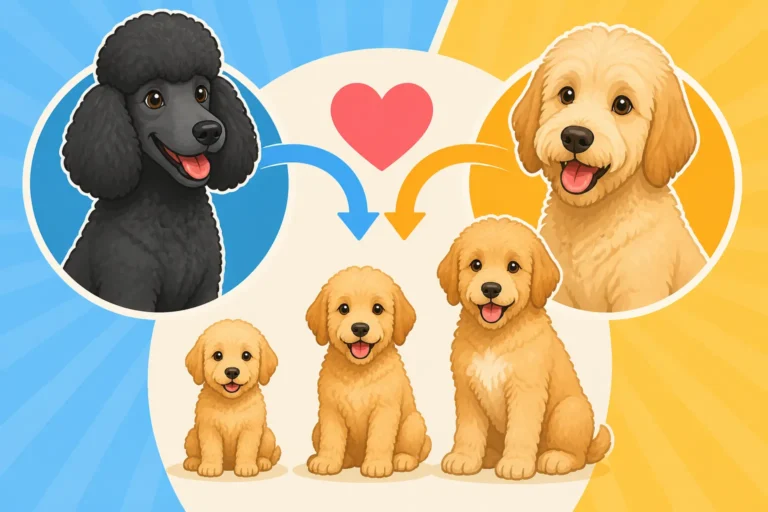
This is where the rubber truly meets the road. A Goldendoodle is, by definition, a crossbreed or a hybrid. It’s the intentional mixing of two established, purebred lines: the Golden Retriever and the Poodle. While the intention behind this crossbreeding is often excellent – to combine desirable traits like the Golden's friendly nature with the Poodle's intelligence and lower-shedding coat – it fundamentally differs from a purebred dog. A purebred has a consistent genetic makeup resulting from generations of breeding within its own established line. A crossbreed, especially in its early generations, inherits a mix of genes from two different established lines.
Think of it this way: a purebred Golden Retriever is like a deeply rooted oak tree, its characteristics consistent and predictable for hundreds of years. A Poodle is another, equally ancient and distinct tree. A Goldendoodle, particularly an F1 (first generation) Goldendoodle, is essentially a brand new sapling created from seeds of both trees. It carries the potential for traits from both sides, but in a way that is far less predictable than either parent tree. The AKC's registration system is designed for the oak and the maple, not for the hybrid offspring that hasn't yet proven it can reliably reproduce itself with consistent characteristics over many generations. You can dive deeper into this topic by reading Why a Goldendoodle Is a Cross and Not a Breed.
Unpredictable Traits Across Generations
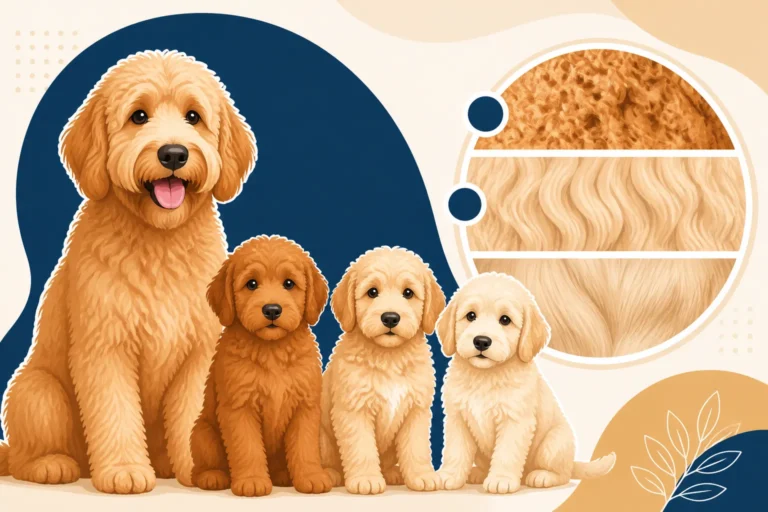
One of the biggest challenges for Goldendoodle recognition is the inherent unpredictability of their traits, especially in the earlier generations. When you breed a Golden Retriever with a Poodle to create an F1 Goldendoodle, you get a beautiful mix, but that mix can vary wildly even within the same litter. Some puppies might have a curlier, more Poodle-like coat, while others might have a straighter, more Golden-like coat. Sizes, shedding levels, and even aspects of temperament can lean more towards one parent breed or the other.
This unpredictability becomes even more pronounced in subsequent generations, such as F2 Goldendoodles (Goldendoodle bred to Goldendoodle). In an F2 litter, the genetic lottery can produce puppies that look like Poodles, puppies that look like Golden Retrievers, and everything in between. This wide range of appearances and characteristics directly clashes with the AKC's requirement for a consistent breed standard. For a breed to be recognized, dogs of that breed must consistently produce offspring that largely conform to the same set of characteristics, generation after generation. The very genetic diversity that some argue gives Goldendoodles "hybrid vigor" is also the very thing that prevents them from meeting AKC breed standards for consistency. Why F2 Goldendoodle Litters Vary So Much explains this phenomenon in greater detail.
The Path to AKC Recognition: A Long and Winding Road
So, what would it actually take for a crossbreed like the Goldendoodle to become an AKC-recognized breed? It's not impossible, but it is an incredibly arduous, time-consuming, and intentional process that would require many dedicated breeders working in unison for decades, if not longer. It's far more involved than simply being a popular dog.
Establishing a Breed Standard
The very first step on this long road would be for Goldendoodle enthusiasts and breeders to come together and form a national breed club. This club would then need to meticulously develop a universally accepted "breed standard." This isn't just a vague idea of what a Goldendoodle "should" look like. It would need to be an incredibly detailed document specifying everything from ideal height and weight ranges for different sizes (standard, medium, mini, toy), to precise descriptions of coat types (wavy, curly, flat), colors, eye color, ear set, tail carriage, and even a defined temperament. It would need to describe the exact physical attributes that distinguish a "Goldendoodle" from its parent breeds and other crosses, ensuring that a dog bred to this standard is instantly recognizable as a Goldendoodle.
This process would involve immense debate and compromise among breeders who currently have differing visions for the ideal Goldendoodle. They would need to agree on which traits are desirable and consistent enough to be included in the standard, and which variations fall outside the acceptable range. This consensus is notoriously difficult to achieve in any emerging breed, let alone one with such diverse genetics and origins as the Goldendoodle.
Years of Documented Breeding and Health Testing
Once a provisional breed standard is established, the real work begins: decades of consistent, documented breeding and rigorous health testing. Breeders would need to demonstrate that they can consistently produce dogs that conform to that new breed standard, generation after generation, with predictable outcomes. This means careful selection of breeding stock, extensive record-keeping of pedigrees, litters, and individual dog characteristics, and most importantly, thorough health testing.
The AKC requires evidence that a new breed has a sufficiently broad and healthy gene pool, and that breeders are actively working to minimize inherited health conditions. This would involve widespread participation in OFA (Orthopedic Foundation for Animals) clearances for hips, elbows, patellas, and eyes, as well as genetic testing for conditions like Progressive Retinal Atrophy (PRA), von Willebrand Disease, and Addison's Disease, which are known to affect Poodles and Golden Retrievers. These health records would need to be meticulously maintained and submitted, demonstrating a commitment to the long-term health of the emerging breed. This entire process typically takes many, many years – often 50 years or more – and usually requires a significant population of dogs and breeders consistently meeting these goals before the AKC would even consider moving a breed from their Foundation Stock Service to full recognition. How Long a Goldendoodle Would Take to Become a Breed elaborates on this lengthy timeline.
What AKC Non-Recognition Means for Goldendoodle Owners and Breeders
For many Goldendoodle owners, the lack of AKC registration doesn't diminish their love for their furry companions one bit. However, it does have some practical implications, particularly for those interested in dog sports, breeding, or just understanding the official standing of their dog.
No Pedigree or Official Show Ring Participation
The most immediate impact of non-recognition is that your Goldendoodle cannot be registered with the AKC as a purebred dog, and therefore cannot receive an official AKC pedigree. This means they cannot compete in AKC conformation (breed) shows, which are specifically designed to evaluate how well a dog conforms to its breed's official standard. Since the Goldendoodle doesn't have an AKC standard, there's nothing for them to be judged against.
However, this doesn't mean Goldendoodles are completely shut out of all AKC activities! The AKC recognizes that many crossbreeds and mixed-breed dogs are wonderful, capable athletes and companions. Goldendoodles are eligible to participate in many AKC companion events, which focus on a dog's abilities and training rather than its appearance or lineage. This includes popular activities like Agility, Obedience, Rally, Scent Work, and even Tracking. Many Goldendoodles excel in these sports, showcasing their intelligence and athleticism. So, while your Goldendoodle won't be strutting their stuff in the breed ring, they can absolutely earn titles and ribbons in performance events, demonstrating their exceptional training and bond with you.
Alternative Registries and Organizations
Because the AKC's doors are closed to Goldendoodles, various alternative registries and organizations have emerged to cater to them and other "designer dogs." Groups like the Goldendoodle Association of North America (GANA) have taken on the role of attempting to bring some structure and consistency to Goldendoodle breeding. These organizations often create their own "standards" for different Goldendoodle generations and coat types, and they may offer their own registration services. They aim to promote responsible breeding practices, provide resources for owners, and sometimes host their own informal shows or events.
These alternative registries serve an important purpose by giving breeders a framework and owners a place to register their dogs and connect with a larger community. However, it's crucial to understand that these standards and registrations are not recognized by the AKC or the international purebred dog community. While GANA, for example, has requirements for health testing and may verify pedigrees, it operates outside the established purebred dog world. When considering a breeder who mentions GANA registration, it's a good idea to research What GANA Does for Goldendoodle Buyers to understand what that registration truly entails and what benefits it offers. These organizations are often striving for the very predictability and consistency that the AKC demands, but they are doing so from the ground up, without the centuries of established lineage that purebreds boast. If you're looking for quality pet supplies, whether your Goldendoodle is registered or not, many owners rely on retailers like Chewy for everything from dog food to grooming tools.
The Evolving World of Dog Breeds and Crossbreeds
The Goldendoodle's story isn't just about why they aren't AKC-registered; it's also a fascinating look at how the world of dogs is constantly evolving, driven by human desires for specific traits and companionship. The rise of the Goldendoodle reflects broader trends and ongoing debates within the canine community.
The "Designer Dog" Phenomenon
The Goldendoodle is arguably one of the most prominent examples of the "designer dog" phenomenon. These are purposefully bred crossbreeds, often with catchy portmanteau names, created with the intention of combining desirable traits from two purebred parents. The Goldendoodle, for instance, gained immense popularity for its supposed low-shedding coat (from the Poodle) and the friendly, family-oriented temperament of the Golden Retriever. The appeal is clear: people want the best of both worlds, often seeking specific characteristics like hypoallergenicity or a particular temperament profile that they believe a crossbreed can offer.
This trend exploded in the late 20th and early 21st centuries, and Goldendoodles quickly became one of the most sought-after companion animals. Websites like Chewy, which cater to a wide array of pet owners, have seen a massive demand for products specifically for "Doodle" breeds, from specialized grooming tools to diets. This rise in popularity has, in turn, fueled more breeding, sometimes by reputable breeders dedicated to health and temperament, and sometimes by less scrupulous individuals looking to capitalize on demand, leading to a wide variation in quality and consistency within the Goldendoodle population.
Health and Temperament Debates
The existence of Goldendoodles and other crossbreeds has sparked considerable debate, particularly concerning health and temperament. Proponents often point to the concept of "hybrid vigor" (heterosis), suggesting that crossbreeds benefit from a wider gene pool, potentially making them healthier than purebreds who might suffer from conditions exacerbated by limited genetic diversity. While hybrid vigor can offer some benefits, it's a complex topic and not a guarantee of superior health. A Goldendoodle still inherits its genes from two parent breeds, meaning it can still inherit any genetic health issues prevalent in either Golden Retrievers or Poodles. This includes conditions like hip and elbow dysplasia, various cancers, and eye conditions such as Progressive Retinal Atrophy (PRA). The Goldendoodle Hybrid Vigor Claim and Where It Breaks explains the nuances of this claim.
Critics, on the other hand, argue that without the rigorous health testing, standardized breeding practices, and oversight of established breed clubs, the health and temperament of crossbreeds can be more variable and less predictable. They emphasize that reputable purebred breeders adhere to strict health testing protocols and work to eliminate genetic diseases within their lines, something that can be more challenging without a cohesive breed club for crossbreeds. Ultimately, for a Goldendoodle, just like any dog, the health and temperament are largely dependent on the ethics and practices of the individual breeder, as well as the genetic health of the parent dogs. Purchasing high-quality dog food from trusted sources like Chewy, coupled with regular veterinary care, also plays a crucial role in maintaining your Goldendoodle's well-being, regardless of their AKC status.
The Future of Goldendoodle Recognition
Will Goldendoodles ever be AKC-registered? It's a question that many owners ponder. The answer is, "perhaps, but not in our lifetime without a concerted, multi-generational effort." As we've discussed, the path to AKC recognition is incredibly long and demanding, requiring decades of consistent, documented breeding to a universally accepted standard, with rigorous health clearances. While there are passionate Goldendoodle breeders who are working towards greater consistency, achieving the level of uniformity and historical documentation that the AKC requires for full breed recognition is an undertaking of immense scale.
For now, and likely for the foreseeable future, Goldendoodles will remain celebrated and beloved crossbreeds. Their value lies not in a piece of paper from a purebred registry, but in the joy and companionship they bring to countless families. Understanding why the AKC doesn't recognize them isn't about diminishing their worth, but about appreciating the unique history and criteria that define the world of purebred dogdom, and how our charming Goldendoodles fit (or don't quite fit) into that established framework.
| Feature | AKC-Recognized Purebred | Goldendoodle (Crossbreed) |
|---|---|---|
| Genetic Origin | Generations of breeding within the same closed purebred line. | Result of breeding two distinct purebreds (Golden Retriever x Poodle). |
| Breed Standard | Has a detailed, universally accepted, written breed standard. | No single, universally recognized breed standard by a major kennel club. |
| Predictability | High predictability of appearance, temperament, and size across generations. | Traits can be highly variable, especially in early generations (F1, F2). |
| Parent Club | Governed by a national parent club that maintains standards and health. | No single, overarching national parent club recognized by AKC. |
| Health Schemes | Often has established, rigorous, mandatory health testing schemes. | Health testing recommendations exist (from GANA, etc.), but no unified, mandatory scheme. |
| AKC Registration | Eligible for full AKC registration and pedigree. | Not eligible for AKC purebred registration. |
| AKC Activities | Eligible for conformation (show) and performance events. | Eligible for AKC performance (companion) events only (e.g., Agility, Obedience). |
Disclaimer
This article is for general informational purposes only and does not constitute professional advice. Laws, prices and regulations vary by location and change over time. Consult a qualified professional for guidance on your specific situation.