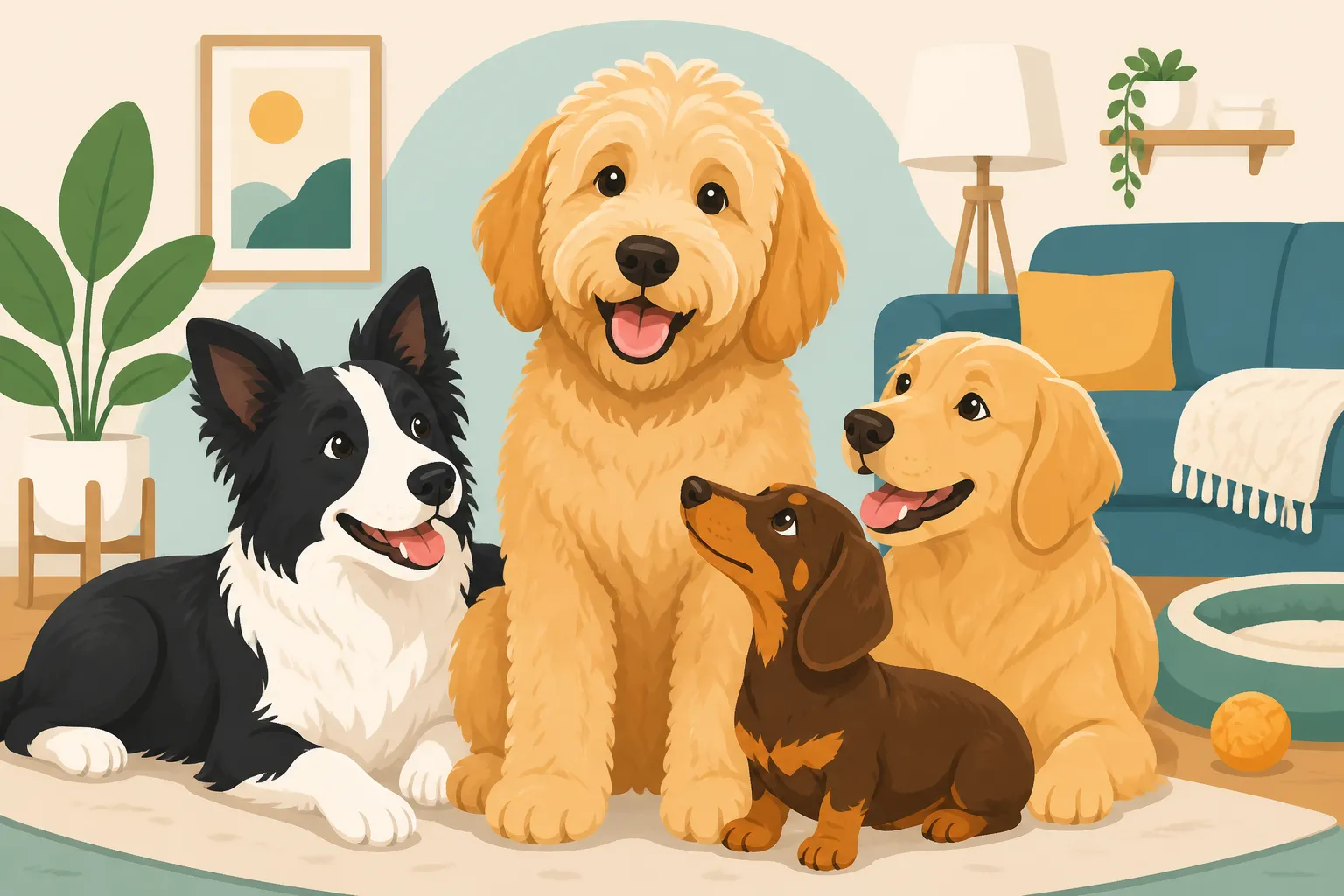
Goldendoodles With Other Dogs at Home
Bringing a Goldendoodle into your life often fills a void you didn't even know existed, with their boundless charm and affection. But if you already have a beloved canine companion, or you're considering adding a second dog to your Goldendoodle's world, it's natural to wonder how these famously friendly crossbreeds adapt to sharing their home and your heart. This guide will walk you through the nuances of introducing and integrating Goldendoodles into multi-dog households, ensuring harmony for everyone.
Understanding the Goldendoodle's Social Nature
Goldendoodles are often celebrated for their incredible friendliness, and this trait usually extends to other dogs, making them generally good candidates for multi-dog homes. However, it's not quite as simple as just tossing two dogs together and expecting instant best friends. Their social nature is complex, drawing from the distinct characteristics of both the Golden Retriever and the Poodle.
The Influence of Golden Retriever Friendliness
The Golden Retriever side of your Goldendoodle brings a strong inclination towards camaraderie and a desire to be part of a "pack." Goldens are historically bred to work cooperatively with humans and often extend that cooperative, easygoing nature to other canines. This means many Goldendoodles will approach new dog interactions with curiosity and an open, sometimes boisterous, friendliness. They tend to be less prone to territorial aggression or aloofness compared to some other breeds. They genuinely enjoy company, whether it's human or canine. This desire for connection means they often thrive when they have a playmate, someone to share adventures with, or just another warm body to nap beside. However, this same enthusiasm can sometimes be overwhelming for shyer or more reserved dogs, leading to an unbalanced dynamic if not managed carefully. What a Goldendoodle Inherits From Each Parent Breed highlights how these traits combine.
The Poodle's Sensitivity and Intelligence
On the other hand, the Poodle influence brings a layer of intelligence, sensitivity, and often a more refined communication style. Poodles are smart and can be quite adept at reading social cues, which can be a huge asset in navigating multi-dog dynamics. They are often quick learners, which means they can be taught appropriate manners and boundaries with other dogs relatively easily. However, this sensitivity also means they can be more prone to stress or anxiety if introductions are rushed, or if they find another dog's energy too intense or unpredictable. A Goldendoodle inheriting more of the Poodle's sensitive nature might be more selective about their dog friends, preferring calm, polite interactions over rowdy play. It's about finding a balance: their intelligence allows them to adapt, but their sensitivity means you need to be mindful of their emotional well-being during transitions. This Poodle intelligence is one reason Why a Goldendoodle Learns Faster Than Most Crosses.
Why Goldendoodles Often Do Well with Other Dogs
Generally speaking, Goldendoodles often excel in homes with other dogs because their core temperament is built on companionship and a desire to please. They typically aren't bred for guarding or fighting, making them less inclined to serious conflicts. Their playful energy often matches well with other active breeds, and their biddable nature means they're usually open to learning how to coexist peacefully. If you've been working on Socializing a Goldendoodle Beyond Hyper-Friendliness since puppyhood, they're likely to have a good foundation for appropriate interactions. They thrive on routine and clear expectations, which are vital in any multi-dog household. When both dogs understand the rules of the house, peace usually follows.
Introducing a New Dog to Your Goldendoodle
Bringing a new dog home is exciting, but it's crucial to manage the initial introductions carefully to set everyone up for success. You can't just open the door and expect a meet-cute. This process takes patience, planning, and a calm demeanor on your part.
Neutral Territory First Impressions
The absolute golden rule for introducing any two dogs, especially when one is already established in the home, is to do it on neutral territory. This means a walk in a park neither dog frequently visits, a friend's fenced yard, or even just a quiet street. The key here is to remove any territorial feelings your Goldendoodle might have about their space. Both dogs should be on leash, handled by separate people, and allowed to greet each other naturally, but not forced. Keep the leashes loose to avoid tension. Allow them to sniff, walk parallel, and observe each other. Short, positive interactions are key. Don't linger if one dog seems stressed or overwhelmed. Think of it as a first date – keep it light, short, and positive. After a successful neutral meeting, a second, slightly longer interaction on neutral ground can solidify the positive start.
Gradual Integration at Home
Once you've had a few successful neutral encounters, you can slowly begin to integrate them at home. This isn't a free-for-all immediately. Your home is your Goldendoodle's established territory, full of their smells and favorite spots.
Here's a structured approach:
| Step | Description |
|---|---|
| 1. Scent Swapping | Before they even meet in the house, swap blankets or toys. Let each dog get accustomed to the other's scent in a non-threatening way. This makes the eventual in-person greeting less jarring. |
| 2. Separate but Seen | When you first bring the new dog home, keep them separate but allow them to see and hear each other. Use crates, baby gates, or separate rooms. This helps them acclimatize to each other's presence without direct interaction. Feed them on opposite sides of a gate. |
| 3. Leashed supervised greetings | Once comfortable with proximity, allow brief, supervised on-leash greetings inside the house. Again, keep the leashes loose. Praise calm behavior. If any tension arises, calmly separate them before it escalates. |
| 4. Off-leash in a confined space | When supervised, allow them off-leash in a secure, neutral part of the house (like a hallway or kitchen) without high-value toys or food initially. Keep it short and sweet. Look for polite sniffing, loose body language, and maybe a little play bow. |
| 5. Expand access slowly | Gradually increase the time and space they share, always supervised, always positive. Ensure both dogs have their own safe spaces – crates, beds, or rooms – where they can retreat if they need a break. |
This process might take days, or even weeks. Patience is paramount. Don't rush it. You're building a foundation for a lifelong relationship. Remember, both dogs are looking to you for guidance and reassurance. Your calm, confident leadership will make all the difference.
Managing Resources and Space
Even after positive introductions, resource guarding can become an issue. This includes food, favorite toys, your attention, or even prime sleeping spots. Goldendoodles, like many dogs, can develop a possessive streak if not managed. To prevent conflict, always feed dogs separately, in their own bowls and ideally in separate spaces where they can eat without feeling rushed or threatened. When offering treats, give them simultaneously to both dogs. Provide ample toys and beds so there's no need to compete. Using a trusted pet supplier like Chewy for a variety of toys can help ensure both dogs have their favorites. Pay attention to how they interact around you, too. If one dog consistently pushes the other away for attention, gently redirect and ensure fair access to your affection. This isn't about equal attention down to the second, but about ensuring neither dog feels perpetually deprived or challenged.
Managing the Dynamics of a Multi-Goldendoodle Household
Once your Goldendoodle and their new housemate are past the initial introduction phase, the real work begins: maintaining harmony and understanding the unique dynamics that can emerge in a multi-dog household. This is particularly true if you have two Goldendoodles, but also applies to a Goldendoodle living with a different breed.
Navigating Play Styles and Energy Levels
Goldendoodles are typically playful, but their individual play styles can vary significantly based on their genetic makeup (more Golden or more Poodle) and early socialization. Some are bouncy and boisterous, loving a good wrestling match or a game of chase. Others might prefer more gentle interactions, like a game of tug or simply chewing a toy near their friend. Goldendoodle Play Style With Other Dogs often varies greatly.
When you have two dogs, it's crucial to observe their play. Is it balanced? Are both dogs enjoying it? Look for "play bows," reciprocal chasing, and interruptions where they shake off before resuming. If one dog is consistently being pinned, chased without reprieve, or showing signs of discomfort (like tail tucked, ears back, trying to get away), it's time to intervene. Interrupt play with a cheerful "all done!" and redirect them to individual activities, like a puzzle toy or a short training session. Regular, structured exercise, such as walks or fetch sessions (with a variety of toys available from places like Chewy), can help burn off excess energy safely, reducing the likelihood of over-the-top play indoors.
Grooming and Coat Care Challenges
This is one area where having multiple Goldendoodles (or a Goldendoodle with another long-haired breed) can present a significant time commitment. Goldendoodle coats, whether wavy or curly, are prone to matting and require regular upkeep. While you're busy line-brushing one Goldendoodle, the other might be rolling in the mud in the backyard!
Establish a consistent grooming routine for both dogs. This might mean scheduling individual brushing sessions daily or every other day, and making sure you have all the necessary tools on hand, perhaps a well-stocked grooming kit from Chewy. If both dogs require professional grooming, the costs and scheduling commitments can quickly add up. Be prepared for this. It's easy for grooming to fall by the wayside when you're managing two dogs, but neglected coats can lead to painful mats and skin issues for your Goldendoodle. Brushing a Goldendoodle Often Enough to Stop Matting becomes even more vital with multiple furry friends. Consider staggering grooming appointments for your dogs to ease the financial and logistical burden.
Feeding Routines and Dietary Needs
Each dog should have its own designated feeding area and bowl. This prevents competition and allows you to monitor how much each dog is eating. If one dog is a fast eater and the other is a slow one, or if they have different dietary needs (e.g., puppy food versus adult food, or prescription diets), separate feeding is non-negotiable. Crates can be incredibly useful for feeding, providing each dog a secure, private space to eat at their own pace.
Beyond meal times, be mindful of treats. Again, ensure equal distribution to prevent arguments. If one dog has allergies or sensitivities, make sure all treats given are safe for both dogs, or store specific treats in areas inaccessible to the wrong dog. Being proactive about managing food resources can prevent many common squabbles in a multi-dog home.
Common Pitfalls and How to Avoid Them
Even with the best intentions, multi-dog households can hit snags. Understanding these common challenges beforehand can help you navigate them more smoothly.
The Myth of "Curing" Separation Anxiety
A significant misconception many new multi-dog owners harbor is that getting a second dog will automatically "cure" their existing Goldendoodle's separation anxiety. While having a companion can sometimes alleviate mild loneliness or boredom, it rarely fixes true separation anxiety, and can sometimes even create a second anxious dog if the behaviors are mimicked. Goldendoodle Separation Anxiety From Both Parent Lines is a serious issue that often requires dedicated training, behavior modification, and sometimes even veterinary intervention.
If your Goldendoodle struggles with being alone, the solution isn't simply another dog. It's about slowly desensitizing them to your absence, building their confidence, and ensuring they have healthy coping mechanisms. A second dog might provide company, but it doesn't address the underlying anxiety. In fact, if your Goldendoodle is anxious, they might even transfer that anxiety to the new dog, leading to two dogs with separation distress. Focus on individual training for the existing dog's anxiety before adding another dog to the mix. For insights into whether this approach actually works, refer to Whether a Second Dog Helps a Goldendoodle.
Uneven Training and Socialization
It's easy to fall into the trap of letting the "good" dog lead and assuming the new dog will just pick things up. Or, conversely, pouring all your training energy into the new puppy and neglecting your established Goldendoodle. Both scenarios can lead to problems. Each dog needs individual training time, reinforcement of good behaviors, and consistent boundaries. While Goldendoodles are generally eager to please, consistency is key, especially during their Goldendoodle Adolescence and Selective Hearing phase.
Ensure both dogs are socialized appropriately. While your Goldendoodle might be naturally friendly, continued positive exposure to a variety of dogs, people, and environments is essential for both dogs to maintain good manners. Group puppy classes or adult obedience classes can be a wonderful way to provide structured socialization and individual training attention for each dog. Think of it as investing in their long-term good behavior and harmonious coexistence.
Overlooking Subtle Signs of Stress or Conflict
Dogs communicate primarily through body language, and it's our job as owners to become fluent in it. Especially in a multi-dog household, you need to be constantly observing the dynamics. Subtle signs of stress or impending conflict can be easy to miss if you're not looking closely. These include:
- Lip licking or yawning: Often signs of stress or appeasement.
- Averted gaze: A dog avoiding eye contact might be trying to de-escalate or showing discomfort.
- Stiff body posture: Unlike loose, wiggly play, a stiff dog is often communicating tension.
- "Whale eye": When you can see the whites of a dog's eyes.
- Blocking or pushing: One dog consistently placing itself between you and the other dog, or physically pushing the other dog away.
- Constant hovering: One dog never letting the other have space.
If you consistently see these signs, even without overt aggression, it's a signal that the dogs might not be entirely comfortable with the situation. Don't ignore them. Intervene by creating space, redirecting attention, or providing a break. Sometimes, simply separating them with a baby gate for an hour can reset the dynamic. Being proactive about these subtle cues can prevent larger issues down the line. Remember, Goldendoodle Behavior Problems That Start in Puppyhood can escalate if not addressed early.
Adding a second dog to your home, especially with a Goldendoodle, can bring immense joy and companionship, but it's a decision that requires careful consideration, planning, and ongoing management. By understanding their social nature, managing introductions carefully, and staying vigilant about their ongoing dynamics, you can create a truly harmonious and happy multi-dog home where your Goldendoodles (and any other canine companions) can thrive together.
Disclaimer
This article is for general informational purposes only and does not constitute professional advice. Laws, prices and regulations vary by location and change over time. Consult a qualified professional for guidance on your specific situation.