Omega Oils for a Goldendoodle Coat
One of the most common laments I hear from Goldendoodle parents is about their dog's coat – it can be glorious, yes, but also notoriously prone to dryness, dullness, and those dreaded mats. It’s frustrating when you’re doing all the right things with brushing and still feel like something’s missing from that beautiful, often demanding, Goldendoodle coat. This guide is all about diving deep into how omega fatty acids can be a game-changer for your Goldendoodle's skin and coat health, helping you unlock that lustrous, healthy shine you both deserve.
Understanding Goldendoodle Coat Challenges and Why Omegas Matter
Let's be real, Goldendoodle coats are a whole world unto themselves. They're not like a typical smooth-coated dog, nor are they as straightforward as a single-coated breed. Understanding what makes them tick, and what makes them troubled, is the first step to truly healthy skin and hair.
The Unique Nature of Goldendoodle Coats
Goldendoodles inherit their unique coats from two very different parents: the Golden Retriever with its dense, often wavy double coat, and the Poodle with its curly, single-layer hair. This genetic mix results in a variety of coat types – flat, wavy, or curly – that can be anywhere from low-shedding to quite prone to shedding. What they all share, however, is a propensity for tangles and mats if not properly cared for. These coats are often rich in texture and can be quite thick, which means they can easily trap dirt, moisture, and allergens close to the skin. This creates a perfect storm for skin irritation and poor coat condition if the underlying nutritional needs aren't met. It's not just about what you see on the surface; the health starts deep down. You can learn more about this by reading The Three Goldendoodle Coat Types and How to Tell Them.
Common Coat Problems Goldendoodle Owners Face
Beyond the obvious matting, which is a constant battle for many of us, Goldendoodles can suffer from a host of other coat and skin issues. Dry, flaky skin is incredibly common, often leading to incessant scratching and discomfort for your pup. Sometimes, their coats look dull, lacking that vibrant sheen you see in healthy dogs. Excessive shedding, even in supposedly "low-shedding" generations, can also be a sign of an unhealthy coat, not just genetic predisposition. Then there are the more serious issues like hot spots, chronic itching, and even skin infections, often exacerbated by a compromised skin barrier. When your Goldendoodle is constantly scratching, chewing at their paws, or sporting a visibly lackluster coat, it's not just an aesthetic problem; it's a sign that their body is struggling to maintain its largest organ. These issues can really impact their quality of life, and ours, when we're constantly trying to soothe their itch or detangle their fur.
How Omega Fatty Acids Support Skin and Coat Health
This is where omega fatty acids come into play as true superstars for Goldendoodles. Omegas are essential fats that the body can't produce on its own, meaning they must be obtained through diet. When properly balanced, they play a crucial role in maintaining cell membrane integrity, reducing inflammation, and supporting the natural oil production of the skin. Think of them as the internal moisturizers and protectors for your dog’s skin and hair follicles. For Goldendoodles, this means a stronger skin barrier that's more resistant to allergens and irritants, less dryness and flakiness, and a much healthier foundation for their coat to grow. A well-nourished coat is more resilient, less prone to breakage, and often much easier to brush and maintain, significantly reducing the frustrating struggle against mats. It's a proactive step that can make a huge difference in their comfort and appearance.
Types of Omega Fatty Acids and Their Benefits for Your Goldendoodle
When we talk about omega oils, it's not just one thing. There are several key players, each with unique roles that contribute to a healthy, happy Goldendoodle coat. Understanding the differences helps you choose the right support for your furry friend.
Omega-3s: The Anti-Inflammatory Powerhouses (EPA and DHA)
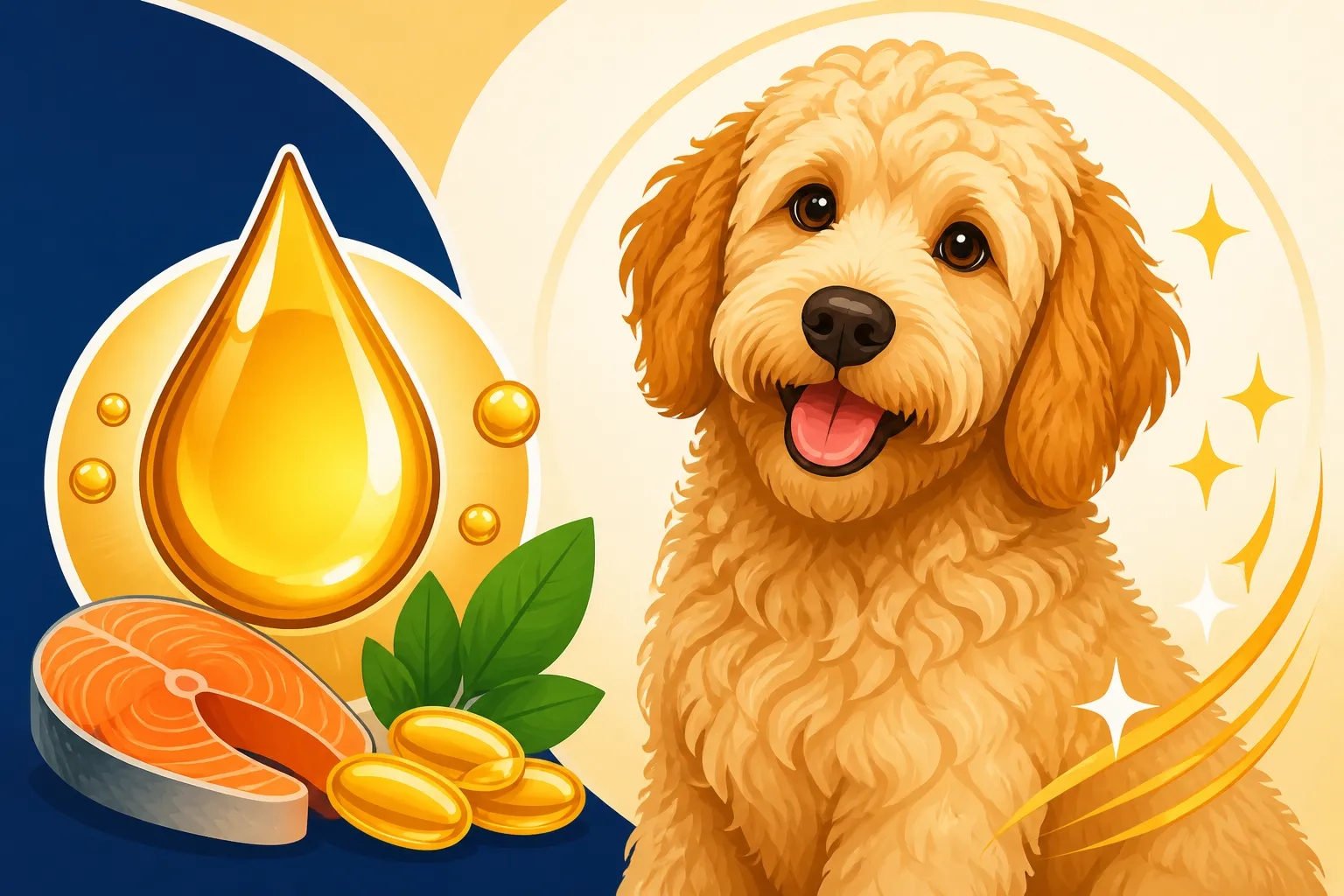
Omega-3 fatty acids, particularly eicosapentaenoic acid (EPA) and docosahexaenoic acid (DHA), are the ones that get all the rave reviews for their anti-inflammatory properties. These are typically found in cold-water fish like salmon, mackerel, and sardines, as well as in certain algae. For a Goldendoodle, the anti-inflammatory benefits of EPA and DHA can be incredibly valuable. Many common Goldendoodle skin issues, such as itching, redness, and some forms of allergies, stem from underlying inflammation. By helping to calm this internal irritation, omega-3s can reduce scratching, improve skin comfort, and create a healthier environment for hair growth. Imagine your Goldendoodle finally getting relief from that persistent itch – it’s a game-changer! These fatty acids also contribute directly to the strength and luster of the hair shaft, leading to a softer, shinier coat that’s less prone to dryness and breakage. When you see a Goldendoodle with a truly glowing coat, chances are they're getting ample omega-3s.
Omega-6s: Essential for Skin Barrier Function (and the importance of balance)
Omega-6 fatty acids, such as linoleic acid (LA) and gamma-linolenic acid (GLA), are also essential for canine health, playing a vital role in maintaining the skin's barrier function. They contribute to healthy skin cell growth and the production of ceramides, which are crucial lipids that form a protective layer on the skin, sealing in moisture and keeping irritants out. You often find omega-6s in vegetable oils like sunflower, safflower, and corn oil, as well as in poultry fat. However, here's the kicker: while essential, omega-6s are often overrepresented in commercial pet foods, especially those relying heavily on common animal fats and grains. The crucial aspect isn't just getting enough omega-6s, but ensuring a healthy balance with omega-3s. An imbalance, particularly too many omega-6s relative to omega-3s, can actually promote inflammation, counteracting the benefits you're trying to achieve. It's like having too much of a good thing that then turns bad. This is why simply adding more oil without considering the existing diet can sometimes worsen issues rather than solve them.
Omega-9s: A Supporting Role in Overall Health
While omega-3s and omega-6s are the "essential" fatty acids your Goldendoodle must get from their diet, omega-9s (like oleic acid, found abundantly in olive oil and canola oil) are also important. The body can produce omega-9s on its own, so they aren't strictly "essential" in the same way. However, they still contribute to overall cellular health and can offer additional support for healthy skin and coat. They work synergistically with omega-3s and omega-6s, helping to maintain cell membrane flexibility and potentially playing a role in reducing inflammation, although their anti-inflammatory effect isn't as pronounced as that of omega-3s. Think of them as excellent supporting cast members that enhance the performance of the main stars. While you wouldn't necessarily seek out a dedicated omega-9 supplement, ensuring a diverse and balanced diet that naturally includes these fatty acids can only further bolster your Goldendoodle's skin and coat health.
Here’s a quick overview of the main omega types and their key benefits:
| Omega Type | Primary Sources | Key Benefits for Goldendoodles | Importance |
|---|---|---|---|
| Omega-3 | Fish oil (salmon, sardine), algae | Anti-inflammatory, reduces itching, promotes coat shine | Essential |
| Omega-6 | Vegetable oils, poultry fat | Maintains skin barrier, supports cell growth, moisture retention | Essential |
| Omega-9 | Olive oil, canola oil | Supports overall cell health, works with other omegas | Beneficial |
Sourcing and Administering Omega Oils for Your Goldendoodle
So, you're convinced that omegas are beneficial for your Goldendoodle (and I hope you are!). Now, how do you actually get them into your dog's diet effectively and safely? It's not as simple as grabbing any old bottle off the shelf.
Choosing the Right Omega Supplement for Your Doodle
The market is flooded with omega supplements, and it can be overwhelming to pick the right one. First and foremost, look for supplements derived from sustainable, wild-caught fish or algae. This helps ensure higher purity and potency, with less risk of contaminants. High-quality fish oil will typically list EPA and DHA content clearly on the label – these are the numbers you want to pay attention to. For a Goldendoodle, the dosage will depend heavily on their size, so make sure to follow the manufacturer's recommendations or, even better, consult with your vet. Avoid products that don't specify their omega-3 content or seem overly cheap, as they might contain fillers or oxidized oils that are ineffective or even harmful. Brands like Nordic Naturals, Zesty Paws, and Grizzly Salmon Oil are often well-regarded for their purity and concentration. You can often find a wide selection of these options on platforms like Chewy or Amazon, allowing you to read reviews and compare products. Remember, a good supplement should also ideally contain a natural preservative like vitamin E to prevent oxidation once the bottle is opened.
Integrating Omega Oils into Their Diet
Once you've chosen a quality supplement, integrating it into your Goldendoodle's diet is usually quite straightforward. Most liquid fish oils come with a pump or dropper, making it easy to add the recommended dose directly to their food once or twice a day. Many dogs find the taste appealing, mistaking it for a treat! If your Goldendoodle is a bit finicky, you can try mixing it thoroughly with a small portion of wet food or a spoonful of plain yogurt to mask the taste. Some supplements also come in softgel capsules, which can be given directly or hidden in a pill pocket. Consistency is key here; omega oils aren't a one-time fix but a long-term nutritional support. Don't expect immediate results; it often takes several weeks, sometimes even a couple of months, of consistent supplementation to see a noticeable improvement in coat quality and skin health. Patience really is a virtue when you're waiting for those healthy fats to work their magic from the inside out. For those considering fresh food options, some brands like Ollie incorporate beneficial omegas directly into their recipes, which can be a convenient way to ensure your Goldendoodle is getting these vital nutrients without adding separate supplements.
Potential Side Effects and Considerations
While omega oils are generally safe and beneficial, there are a few considerations and potential side effects to be aware of. The most common mild side effects are digestive upset, such as loose stools or diarrhea, especially if you introduce the supplement too quickly or give too high a dose. Always start with a lower dose and gradually increase it over a week or two to allow your Goldendoodle's system to adjust. Another common complaint is "fishy breath" or a fishy odor from their coat, which is usually harmless but can be a bit unpleasant. This can sometimes be mitigated by adjusting the dosage or trying an algae-based omega-3 supplement. In rare cases, high doses of fish oil can impact blood clotting, so it's always best to discuss supplementation with your vet, especially if your Goldendoodle has any pre-existing health conditions, is on other medications, or is scheduled for surgery. They can help you determine the appropriate dosage and monitor for any adverse reactions. It's particularly important to discuss Goldendoodle Vomiting and When It Matters or Goldendoodle Diarrhea Lasting More Than Two Days with your vet if you notice these symptoms after starting a new supplement.
Beyond Supplements: A Holistic Approach to Coat Health
While omega oils are fantastic, they're not a magic bullet. A truly healthy Goldendoodle coat comes from a comprehensive approach that includes a good diet, consistent grooming, and regular veterinary care. It’s all interconnected, and one weak link can undermine the whole chain.
The Role of Diet and Grooming in a Healthy Coat
Omega supplements work best when they're part of an already balanced and high-quality diet. If your Goldendoodle's primary food source is lacking in essential nutrients, or if it contains ingredients that trigger allergies or inflammation, the omega oils will have to work overtime just to counteract those negative effects. Look for dog foods with whole ingredients, appropriate protein sources, and balanced fat content. Checking a dog food’s ingredient list on a site like Chewy can help you find suitable options, or exploring fresh food services like Ollie. You might also want to consult What to Look For on a Goldendoodle Food Bag. Beyond nutrition, regular and thorough grooming is non-negotiable for a Goldendoodle. Their unique coats, whether wavy or curly, are highly prone to matting. Even with the healthiest skin and coat, neglect will lead to painful mats that pull at the skin and create breeding grounds for bacteria. Daily brushing, especially line brushing down to the skin, is crucial, as is professional grooming every six to eight weeks. Supplements can make the coat healthier and easier to manage, but they don't brush the dog for you! Understanding Brushing a Goldendoodle Often Enough to Stop Matting is fundamental.
When to Consult Your Vet About Coat Issues
While adding omega oils can improve many common coat issues, it's essential to know when to seek professional veterinary advice. If your Goldendoodle is experiencing severe itching, persistent skin redness, hair loss, skin lesions, or any signs of infection (like pus, foul odor, or excessive crusting), a trip to the vet is definitely in order. These symptoms could indicate underlying conditions such as allergies, fungal infections, parasitic infestations, or even hormonal imbalances that require specific medical treatment beyond dietary supplements. Your vet can perform diagnostic tests, such as skin scrapings, blood work, or allergy testing, to pinpoint the exact cause of the problem. They can also offer guidance on appropriate supplements, adjusting dosages based on your dog's individual needs, weight, and existing health conditions. Don't try to self-diagnose or rely solely on supplements for serious or worsening skin problems. Your vet is your best partner in ensuring your Goldendoodle's overall health, including that fabulous coat. It’s better to be safe than sorry, especially when discomfort could be easily alleviated with the right diagnosis and treatment.
Disclaimer
This article is for general informational purposes only and does not constitute professional advice. Laws, prices and regulations vary by location and change over time. Consult a qualified professional for guidance on your specific situation.