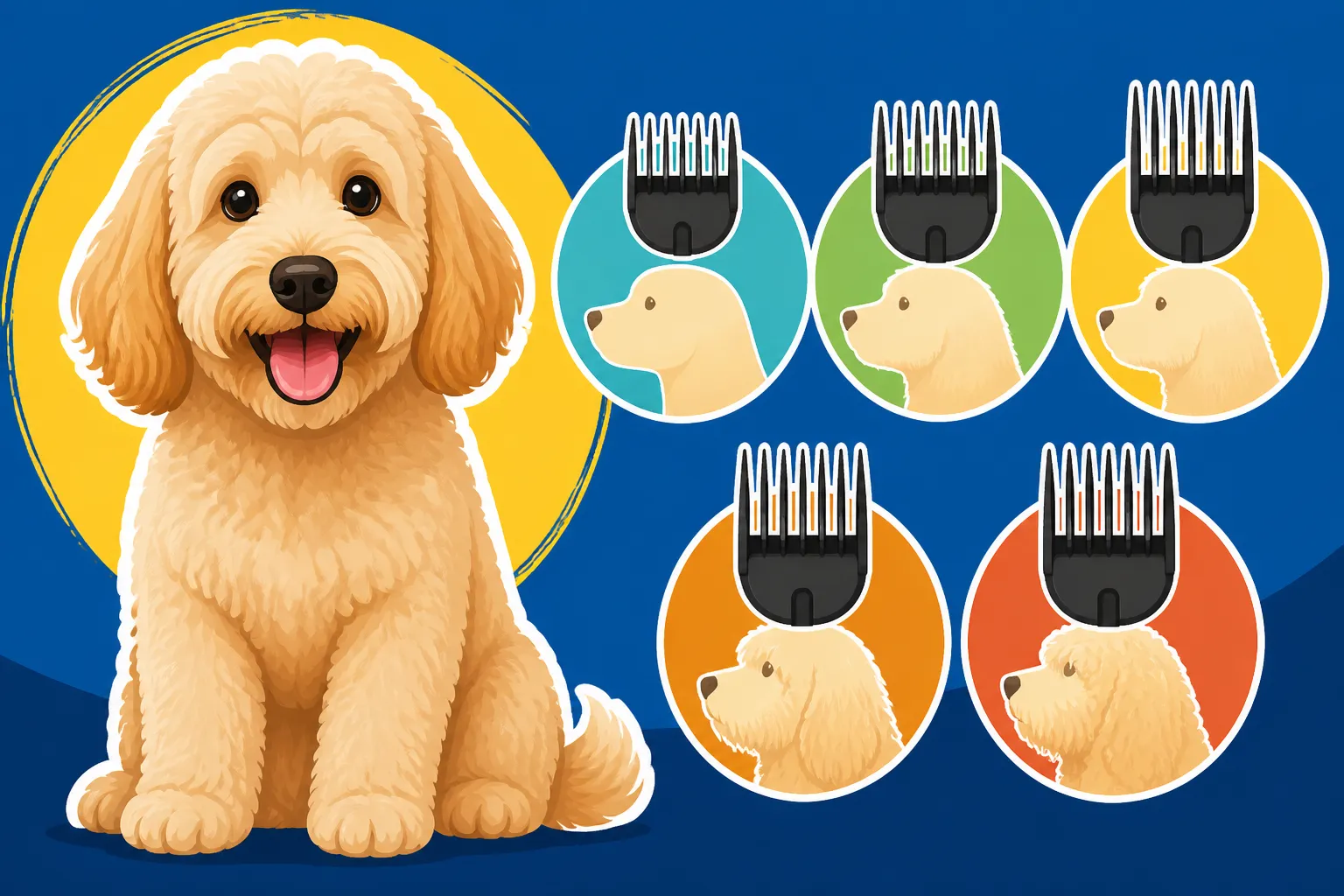
Blade Lengths for a Goldendoodle Haircut
Oh, the sheer bewilderment of standing in front of a wall of clipper blades, each numbered or marked with an obscure fraction, trying to figure out which one will give your beloved Goldendoodle that perfect, fluffy look you’ve been dreaming of! It’s a common frustration, believe me, and it leaves many of us feeling like we need a grooming degree just to pick the right tool. This guide is here to untangle the mystery of clipper blade lengths and help you confidently choose the right one for your Goldendoodle, whether you're grooming at home or communicating your desires to a professional.
Understanding Clipper Blades and Goldendoodle Coats
Before we dive into specific lengths, it’s really helpful to grasp the basics of what these blades are and how they interact with your Goldendoodle’s unique coat. It's not just about the number on the blade; it's about the material, the cut style, and most importantly, your dog's individual hair texture and density.
The Different Types of Clipper Blades
Clipper blades are essentially two pieces of metal, or ceramic and metal, that move together to cut hair. The number on the blade indicates the length of hair left behind after the cut. A lower number generally means more hair left, unless it’s a specialty blade like a #10 or #15, which cut very short.
Most blades you’ll encounter are either steel or ceramic. Steel blades are durable and sharp, but they can heat up quickly, potentially causing clipper burn if you're not careful. Ceramic blades, on the other hand, tend to stay cooler for longer, which can be a real blessing for dogs with sensitive skin or during longer grooming sessions. Many groomers use coolants and keep multiple blades on hand to switch out frequently, ensuring the blades never get too hot against a dog's skin. You can often find a good selection of both types of blades on sites like Chewy or Amazon, making it easier to compare and choose what suits your needs.
How Coat Type Influences Blade Choice
Goldendoodles come with a delightful variety of coats, often categorized as straight, wavy, or curly. This isn't just about aesthetics; it significantly impacts how a blade will perform and what the final look will be.
- Straight/Flat Coats: These coats are often soft and less dense, resembling more of the Golden Retriever parent. When clipping, these coats tend to lie flatter, and you might find that a certain blade length leaves the hair looking slightly longer than it would on a curly coat, simply because it doesn't have the "spring" of the curl.
- Wavy Coats: This is perhaps the most common Goldendoodle coat, offering that lovely shaggy, teddy bear look. Wavy coats respond well to most blade lengths, but you'll notice that the waves give the coat more volume. A medium blade length on a wavy coat will still appear quite fluffy.
- Curly/Woolly Coats: Resembling the Poodle parent, these coats are dense and tightly curled. They are often the most prone to matting and require consistent grooming. When using a blade on a curly coat, the hair tends to spring up, making the cut appear shorter than it would on a straight coat of the same blade length. This is why a curly Goldendoodle might need a slightly longer blade length to achieve a truly "fluffy" look compared to their wavy counterparts. Understanding The Three Goldendoodle Coat Types and How to Tell Them is key to making informed grooming decisions.
The "Goldendoodle Coat Change" Factor
If you're bringing home a Goldendoodle puppy, be prepared for "the coat change." This often occurs between eight and twelve months of age, when the soft, fluffy puppy coat is replaced by the denser, more mature adult coat. This period is notorious for matting, and it can throw a wrench into your grooming plans.
During the coat change, hair can become incredibly dense and prone to tangles. What worked fine on the puppy coat might not work at all on the transitioning adult coat. You might find that blades "drag" or snag, and comb attachments simply won't glide through. This is when shorter blades might become necessary to get through the density or to remove stubborn mats, even if it means a temporarily shorter look than you desired. It's a critical time when patience and frequent brushing become your best friends, and sometimes, a professional groomer's expertise is invaluable. Many owners are surprised by The Goldendoodle Coat Change at Eight to Twelve Months.
Common Blade Lengths for Goldendoodle Body Trims
Choosing the right blade length for your Goldendoodle's body trim is a balancing act between aesthetics, maintenance, and your dog's comfort. Let's break down the most common options and what kind of look they deliver.
Longer Blade Lengths for a Fluffy Look (e.g., #1, #0, 1/2 inch combs)
If you love that shaggy, full, "teddy bear" look, you'll be reaching for longer blade attachments, typically referred to as "snap-on combs" or "guard combs." These plastic or metal combs attach over a standard #30 or #40 blade (which acts as the feeder blade, guiding the hair into the comb) and allow you to leave a significant amount of hair length.
- Comb Attachments (e.g., 1/2 inch, 3/4 inch, 1 inch): These are fantastic for achieving longer, fluffier styles. A 1-inch comb attachment will leave hair approximately one inch long, creating a very full and luxurious coat. The "teddy bear cut" often uses these longer comb attachments on the body, combined with careful scissor work on the face and legs. These are great for cooler weather or for those who simply adore the full Goldendoodle fluff. The downside is that longer coats require significantly more frequent brushing – often daily – to prevent mats, especially in active dogs or those with very curly coats. Neglecting this will lead to painful matting. For more on this popular style, check out The Goldendoodle Teddy Bear Cut.
- #0, #1, #2 blades (rarely used for full body): While these exist as actual metal blades, they are less commonly used for full body Goldendoodle trims aiming for length because they are often skip tooth blades. Skip tooth blades have teeth that are spaced further apart and are designed to "feed" more hair into the cutting surface, making them effective for removing bulk but potentially leaving a less smooth finish. For a consistent, smooth cut at these longer lengths, groomers almost always opt for comb attachments over a fine-toothed blade.
Medium Blade Lengths for Practicality (e.g., #4F, #5F, #7F)
These are arguably the most popular blade lengths for Goldendoodle owners seeking a balance between a fluffy appearance and manageable maintenance. The "F" after the number stands for "Finish" or "Full Tooth," meaning the blade has a full set of teeth that are close together, resulting in a smooth, finished cut.
- #7F (approx. 1/8 inch / 3.2mm): This blade leaves a neat, short look, but still provides a slight amount of plushness. It's a great choice for dogs who tend to get hot easily, or for those whose owners want a low-maintenance coat that's less prone to matting. It's also a common choice for summer cuts, as it removes enough hair to help with cooling while still offering some sun protection.
- #5F (approx. 1/4 inch / 6.4mm): A #5F blade is very popular, leaving a soft, velvety feel. It's long enough to still show some of the Goldendoodle's natural curl or wave, but short enough to significantly reduce daily brushing time compared to longer styles. This length is a fantastic middle-ground for many active families.
- #4F (approx. 3/8 inch / 9.5mm): This length provides a slightly longer, fuller look than the #5F, offering a good amount of fluff while remaining practical. It’s a favorite for that classic "puppy cut" look on an adult Goldendoodle, giving plenty of coat without being overwhelmingly long.
When considering these medium lengths, think about your Goldendoodle's lifestyle. If they love rolling in the mud or swimming, a slightly shorter, practical cut might save you a lot of grief. While these lengths are shorter, it's still wise to monitor for Goldendoodle Summer Cuts and Sunburn on very fair-skinned dogs.
Shorter Blade Lengths for Low Maintenance (e.g., #10, #15)
Sometimes, very short blades are necessary, whether for health reasons, severe matting, or specific areas of the body. These blades cut hair very close to the skin and should be used with extreme caution, especially by inexperienced groomers.
- #10 Blade (approx. 1/16 inch / 1.6mm): This is a standard blade for sanitary trims, paw pads, and often used around the eyes and mouth for a clean look. It cuts quite short, leaving a smooth finish. For many Goldendoodles, this is the shortest blade used on the body, usually only in severely matted areas where no other option exists.
- #15 Blade (approx. 3/64 inch / 1.2mm): Even shorter than a #10, the #15 blade is used for very precise, very short work, sometimes for specific medical purposes or in very delicate areas. It’s generally too short for full body trims on a Goldendoodle unless absolutely necessary due to extreme matting or skin conditions requiring air exposure.
- #30 and #40 Blades (even shorter): These blades cut hair to a mere stubble and are rarely, if ever, used for cosmetic grooming on Goldendoodles. They are often used under comb attachments, or in veterinary settings for surgical prep. Using them directly on a Goldendoodle's body by an amateur is almost guaranteed to cause irritation or clipper burn. When a Goldendoodle arrives at the groomer with severe, pelted mats, sometimes the only humane option is to shave the entire coat very short. This is one of the reasons Why a Groomer Shaves a Matted Goldendoodle to the skin.
Specific Areas and Specialized Blades
Grooming isn't just about the body; different parts of your Goldendoodle require different approaches and, sometimes, different blades. Paying attention to these areas is crucial for your dog's comfort and hygiene.
Face, Paws, and Sanitary Area Blades
These delicate or high-traffic areas often benefit from specific blade choices to ensure cleanliness, comfort, and a tidy appearance.
- Sanitary Trims: For the belly and rear end, a #10 blade is the most common choice. This length helps keep these areas clean and free from urine or fecal matter, which can easily get trapped in longer Goldendoodle hair. A tidy sanitary area is vital for hygiene and comfort. This is usually part of Trimming a Goldendoodle's Sanitary Area.
- Paw Pads: Hair growing between the paw pads can cause your Goldendoodle to slip on hard floors and can collect debris, leading to discomfort or infections. A #10 blade is ideal for carefully trimming this hair flush with the pads, providing better traction and keeping the paws cleaner. For more details, consider Trimming Hair Between Goldendoodle Paw Pads.
- Face and Eyes: For around the eyes, nose, and mouth, many groomers use a #10 blade or even just small, blunt-nosed scissors. The goal is to keep hair out of your Goldendoodle's eyes to prevent irritation and allow them to see clearly, and to keep the beard area neat and clean after meals. Some prefer a scissor-cut face for a softer, fuller look, while others opt for a tighter trim with a blade, especially for convenience.
Avoiding Clipper Burn and Skin Irritation
Clipper burn is a real concern, especially when using shorter blades or if blades become too hot. It manifests as red, irritated skin, sometimes with bumps, and can be quite painful for your dog.
- Keep Blades Cool: Always have cooling spray on hand or multiple blades to switch out frequently. If a blade feels warm to your touch, it's too hot for your dog's skin.
- Proper Technique: Use smooth, even strokes, always going in the direction of hair growth unless you specifically intend to go against the grain for a shorter cut (which is not recommended for beginners). Avoid pressing down too hard on the skin.
- Stretch the Skin: Especially in areas with loose skin, gently stretch the skin taut to create a flat surface for the blade. This helps prevent nicks and allows for a smoother cut.
- Check for Redness: After grooming, inspect your Goldendoodle’s skin for any signs of redness or irritation. If you see any, apply a soothing balm designed for pets.
When to Seek Professional Help
While home grooming can be rewarding and save money, there are times when a professional groomer is truly indispensable.
- Severe Matting: If your Goldendoodle has developed dense, pelted mats, please, please do not try to cut them out yourself with scissors. This is incredibly dangerous and can easily result in severe cuts to the skin. A professional groomer has the right tools and expertise to safely remove mats, even if it means shaving the coat very short. Why Groomers Refuse Some Goldendoodles can be an eye-opener for owners who don't understand the dangers of severely matted coats.
- First-Time Grooming: Your Goldendoodle’s first few professional grooms can set the stage for a lifetime of comfortable grooming experiences. A pro can introduce them to the sounds and sensations gently.
- Complex Cuts: If you envision a specific, intricate style, a professional groomer has the skill and eye for detail to achieve it.
- Behavioral Challenges: If your Goldendoodle is particularly anxious or reactive to grooming, a professional groomer may have specialized training and techniques to make the experience less stressful for your dog.
Here's a quick overview of common blade lengths and their uses:
| Blade/Comb Length | Approximate Hair Length Left | Typical Goldendoodle Use | Notes |
|---|---|---|---|
| 1 inch Guard Comb | 1 inch | Very fluffy body, "teddy bear" look | Requires daily brushing, prone to matting |
| 3/4 inch Guard Comb | 3/4 inch | Fluffy body, slightly less maintenance | Still needs frequent brushing |
| 1/2 inch Guard Comb | 1/2 inch | Fuller body, good volume and softness | Excellent for that shaggy-chic look |
| #4F Blade | 3/8 inch (9.5 mm) | Popular body length, good balance of fluff & upkeep | "Puppy cut" on an adult, less prone to matting than combs |
| #5F Blade | 1/4 inch (6.4 mm) | Smooth body, velvety feel, easy maintenance | Great for active dogs, good for warmer weather |
| #7F Blade | 1/8 inch (3.2 mm) | Very short body, neat look, minimal maintenance | Good for hot climates, active dogs, or allergy sufferers |
| #10 Blade | 1/16 inch (1.6 mm) | Sanitary areas, paw pads, around eyes/mouth, matted spots | Standard for hygiene, can cause clipper burn if not careful |
| #15 Blade | 3/64 inch (1.2 mm) | Very short, precise work (e.g., medical), extreme matting | Use with extreme caution, rarely for full cosmetic trims |
Home Grooming Tools and Resources
Deciding to groom your Goldendoodle at home, even partially, can be a fantastic way to bond and save on costs. But just like any skilled task, having the right tools and knowing how to care for them makes all the difference.
Essential Clipper and Blade Care
Your clippers and blades are an investment, and proper care will extend their lifespan and ensure a safe, smooth cut every time. Dull or dirty blades can pull hair, cause pain, and lead to clipper burn.
- Cleaning After Each Use: After every grooming session, brush off all loose hair from the blade and housing. You can use a small brush that often comes with clipper kits. Then, wipe the blade clean with a blade cleaner or a cloth dampened with disinfectant.
- Oiling Regularly: Blades need lubrication to run smoothly and prevent friction heat. Apply a few drops of clipper oil across the teeth of the blade and along the cutting surfaces before, during (if needed), and after each use. Let the clippers run for a few seconds to distribute the oil.
- Storage: Store your blades in a dry, safe place where they won't get nicked or dropped. Blade cases are excellent for this.
- Sharpening: Eventually, even with the best care, blades will dull. Instead of buying new ones every time, look for professional blade sharpening services. Many groomers or specialized shops offer this, and it’s a cost-effective way to maintain your tools. You can find quality clipper oils and cleaners on Chewy or Amazon, which are crucial for keeping your blades in top condition.
Finding Quality Grooming Supplies
The market is flooded with grooming tools, and it can be hard to sift through them to find what’s truly effective for a Goldendoodle’s coat. Invest in quality from the start; cheap tools often break easily, perform poorly, and can make the grooming experience unpleasant for both you and your dog.
- Clippers: Look for professional-grade clippers with a strong motor (rotary motors are usually best for Goldendoodles). Corded clippers tend to have more consistent power, while cordless offer greater flexibility. Brands like Andis, Oster, and Wahl are popular among professionals.
- Blades: As discussed, investing in sharp, durable blades (steel or ceramic) is key. Don't skimp on these. You'll likely need a variety of lengths, including your preferred body blade and a #10 for sanitary work.
- Brushes and Combs: A good slicker brush and a sturdy metal comb are non-negotiables for Goldendoodle owners. They are essential for daily brushing to prevent mats, regardless of your chosen blade length. For more on this, check out The Slicker Brush and Comb a Goldendoodle Needs.
- Shampoo and Conditioner: Choose high-quality dog-specific products that are moisturizing and gentle on the skin, as bathing is often part of the grooming process.
Learning from the Pros (Videos, Classes)
Don't feel like you have to figure it all out alone! There's a wealth of information available to help you master home grooming.
- Online Tutorials: YouTube is an incredible resource. Search for "Goldendoodle grooming tutorials" or "how to use dog clippers." Watch several videos to get different perspectives and techniques. Pay attention to how professional groomers hold their clippers, stretch the skin, and handle the dog.
- Grooming Classes: Some pet stores or local community centers offer basic dog grooming classes. This hands-on experience with an instructor can be invaluable for building confidence and correcting technique.
- Talk to Your Groomer: If you do take your Goldendoodle to a professional, don't be afraid to ask them for tips! Most groomers are happy to share advice on brushing techniques, what tools they recommend, or how to maintain the coat between visits. They can give you specific advice tailored to your Goldendoodle's unique coat type and behavior. Remember that training your Goldendoodle early to be comfortable with handling is crucial; consider Why Goldendoodle Grooming Training Starts Week One.
Mastering blade lengths for your Goldendoodle haircut is a journey, not a destination. It involves understanding your dog's coat, your lifestyle, and the tools at your disposal. With a little practice, patience, and the right equipment, you'll be able to keep your Goldendoodle looking sharp and feeling comfortable, whether you prefer a short, practical cut or a long, flowing coat.
Disclaimer
This article is for general informational purposes only and does not constitute professional advice. Laws, prices and regulations vary by location and change over time. Consult a qualified professional for guidance on your specific situation.