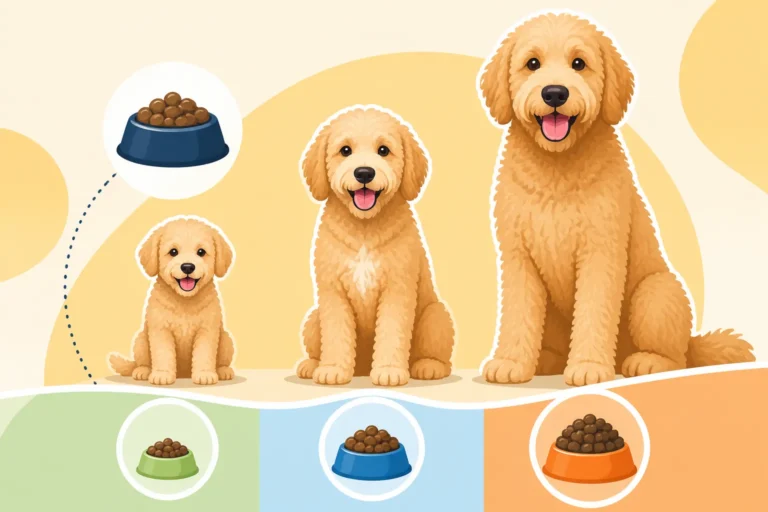
What to Look For on a Goldendoodle Food Bag
Bringing a Goldendoodle into your life is pure joy, but standing in the pet food aisle can quickly turn that joy into overwhelming confusion. Every bag screams "best for your dog!" and the sheer volume of ingredients, buzzwords, and nutritional claims can make you feel like you need a veterinary degree just to pick out dinner. It’s a common frustration, and one I’ve definitely faced myself. This guide is here to cut through the noise, helping you understand exactly what to look for on a Goldendoodle food bag so you can make an informed, confident choice for your furry family member.
Decoding the Ingredient List: More Than Just Buzzwords
The ingredient list on any dog food bag is arguably the most crucial piece of information, yet it’s often the most opaque. It's listed by weight, meaning the first few ingredients make up the bulk of what your Goldendoodle will be eating. This section is where you really need to put on your detective hat and learn to distinguish between genuine quality and clever marketing.
The First Five Ingredients: Quality Matters Most
When you pick up a bag of Goldendoodle food, immediately scan the first five ingredients. This is where you'll find the most concentrated components of the food. What you want to see at the top is a whole, identifiable protein source. Think "chicken," "beef," "salmon," or "lamb." These are whole meat sources that provide essential amino acids for your Goldendoodle's muscles and overall health.
You might also see "chicken meal" or "lamb meal" high on the list, and that’s actually a good thing! Don't let the word "meal" scare you. A meat meal is simply meat that has had most of its water removed before cooking, resulting in a more concentrated protein source. This means more protein punch per serving than fresh meat, which is mostly water. What you absolutely want to avoid are vague terms like "meat by-products" or "animal digest" in the top spots. These terms are non-specific and can include anything from beaks and feathers to hooves and hair, which offer very little nutritional value and are often less digestible for your dog. For a breed like a Goldendoodle, which thrives on good nutrition, starting with high-quality protein is non-negotiable.
Understanding Grains, Legumes, and Carbs
There's been a lot of talk over the years about grain-free diets, and it's easy to get caught up in the hype, thinking grains are inherently bad. For most Goldendoodles, quality grains like brown rice, oats, barley, or quinoa are perfectly healthy and provide excellent sources of complex carbohydrates, fiber, and essential nutrients. These complex carbs offer sustained energy, which is particularly important for an active Goldendoodle who loves to play and explore. They're also usually easier to digest than some of the alternative starches.
On the flip side, some grain-free diets replace grains with high amounts of legumes like peas, lentils, and chickpeas, or with potatoes. While these can also provide carbohydrates and protein, there's been discussion about a potential link between diets high in certain legumes and potatoes and a heart condition called dilated cardiomyopathy (DCM) in some dogs. The science on this is still developing and isn't a reason for panic, but it does highlight the importance of a balanced diet from a reputable brand. If you're considering a grain-free diet, make sure it's for a specific, diagnosed medical reason (like an allergy) and discuss it thoroughly with your vet. Otherwise, don't be afraid of quality grains; they can be a very beneficial part of your Goldendoodle's diet.
Fats and Omega Fatty Acids: Essential for Coat and Brain
Fats are not the enemy! In fact, they are crucial for your Goldendoodle's health, providing concentrated energy, aiding in nutrient absorption, and playing a vital role in skin and coat health. When you look at the ingredient list, search for identifiable fat sources such as chicken fat, salmon oil, flaxseed, or sunflower oil. These are excellent sources of essential fatty acids.
Specifically, pay attention to omega-3 and omega-6 fatty acids. The right balance of these is key to maintaining that luscious Goldendoodle coat, keeping it shiny and healthy, and preventing dry, flaky skin. A Goldendoodle's beautiful coat, whether wavy or curly, can be prone to various issues, and proper nutrition is a frontline defense against problems like Goldendoodle Skin and Coat Disease. Omega-3s, often found in fish oils, also support brain health, vision, and can help reduce inflammation throughout the body. Many premium brands, even those found on platforms like Chewy or Amazon, will proudly highlight their inclusion of these beneficial fats. Don't underestimate the power of good fats; they're more than just energy providers; they're health boosters!
| Ingredient Type | What to Look For (Good) | What to Limit/Avoid (Less Good) | Why It Matters for Goldendoodles |
|---|---|---|---|
| Protein | Chicken, Salmon, Lamb, Beef, Turkey (whole or meal) | "Meat By-Products," "Animal Digest" | Essential for muscle development, energy, and overall health; Goldendoodles are active dogs. |
| Carbohydrates | Brown rice, Oats, Barley, Quinoa, Sweet Potato | Excessive corn, soy, wheat (if sensitive), high legume content without veterinary guidance | Provides sustained energy for their active lifestyle; fiber aids digestion. |
| Fats | Chicken Fat, Salmon Oil, Flaxseed, Sunflower Oil | Hydrogenated fats, unidentified animal fats | Critical for skin and coat health, preventing dryness and matting; supports brain function. |
| Fiber | Beet Pulp, Chicory Root, Peas, Lentils, Pumpkin | Too much insoluble fiber (can reduce nutrient absorption) | Aids digestion, promotes gut health, helps manage weight. |
| Additives | Mixed Tocopherols (Vitamin E), Rosemary Extract | Artificial colors, flavors, chemical preservatives (BHA, BHT, Ethoxyquin) | Natural preservatives are safer; artificial additives can sometimes trigger sensitivities. |
Nutritional Guarantees and AAFCO Statements: What Do They Mean?
Beyond the ingredient list, there are other crucial details on a dog food bag that often go overlooked. These guarantees and statements are not just legal jargon; they're promises about the food's nutritional completeness and suitability for your Goldendoodle's life stage.
The AAFCO Statement: Your Goldendoodle's Nutritional Baseline
The Association of American Feed Control Officials (AAFCO) statement is one of the most important things to find on a dog food bag. This statement tells you that the food is "complete and balanced" for a specific life stage, which means it contains all the necessary nutrients in the correct proportions for that stage. You'll typically see phrases like:
- "Formulated to meet the nutritional levels established by the AAFCO Dog Food Nutrient Profiles for all life stages."
- "Formulated to meet the nutritional levels established by the AAFCO Dog Food Nutrient Profiles for growth and reproduction."
- "Formulated to meet the nutritional levels established by the AAFCO Dog Food Nutrient Profiles for adult maintenance."
For a Goldendoodle puppy, especially a standard size, selecting a food that states "growth" or "all life stages" is critical, but specifically look for those that are also tailored for Large Breed Puppy Food for a Standard Goldendoodle. These formulas are designed with controlled calcium and phosphorus levels to support proper bone and joint development, which is vital for preventing future orthopedic issues in rapidly growing dogs. An "all life stages" food means it's suitable for puppies, adults, and seniors, but a specific "growth" formula is often preferred for puppies to ensure optimal development during those crucial first months.
Guaranteed Analysis: Protein, Fat, Fiber, and Moisture
The Guaranteed Analysis section provides a breakdown of the minimum percentages of crude protein and crude fat, and the maximum percentages of crude fiber and moisture. While these percentages are useful, comparing them directly between wet and dry foods can be tricky because of the differing moisture content. To get an accurate comparison, you need to calculate the "dry matter basis" for each nutrient.
Here's a quick way to do it:
- Subtract the moisture percentage from 100% to get the dry matter percentage.
- Divide the nutrient percentage (e.g., crude protein) by the dry matter percentage, then multiply by 100.
For instance, a dry food might have 25% protein and 10% moisture (90% dry matter). On a dry matter basis, it's 25 / 0.90 = 27.7% protein. This helps you compare apples to apples. Generally, for a Goldendoodle, you'll want to see protein levels in the 20-30% range for adults and higher for puppies (around 25-30%), with fat typically between 10-20%. Fiber is important for digestion, but too much can sometimes inhibit nutrient absorption. These numbers give you a valuable snapshot of the food's composition, guiding your choice for your Goldendoodle's specific needs, whether they are an energetic adult or a playful senior requiring specific Senior Goldendoodle Care and Coat Changes.
Added Vitamins, Minerals, and Probiotics
Once you've considered the macro-nutrients, take a moment to glance at the micro-nutrients: the vitamins and minerals. Reputable dog food brands will include a comprehensive list of these, ensuring your Goldendoodle gets everything they need for optimal health. Look for "chelated" minerals (e.g., "zinc proteinate" instead of just "zinc sulfate"), as these are bound to amino acids, making them much easier for your dog's body to absorb.
Beyond the basics, many high-quality Goldendoodle foods now include probiotics or prebiotics. These are beneficial bacteria and fibers that support a healthy gut microbiome, which is crucial for digestion and immune function. Given that Goldendoodles can sometimes have sensitive stomachs or develop issues like Gut Support for a Goldendoodle With a Messy Beard, the inclusion of these digestive aids can be a significant plus. Brands available on platforms like Amazon or through specialty pet retailers often detail these additions in their ingredient breakdown, highlighting their commitment to your dog's overall wellness.
Avoiding Red Flags and Making the Best Choice for Your Goldendoodle
Choosing the right food isn't just about what's good; it's also about what to avoid. Learning to spot potential red flags can save your Goldendoodle from unnecessary health issues and discomfort.
Artificial Additives, Dyes, and Undisclosed Ingredients
Just like with human food, artificial additives in dog food are generally best avoided. Look closely at the ingredient list for artificial colors (often listed as "FD&C Red No. 40," "Blue No. 2," etc.), artificial flavors, and chemical preservatives like BHA (butylated hydroxyanisole), BHT (butylated hydroxytoluene), and ethoxyquin. While approved for use in pet food, there are ongoing concerns about their long-term health effects.
Instead, opt for foods that use natural preservatives such as mixed tocopherols (a form of Vitamin E), rosemary extract, or Vitamin C (ascorbic acid). These natural alternatives keep the food fresh without introducing potentially harmful chemicals. Also, be wary of vague ingredient descriptions. If you see "animal fat" without specifying the animal, or "natural flavors" without elaboration, it means the manufacturer isn't being fully transparent about their sourcing. For Goldendoodles, whose beautiful coats and sensitive systems deserve the best, opting for natural, clearly defined ingredients is a wise choice.
Ingredient Sourcing and Manufacturing Transparency
Knowing where a company sources its ingredients and where its food is manufactured can provide immense peace of mind. Many reputable brands will openly state this information on their packaging or on their website. "Made in USA" is a common claim, but it doesn't necessarily mean all ingredients are sourced within the U.S. Some companies import ingredients and then process them domestically. Look for brands that go a step further, specifying that their ingredients are globally sourced with stringent quality checks or locally sourced from specific regions.
Transparency also extends to a company's recall history. While no company is entirely immune to recalls, a responsible company will be open about past issues and demonstrate how they've addressed them. A quick online search can often reveal this information. Brands that are transparent about their sourcing and manufacturing processes generally show a greater commitment to quality control and safety, which is paramount for your Goldendoodle's health. You want to feel confident that the food you’re buying, whether from Chewy, Ollie, or your local pet store, meets high standards.
Considering Your Goldendoodle's Unique Needs
Ultimately, the "best" Goldendoodle food isn't just about reading the bag; it's about what works best for your individual dog. Every Goldendoodle is unique, and their dietary needs can shift throughout their life. A puppy needs different nutrition than an adult or a senior. Highly active Goldendoodles, like those engaged in dog sports, will require more calories and protein than a more sedentary companion. For instance, Adult Goldendoodle Exercise by Size Category can significantly impact their caloric needs.
Furthermore, Goldendoodles can develop sensitivities or allergies, often manifesting as itchy skin or digestive upset. If your Goldendoodle is constantly scratching or has loose stools, you might need to look for specific formulas. Goldendoodle Food Allergies Showing on the Skin is a common concern that often requires a change in diet, sometimes to a limited ingredient or novel protein diet. Also, consider their dental health, especially smaller Goldendoodles who can be prone to Dental Crowding in a Toy Goldendoodle Mouth. Some foods are designed with kibble shapes or textures to help reduce plaque. Always observe your Goldendoodle for signs of good health – a shiny coat, good energy, firm stools, and a healthy weight – as these are the ultimate indicators that their food is hitting the mark. Goldendoodle Weight Gain and the Strain on Joints is another important consideration, making proper portion control and appropriate calorie count essential.
Where to Find Good Information and How to Transition Foods
Navigating the world of dog food is an ongoing journey. Knowing where to turn for reliable advice and how to safely change your Goldendoodle's diet are final crucial steps.
Reputable Resources and Vet Consultation
When you're trying to decide what to look for on a Goldendoodle food bag, the first and best resource should always be your veterinarian. They know your Goldendoodle's specific health history, age, activity level, and any underlying conditions that might influence dietary choices. Don't hesitate to bring the bag you're considering to your next appointment or send them a photo for their opinion. For more complex cases, your vet might even recommend a consultation with a board-certified veterinary nutritionist.
Beyond your vet, trustworthy online resources can be helpful. Reputable pet food review sites and academic veterinary sites often provide unbiased information about ingredients, recalls, and nutritional standards. Major online retailers like Chewy and Amazon are also valuable, not just for purchasing but for reading customer reviews, especially those from other Goldendoodle owners. Just remember to sift through the anecdotal evidence for consistent patterns and always cross-reference with professional advice.
The Slow Switch: Protecting Your Goldendoodle's Stomach
Once you've picked a new food, resist the urge to switch your Goldendoodle's diet cold turkey. A sudden change can easily lead to an upset stomach, resulting in Goldendoodle Vomiting and When It Matters or Goldendoodle Diarrhea Lasting More Than Two Days. The key is a slow, gradual transition over 7 to 10 days.
Start by mixing about 25% new food with 75% old food for a few days. If your Goldendoodle tolerates it well, move to a 50/50 mix for another few days, then 75% new and 25% old, finally transitioning completely to the new food. Monitor your dog closely during this time for any signs of digestive upset, changes in energy, or appetite. If you notice any issues, slow down the transition or consult your vet. Some Goldendoodles thrive on fresh food options, with brands like Ollie offering pre-portioned, human-grade meals that can sometimes be gentler on sensitive digestive systems, making transitions smoother for some dogs. Remember that a smooth transition is as important as the food itself in maintaining your Goldendoodle's well-being. And always be mindful of What a Goldendoodle Should Never Eat to keep them safe and healthy.
Disclaimer
This article is for general informational purposes only and does not constitute professional advice. Laws, prices and regulations vary by location and change over time. Consult a qualified professional for guidance on your specific situation.