Why a Goldendoodle Cannot Be Called a Breed
It can be incredibly confusing when you first fall in love with a Goldendoodle. You see them everywhere, people talk about their "breed traits," and you naturally assume you're dealing with a recognized breed like a Golden Retriever or a Poodle. But then you start digging a little deeper, maybe looking for breed clubs or official breed standards, and you hit a wall. Suddenly, the language shifts, and you hear things like "designer dog" or "crossbreed." This guide is here to unravel that mystery, explaining precisely why your beloved Goldendoodle, despite its popularity and widespread appeal, isn't actually considered a "breed" in the traditional sense, and what that means for you as an owner.
What Defines a Canine Breed?
When we talk about a "breed" in the canine world, we're not just talking about dogs that look similar or share some characteristics. There's a formal, historical, and often quite rigorous definition that many people aren't even aware of until they start looking into purebred dog registries. It's about consistency, predictability, and a governing body.
Consistency in Appearance and Temperament
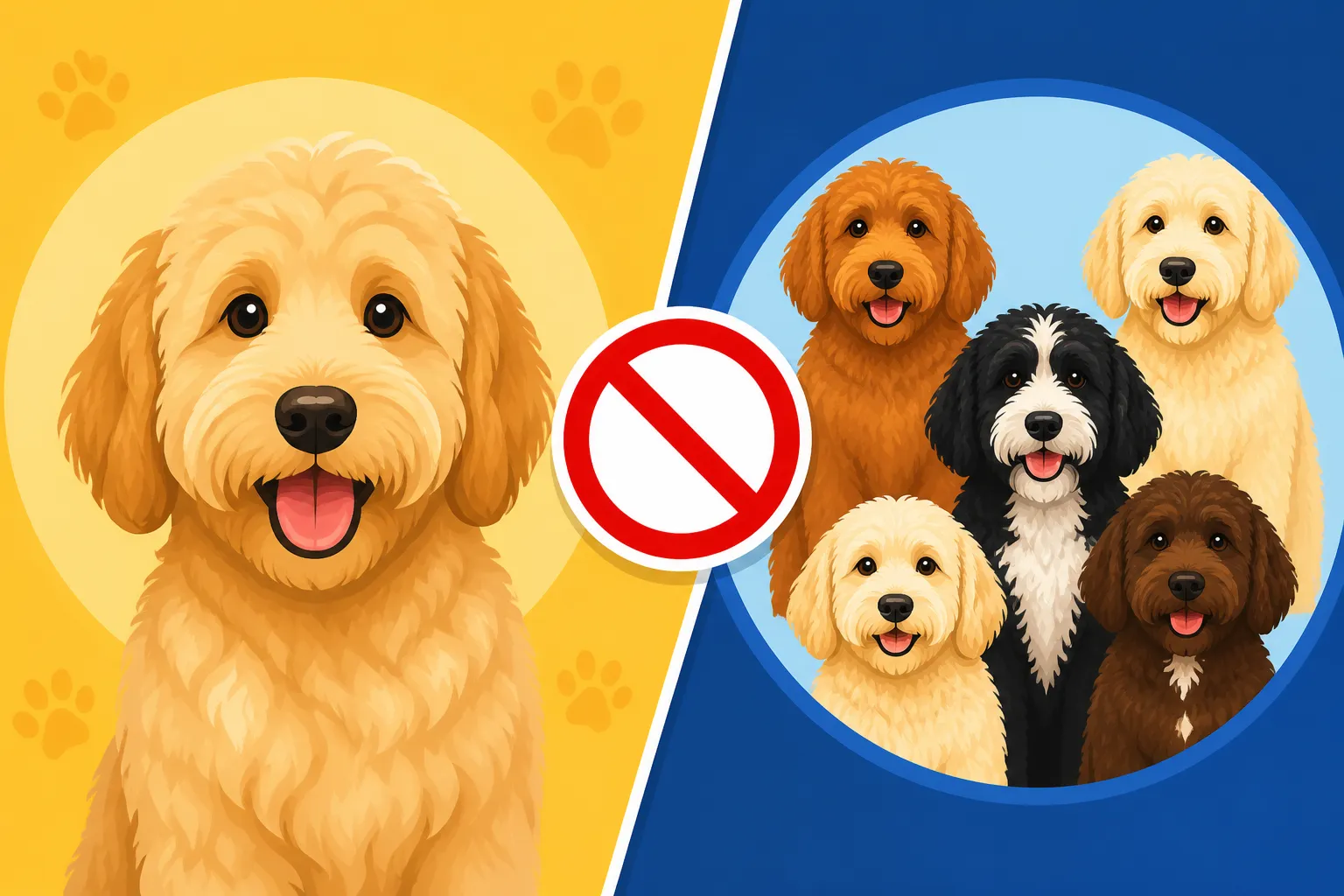
The most fundamental aspect of a recognized breed is its ability to consistently produce offspring that look and act a certain way. Think about a Labrador Retriever: you know generally what size it will be, what its coat texture will feel like, and what kind of energetic, friendly personality it will likely have. This isn't by accident; it's the result of generations of selective breeding. Breeders work tirelessly to preserve specific traits according to a written standard. For a Goldendoodle, that consistency simply isn't there across the board. You can see a vast range of coat types, sizes, and even temperamental nuances within different Goldendoodle litters, or even within the same litter, because their genetic makeup is still quite varied.
Established Breed Standard and Governing Body
A true breed has a written "breed standard." This is a detailed description of the ideal dog of that breed, covering everything from coat color and texture to ear set, tail carriage, gait, and even temperament. These standards are developed and maintained by a parent breed club, an organization dedicated to the preservation and improvement of that specific breed. This club then works with major kennel clubs, like the American Kennel Club (AKC), to ensure dogs meet these standards. They maintain official pedigrees, run events, and set the rules for breeding. Because the Goldendoodle is a crossbreed, there is no single, universally recognized parent club that dictates a specific standard, nor is there a unified studbook tracking generations in the way that purebreds are recorded. While groups like GANA (Goldendoodle Association of North America) exist and strive for responsible breeding practices, they don't hold the same recognized status as, say, the Golden Retriever Club of America. This is a key difference when considering What a Goldendoodle Actually Is and Is Not.
Multi-Generational Breeding and Predictability
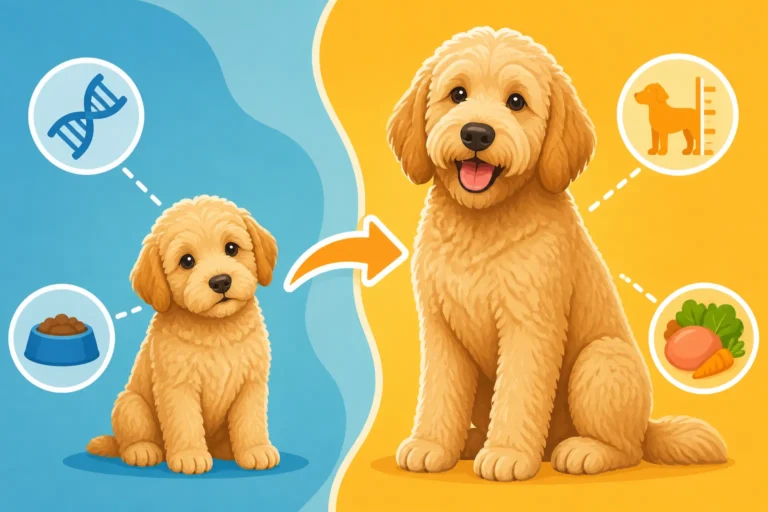
For a dog type to transition from a "crossbreed" to a "breed," it typically requires many generations of breeding true to type. This means breeding two dogs of that specific type together and consistently producing offspring that closely match the breed standard. This process can take decades, even centuries, to solidify traits and eliminate unwanted variations. Goldendoodles, even multi-generational ones, often still exhibit significant variability. An F1 Goldendoodle, the first cross between a Golden Retriever and a Poodle, is famously unpredictable in its coat and temperament, drawing traits from both distinct parent breeds. Even F1b and multigen Goldendoodles, while often more consistent in certain aspects like coat type, still don't have the same genetic predictability that comes from hundreds of years of closed-registry breeding. This lack of predictable outcomes, even after a few generations, prevents them from being considered a stable, established breed.
The Goldendoodle's Journey: From Cross to Companion
The Goldendoodle’s story is a fascinating one, born out of a desire to combine the best traits of two beloved purebreds. Understanding its origins helps explain why it sits in the unique position of being incredibly popular, yet not officially a "breed."
The Intentional Crossbreed Idea
The concept of crossing a Golden Retriever with a Poodle didn't emerge out of random chance; it was a deliberate attempt to create a companion dog with specific qualities. The Golden Retriever is renowned for its friendly, eager-to-please temperament and its strong retrieving drive, making it a fantastic family dog. The Poodle, on the other hand, is highly intelligent, possesses a low-shedding coat (often touted as "hypoallergenic"), and also has a gentle nature. The hope was to combine the Golden's wonderful disposition with the Poodle's intelligence and non-shedding qualities, creating an ideal family pet, particularly for those with allergies. This intentional cross started gaining traction in the 1990s, following the success of the Labradoodle, which pioneered the "designer dog" movement.
From F1 to Multi-Generational Goldendoodles
The journey of the Goldendoodle often begins with the F1 generation, which is a direct cross between a purebred Golden Retriever and a purebred Poodle. These dogs have a 50/50 genetic split, and their traits can be quite varied. Some might have a straighter, more Golden-like coat, while others might lean more Poodle with tight curls. It's a real genetic lottery! To increase the likelihood of certain traits, like the coveted low-shedding coat, breeders then introduced subsequent generations. An F1b Goldendoodle, for example, is typically a backcross of an F1 Goldendoodle to a purebred Poodle, aiming for a higher percentage of Poodle genetics and often a curlier, lower-shedding coat.
As interest grew, breeders continued with F2 (F1 x F1) and then "multi-generational" Goldendoodles, where Goldendoodles are bred to other Goldendoodles for several generations. The goal with multigens is to stabilize traits and achieve more predictability in terms of coat, size, and temperament. However, even with multi-generational breeding, the genetic diversity from their two distinct parent breeds means they still don't produce the consistent offspring required for true breed recognition. This journey from initial cross to multiple generations is what contributes to the wide array of Goldendoodle Generations From F1 to Multigen we see today.
The Role of Responsible Breeders (and Why It's Challenging)
Because there isn't a single, universally recognized breed standard or governing body, the responsibility for ethical breeding practices largely falls on individual breeders and voluntary associations. Responsible Goldendoodle breeders often go above and beyond, performing comprehensive health testing on their parent dogs, similar to what purebred breeders would do. They test for common conditions in both Golden Retrievers and Poodles, such as hip and elbow dysplasia, eye conditions like Progressive Retinal Atrophy, and heart issues. You should always ask a breeder for proof of Health Testing Both Goldendoodle Parents Should Have to ensure you're getting a healthy puppy. However, without official oversight from a kennel club, there's also a significant challenge in regulating practices, which can lead to inconsistencies in health and quality across different breeding programs. This also affects What a Goldendoodle Puppy Costs and Why, as prices can vary wildly depending on the breeder's commitment to these standards.
Why Kennel Clubs Don't Register Goldendoodles
This is often where the rubber meets the road for prospective Goldendoodle owners. You might wonder why, given their immense popularity, they aren't recognized by major organizations like the American Kennel Club (AKC) in the United States or The Kennel Club in the UK. The answer lies in the fundamental requirements for breed recognition.
Requirements for AKC Recognition
The American Kennel Club, as the primary purebred dog registry in the U.S., has very specific and stringent criteria for recognizing a new breed. It's not just about a dog being popular or having desirable traits. Generally, these criteria include:
- A large, sustained population: There must be a significant number of dogs of that type across multiple generations.
- Geographic distribution: The dogs must be bred in various regions of the country, not just localized to a few breeders.
- A dedicated parent club: This club must have a written breed standard and maintain a registry of at least 300-400 dogs from at least 40 different litters, with geographical diversity among the breeders. This club also demonstrates a commitment to the breed's health and welfare over many years.
- Consistency in type: The dogs must consistently produce offspring that adhere to the established breed standard, meaning little variation in appearance, temperament, and health predispositions across generations.
- A history of at least three successive generations: This shows a stability in breeding true to type.
The Goldendoodle, despite its large numbers, simply doesn't meet the "consistency in type" or the "dedicated parent club with a unified breed standard" criteria in the way the AKC requires. While groups exist to promote responsible breeding, they don't have the long-standing, universally adopted breed standard or closed registry system that established breeds do. This is a core reason Why the AKC Will Not Register a Goldendoodle.
The Role of a "Closed" Studbook
A recognized breed operates with a "closed studbook." This means that only dogs whose parents are already registered members of that specific breed can be registered as purebreds themselves. There's a clear lineage, a verifiable family tree that goes back many generations within that single breed. For Goldendoodles, the studbook isn't closed; it's inherently open to introducing new Golden Retriever and Poodle genetics at any stage. An F1 Goldendoodle, for instance, is the result of breeding two different registered purebreds. This constant influx of new genetic material from the parent breeds, while offering genetic diversity, is contrary to the closed studbook principle essential for breed recognition. Even with multi-generational breeding, if new purebreds are still being introduced to create new lines, it maintains the "crossbreed" status rather than moving towards a self-sustaining breed.
The Debate and Future of Recognition
There's an ongoing debate within the dog world about "designer dogs" like the Goldendoodle. Proponents highlight their wonderful temperaments, potential for reduced shedding, and the excitement of genetic diversity. Critics often point to the lack of health testing by some irresponsible breeders and the unpredictability of traits. Some enthusiasts hope that with continued selective breeding, Goldendoodles might one day achieve breed status, but it would require a massive, concerted effort to standardize traits across many generations and establish a single, unified parent club with a rigorous breed standard that breeders globally adhere to. This is a long, arduous process, and for now, the Goldendoodle remains a beloved crossbreed, cherished for its unique blend of qualities rather than a strict adherence to a standard.
The Realities of Owning a Goldendoodle Crossbreed
Understanding that your Goldendoodle isn't a traditional "breed" isn't a negative thing; it simply means approaching ownership with slightly different expectations and responsibilities. It highlights the importance of thorough research, especially when it comes to genetics, health, and what you can expect from your furry companion.
Variability in Traits: Coat, Size, and Temperament
One of the biggest realities of owning a Goldendoodle is the potential for variability. Unlike a purebred where you have a strong expectation of what you'll get, Goldendoodles can be a delightful surprise package. Their coats can range from wavy and shaggy to tightly curled and woolly. This impacts grooming significantly, as some coats are more prone to matting than others. Goldendoodle Grooming as the Biggest Line in the Budget is a reality many owners face, especially with curlier, denser coats. Size can also vary wildly depending on the Poodle parent, leading to everything from tiny Toy Goldendoodles to large Standard Goldendoodles. Even temperament, while generally friendly and intelligent, can lean more towards the playful energy of a Golden or the more reserved, keen intelligence of a Poodle. This means meeting the specific puppy's parents and understanding their individual traits is crucial, rather than relying on a universal "breed standard."
Health Considerations Without a Unified Breed Scheme
For purebreds, parent clubs often establish official health schemes, making recommendations for specific genetic tests relevant to their breed. While responsible Goldendoodle breeders do health test their parent dogs, there isn't one single, universally mandated health scheme that all Goldendoodles must adhere to through a recognized kennel club. This means you, as an owner, need to be diligent in asking breeders about the specific health clearances they perform, looking for certifications like OFA (Orthopedic Foundation for Animals) for hips, elbows, and heart, and CERF (Canine Eye Registry Foundation) for eyes. Knowing about conditions prevalent in both parent breeds is essential, such as hip dysplasia from the Golden Retriever side or Addison's disease from the Poodle side. For deeper insight, you can explore resources like The Goldendoodle Hybrid Vigor Claim and Where It Breaks to understand the nuances of crossbreed health.
Choosing a Reputable Breeder: More Critical Than Ever
Because there's no overarching governing body like a kennel club, choosing a reputable Goldendoodle breeder is arguably even more critical than with a purebred. A good breeder for a crossbreed needs to be transparent about the health of both parent lines, provide genetic testing results, explain the different Why Goldendoodle Prices Vary by Generation and Size, and be willing to answer all your questions about their breeding practices. They should be breeding for health and temperament first and foremost, not just "designer" colors or coat types. They should also be able to explain the genetic background of their dogs, including generations and expected traits. Don't be shy about asking for references or visiting their facility if possible. Many excellent breeders will also share insights into What a Goldendoodle Breeder Spends on Testing to show their commitment. When you get your puppy, companies like Chewy offer fantastic starter kits and ongoing supplies, but finding the right Goldendoodle means doing your homework on the breeder first.
| Feature | Recognized Breed (e.g., Golden Retriever) | Crossbreed (e.g., Goldendoodle) |
|---|---|---|
| Genetic Consistency | High; predictable traits over generations | Moderate to low; significant variability, especially F1 |
| Breed Standard | Yes, a detailed written standard by a parent club | No universally recognized standard; breeder-specific goals |
| Kennel Club Status | Registered and recognized (e.g., AKC) | Not recognized by major kennel clubs; may have hybrid registries |
| Studbook | Closed; only purebred parents can register offspring | Open; parent breeds are distinct purebreds; no closed lineage |
| Health Schemes | Often standardized by parent club and kennel club | Relies on individual breeder's commitment to parent breed tests |
| Predictability | High in appearance, temperament, and health tendencies | Moderate; can vary significantly even within a single litter |
In conclusion, while the Goldendoodle may not be a "breed" in the official, kennel club sense, its unique blend of traits, intelligence, and affectionate nature has cemented its place as a beloved companion. Understanding its crossbreed status simply empowers you to make more informed decisions, appreciate its individuality, and ensure you're supporting ethical breeding practices that prioritize the health and welfare of these wonderful dogs.
Disclaimer
This article is for general informational purposes only and does not constitute professional advice. Laws, prices and regulations vary by location and change over time. Consult a qualified professional for guidance on your specific situation.