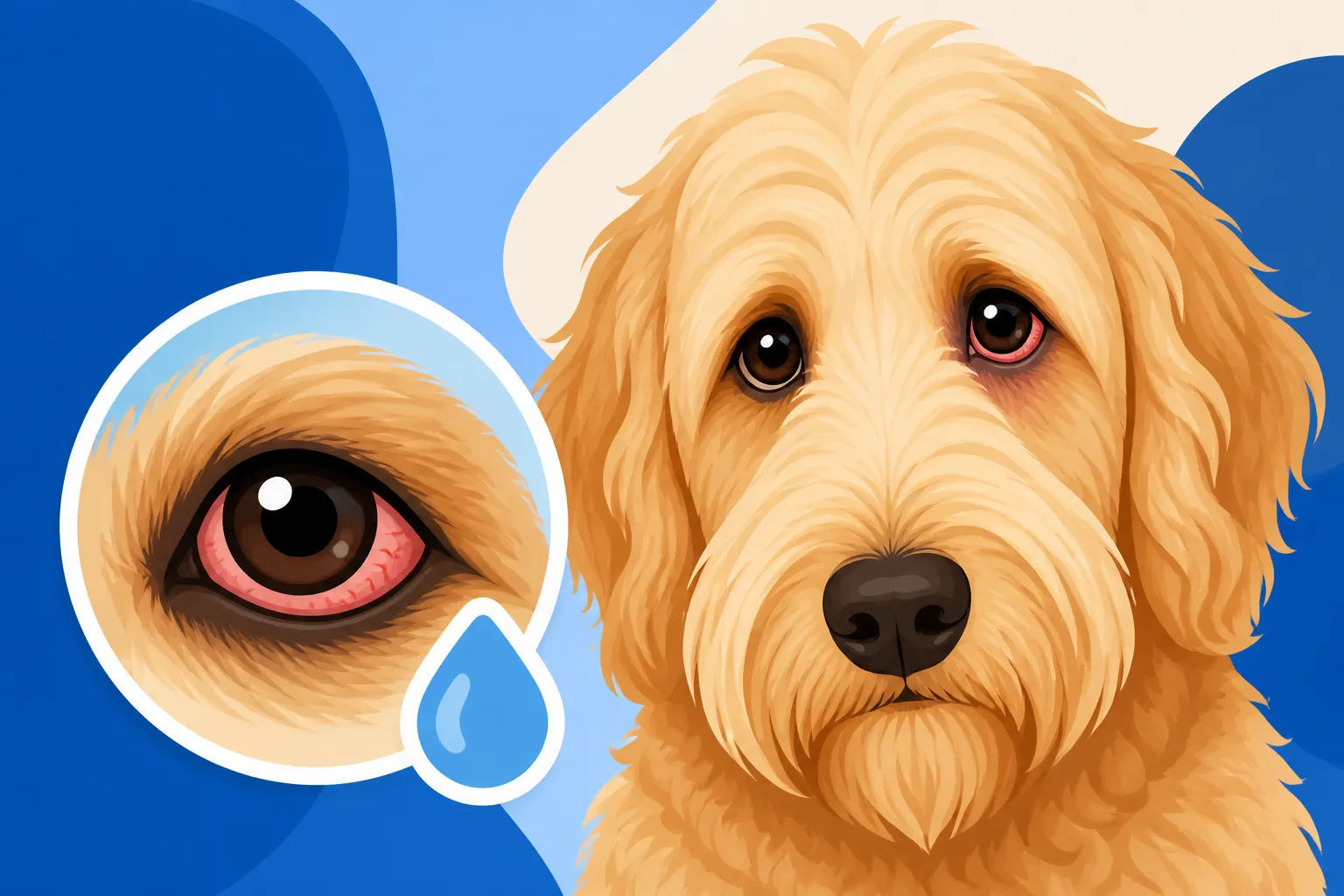
Dry Eye in a Goldendoodle With Long Face Hair
If you've ever found your Goldendoodle squinting, rubbing their eyes, or sporting gunky discharge that just won't quit, you know the frustration. It's especially tough when their gorgeous, fluffy face hair makes it nearly impossible to get a good look at what's going on or keep things clean. This guide is here to shed some light on a common, yet often misunderstood, issue in our beloved Doodles: dry eye, specifically how it's impacted by that luscious long facial hair, and what you can do about it.
Understanding Goldendoodle Dry Eye
Dry eye, or Keratoconjunctivitis Sicca (KCS) as your vet might call it, isn't just an annoyance; it's a chronic, progressive condition that can lead to significant discomfort and even permanent vision damage if left untreated. It happens when your dog’s eyes don't produce enough tears, or the tears they do produce aren't of the right quality to lubricate and protect the eye adequately.
What is Keratoconjunctivitis Sicca (KCS)?
Normally, tears are a complex mix of water, oils, and mucus, all working together to keep the eye surface smooth, nourished, and free from debris and bacteria. When this delicate balance is disrupted, and tear production drops, the eye becomes dry, inflamed, and vulnerable. Imagine how uncomfortable your own eyes feel when they're dry and gritty – now picture that, but all the time, for your dog. The lack of proper lubrication means friction every time they blink, leading to irritation, redness, and pain.
This isn't just about watery eyes or a bit of gunk; it's a serious health concern. Without adequate tear film, the cornea, the clear outer layer of the eye, can become damaged. You might see a dull appearance to the eye, or in severe chronic cases, pigmentation (dark spots) or even corneal ulcers develop, which are incredibly painful and can threaten your dog's sight. Early detection and consistent management are absolutely key to preserving your Goldendoodle's eye health and comfort.
Why Goldendoodles Are Prone to Dry Eye
Goldendoodles, inheriting traits from both the Golden Retriever and the Poodle, unfortunately, can inherit predispositions to certain health conditions, and dry eye is one that often traces back to their Poodle lineage. Standard Poodles, in particular, are known to have a higher incidence of KCS, making it a condition Goldendoodle owners need to be aware of. It's not a given that every Goldendoodle will develop it, but the genetic blueprint from the Poodle side definitely increases the odds.
Beyond genetics, the very features that make our Goldendoodles so adorable – that long, flowing facial hair and the deep-set eyes – can inadvertently exacerbate or mask dry eye problems. The hair around their eyes can trap environmental irritants like dust, pollen, and debris, which then rub against the delicate eye surface, contributing to inflammation and further drying. Moreover, the dense fur can wick away what little tear film is present, preventing it from doing its job. It's a cruel irony that their charming looks can complicate their eye health.
Common Symptoms You Might Miss
Catching dry eye early in a Goldendoodle can be tricky precisely because of their wonderful, shaggy faces. What might look like typical "doodle eye gunk" could actually be a significant symptom. You might assume it's just a bit of morning sleep, but persistent, thick, yellowish, or greenish discharge is a major red flag. This discharge is often mucus and pus accumulating because there aren't enough healthy tears to wash it away.
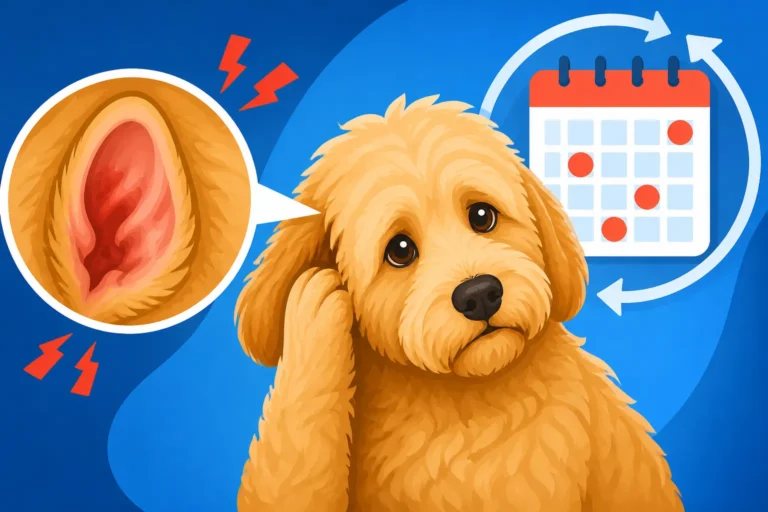
Other signs include persistent redness of the conjunctiva (the pink tissue around the eye), frequent blinking or squinting, and even rubbing at their face with a paw or against furniture. The eyes might appear dull or "sticky." If your Goldendoodle's eyes look less shiny or clear than usual, or you notice cloudiness that seems to get worse, it's time to pay close attention. It's often easy to miss these subtle changes beneath all that beautiful fur, so a conscious effort to inspect their eyes regularly is crucial. For more on eye health, you might want to read about Progressive Retinal Atrophy and the Goldendoodle Eye Test or Goldendoodle Cataracts and Vision Loss.
The Role of Long Face Hair in Dry Eye
That gorgeous, shaggy Goldendoodle face is part of their charm, but it can also be a significant factor in the development and worsening of dry eye. It's not just about aesthetics; the practicalities of a furnished face directly impact tear film quality and eye irritation.
How Hair Aggravates Eye Irritation
Think about a Goldendoodle's facial hair as a collection of tiny wicks around their eyes. These strands, especially if they are long and constantly brushing against the eye, can actually pull moisture away from the eye's surface. This wicking action prevents the tear film from spreading properly and doing its job of lubricating and cleaning. It’s like trying to water a plant with a leaky hose – the water isn't getting where it needs to go effectively.
Beyond wicking, the hair itself can cause constant mechanical irritation. Each time your Goldendoodle blinks or moves their head, those tiny hairs can brush against the delicate cornea and conjunctiva, leading to microscopic abrasions and chronic inflammation. This irritation can trigger the eye to produce even more thick, mucousy discharge as a protective mechanism, which then gets trapped in the surrounding fur, creating a vicious cycle of discomfort and infection. This is a common issue that often goes unnoticed until the discomfort is significant. You can also see how this relates to similar issues discussed in Goldendoodle Eyelashes That Rub the Cornea.
Grooming Practices to Protect Your Goldendoodle's Eyes
Proper grooming is an absolute non-negotiable for a Goldendoodle, especially concerning their eyes. Keeping the hair around their eyes trimmed short is the first line of defense against dry eye aggravation. This doesn't mean a harsh shave, but a careful, precise trim that prevents hair from touching the eye surface. You can use blunt-nosed scissors or a small clipper attachment, always being incredibly careful and, ideally, having two people for the job – one to hold the dog still and provide treats, and one to trim.
Regular cleaning of the area is also vital. Use a soft, damp cloth (or specific dog eye wipes) to gently clean away any discharge or debris that collects in the fur beneath their eyes. Doing this daily can prevent matting, reduce bacterial buildup, and allow you to inspect their eyes more closely for any early signs of trouble. Teaching your Goldendoodle to tolerate face handling from a young age, as discussed in Trimming a Goldendoodle's Face and Eye Hair, will make these essential routines much easier and less stressful for everyone involved.
Beyond Hair: Other Contributing Factors
While long face hair plays a significant role, it's important to remember that KCS isn't always solely caused by grooming issues. There are other environmental and systemic factors that can contribute to or exacerbate dry eye in Goldendoodles. For instance, living in dry, dusty environments or homes with strong air conditioning or heating can dry out the ambient air, leading to faster evaporation of tears. Exposure to smoke or chemical irritants can also cause eye inflammation.
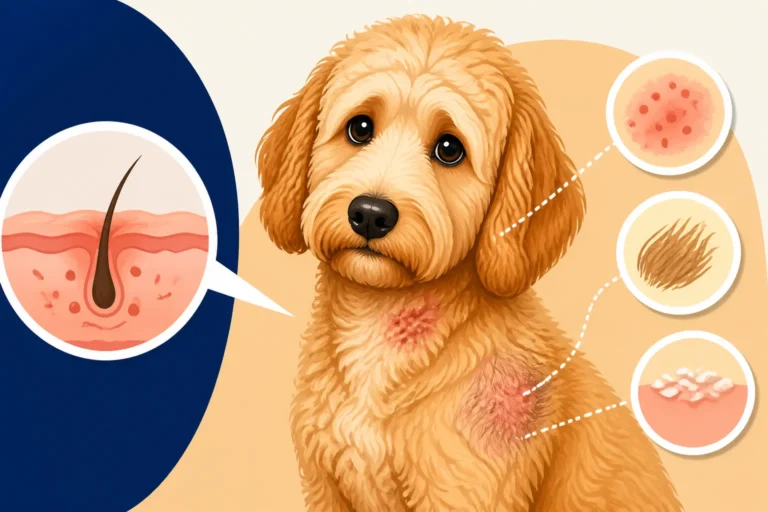
Furthermore, underlying health conditions can impact tear production. Certain autoimmune diseases, infectious diseases, or even some medications can reduce a dog's ability to produce tears. Allergies, which many Goldendoodles are prone to, can also cause chronic eye irritation and redness, sometimes making it difficult to distinguish from KCS. If you notice your Goldendoodle is also dealing with Goldendoodle Allergies and Itchy Skin or general Goldendoodle Skin and Coat Disease, these might be interconnected issues. A comprehensive vet check is essential to rule out these other potential causes and ensure all contributing factors are addressed.
Diagnosing and Managing Goldendoodle Dry Eye
If you suspect your Goldendoodle might be suffering from dry eye, the most important step is a visit to your veterinarian. They have specific tools and tests to accurately diagnose KCS and differentiate it from other eye conditions.
The Schirmer Tear Test
The gold standard for diagnosing KCS is the Schirmer Tear Test. It’s a simple, quick, and painless procedure that measures your dog's tear production. Your vet will place a small, thin strip of filter paper just inside your Goldendoodle's lower eyelid for one minute. The amount of moisture absorbed by the paper indicates how many tears are being produced. A healthy dog will typically saturate more than 15 millimeters of the strip, while anything significantly less than that can indicate KCS.
This test provides a definitive diagnosis and helps your vet determine the severity of the condition. It also forms a baseline against which future treatments can be measured. It’s a straightforward way to get a clear answer and move forward with an appropriate treatment plan. Remember, regular eye checks, as highlighted in The Annual Eye Exam a Goldendoodle Breeder Should Have, are important even if you don't suspect KCS.
Treatment Options for KCS
Once diagnosed, KCS usually requires lifelong management. The goal of treatment is twofold: to stimulate tear production and to keep the eyes comfortable and free from secondary infections. The most common treatments involve specialized eye drops, often containing cyclosporine or tacrolimus, which are immunosuppressants that help increase natural tear production over time. These usually need to be administered daily, sometimes twice a day, every single day for the rest of your dog's life.
In addition to tear stimulators, your vet may prescribe artificial tear supplements to provide immediate lubrication and comfort, especially during the initial phases of treatment. Antibiotic eye drops or ointments might also be necessary if there's a secondary bacterial infection. It’s critical to follow your vet’s instructions meticulously and consistently, as skipping doses can quickly lead to a relapse and worsening of symptoms. This ongoing care, especially for a chronic condition, can be a significant investment, and many Goldendoodle owners find a good pet insurance policy, like those offered by Healthy Paws, invaluable for managing these costs.
Long-Term Management and Prevention
Living with a Goldendoodle with KCS means committing to a routine of regular eye care. This includes consistent medication administration, diligent grooming of the facial hair around the eyes, and frequent cleaning to prevent debris and discharge buildup. You'll likely have follow-up vet appointments to monitor tear production with repeat Schirmer tests and adjust medication as needed. For some Goldendoodles, managing KCS also means addressing underlying issues like The Skin Disease a Goldendoodle Gets From the Poodle Line if it's contributing to overall inflammation.
Environmental modifications, like using humidifiers in dry climates or avoiding irritants, can also make a big difference. And, of course, a healthy diet and lifestyle support overall immune function, which can indirectly aid in managing chronic conditions. The cost of daily eye medications can add up quickly over the years, making pet insurance, such as a plan from Healthy Paws, a wise investment for many Goldendoodle parents facing a chronic diagnosis. It's about maintaining their comfort and vision, which truly impacts their quality of life, especially as they enter their senior years, which you can learn more about in Senior Goldendoodle Care After the Age of Nine. Being proactive and informed is the best way to keep your Goldendoodle's eyes bright and healthy for years to come.
Disclaimer
Please remember, this guide provides general information and insights into Goldendoodle health. It is not a substitute for professional veterinary advice. Always consult with a qualified veterinarian for any health concerns or before making any decisions about your Goldendoodle's care.