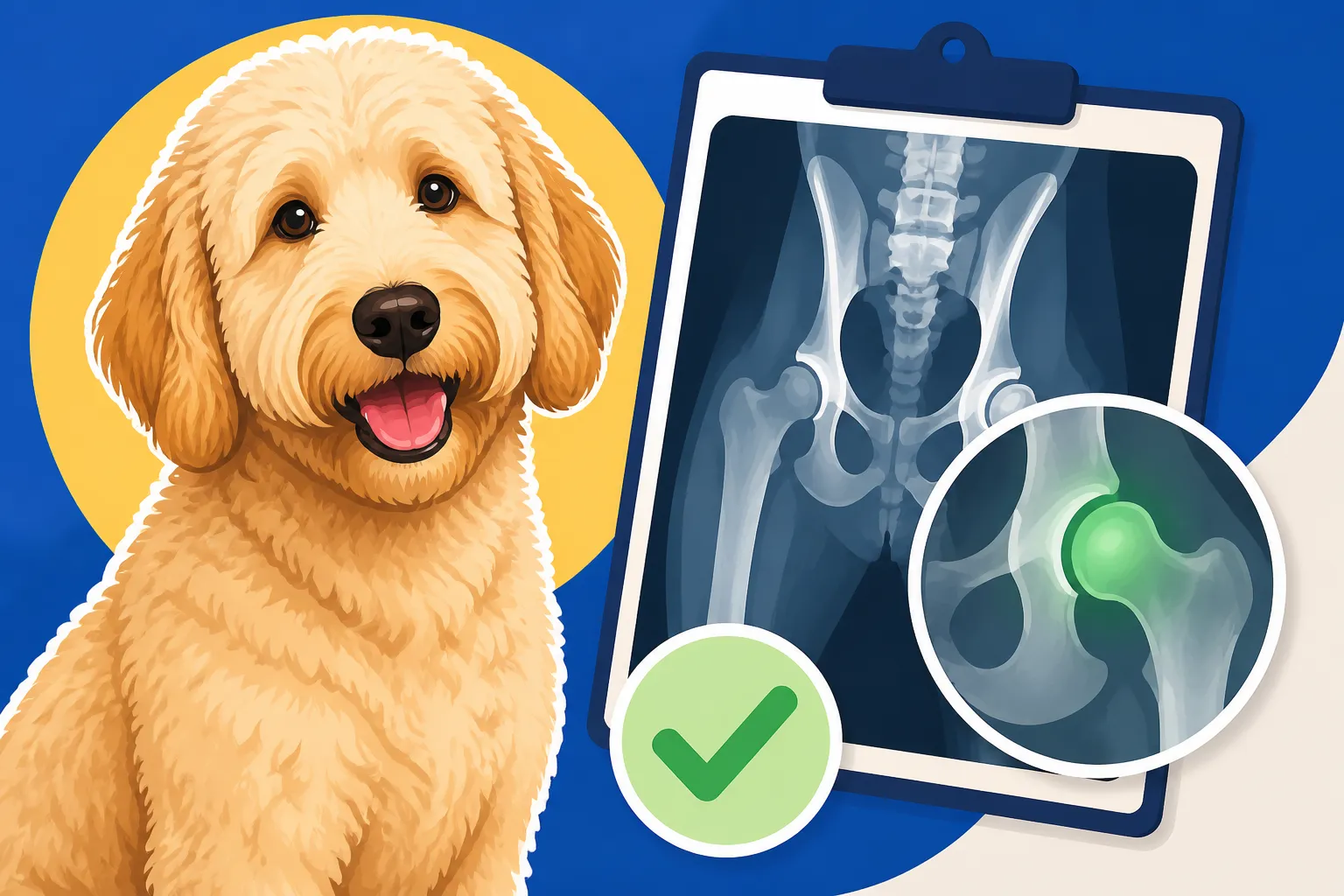
Reading an OFA Hip Result on a Goldendoodle Parent
Choosing a Goldendoodle puppy can feel like navigating a minefield of information, especially when it comes to health testing. Many prospective owners find themselves staring at breeder websites or puppy contracts, seeing acronyms like "OFA" and a string of certificates, but not truly understanding what they mean for their future furry family member. This guide is here to demystify the Orthopedic Foundation for Animals (OFA) hip results, specifically how to read and interpret them for a Goldendoodle parent, empowering you to make the most informed decision possible.
Why OFA Hip Evaluations Are Crucial for Goldendoodles
Hip dysplasia is a heartbreaking reality for many large and giant breed dogs, and unfortunately, Goldendoodles, with their Golden Retriever lineage, can be predisposed to it. It's a condition where the hip joint doesn't form correctly, leading to a loose fit between the ball and socket. Over time, this poor fit causes wear and tear, pain, and eventually debilitating arthritis. Seeing your vibrant Goldendoodle struggle with lameness or discomfort due to hip issues is a situation no owner ever wants to face.
The Orthopedic Foundation for Animals (OFA) is a non-profit organization that, among other things, screens dogs for orthopedic diseases like hip dysplasia. Their evaluations provide a standardized, independent assessment of a dog's hip health. Responsible Goldendoodle breeders understand the importance of this screening and will have their breeding dogs evaluated. While a Goldendoodle isn't a recognized breed by the American Kennel Club (AKC), OFA still provides a vital health registry for these popular crossbreeds, making it a cornerstone of ethical breeding practices. Without a breed club health scheme that mandates testing, it falls to individual breeders to proactively screen their dogs. The goal of OFA hip testing is to identify dogs with healthy hips for breeding, thereby reducing the incidence of hip dysplasia in future generations.
Decoding the OFA Hip Dysplasia Grading Scale
The OFA uses a seven-point grading scale to evaluate canine hips, based on radiographic images (X-rays) submitted by veterinarians. It’s important to know that only the top three grades are considered passing for breeding purposes, indicating healthy hips.
Let's break down each grade:
- Excellent: This is the best possible grade, meaning the hip joint is nearly perfect. There's a deep socket and a very tight fit of the femoral head (ball) into the acetabulum (socket), with virtually no space for movement. If you see this grade on a Goldendoodle parent, it's a fantastic sign.
- Good: These hips are well-formed and healthy, with a good congruent fit of the femoral head and acetabulum. They are considered structurally sound for breeding. This is a common and perfectly acceptable passing grade.
- Fair: While still considered within the normal range and a passing grade, hips graded "Fair" show minor irregularities. The hip joint is congruent, but the femoral head is not as deeply seated as in "Good" or "Excellent" hips. It might suggest a slightly looser fit. For a Goldendoodle parent, a "Fair" grade is still acceptable for breeding, but some breeders may aim for "Good" or "Excellent."
Now, let's look at the grades that indicate hip dysplasia:
- Borderline: This grade is, as the name suggests, on the cusp. It means there are some minor changes that suggest hip dysplasia, but they aren't severe enough for a definitive diagnosis. OFA recommends re-evaluating these dogs at a later date, usually six months to a year, to see if the condition progresses. Dogs with "Borderline" hips should ideally not be bred.
- Mild Dysplasia: Here, definite signs of hip dysplasia are present. There's usually a shallow socket, some subluxation (partial dislocation) of the femoral head, and early signs of degenerative joint disease. Breeding a dog with "Mild Dysplasia" would knowingly pass on a problematic trait.
- Moderate Dysplasia: The hip joint shows significant subluxation and severe changes to the bone, indicating a clear and undeniable case of hip dysplasia. Dogs with this grade would likely experience pain and lameness.
- Severe Dysplasia: This is the worst-case scenario. The hip joint is severely malformed, often with significant subluxation or even full luxation (dislocation). There will be extensive degenerative changes and severe arthritic conditions. A dog with "Severe Dysplasia" would be in constant pain and have a greatly reduced quality of life.
Here's a quick reference table for clarity:
| OFA Hip Grade | Interpretation | Breeding Status |
|---|---|---|
| Excellent | Near perfect hip joint, deep socket, very tight fit. | Pass |
| Good | Well-formed, healthy hips, good congruent fit. | Pass |
| Fair | Minor irregularities, slightly looser fit, still within normal range. | Pass |
| Borderline | Minor changes suggestive of dysplasia, re-evaluation recommended. | Fail (Should not be bred) |
| Mild Dysplasia | Definite signs of hip dysplasia, shallow socket, early degenerative changes. | Fail (Should not be bred) |
| Moderate Dysplasia | Significant subluxation, severe bone changes. | Fail (Should not be bred) |
| Severe Dysplasia | Severely malformed joint, extensive degenerative changes. | Fail (Should not be bred) |
Understanding these grades is your first step. Remember, you're looking for parents with "Excellent," "Good," or "Fair" ratings. Anything less means the risk of inheriting hip issues significantly increases. Even with clear parents, the risk of Goldendoodle Hip Dysplasia at 15 to 20 Percent still exists, but choosing parents with passing OFA scores drastically reduces that likelihood.
Interpreting a Goldendoodle Parent's OFA Report
Once you've grasped the grading scale, the next crucial step is learning how to read an actual OFA report or certificate. Responsible breeders will provide you with copies of their dogs' OFA certificates, but it's always best to verify these results directly on the OFA public database. This ensures authenticity and accuracy. You can usually search by the dog's registered name or OFA number.
When you look at an OFA certificate, here's what to pay close attention to:
Key Information to Verify
- Registered Name and Number: Make sure the name and registration number (if applicable) on the certificate match the parent dog being presented. Sometimes, unscrupulous individuals might present a certificate for a different, unrelated dog.
- Breed: While Goldendoodles aren't an official AKC breed, the OFA database will often list the parent breeds (Golden Retriever, Poodle) or sometimes "Goldendoodle" if the breeder has provided that information. What's most important is that the parents of the Goldendoodle in question have clear hip results from their respective purebred lines.
- Date of Birth: Confirm the dog's date of birth. Hip evaluations for final certification can only be performed on dogs 24 months (2 years) of age or older.
- Date of Final Evaluation: This is critical. The dog must be at least 24 months old for a final OFA hip certification. If you see an evaluation date for a dog under two years of age, it's likely a "preliminary" evaluation, which is not considered a final clearance. Preliminary evaluations can be a useful tool for breeders, but they are not guarantees and can change as the dog matures. Always look for a final evaluation.
- OFA Number: This unique identifier links directly to the dog's public record on the OFA website. This is your golden ticket to verifying results.
Understanding the OFA Certificate's Content
The certificate itself will clearly state the "Final Evaluation" grade (e.g., OFA Hips: Good). It may also include information about elbow evaluations, which are also very important for Goldendoodles. This holistic approach to health testing is something excellent breeders embrace. For a comprehensive overview, it's wise to look into OFA Clearances on a Goldendoodle Sire and Dam and ensure both parents have received these crucial evaluations.
A breeder committed to health will not only test for hips but also for elbows, eyes, and cardiac health, as well as genetic conditions relevant to the Golden Retriever and Poodle breeds. Even if a Goldendoodle's parents have excellent hip scores, conditions like progressive retinal atrophy or various cancers are still a concern. Therefore, while reading an OFA hip result is a fantastic start, it's only one piece of a larger health puzzle.
Beyond OFA: Other Hip Screening Methods and Comprehensive Health
While OFA is widely recognized, it's not the only method for evaluating hip health, nor is it the only health test a Goldendoodle parent should undergo. Understanding the broader picture of health screening empowers you to ask better questions and choose a puppy from the most responsible sources.
PennHIP Versus OFA
You might encounter breeders who use PennHIP evaluations instead of, or in addition to, OFA. PennHIP is another highly respected method for assessing hip laxity, which is a primary indicator of hip dysplasia risk. Here's a brief comparison:
- OFA: Relies on a single, extended hip X-ray. The evaluation is subjective, based on conformational traits, and graded by multiple radiologists. Dogs must be at least 24 months old for a final certification.
- PennHIP: Uses three separate radiographs to measure hip laxity (how loose the joint is). This method can be performed on dogs as young as 16 weeks, offering breeders earlier insights. The results provide a distraction index (DI) score, which indicates the degree of hip laxity, allowing for a more objective comparison of a dog's hips against others of the same breed.
Both OFA and PennHIP aim to identify dogs at risk for hip dysplasia, but they use different methodologies. Some breeders prefer PennHIP for its earlier evaluation window and objective measurements, while others stick with OFA for its long-standing recognition and ease of public access. For a deeper dive into these methods, you can refer to PennHIP Against OFA for a Goldendoodle. The key is that some form of reputable hip evaluation has been performed on the parent dogs, and the results are clear.
The Importance of a Full Health Panel
Beyond hips, responsible Goldendoodle breeders will conduct a comprehensive battery of health tests, including genetic screenings. This is especially vital given that Goldendoodles often have "Why a Goldendoodle Has No Breed Club Health Scheme" overseeing their breeding, making individual breeder diligence paramount.
A complete health panel for Goldendoodle parents typically includes:
- Elbow Dysplasia: Another orthopedic condition prevalent in larger breeds. OFA also provides elbow evaluations.
- Eye Clearances: Such as those from the Canine Eye Registry Foundation (CERF) or board-certified veterinary ophthalmologists, looking for conditions like Progressive Retinal Atrophy.
- Cardiac Clearances: Screening for heart conditions.
- Genetic Testing: A good breeder will use DNA panels, like those offered by Embark or Paw Print Genetics, to screen for genetic diseases common to Golden Retrievers and Poodles. This can include Von Willebrand Disease, various forms of Progressive Retinal Atrophy (PRA), Ichthyosis, and more. Understanding The DNA Panel a Goldendoodle Breeder Should Run is crucial for evaluating a breeder's commitment to health.
Even with the most rigorous testing, no breeder can guarantee a puppy will never develop a health issue. However, choosing a puppy from parents with clear OFA hip results and other comprehensive health clearances significantly reduces the risks. This is where pet insurance, like plans from Healthy Paws, can provide invaluable peace of mind. Knowing that you have support if your Goldendoodle, despite all precautions, encounters a health challenge can make a huge difference. They offer comprehensive coverage that can help with unexpected vet bills, including surgeries that might be needed if joint issues arise later in life. Be aware that many pet insurance policies, including Healthy Paws, have Hip Dysplasia Waiting Periods on a Goldendoodle Policy, so it’s always best to enroll your puppy as early as possible.
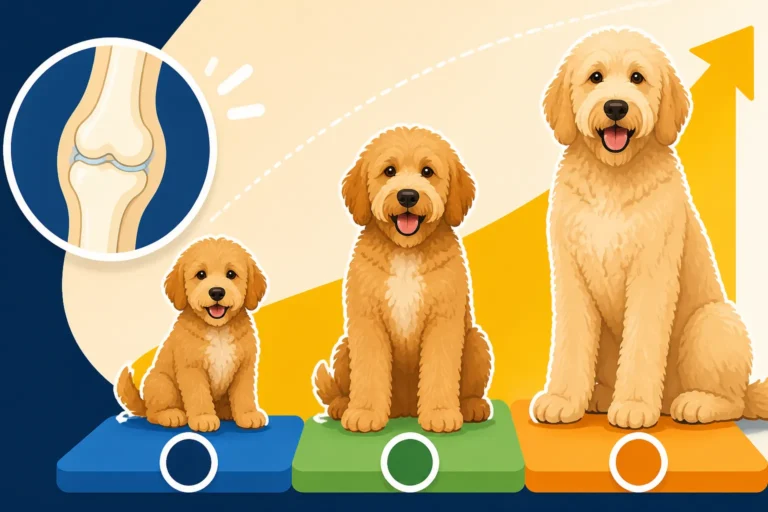
When considering a Goldendoodle, think about their long-term well-being. This includes understanding their Goldendoodle Joint Health by Size Category, as smaller Goldendoodles might have different orthopedic concerns than their standard-sized counterparts. Ultimately, informed choices about parent health testing, coupled with proper care and potential insurance, help pave the way for a happy, healthy life for your Goldendoodle, reducing the chances of them developing serious issues like Goldendoodle Arthritis After the Age of Eight prematurely.
Navigating Breeder Claims and Guarantees
As you engage with breeders, you'll hear various terms and promises regarding health. It's vital to know what to ask for and what to be skeptical of. A reputable Goldendoodle breeder will be transparent and eager to share all health testing documentation, including OFA hip results, for both the sire and dam. They should be able to explain the results clearly and answer any questions you have.
Health Guarantees
Many responsible breeders offer health guarantees, typically for 1-2 years, covering serious genetic conditions. If a breeder provides a health guarantee, make sure you understand its terms. What conditions are covered? What is the breeder's responsibility if a condition arises? While a health guarantee offers some protection, it should never replace thorough parental health testing. A guarantee is only as good as the breeder behind it. You can learn more about what to expect with Goldendoodle Puppies Sold With a Health Guarantee.
Verifying Information Independently
The internet is a powerful tool. Use it to your advantage. Search the OFA database directly. Look up the kennel's name and reviews. Ask for vet references. Don't be afraid to ask probing questions about the lineage of the parent dogs, their health history, and any conditions that may have appeared in previous litters. A good breeder values your diligence. If a breeder is evasive or reluctant to share information, consider that a major red flag.
When a breeder discusses their health testing practices, pay close attention to the details. For example, some might say their dogs are "vet checked" for hips. While a vet check is good for general health, it is not a substitute for an official OFA or PennHIP evaluation, which involves specific radiographic views and expert panel review. Ensure you're seeing actual OFA certificates with passing grades, not just a verbal assurance. Remember that even with optimal breeding practices, things can happen. Having pet insurance, such as through Healthy Paws, can be a valuable resource for unexpected illnesses or accidents not covered by a breeder's guarantee, helping you manage costs for anything from ear infections to emergency surgery.
Choosing a Goldendoodle is a long-term commitment, and investing time in understanding parent health testing, especially OFA hip results, is one of the most important things you can do to ensure your future companion has the best possible start in life.
Disclaimer
This article is for general informational purposes only and does not constitute professional advice. Laws, prices and regulations vary by location and change over time. Consult a qualified professional for guidance on your specific situation.