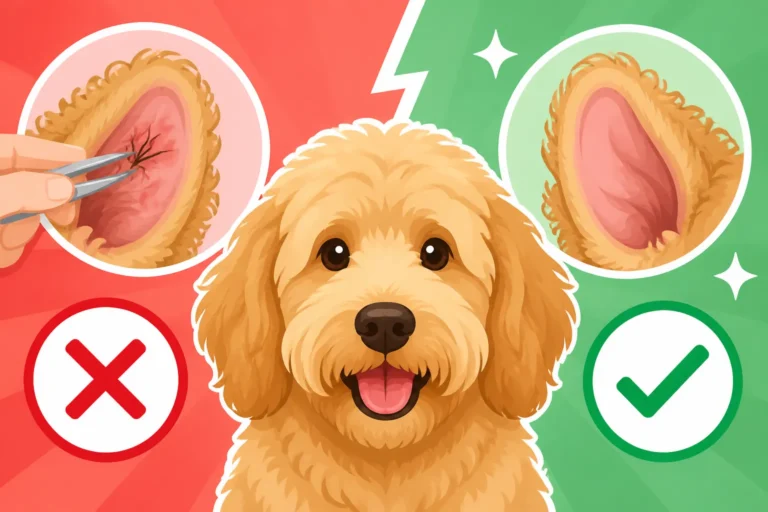
Catching a Goldendoodle Ear Infection Under the Hair
It’s incredibly disheartening when you suspect your beloved Goldendoodle is uncomfortable, especially when the issue is hidden from plain sight. Those soft, floppy, incredibly furry ears that we adore can be a real double-edged sword, creating the perfect environment for ear infections to brew unnoticed. This guide is dedicated to helping you become a vigilant detective, teaching you how to peer past the fluffy facade and catch those sneaky Goldendoodle ear infections before they escalate into painful, chronic problems.
The Unique Challenge of Goldendoodle Ears
Goldendoodles, with their charming, expressive faces and often fluffy ears, are prone to ear issues in a way many other breeds aren't. It's not just bad luck; it's a direct result of their unique anatomical features inherited from both the Golden Retriever and Poodle lines, creating a warm, moist, and often dark environment that's an open invitation for trouble.
Why the Furnished Ear Hides Trouble
The classic Goldendoodle "furnished" ear, complete with its dense hair and floppy nature, is the primary culprit behind so many hidden infections. Unlike upright ears that allow for good airflow, a Goldendoodle's ears hang down, effectively sealing off the ear canal from fresh air. This creates a miniature greenhouse effect, trapping warmth and moisture inside. Think about wearing a thick wool hat in the summer – it gets hot and sweaty underneath, right? That's what's happening inside your Goldendoodle's ear.
This lack of ventilation means that any moisture introduced, whether from bathing, swimming, or even just humidity in the air, takes an incredibly long time to evaporate. This damp, warm environment is exactly what yeast and bacteria love to thrive in, leading to unchecked growth. Furthermore, the sheer volume of hair on and around the ear canal acts like a curtain, obscuring your view and making it incredibly difficult to spot early signs like redness or minor discharge without a dedicated inspection. This is a primary reason why Why a Furnished Goldendoodle Ear Stays Damp is such a common topic among Goldendoodle owners.
Hair Growth Inside the Ear Canal
Beyond the outer furnishings, many Goldendoodles also have significant hair growth inside their ear canals, a trait largely inherited from their Poodle ancestry. While this interior hair might seem harmless, it's a major factor in ear infection susceptibility. This dense hair acts like a filter, trapping debris, wax, and moisture deep within the ear canal, creating an even more hospitable environment for pathogens.
Imagine trying to clean a clogged drain when there's a thick mesh covering it. It's much harder to get things clear, and anything caught in that mesh will only worsen the blockage. The same principle applies here. This trapped material, combined with the lack of airflow, means bacteria and yeast have a continuous feast, leading to inflammation and infection that's notoriously difficult to see or even smell until it's quite advanced. This internal hair growth is often what makes Goldendoodle Ear Hair and Chronic Infection a recurring headache for many owners.
Common Culprits: Yeast, Bacteria, and Allergies
So, what exactly is an ear infection in a Goldendoodle? Most commonly, we're talking about otitis externa, which is inflammation of the external ear canal. This can be caused by a variety of factors, but the usual suspects are yeast, bacteria, or a combination of both. Yeast infections often present with a distinct yeasty or sweet smell and can cause dark, waxy discharge, while bacterial infections might have a stronger, foul odor and pus-like discharge.
Beyond these direct pathogens, underlying issues like allergies are often the root cause of recurrent ear infections. Just like humans, Goldendoodles can suffer from environmental allergies (pollen, dust mites) or food allergies, which manifest as itchy skin, including the skin lining their ear canals. When the ears become itchy, the dog scratches, shakes their head, and irritates the delicate lining, creating micro-abrasions that allow opportunistic yeast and bacteria to take hold. If your Goldendoodle is constantly scratching and developing infections, you might want to look into Goldendoodle Allergies and Itchy Skin, as addressing the allergy could be key to breaking the cycle.
Early Warning Signs You Might Miss
Because of those fantastic, furry ears, Goldendoodles are masters at hiding early signs of discomfort. What might be obvious in a short-eared breed – a visibly red inner ear or crusty discharge – can be completely obscured by a Goldendoodle's luxurious locks. This means you need to become attuned to more subtle cues and be incredibly diligent with your routine checks.
Subtle Behavioral Cues
Your Goldendoodle can't tell you in words that their ear hurts, so they communicate through changes in behavior. While obvious head shaking or ear scratching are clear indicators, these often appear when an infection is already well-established and causing significant discomfort. Earlier signs can be much more subtle. Look for a slight, persistent head tilt, favoring one side over the other, especially when resting or walking. They might be less enthusiastic about playing fetch, or seem a bit more withdrawn.
You might also notice them rubbing their head against furniture or your leg more frequently, trying to alleviate the itch or discomfort. Perhaps they're reluctant to let you touch their head or ears, even for a gentle pat, where they usually love it. Sometimes, a Goldendoodle with a mild ear infection will become a bit more vocal – whining or grumbling softly when they shift positions or lie down. These tiny shifts in their normal routine are crucial clues that something isn't quite right beneath that beautiful coat.
The Elusive Smell and Discharge
One of the most common ways owners detect ear infections is by smell, but even this can be masked by a Goldendoodle's ear hair. The thick curtain of fur around the ear canal can trap odors, making it less noticeable to you until the infection is quite severe. By the time you can smell that tell-tale yeasty or sour odor from across the room, it's likely been brewing for a while.
Similarly, discharge – whether it's dark and waxy from yeast or yellowish and pus-like from bacteria – is incredibly difficult to spot. It collects deep within the canal, hidden by the internal hair and the floppy ear flap. You might see a tiny smear on the inner surface of the ear flap if the dog shakes their head vigorously, but often, the bulk of the discharge remains out of sight. This is why active, regular inspection is so vital; simply sniffing your dog's head as you walk by might not be enough to detect a nascent problem.
Pain on Touch or Grooming
Goldendoodles are often incredibly sweet-natured and tolerant, which can sometimes work against them when it comes to pain. They might not yelp or snap immediately when in discomfort, especially if they are only mildly affected. However, if you try to gently lift their ear flap, or worse, attempt to clean their ear, you might notice them flinch, pull away sharply, or even let out a small cry.
During a routine grooming session, paying close attention to their reaction when you brush near their ears or handle them can give you crucial insights. If your normally cooperative dog becomes resistant, tense, or even attempts to mouth your hand when you approach their ear, take it as a serious sign. This shift in tolerance for handling is a strong indicator that their ear is painful, and it’s a clear signal that a deeper investigation is needed, often by a veterinarian.
Proactive Inspection and At-Home Checks
Given how adept Goldendoodles are at concealing early ear infection symptoms, proactive inspection is your best defense. You can't rely on obvious signs alone. Incorporating a weekly ear check into your routine is non-negotiable for a Goldendoodle owner.
The Weekly Ear Routine, Step-by-Step
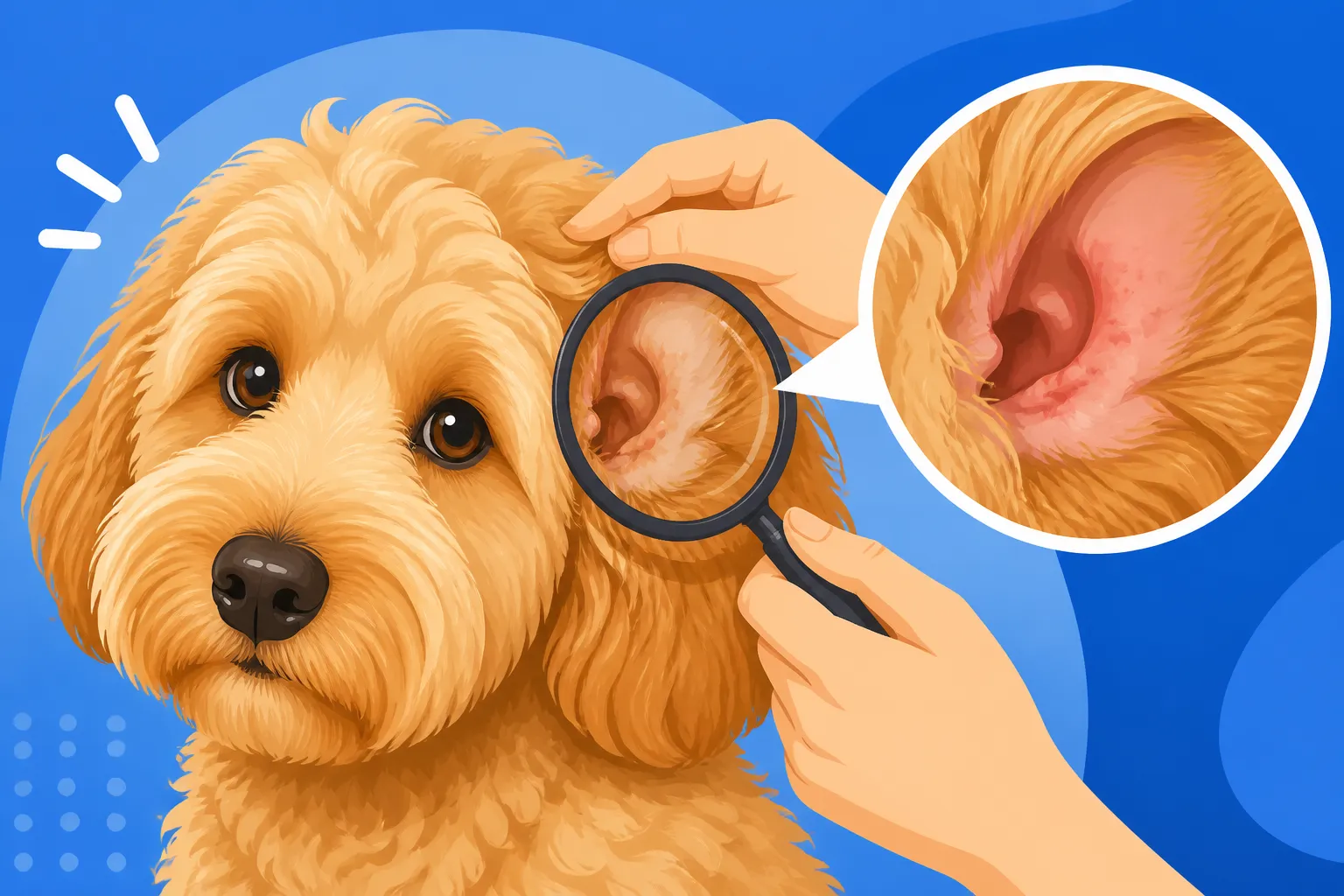
Establishing a consistent weekly ear care routine is paramount for your Goldendoodle's health. The goal isn't just to clean, but to inspect thoroughly. Start by gently lifting each ear flap. If your dog isn't used to this, make it a positive experience with treats and praise. Once the ear is open, use a good source of light – a penlight or even your phone's flashlight can work wonders – to peer into the ear canal as much as you can.
Look for any redness or inflammation on the visible skin of the ear canal. Note the color and consistency of any wax; normal wax is usually light tan and not excessive. If you see dark brown, black, or yellowish discharge, or if the wax seems abnormally abundant and sticky, those are red flags. Pay close attention to any odor, even a faint one, by bringing your nose close to the ear canal. Finally, feel the base of the ear for any heat or swelling, which can indicate inflammation deeper inside. This kind of systematic check goes hand-in-hand with Cleaning a Goldendoodle Ear Before It Gets Infected.
Tools for a Thorough Home Check
To conduct a thorough home ear check, you don't need a full veterinary kit, but a few simple tools will make a big difference. First, a reliable light source is essential. A small, bright penlight works well, allowing you to direct light deep into the ear canal without having to wrestle your dog under a lamp. Second, have some large, soft cotton balls or gauze pads on hand. These are for gently wiping the outer parts of the ear or any visible discharge, not for pushing into the ear canal.
A good, veterinarian-approved ear cleaner solution is also vital, especially if your dog is prone to moisture or has excessive wax. Look for solutions that are pH-balanced and designed for dog ears. Using a cleaner can help break down wax and create a less inviting environment for pathogens. Remember, the goal of these tools is to aid in inspection and preventative cleaning, not to treat an active infection. If you use a cleaner regularly, it also helps you spot issues during the process.
When to Call the Vet and Not Wait
Knowing when to transition from home inspection to professional care is crucial. If, during your weekly check, you notice any persistent redness, swelling, significant discharge (especially if it's not clear or light tan), a foul odor, or if your Goldendoodle shows any signs of pain or discomfort when their ear is touched, it's time to call the vet. Don't wait to see if it "gets better." Ear infections can escalate quickly and become much harder to treat if left unchecked.
Even subtle signs like a consistent head tilt, increased scratching, or a sudden aversion to ear handling, should prompt a veterinary visit. These can be early indicators of trouble that your vet's specialized equipment, like an otoscope, can detect. Trying to self-diagnose or treat an infection without knowing the specific cause (yeast vs. bacteria, or both) can worsen the problem or lead to resistant infections. Early intervention is key to effective treatment and preventing chronic issues, especially for conditions like Yeast in a Goldendoodle Ear After Swimming which can quickly take hold.
Professional Help and Ongoing Management
Once you suspect an ear infection, or if your Goldendoodle is showing any signs of discomfort, a trip to the veterinarian is the most responsible next step. Professional diagnosis and treatment are essential for resolving the current issue and laying the groundwork for preventing future recurrences.
What to Expect at the Vet Visit
When you bring your Goldendoodle in for a suspected ear infection, your veterinarian will conduct a thorough examination. This usually starts with a visual inspection of the external ear and ear canal using an otoscope, a specialized tool that allows them to look deep inside the ear, past all that fur. This helps determine the extent of inflammation, if the eardrum is intact, and what kind of discharge is present. They'll be able to see things you simply can't with a penlight.
The next critical step is often cytology. Your vet will take a small sample of the discharge from your Goldendoodle's ear using a cotton swab and examine it under a microscope. This allows them to identify whether the infection is caused by yeast, bacteria, or mites, and even which specific types. This information is vital because different types of infections require different medications. In some cases, especially with chronic or severe infections, they might also recommend a culture and sensitivity test to determine the exact bacterial strain and which antibiotics will be most effective. This thorough diagnostic process is why a vet visit is worth the Goldendoodle Ear Infection Vet Visit Costs.
Treatment Options for Stubborn Infections
Treatment for a Goldendoodle ear infection will depend entirely on the diagnostic findings. For yeast infections, antifungal ear drops or ointments are typically prescribed. Bacterial infections might require antibiotic ear drops, oral antibiotics, or both. If ear mites are the culprit, specific anti-parasitic medications will be administered. Your vet will usually clean the ear thoroughly at the clinic before sending you home with instructions and medication. It's crucial to administer all medication exactly as prescribed, even if the ear seems to improve quickly, to ensure the infection is fully cleared. Stopping early can lead to a relapse or resistant infection.
For persistent or recurring issues, your vet might recommend additional strategies. This could include long-term use of maintenance ear cleaners, exploring dietary changes if food allergies are suspected, or even discussing more intensive professional grooming to manage the hair in the ear canal. Sometimes, if the infection is particularly severe or has become chronic, a medicated flush under sedation might be considered. If your Goldendoodle struggles with Goldendoodle Ear Infections That Return Every Month, a multi-pronged approach will be necessary.
Preventing Recurrence and Long-Term Care
Preventing future ear infections in your Goldendoodle requires ongoing vigilance and a consistent care plan. Regular at-home ear checks and cleaning, as outlined above, are your first line of defense. After baths or swimming, always make sure to thoroughly dry your Goldendoodle's ears – gently wiping the accessible parts and using a soft towel or even a low-setting hairdryer (held at a safe distance) to ensure no moisture remains trapped.
Regular professional grooming is also essential. A groomer experienced with Goldendoodles can trim the hair around and inside the ear canal, increasing airflow and making at-home cleaning easier. Discuss with your groomer about a "hygiene trim" for the ears. If allergies are the underlying cause, working with your vet on allergy management, whether through diet, medication, or immunotherapy, is critical. Investing in a good pet insurance plan, like one from Healthy Paws, can also be a smart move, as recurring ear infections and associated vet visits can add up over time, providing peace of mind for unexpected health costs. It's a pragmatic step for any Goldendoodle owner, especially since Goldendoodle Pet Insurance for a Dog With No Breed Papers is widely available.
Here’s a quick overview of what to look for:
| Symptom Category | Signs of a Healthy Goldendoodle Ear | Signs of a Potential Ear Infection |
|---|---|---|
| Appearance | Pale pink, clean, minimal light tan wax, no redness or swelling | Redness, swelling, crusts, excessive dark/yellowish discharge, matted hair around opening |
| Odor | No strong odor, or faint "doggy" smell | Strong yeasty, sweet, or foul odor |
| Behavior | Comfortable with ear touch, no head shaking or scratching | Frequent scratching, head shaking, rubbing head, head tilting, reluctance to be touched |
| Temperature | Cool to touch at the base | Warm or hot to touch at the base |
| Pain Level | No visible discomfort when handled | Whining, yelping, flinching, pulling away during handling |
It can be a bit of a learning curve to truly understand your Goldendoodle's ears, but with consistent effort, you’ll become an expert in keeping them healthy and happy.
Disclaimer
The information provided in this article is for educational purposes only and is not a substitute for professional veterinary advice. Always consult with a qualified veterinarian for any health concerns or before making any decisions related to your pet's care.