Yeast in a Goldendoodle Ear After Swimming
Oh, the joy of watching your Goldendoodle splash and play in the water! It’s one of those quintessential happy dog moments, isn't it? But then, a few days later, you notice that tell-tale ear scratching, the head tilting, and that unmistakable yeasty smell. It’s a frustrating cycle for so many Goldendoodle owners, feeling like every fun dip leads to another dreaded ear infection. This guide is here to walk you through exactly why those adorable floppy, furry Goldendoodle ears are such a magnet for yeast after a swim, how to spot the early signs, and most importantly, how to prevent and manage these common, uncomfortable infections so your furry friend can enjoy their water adventures without the aftermath.
Understanding Why Goldendoodle Ears Are Prone to Yeast Infections
It often feels like Goldendoodles are unfairly targeted by ear infections, especially after they've had a grand time at the lake or pool. But there's a very good reason why our beloved doodles are so susceptible, and it largely comes down to their unique ear anatomy.
The Anatomy of a Goldendoodle Ear
Imagine a warm, dark, and perfectly humid cave – that’s essentially what the inside of your Goldendoodle’s ear canal can become, especially after it gets wet. Unlike dogs with upright, open ears (like a German Shepherd), Goldendoodles inherit those lovely, long, floppy ears from both the Golden Retriever and Poodle sides. These ears hang down, creating a natural seal over the ear canal, which severely restricts airflow. This lack of ventilation means moisture gets trapped easily, and the ear canal stays warmer than it should.
To make matters worse, Goldendoodles often have a significant amount of hair growing not just on the outside of their ears, but inside the ear canal itself. This thick, soft hair acts like a sponge, soaking up any moisture that enters and holding it close to the skin. It also traps dirt, debris, and wax, creating an even more inviting environment for yeast and bacteria to proliferate. This combination of floppy ears and abundant ear hair is a primary reason for the common issue of Goldendoodle Ear Hair and Chronic Infection This warm, moist, and poorly ventilated space is a paradise for opportunistic organisms like yeast.
The Role of Water and Moisture
When your Goldendoodle goes for a swim, whether it's a quick dip in a puddle, a splash in the bathtub, or a full-on lake adventure, water invariably finds its way into those vulnerable ear canals. Even a small amount of water can significantly shift the delicate balance of the ear's internal environment. The water raises the humidity levels even further, turning that already cozy "cave" into a tropical rainforest for microorganisms.
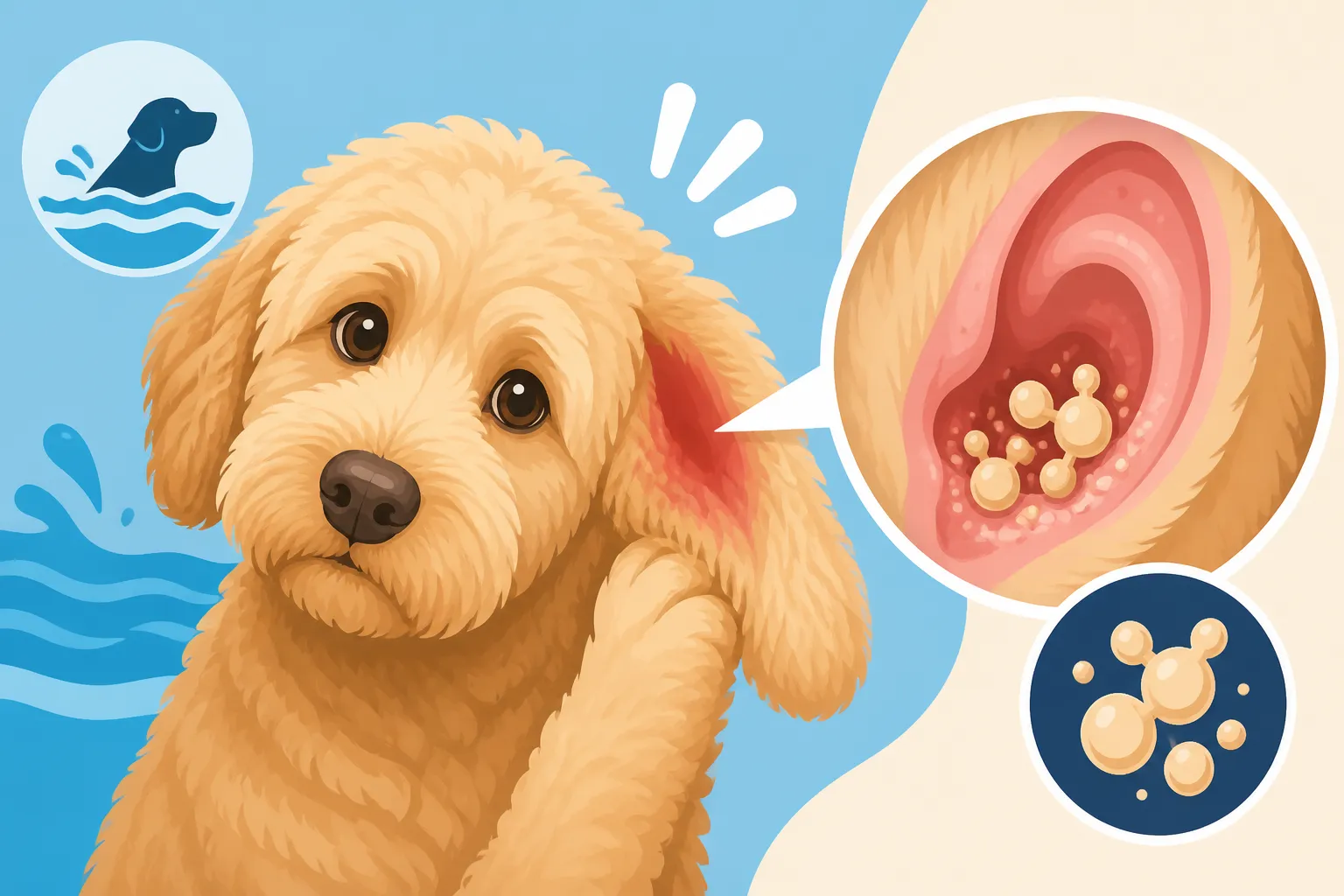
Yeast, particularly Malassezia pachydermatis, is a common resident on dog skin and in their ears in small numbers. It’s part of the normal flora. However, when the environment changes – specifically, becoming warmer and wetter – this yeast seizes the opportunity to overgrow. It thrives in these anaerobic, damp conditions. So, while swimming is fantastic exercise and mental stimulation for many Goldendoodles, it also directly contributes to creating the ideal conditions for a yeast party in their ears. It’s not just the water itself, but the prolonged dampness that truly sets the stage for infection.
Recognizing the Signs of a Yeast Ear Infection
Catching a yeast ear infection early can make a world of difference in your Goldendoodle’s comfort and the ease of treatment. Sometimes, the signs are glaringly obvious, but other times, they can be subtle, hiding under all that wonderful Goldendoodle fluff.
Visual Cues and Odors
One of the most characteristic signs of a yeast ear infection is the appearance of a dark, waxy, and often greasy discharge. This isn't your usual light earwax; it's typically dark brown to black and can look like coffee grounds or thick, tar-like sludge. If you gently part the hair around the opening of your Goldendoodle’s ear canal, you might see this discharge building up.
Beyond the discharge, the ear canal itself might appear red, inflamed, or swollen. The skin inside the ear could be crusty or flaky. In more severe cases, the inflammation can extend to the outer ear flap. But perhaps the most undeniable sign for many Goldendoodle owners is the smell. Yeast infections have a very distinct, often strong odor that many describe as yeasty, cheesy, or even resembling stale bread or corn chips. If you get a whiff of something decidedly off when your Goldendoodle shakes their head or cuddles close, it’s a big red flag. For more tips on identifying the problem, check out Catching a Goldendoodle Ear Infection Under the Hair
Behavioral Changes in Your Goldendoodle
Your Goldendoodle will also tell you they're uncomfortable through their actions. The most common behavioral sign is persistent scratching at the ears, often with a back paw. They might also rub their ears against furniture, the carpet, or even your leg in an attempt to alleviate the itchiness. Head shaking, sometimes quite vigorously, is another strong indicator. It's their way of trying to dislodge whatever is bothering them inside the ear.
You might also notice your Goldendoodle tilting their head more frequently, particularly towards the affected ear. They might become sensitive to having their ears touched, pulling away or yelping when you try to examine them. If the infection is painful, they might become withdrawn, less playful, or even a little grumpy. They might whine or sigh more than usual. These behavioral cues are crucial; they are your dog's way of communicating discomfort, and paying attention to them can lead to earlier intervention and quicker relief.
Immediate Steps After Swimming to Prevent Yeast
The good news is that many yeast ear infections, especially those triggered by water, are preventable with a consistent and proactive approach. The key is to address the moisture issue immediately after it occurs.
Thorough Drying Techniques
This is arguably the most critical step in preventing post-swim ear infections. As soon as your Goldendoodle finishes their swim, it’s time for ear patrol! Don’t just let them air dry. The goal is to remove as much moisture as possible from the ear canal.
Start by gently patting the outer ear flap and the entrance to the ear canal with a soft, clean towel. Then, take a large cotton ball or a soft, absorbent piece of gauze and gently wipe the accessible parts of the ear canal. Never use Q-tips or any other small, pointed object that could push debris further into the ear or, worse, damage the delicate eardrum. Think of it like blotting, not scrubbing. You want to absorb the moisture, not irritate the skin. If your Goldendoodle is particularly tolerant, you can even use a low, cool setting on a hairdryer, holding it a safe distance from the ear and gently blowing air into the canal for a few seconds. Just be incredibly careful with the temperature and noise level, as both can cause discomfort or even damage. The trick is to be thorough but gentle, ensuring you don't cause any micro-abrasions that could further invite infection.
Using Ear Cleaning Solutions
Beyond physical drying, a vet-approved ear cleaning solution can be a lifesaver, especially for Goldendoodles who love to swim. These solutions often contain drying agents like boric acid or salicylic acid, which help to dry out the ear canal and restore its natural pH balance, making it less hospitable for yeast growth.
It's important to choose a cleaner specifically designed for dogs and to follow the instructions carefully. For routine post-swim prevention, you'd typically apply a small amount of the solution into each ear canal. Gently massage the base of the ear for 20-30 seconds – you should hear a squishing sound, which means the cleaner is reaching deep into the canal. Then, allow your Goldendoodle to shake their head (which they will enthusiastically do!), and wipe away any expelled solution and debris with a fresh cotton ball.
Unless your vet instructs otherwise for a specific medical condition, a general recommendation is to use these preventative cleaners immediately after swimming or heavy water exposure, not necessarily every day. Over-cleaning can sometimes cause irritation. Always consult with your veterinarian to find the best ear cleaner for your Goldendoodle, especially if they have sensitive ears or a history of recurring infections. Products like Epi-Otic Advanced or Zymox are often recommended by vets, but your vet can tailor a recommendation to your dog's specific needs. For a deeper dive into product specifics, consider exploring Ear Cleaner Solutions Safe for a Goldendoodle
When to Seek Veterinary Care
While diligent home care can prevent many ear issues, there are times when a yeast infection has taken hold, or another underlying problem is present, and veterinary intervention becomes absolutely necessary. Don't hesitate to seek professional help if you notice certain signs.
Persistent Symptoms and Severity
If you've been diligently drying and cleaning your Goldendoodle's ears after swimming, and you still notice persistent scratching, head shaking, redness, or that characteristic yeasty smell, it’s time to call the vet. This is especially true if the symptoms worsen despite your efforts, or if they don't show any signs of improvement within a day or two of noticing them.
A yeast infection that is left untreated can become very uncomfortable and potentially lead to more severe problems. The inflammation can spread, causing pain and even damage to the ear canal. Moreover, a persistent yeast infection often creates an environment ripe for a secondary bacterial infection, which can be much harder to treat and may require different medications. In some cases, chronic ear infections can lead to permanent changes in the ear canal, like thickening or narrowing, making future infections even more likely and difficult to manage. Don't try to self-diagnose or treat with over-the-counter medications indefinitely, as you might be missing a more serious issue.
The Importance of a Professional Diagnosis and Treatment
When you take your Goldendoodle to the vet for an ear infection, they will perform a thorough examination. This usually involves looking deep into the ear canal with an otoscope to assess the severity of the inflammation, check for foreign bodies, and ensure the eardrum is intact. The most crucial step is often a cytology exam: the vet will take a swab of the discharge and examine it under a microscope. This allows them to identify whether it's yeast, bacteria, or a combination of both, and often, what kind of bacteria. This precise diagnosis is vital because yeast infections require antifungal medications, while bacterial infections need antibiotics. Using the wrong medication won't solve the problem and can even contribute to antibiotic resistance or further irritation.
Treatment for a diagnosed yeast infection typically involves antifungal ear drops or ointments, often administered twice daily for several weeks. In severe or chronic cases, oral antifungal medications might also be prescribed. Your vet might also recommend specific ear cleaners to use during treatment to help break down wax and allow the medication to penetrate better. For Goldendoodles with recurrent issues, your vet might discuss long-term management strategies, including medicated flushes or even dietary changes if allergies are suspected. Recurrent infections can be incredibly frustrating for both you and your Goldendoodle, and knowing when to get professional help can prevent a cycle of discomfort and expensive treatments. If your Goldendoodle seems to have Goldendoodle Ear Infections That Return Every Month a deeper investigation into underlying causes is definitely needed. Pet insurance providers like Healthy Paws can often help cover the diagnostic tests and medications for these persistent issues, easing the financial burden on owners.
Long-Term Management and Prevention Strategies
While immediate post-swim care is essential, a holistic, long-term approach to ear health is key for Goldendoodles, especially those prone to yeast infections. This involves consistent grooming, mindful nutrition, and developing a routine that keeps those ears healthy and happy.
Regular Grooming and Hair Management
The furry nature of Goldendoodle ears, while adorable, is a significant contributor to ear problems. Regular grooming plays a massive role in mitigating this risk. Keeping the hair on the outer ear flap trimmed can improve airflow, but more importantly, managing the hair inside the ear canal is crucial.
Some veterinarians and groomers advocate for plucking the hair from inside the ear canal, as this reduces the amount of material available to trap moisture and debris. However, this is a topic with differing opinions; some argue that plucking can irritate the delicate skin of the ear canal, potentially leading to inflammation and further infection. If you decide to pluck ear hair, it should always be done very carefully, using appropriate ear powder and small, blunt-tipped forceps, or, ideally, by a professional groomer or your veterinarian. Never attempt to pluck if your dog shows signs of discomfort or if the ear is already inflamed.
Alternatively, some groomers simply trim the hair very short within the ear canal's entrance without plucking. The most important thing is that the method chosen reduces the hair burden without causing irritation. Regular professional grooming appointments should include ear cleaning and hair management as part of their service. Discuss with your groomer and vet which approach is best for your Goldendoodle. Proper home grooming between appointments is also vital, for more on this see Grooming a Goldendoodle at Home Between Appointments
Dietary Considerations and Allergies
Sometimes, recurring ear infections, including yeast infections, aren't just about trapped moisture. They can be a symptom of a deeper issue, such as allergies. Many Goldendoodles inherit a predisposition to allergies from both parent breeds, and these can manifest in various ways, including itchy skin, paw licking, and chronic ear infections. Both food and environmental allergies can trigger inflammation throughout the body, including the ears. This inflammation can change the microenvironment of the ear, making it more susceptible to yeast overgrowth.
If your Goldendoodle suffers from chronic ear infections, even with diligent cleaning and drying, it’s worth discussing potential allergies with your veterinarian. They might suggest an elimination diet trial to rule out food allergies or discuss allergy testing for environmental triggers. Managing allergies, whether through diet changes, medication, or immunotherapy, can significantly reduce the frequency and severity of ear infections. For example, some Goldendoodles respond well to novel protein diets or hydrolyzed protein diets if food allergies are at play. Don't underestimate the connection between what your dog eats and the health of their ears. For related information, explore Goldendoodle Allergies and Itchy Skin.
Creating a Routine for Ear Health
The best defense against yeast ear infections is a consistent, proactive routine. This isn't just about reacting after a swim, but about maintaining ear health year-round.
- Weekly Ear Checks: Make it a habit to visually inspect your Goldendoodle's ears at least once a week. Lift the ear flap, sniff the ear canal (yes, really!), and look for any redness, discharge, or changes in the skin. Early detection makes treatment much easier.
- Regular Cleaning: Even without swimming, a monthly or bi-weekly cleaning with a vet-approved solution can help keep the ear canals clean and discourage yeast buildup. If your Goldendoodle is a frequent swimmer, incorporate a post-swim clean into every water activity.
- Positive Reinforcement: Make ear cleaning a positive experience from puppyhood. Use treats and praise to create a calm association with ear handling. This makes future ear care much less stressful for both of you.
- Monitor for Changes: Be vigilant for any behavioral changes like increased scratching, head shaking, or sensitivity. These are often the first clues that something is amiss.
By embracing these long-term strategies, you can significantly reduce the likelihood of your Goldendoodle suffering from uncomfortable yeast ear infections. This proactive approach not only keeps them healthier but also helps you avoid those costly and stressful vet visits. When regular vet check-ups or unexpected ear issues arise, having a robust pet insurance plan like Healthy Paws can provide peace of mind, knowing that you're covered for a significant portion of the veterinary costs, allowing you to focus on your Goldendoodle's health without financial worry.
| Symptom Category | What to Look For | Immediate Action (Prevention) | When to Call the Vet |
|---|---|---|---|
| Visual Cues | Dark, waxy, greasy discharge; redness; swelling; crusts | Thoroughly dry ears after water exposure with cotton. | Worsening redness/swelling; persistent discharge. |
| Odor | Strong, yeasty, cheesy, or stale smell | Use vet-approved drying ear cleaner after swims. | Odor persists or worsens despite cleaning. |
| Behavioral | Frequent scratching, head shaking, pawing, ear rubbing, head tilting, sensitivity to touch, withdrawal, grumpiness | Gentle ear cleaning and drying routine. | Symptoms persist for >2 days; dog in obvious pain. |
Disclaimer
The information provided in this article is for general informational purposes only and is not a substitute for professional veterinary advice. Always consult with a qualified veterinarian for any health concerns or before making any decisions related to your Goldendoodle's health and well-being.