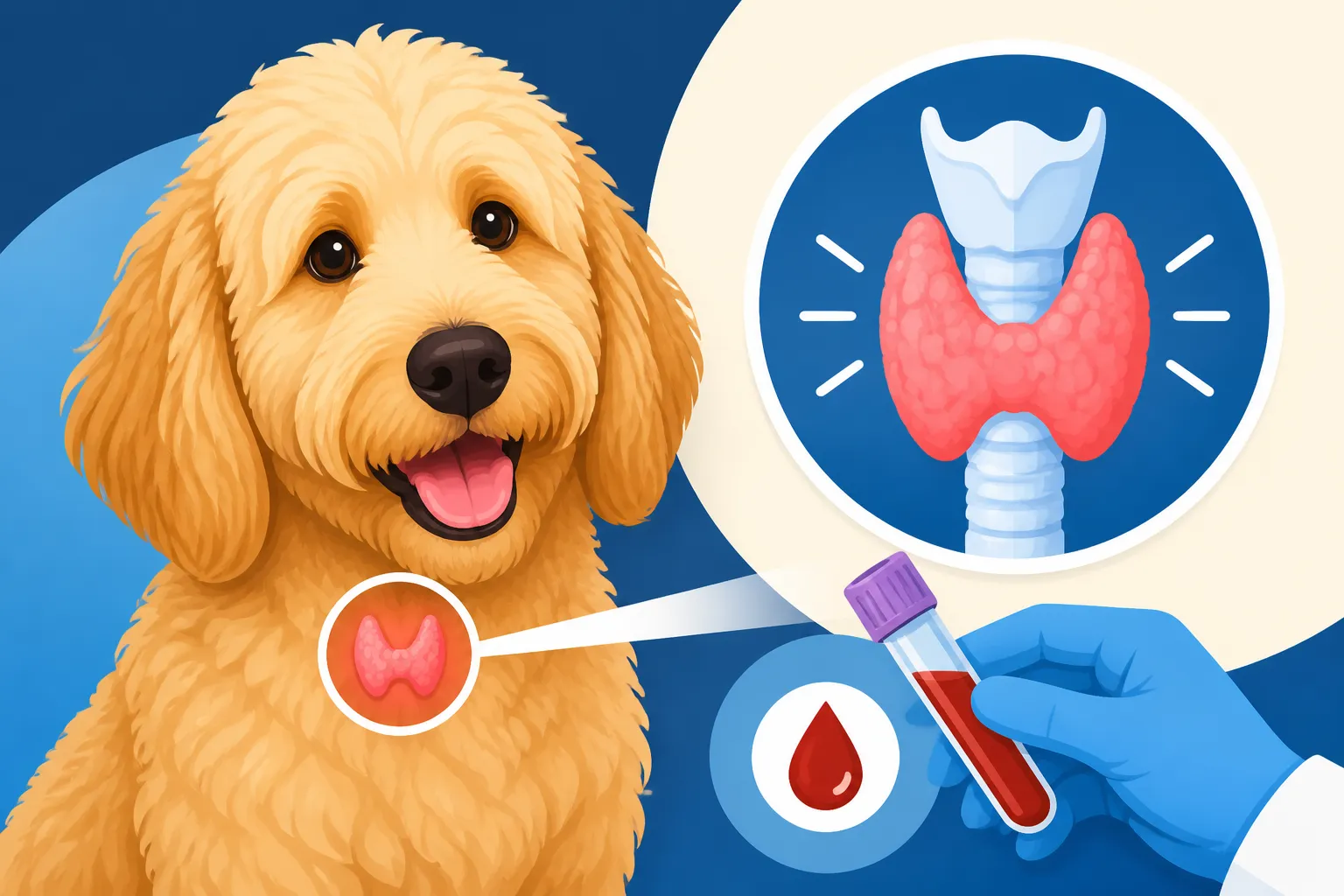
Testing a Goldendoodle Thyroid After Two Years
It's incredibly frustrating when you start to notice subtle shifts in your beloved Goldendoodle, perhaps a little less energy, a slight weight gain that seems to defy their usual diet, or even changes in their beautiful coat. These seemingly minor issues can actually point to an underlying condition that often becomes apparent around the two-year mark: hypothyroidism. This guide is dedicated to helping you understand why testing your Goldendoodle's thyroid after their puppy stages is so crucial and what steps you can take to ensure their continued health and happiness.
The Insidious Onset of Goldendoodle Hypothyroidism
Hypothyroidism isn't something that typically strikes a Goldendoodle overnight; it’s a condition that often creeps up gradually, making it easy to dismiss early signs as normal aging or a phase. Many owners, myself included, have found themselves scratching their heads, wondering why their vibrant, playful dog suddenly seems a bit sluggish, or why their once-lustrous coat is becoming dull and sparse. The two-year milestone often becomes a critical window because this is when many dogs are fully mature, their growth plates have closed, and their body's systems have settled into their adult rhythm. For a Goldendoodle, with its mixed heritage, identifying these issues requires vigilance.
What is Hypothyroidism and Why Goldendoodles are Susceptible
At its core, hypothyroidism in dogs is a condition where the thyroid gland, located in the neck, doesn't produce enough thyroid hormones. These hormones are absolutely vital for regulating metabolism, energy levels, heart function, and even skin and coat health. Without sufficient thyroid hormone, every system in the body can slow down, leading to a cascade of symptoms.
Goldendoodles, being a crossbreed of Golden Retrievers and Poodles, inherit genetic predispositions from both sides of their family tree. Both parent breeds have a known incidence of hypothyroidism. Golden Retrievers, in particular, are unfortunately prone to certain autoimmune thyroid conditions, making this a significant concern for Goldendoodle owners. It's a classic example of what a Goldendoodle inherits from each parent breed, where the genetic lottery can, sometimes, land on less desirable traits. When the immune system mistakenly attacks the thyroid gland, it’s called autoimmune thyroiditis, and it’s the most common cause of hypothyroidism in dogs. This immune response can take years to fully destroy the thyroid, which is why clinical signs might not appear until a dog is a few years old.
Common Signs That Might Warrant Thyroid Testing
The symptoms of hypothyroidism can be incredibly varied and often mimic other, less serious conditions, which adds to the diagnostic challenge. That's why being aware of even subtle changes in your Goldendoodle after they turn two is so important.
- Lethargy and Reduced Activity: Your once-energetic Goldendoodle might seem to tire more easily, be less enthusiastic about walks, or simply prefer to nap more. This isn't just about an "off day"; it's a persistent, noticeable dip in their usual zest for life.
- Weight Gain: Despite no changes in diet or exercise, your Goldendoodle might start to pack on pounds. This metabolic slowdown directly impacts their ability to burn calories efficiently. For some, this might lead to Goldendoodle Hypothyroidism and Weight Gain, a frustrating reality when you're trying your best to keep them healthy.
- Coat and Skin Changes: This is often one of the most noticeable signs. You might observe a dull, dry, or brittle coat that sheds excessively. Some Goldendoodles develop patchy hair loss, particularly on their flanks, tail, or the bridge of their nose. Their skin might become flaky, thickened, or even hyperpigmented (darkened). This can be confused with other skin issues, but if you're seeing Goldendoodle Hair Loss Traced to the Thyroid, it’s a strong indicator.
- Intolerance to Cold: Your Goldendoodle might seem colder than usual, seeking out warm spots or shivering more often, even indoors.
- Other, Less Common Signs: These can include a slow heart rate, neurological issues (though rare), and even reproductive problems in intact dogs. Behavioral changes, such as increased anxiety or aggression, have also been reported in some cases, although these are less directly linked and often only resolve once the underlying thyroid issue is treated.
Recognizing these changes isn't about panicking, but about empowering yourself to have an informed conversation with your vet.
Why the Two-Year Mark for Initial Thyroid Screening
It’s often recommended that Goldendoodles, especially those with parentage known for thyroid issues, receive their first comprehensive thyroid screening around two years of age. This isn't an arbitrary number; it's based on physiological development and the typical timeline for autoimmune diseases to manifest.
The Role of Maturation and Autoimmune Manifestation
By two years old, most Goldendoodles have reached their full adult size and their bodies have finished the rapid growth and hormonal fluctuations of puppyhood. Their immune system has matured, and if there's an underlying autoimmune predisposition, this is often the period when the destruction of the thyroid gland begins to significantly impact hormone production. Before this age, puppy hormones and rapid growth can sometimes mask or skew thyroid test results.
Think of it this way: a young puppy's body is a whirlwind of development. Hormones are surging, metabolism is incredibly high to support growth, and their immune system is still learning the ropes. Trying to get a clear picture of long-term thyroid function during this time can be like trying to take a clear photo of a moving target. Once they hit two, things settle down. The body is in a more stable state, making any deviations in thyroid hormone levels more indicative of a genuine problem. This makes testing a Goldendoodle Thyroid After Two Years a reliable baseline to measure against future results.
Establishing a Baseline for Future Health Monitoring
Even if your Goldendoodle shows no overt symptoms, getting a baseline thyroid panel at two years old is invaluable. It provides your veterinarian with a snapshot of your dog's "normal" thyroid function. If symptoms develop later, or if subsequent routine blood work shows abnormalities, your vet can compare these new results to the healthy baseline. This helps differentiate between true disease and minor fluctuations that might not require intervention.
This baseline is also important for understanding the nuances of your specific dog's health. While there are general reference ranges for thyroid hormones, what's "normal" can vary slightly from one individual to another. Having your dog's personal healthy range on record allows for more precise monitoring over their lifetime, much like getting a comprehensive screening for Goldendoodle Hip Dysplasia and the OFA Numbers for orthopedic health, even if your dog isn't showing signs of lameness yet. It's about proactive care.
Deciphering Goldendoodle Thyroid Tests
When your vet talks about thyroid testing, they're not usually referring to a single test. A comprehensive thyroid panel is generally needed to get the most accurate picture, especially for a breed like the Goldendoodle that has a genetic predisposition. Relying solely on one marker can lead to misdiagnosis or, worse, missed diagnosis.
The Comprehensive Thyroid Panel: More Than Just T4
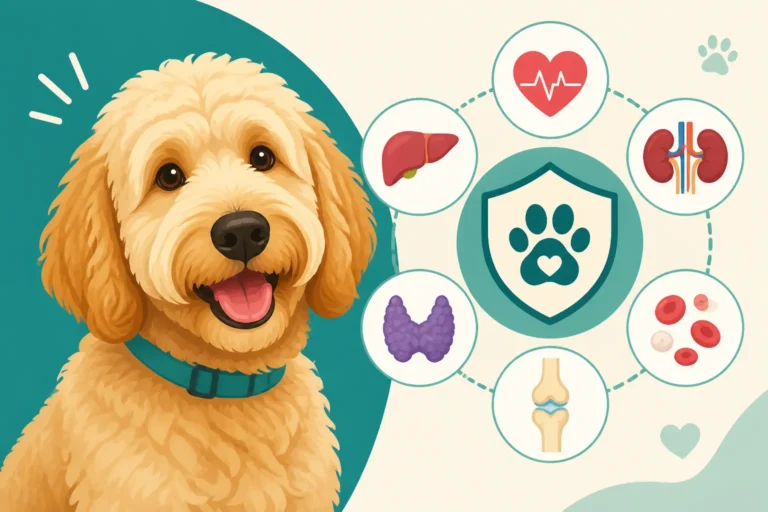
A full thyroid panel typically includes several different measurements, each offering a piece of the puzzle:
- Total T4 (Thyroxine): This is often the first test run because it measures the total amount of thyroid hormone (both bound and unbound) in the blood. However, T4 levels can be influenced by many non-thyroidal factors, such as other illnesses, medications (like certain steroids or anti-inflammatories), or even diet. A low T4 can be a red flag, but it's rarely definitive on its own.
- Free T4 (FT4): This measures the amount of unbound or "free" thyroid hormone circulating in the blood. Free T4 is considered a more accurate indicator of thyroid function than total T4 because it's less affected by non-thyroidal factors. It's the biologically active form of the hormone, meaning it's the one actually doing work in the body.
- TSH (Thyroid-Stimulating Hormone): TSH is produced by the pituitary gland in the brain. Its job is to tell the thyroid gland to produce more thyroid hormone. In a dog with hypothyroidism, the thyroid isn't producing enough hormones, so the pituitary gland tries to compensate by pumping out more TSH. Therefore, a low T4/FT4 combined with a high TSH is a strong indicator of primary hypothyroidism (meaning the problem is with the thyroid gland itself).
- Thyroglobulin Autoantibodies (TgAA): This test checks for the presence of antibodies that attack the thyroid gland. A positive TgAA test indicates autoimmune thyroiditis, even if the T4 and TSH levels are still within the normal range. This is especially important for Goldendoodles, as autoimmune thyroiditis is a common cause in their parent breeds. Knowing if these antibodies are present allows for earlier detection and monitoring, even before overt symptoms appear. It essentially tells you if the immune system is already attacking the thyroid, even if it hasn't completely shut down production yet.
Interpreting the Results and Potential Pitfalls
Interpreting thyroid test results requires a skilled veterinarian who understands the nuances of canine endocrinology and specific breed predispositions. A low T4 on its own might not mean hypothyroidism; it could be "euthyroid sick syndrome," where another illness causes T4 to drop. This is why a full panel is so important.
Your vet will consider your Goldendoodle's clinical signs, age, breed, and all the test results together. Sometimes, a dog might have borderline results, especially in the early stages of the disease. In these cases, your vet might recommend re-testing in a few months, or conducting a thyroid stimulation test, which involves administering TSH and then measuring the dog's thyroid hormone response.
It's also worth noting that some medications can interfere with thyroid tests. Always provide your vet with a complete list of any medications, supplements, or even special diets your Goldendoodle is on. For instance, certain seizure medications or even non-steroidal anti-inflammatory drugs can impact thyroid hormone levels.
Living With and Managing Goldendoodle Hypothyroidism
If your Goldendoodle is diagnosed with hypothyroidism, it's certainly not the end of the world. It’s a very manageable condition, but it does require lifelong commitment to medication and regular monitoring. Many Goldendoodles go on to live full, happy lives once their thyroid hormones are properly regulated.
Lifelong Medication and Monitoring
The cornerstone of treatment for hypothyroidism is daily oral medication, typically levothyroxine. This synthetic hormone replaces what your Goldendoodle's body isn't producing. The dosage is carefully calculated based on your dog's weight and will likely be adjusted over time based on follow-up blood tests.
Initial follow-up blood tests are usually performed a few weeks after starting medication and then again every few months until the optimal dosage is found and your Goldendoodle's symptoms have resolved. Once stable, your vet will likely recommend annual or semi-annual thyroid panels to ensure the dosage remains appropriate. It's a journey, not a sprint, and consistency is key. Keep detailed records of when you administer the medication and any changes you observe in your dog. If you have pet insurance like Healthy Paws, it's worth checking if they cover lifelong medication costs for chronic conditions, as this can add up over time.
Addressing Symptomatic Relief and Overall Well-being
As your Goldendoodle’s thyroid levels normalize, you should start to see a significant improvement in their symptoms. Their energy levels will pick up, weight may stabilize or decrease, and their coat quality should improve.
- Weight Management: If your Goldendoodle gained weight due to hypothyroidism, working with your vet on a controlled diet and exercise plan is crucial. Being overweight puts extra strain on their joints, potentially worsening issues like Goldendoodle Arthritis After the Age of Eight or even increasing the risk of Cruciate Ligament Tears in a Jumping Goldendoodle.
- Coat Care: While the coat improves, continue your regular Brushing a Goldendoodle Often Enough to Stop Matting routine. A healthy coat is a well-maintained coat, and regular grooming can help stimulate skin health.
- Overall Health Checks: Remember that even with hypothyroidism, your Goldendoodle is still susceptible to other common ailments. Continue with regular vet check-ups, ensuring they get their Goldendoodle Vaccination and Puppy Health Checks and routine screenings, even as seniors. The Senior Panel a Goldendoodle Should Have at Nine becomes especially important as they age, helping to catch other age-related issues early.
The Importance of Consistency and Communication with Your Vet
Managing a chronic condition like hypothyroidism requires a strong partnership with your veterinarian. Don't hesitate to ask questions, voice concerns, or report any changes you notice in your Goldendoodle. They are your best resource for navigating this condition. Never adjust medication dosage without consulting your vet.
It's empowering to know that with early detection and consistent management, Goldendoodles with hypothyroidism can continue to be wonderful, happy companions. Being informed and proactive about Thyroid Disease and a Goldendoodle Losing Coat and other potential health concerns will make all the difference in their long-term well-being.
| Thyroid Test | What It Measures | What a Low Result Can Indicate | What a High Result Can Indicate | Significance for Goldendoodles |
|---|---|---|---|---|
| Total T4 (TT4) | Total amount of thyroid hormone in blood | Hypothyroidism, non-thyroidal illness, meds | Hyperthyroidism (rare in dogs), medication | Screening test, but easily influenced by other factors. |
| Free T4 (FT4) | Unbound, active thyroid hormone | Hypothyroidism (more specific than TT4) | Hyperthyroidism | More accurate for diagnosis, less affected by non-thyroidal factors. |
| TSH | Thyroid-stimulating hormone from pituitary | Pituitary disease (rare cause of hypo) | Primary Hypothyroidism (thyroid gland failure) | Essential for confirming primary hypothyroidism. |
| Thyroglobulin Autoantibodies (TgAA) | Antibodies attacking the thyroid gland | Autoimmune thyroiditis | Autoimmune thyroiditis | Indicates autoimmune cause, crucial for early detection/monitoring. |
Disclaimer
This article is intended for informational purposes only and does not constitute medical advice. Always consult with a qualified veterinarian for any health concerns or before making any decisions about your Goldendoodle's care or treatment.