Parvo Risk Before a Goldendoodle Finishes Its Shots
Bringing home a fluffy Goldendoodle puppy is an exciting, joyous time, but it's also often accompanied by a quiet anxiety – the fear of them getting sick, especially with something as devastating as Parvovirus, before they're fully protected. It’s a very real and understandable worry for every new puppy parent. Navigating the world with a young puppy who still needs all of its shots can feel like walking on eggshells, wondering what environments are safe and how to best shield your little one from unseen dangers. This guide is here to lay out exactly what Parvo means for your Goldendoodle puppy and, more importantly, how you can minimize the risk during that crucial period before their vaccination series is complete.
Understanding Canine Parvovirus in Goldendoodles
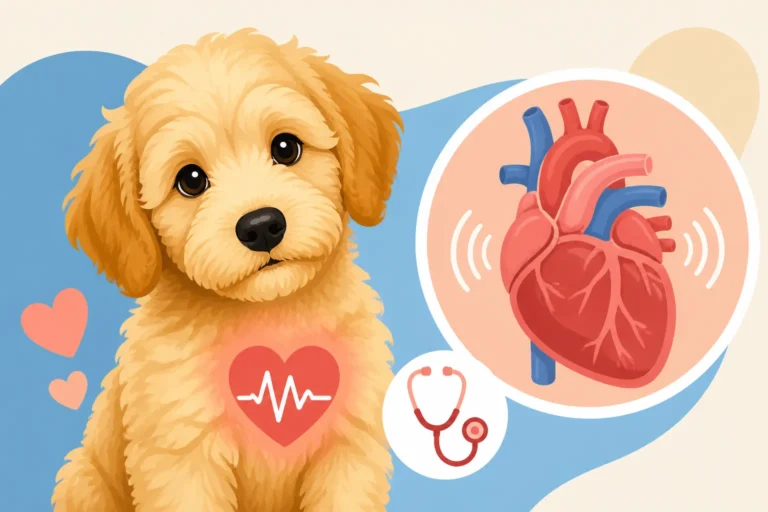
Canine Parvovirus, often simply called Parvo, is a truly brutal opponent for any young dog, and Goldendoodle puppies are no exception. It’s a highly contagious viral disease that attacks rapidly dividing cells in a dog's body, primarily in the intestinal lining and bone marrow. The speed and severity with which it strikes can be terrifying for even the most prepared owner.
What Parvo Does to a Goldendoodle Puppy
When Parvo takes hold, it’s not just a simple stomach bug; it systematically demolishes a puppy's digestive system. The virus destroys the cells lining the small intestine, which are vital for absorbing nutrients and fluids, leading to severe malabsorption and the tell-tale symptom of explosive diarrhea. This isn’t just uncomfortable; it rapidly leads to critical dehydration, electrolyte imbalances, and often, secondary bacterial infections because the gut barrier is compromised. Imagine your puppy's tiny body trying to fight off a relentless invasion while also losing massive amounts of fluid and nutrients – it’s an uphill battle.
Beyond the gut, Parvo also targets the bone marrow. This is where white blood cells, the immune system's frontline defenders, are produced. By suppressing white blood cell production, the virus further cripples the puppy's ability to fight off the infection itself or any opportunistic bacteria that take advantage of the weakened state. This is why you’ll often see a puppy with Parvo become incredibly lethargic, weak, and completely lose their appetite. They’ll usually develop a fever, and their vomiting will be persistent, further exacerbating dehydration. The diarrhea often becomes bloody as the intestinal lining breaks down, a truly heartbreaking sight for any owner. Without aggressive veterinary intervention, which includes intravenous fluids, antibiotics, and anti-nausea medications, the prognosis can be grim, and puppies can succumb to the disease very quickly.
How Goldendoodle Puppies Contract Parvo
The insidious nature of Parvovirus lies in its extreme contagiousness and resilience in the environment. It spreads primarily through direct contact with infected feces, but here's the kicker: it can survive on surfaces, clothing, shoes, and even in soil for months, sometimes even over a year, under the right conditions. This means your Goldendoodle puppy doesn't even need to touch an infected dog to catch it. They can pick it up from sniffing a patch of grass where an infected dog once defecated, from your shoes after you've walked through a contaminated area, or even from the hands of someone who has handled an infected animal.
Think about common places you might take a new puppy: a local park, a popular walking trail, or even a pet store. These are all potential minefields for an unvaccinated puppy. Even visiting a friend's house where an unvaccinated dog has been recently, or stepping onto a roadside rest stop during a car trip, could expose your Goldendoodle. The virus is shed in massive quantities by infected dogs, and it takes very little exposure for a vulnerable puppy to contract it. The sheer hardiness of the virus means it’s not easily killed by common household cleaners; a diluted bleach solution is typically required for effective disinfection. This makes preventing exposure incredibly challenging, highlighting why the vaccination series is so vital.
The Goldendoodle Vaccination Schedule and Parvo Protection
Navigating your Goldendoodle puppy's initial weeks and months is a delicate dance between essential socialization and critical health protection. The vaccination schedule for diseases like Parvovirus is precisely timed to offer the best possible immunity, but it's crucial to understand the window of vulnerability that exists before that full protection kicks in.
The Critical Period Before Full Immunity
When your Goldendoodle puppy is born, they receive a dose of immunity from their mother through her colostrum, the nutrient-rich first milk. These "maternal antibodies" are like a temporary shield, protecting the puppy from various diseases, including Parvo, during their earliest weeks. However, this shield is a double-edged sword. While it offers protection, it also interferes with the puppy's ability to respond to vaccinations. The maternal antibodies will essentially "neutralize" the vaccine, preventing the puppy's own immune system from building its lasting defenses.
This is why Goldendoodle puppies don't just get one shot; they get a series of vaccinations, usually starting around 6-8 weeks of age, with boosters every 3-4 weeks until they are typically 16 weeks or older. The goal of this schedule is to "catch" the puppy's immune system at the exact moment when the maternal antibodies have waned enough to no longer interfere with the vaccine, but before the puppy becomes completely unprotected. This creates a critical, often frustrating, window of vulnerability. During this time, your puppy might have some partial protection, but it’s not enough to reliably fend off a full-blown Parvo infection if exposed. This is the period when careful management of their environment is paramount, and it’s a concern many new owners voice to their vets, wondering if their Goldendoodle puppy vaccination timing is right or if they're doing enough.
What "Fully Vaccinated" Truly Means for Parvo
It's a common misconception that once your Goldendoodle puppy receives their final booster shot, they are immediately "fully vaccinated" and ready to conquer the world. The reality is a little more nuanced. True, robust immunity doesn't develop instantaneously. After the final booster in the series – usually around 16 weeks of age, sometimes later depending on individual puppy needs and veterinary advice – it typically takes another two weeks for your puppy's immune system to mount a full, protective response.
During this two-week post-final-shot period, your Goldendoodle is still building up their defenses and should still be treated with caution, much like before the last shot. This is why vets emphasize patience and continued vigilance. Until that two-week mark has passed, any high-traffic dog areas, public parks, or places where the vaccination status of other dogs is unknown should still be strictly avoided. Rushing this period can negate all your careful efforts. While less common for routine puppy care, blood tests called antibody titers can actually measure the level of protective antibodies in a dog’s system. For a Goldendoodle, this could be an option if there’s a specific concern, but generally, adhering to the standard vaccination schedule and waiting period is sufficient. For ongoing protection and to mitigate the unforeseen costs of emergency care should your Goldendoodle get sick, many owners consider pet insurance. Plans from providers like Healthy Paws can be a valuable safety net, offering peace of mind during this unpredictable puppy stage and beyond, especially when you think about the potential for unexpected medical emergencies.
Minimizing Parvo Risk for Your Goldendoodle Puppy
Bringing a Goldendoodle puppy home requires a careful balance of protecting their health while also ensuring they get the vital early socialization they need. The threat of Parvo looms large, but with strategic planning and meticulous hygiene, you can significantly reduce the risks.
Safe Socialization and Exercise Strategies
The conundrum of puppyhood is that young Goldendoodles desperately need socialization during their critical developmental window (roughly 8-16 weeks) to become well-adjusted adults, but this period precisely overlaps with their highest vulnerability to Parvo. The key is controlled and safe exposure, not isolation. Completely isolating your puppy can lead to significant behavioral issues down the line, so it’s about choosing your environments wisely.
Instead of public parks or dog parks – which are absolutely off-limits until your puppy is fully vaccinated and past that two-week waiting period – focus on known, safe spaces. Your own backyard, if it's not frequented by unvaccinated dogs, is a great start for potty training and playtime. Arrange "playdates" with fully vaccinated, healthy adult dogs belonging to friends or family members. These controlled one-on-one interactions allow your puppy to learn appropriate canine social cues without exposure to unknown pathogens. When considering formal puppy classes, be extremely selective. Look for reputable facilities that explicitly require proof of current vaccinations from all attendees and maintain rigorous cleaning protocols. Ask them about their specific Parvo prevention measures; a good facility will be transparent and proactive. If you must bring your puppy to the vet or another public place, carry them in your arms or in a clean carrier. Do not let their paws touch the ground in communal areas. This might seem extreme, but it's a small price to pay for protecting their fragile immune system. During this time, keeping an eye on any unusual symptoms, such as Goldendoodle Vomiting and When It Matters or Goldendoodle Diarrhea Lasting More Than Two Days, is incredibly important.
Essential Hygiene Practices at Home
Your home environment is your puppy’s sanctuary, and maintaining stringent hygiene is your best defense against Parvo tracking in from the outside world. The Parvovirus is notoriously hardy and can hitch a ride on shoes, clothing, and even car tires. Therefore, implementing a few key practices can make a world of difference.
Always remove your shoes at the door when you come home, especially if you've been in a public area like a park, pet store, or vet's office. Consider having "indoor only" shoes or slippers. If you’ve visited a high-risk area, it’s also a good idea to change your clothes before interacting closely with your Goldendoodle puppy. Consistent handwashing before and after handling your puppy is non-negotiable. For cleaning surfaces that might be contaminated, such as floors, food bowls, or crates, a bleach solution (one part bleach to 30 parts water) is highly effective against Parvo. Ensure the area is well-ventilated during and after use. If you have other pets whose vaccination status or recent exposure is unknown, or if you bring a new puppy into a multi-pet household, a temporary quarantine period for the new Goldendoodle puppy can further reduce risk. This also applies if you’re looking at Loose Stools in a Goldendoodle Puppy After Pickup, as isolation can prevent potential spread to other household members. Many Goldendoodle owners wisely invest in pet insurance early on, and companies like Healthy Paws can provide crucial support if, despite your best efforts, your puppy still contracts an illness. The financial strain of an emergency vet visit for Parvo treatment can be immense, often running into thousands of dollars, so having a policy that covers such unexpected costs can alleviate a significant burden.
Choosing a Responsible Goldendoodle Breeder
The foundation of your Goldendoodle puppy's health begins long before they even arrive home, largely dependent on the practices of the breeder. A responsible Goldendoodle breeder understands the grave threat of Parvovirus and takes proactive steps to protect their litters. This isn't just about good intentions; it's about verifiable actions and transparent practices.
When researching breeders, demand clear, verifiable vaccination records for both the puppy you are interested in and the dam (the mother dog). A reputable breeder will provide detailed documentation of all vaccinations given, including dates and vaccine types, and will typically have their puppies started on their initial Goldendoodle Puppy Vaccination Timing schedule. They should also be able to show you What Health Papers a Goldendoodle Breeder Should Show for the parent dogs, demonstrating a commitment to overall health beyond just vaccinations. Visiting the breeder's facility, or at least seeing detailed videos, is critical to assess the cleanliness of their environment. Look for immaculately kept spaces, appropriate sanitation protocols, and a clear understanding of disease prevention. Ask about their specific quarantine procedures for new dogs entering the kennel or how they protect their vulnerable litters from outside contamination. They should also be transparent about any health guarantees they offer, which can provide a safety net for new owners – ask about Goldendoodle Puppies Sold With a Health Guarantee. A truly conscientious breeder will often recommend obtaining pet insurance, perhaps even mentioning providers like Healthy Paws, right from the start. They know that even with the best breeding practices, puppies are still susceptible to illnesses, and being prepared for potential veterinary costs is a sign of responsible pet ownership.
| Environment Type | Risk Level for Unvaccinated Goldendoodle Puppy | Recommendations |
|---|---|---|
| Your Own Home | Low (if properly cleaned and no previous Parvo exposure) | Keep clean, remove shoes, wash hands. Ideal for early weeks. |
| Your Own Yard | Low (if no unknown dogs frequent it) | Excellent for supervised outdoor play and potty breaks. |
| Friends'/Family's Home | Low (if their dogs are fully vaccinated and healthy) | Safe for supervised playdates with known, healthy dogs. |
| Reputable Puppy Classes | Moderate (if strict protocols are followed) | Choose classes requiring proof of vaccination and robust cleaning. |
| Vet's Office | Moderate to High (high foot traffic of sick animals) | Carry your puppy, do not let them touch the floor. |
| Public Parks/Dog Parks | HIGH | Strictly avoid until 2 weeks after final booster. |
| Pet Stores | HIGH | Strictly avoid until 2 weeks after final booster. |
| Roadside Rest Stops | HIGH | Strictly avoid until 2 weeks after final booster. |
| Grooming Salons | Moderate to High (various dogs, shared spaces) | Avoid until fully vaccinated, or seek mobile groomers who come to you and clean between clients. |
Beyond Parvo, always keep an eye on your Goldendoodle puppy for general wellness. Things like Goldendoodle Puppy Sleep and Night Waking can give clues about their overall health and adjustment. Staying vigilant and well-informed is your best tool in ensuring your Goldendoodle grows into a healthy, happy companion.
Disclaimer
Please remember that this article provides general information and should not replace professional veterinary advice. Always consult with a qualified veterinarian regarding your Goldendoodle's specific health concerns, vaccination schedule, and any symptoms of illness. They are the best resource for personalized care.