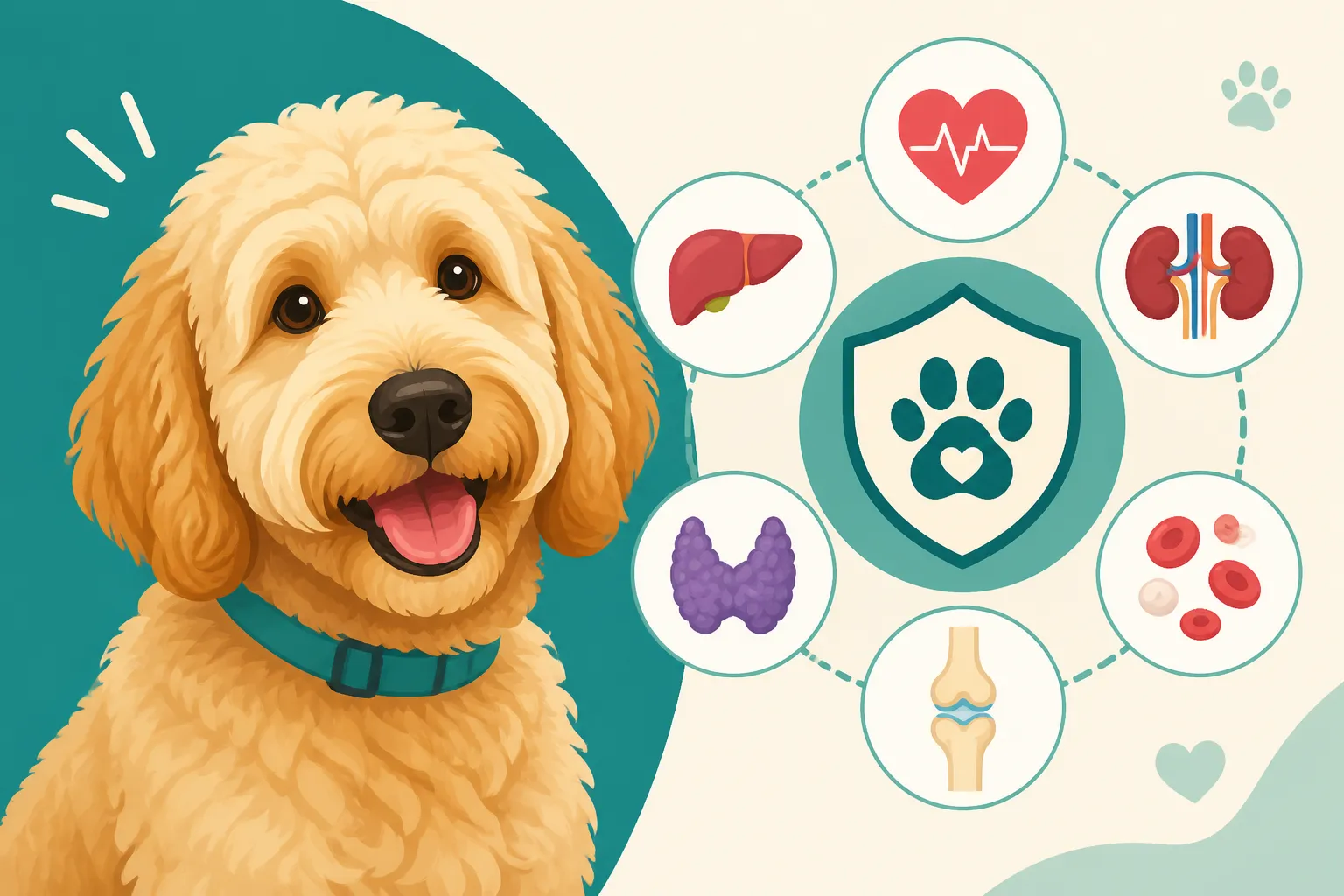
The Senior Panel a Goldendoodle Should Have at Nine
It’s a bittersweet milestone when your beloved Goldendoodle, once a bouncy, energetic puppy, starts showing those first subtle signs of aging. You might notice them slowing down a bit on walks, struggling more after a long play session, or perhaps just sleeping a little longer each day. It’s natural to feel a pang of worry and wonder if these changes are just normal aging or something more serious lurking beneath the surface. This guide is here to walk you through why turning nine is a significant age for your Goldendoodle and what a comprehensive senior health panel involves, helping you feel more prepared and proactive in supporting their health in these golden years.
Why Nine is a Critical Age for Goldendoodle Senior Care
For many Goldendoodle parents, the shift from active adult to distinguished senior can feel sudden, but often, the changes begin subtly around the age of seven or eight, becoming more pronounced by nine. This isn't just an arbitrary number; it's a generally recognized turning point in canine health where the risk of age-related diseases significantly increases. Think of it as the canine equivalent of us hitting our mid-50s or early 60s – things just don't quite work the same as they used to, and it's time to be more vigilant.
The frustration often stems from seeing our dogs slow down, knowing they can't tell us exactly what's bothering them. Are they just tired, or is it joint pain? Is their appetite decrease a sign of a bad day, or is something internal causing issues? A proactive approach around age nine allows us to establish a baseline and catch potential problems when they're most manageable.
Understanding the Goldendoodle Lifespan
Most Goldendoodles enjoy a lifespan typically ranging from 10 to 15 years, with factors like size, genetics, and overall care playing a significant role. Standard Goldendoodles, being larger, often fall into the lower end of that range, while Mini and Toy Goldendoodles might live longer, pushing closer to the 15-year mark. This means that a nine-year-old Goldendoodle is likely entering what veterinarians consider their senior years. For a Standard Goldendoodle, nine years old could already be equivalent to a human in their mid-60s or even early 70s, making it a crucial time for heightened medical attention.
The shift into senior status isn't just about calendar years; it's about the physiological changes occurring internally. Their organs begin to work less efficiently, their immune system might not be as robust, and their joints start showing the wear and tear of years of activity. Understanding How Long Goldendoodles Usually Live helps set expectations, but proactive care at this stage is about maximizing their quality of life for whatever time they have left.
Early Detection for Common Senior Ailments
The primary benefit of a senior panel at age nine is early detection. Many age-related diseases in Goldendoodles, such as kidney disease, liver dysfunction, diabetes, thyroid issues, and certain types of cancer, can progress silently for months or even years before obvious clinical signs appear. By the time you notice your Goldendoodle is drinking excessive amounts of water or losing weight despite eating, the disease might already be quite advanced. This can be incredibly disheartening for owners who feel they've missed something.
A comprehensive senior panel allows your veterinarian to spot subtle changes in blood values or organ function that might indicate a problem long before your dog shows symptoms. For instance, a slight elevation in kidney values might not cause your Goldendoodle to show any signs, but it gives your vet a heads-up that renal support, such as a prescription diet, might be beneficial to slow progression. Catching these issues early means more treatment options, potentially less invasive interventions, and a better prognosis for your furry friend, ultimately saving them discomfort and you stress down the line. It's about being ahead of the curve, rather than always playing catch-up.
What a Comprehensive Senior Panel Includes
When your Goldendoodle hits that nine-year mark, your veterinarian will likely recommend what's known as a "senior panel" or "geriatric workup." This isn't just a standard annual check-up with a little extra; it's a targeted battery of tests designed to peek inside your dog's body and assess the health of their major organ systems. The goal is to provide a detailed snapshot of their internal workings, looking for changes that are common in aging dogs. It can feel overwhelming with all the medical jargon, but understanding each component helps you appreciate its importance.
Bloodwork Beyond the Basics
The cornerstone of any good senior panel is extensive bloodwork. Your vet will draw a small sample of blood, which is then sent to a lab for analysis. This goes far beyond the basic tests a younger dog might get.
- Complete Blood Count (CBC): This test looks at the red blood cells, white blood cells, and platelets. Anemia (low red blood cells) is common in older dogs and can indicate various underlying issues, from chronic disease to internal bleeding. High white blood cell counts could signal infection or inflammation, while abnormal platelet counts can affect blood clotting. It’s a vital overview of your Goldendoodle's immune response and oxygen-carrying capacity.
- Chemistry Panel: This is a powerhouse of information, assessing the function of several key organs.
- Kidney Health: Tests like Blood Urea Nitrogen (BUN), Creatinine, and Symmetric Dimethylarginine (SDMA) evaluate how well your Goldendoodle’s kidneys are filtering waste products from the blood. SDMA, in particular, can detect kidney disease much earlier than BUN or Creatinine, sometimes months or even years before the traditional markers show abnormalities. Early detection here can significantly impact treatment strategies and slow disease progression.
- Liver Health: Enzymes such as Alanine Aminotransferase (ALT), Alkaline Phosphatase (ALP), and Bilirubin provide insights into liver function. Elevated levels can indicate liver disease, exposure to toxins, or certain medications. The liver is a resilient organ, but it can suffer silently for a long time.
- Glucose (Blood Sugar): This screens for diabetes, a condition that can develop in older dogs, especially if they are overweight. High glucose levels might require dietary changes or insulin therapy.
- Electrolytes: Sodium, potassium, and chloride levels are crucial for nerve and muscle function, hydration, and overall cellular health. Imbalances can point to kidney disease, Addison's disease (which Goldendoodles are predisposed to), or other metabolic issues.
- Proteins: Albumin and globulin levels help assess nutritional status, liver function, kidney function, and detect inflammation or certain immune disorders.
- Thyroid Hormone Levels: Hypothyroidism, an underactive thyroid gland, is particularly common in Goldendoodles and other retriever/poodle crosses. This condition can lead to weight gain, lethargy, skin problems like Thyroid Disease and a Goldendoodle Losing Coat, and a dull coat. A comprehensive thyroid panel, often including T4, free T4, and TSH, is essential to diagnose this condition, which is easily managed with daily medication. Without this specific test, these subtle symptoms might be dismissed as just "getting old."
Urinalysis and Fecal Exam
While bloodwork gives us a lot of information, it’s not the whole story. A urinalysis and fecal exam are simple, non-invasive tests that provide crucial complementary data, often revealing issues that blood tests might miss. It’s tempting to skip these, especially if you think your dog’s bathroom habits are normal, but they are vital pieces of the puzzle.
-
Urinalysis: This test involves collecting a urine sample, ideally a "first-morning" sample, to get the most concentrated results. The urine is checked for several factors:
- Specific Gravity: This measures the urine's concentration, indicating how well the kidneys are concentrating urine. Dilute urine can be an early sign of kidney disease or hormonal imbalances.
- pH Levels: Abnormal pH can predispose a dog to certain types of bladder stones or urinary tract infections.
- Presence of Glucose, Protein, or Blood: Glucose in urine, even if blood glucose is normal, can indicate kidney issues. Protein in the urine can also signal kidney disease. Blood, whether visible or microscopic, points to inflammation, infection, or stones in the urinary tract.
- Sediment Analysis: Under a microscope, the urine is examined for crystals, bacteria, white blood cells, or red blood cells, all of which can indicate infection, inflammation, or developing kidney stones. Given that Goldendoodles can be prone to urinary issues, especially if they have recurring ear infections due to systemic issues, a urinalysis is a must-do.
-
Fecal Exam: Your vet will ask for a fresh stool sample, which is then analyzed for:
- Parasites: Even if your dog is on year-round parasite prevention, resistant strains or environmental exposure can occur. Worms or other intestinal parasites can cause weight loss, diarrhea, or nutrient malabsorption, impacting an older dog's already vulnerable system.
- Occult Blood: Microscopic blood in the stool, which isn't visible to the naked eye, can indicate gastrointestinal bleeding, ulcers, or even certain types of cancer in the digestive tract. Early detection of such issues is critical for a better prognosis.
- Bacterial Imbalances: While not always conclusive, sometimes significant bacterial overgrowth or imbalance can be observed, which might contribute to digestive upset that owners might attribute to "just old age."
Comprehensive Physical and Oral Exam
Beyond the lab tests, a thorough physical examination by your veterinarian remains an indispensable part of the senior panel. This hands-on assessment allows your vet to observe, feel, and listen to your Goldendoodle, catching things tests might miss and providing crucial context to the lab results. This is often where a lot of an owner's unspoken worries are addressed or confirmed.
-
Head-to-Tail Physical Examination: Your vet will meticulously check your Goldendoodle from nose to tail:
- Eyes: Looking for signs of cataracts, nuclear sclerosis (a normal age-related change), or other vision impairments. Early detection of Goldendoodle Cataracts and Vision Loss can lead to management strategies or even surgery if appropriate.
- Ears: Checking for signs of chronic ear infections, excess hair, or growths, which are common in Goldendoodles with their floppy, furnished ears. Goldendoodle Ear Hair and Chronic Infection is a frequent complaint, and managing it becomes even more vital as they age.
- Nose and Mouth: Checking for discharge, growths, or other abnormalities.
- Skin and Coat: Assessing for lumps, bumps, skin infections, excessive shedding, or changes in coat quality. Lumps, in particular, should always be evaluated, as older Goldens are prone to various cancers, and early detection of Lumps Under a Goldendoodle Coat You Cannot See can be life-saving.
- Lymph Nodes: Feeling for any enlargement, which could indicate infection, inflammation, or lymphoma.
- Abdomen: Palpating the abdomen to feel for any organ enlargement, masses, or discomfort.
- Joints and Mobility: Carefully evaluating all joints for signs of arthritis, stiffness, pain, or decreased range of motion. This is where conditions like Goldendoodle Arthritis After the Age of Eight become more prevalent. Your vet will watch them walk, trot, and stand to assess their gait and comfort levels.
- Heart and Lungs: Listening with a stethoscope for heart murmurs, arrhythmias, or abnormal lung sounds, which could indicate heart disease or respiratory issues.
- Weight and Body Condition Score: Assessing if your Goldendoodle is maintaining a healthy weight. Goldendoodle Weight Gain and the Strain on Joints can exacerbate arthritis and other senior health issues.
-
Comprehensive Oral Exam: Dental health is often an overlooked aspect of senior pet care, yet it profoundly impacts overall health. Your vet will perform a thorough visual inspection of your Goldendoodle's teeth, gums, and oral cavity. They'll look for:
- Tartar and Plaque Buildup: Excessive buildup can lead to gum disease (gingivitis and periodontitis).
- Loose or Broken Teeth: Painful teeth can make eating difficult and affect nutrition.
- Gum Inflammation or Recession: Signs of advanced dental disease.
- Oral Masses or Growths: While less common, oral tumors can occur and require immediate attention.
- The link between poor oral health and systemic diseases like heart and kidney disease is well-established. Bacteria from infected gums can enter the bloodstream and spread to other organs. Addressing dental issues in a senior Goldendoodle can dramatically improve their comfort and overall health.
This comprehensive approach ensures that both internal and external health markers are evaluated, giving you and your vet the most complete picture possible of your Goldendoodle's well-being as they enter their golden years.
Interpreting Results and Proactive Steps
Once all the tests are back from the lab and your Goldendoodle has had their thorough physical, the next crucial step is understanding what it all means. It's easy to get lost in numbers and medical terms, and it's completely normal to feel a bit anxious about what your vet might find. But remember, the purpose of this panel is not to find doom and gloom, but to empower you with knowledge to make the best decisions for your dog's future.
Discussing Abnormalities with Your Veterinarian
When your vet calls to discuss the results, it's essential to schedule a dedicated time, either in person or over the phone, where you can ask all your questions without feeling rushed. Don't hesitate to ask for clarification on anything you don't understand. A good veterinarian, like those at local practices such as South Fork Animal Hospital or Green Valley Vet Clinic, will take the time to explain the findings in plain language.
Some key questions to ask include:
- What do these specific abnormal values mean for my Goldendoodle? Is it a mild elevation, or a significant concern?
- Is this abnormality common for a Goldendoodle of their age and breed? For example, a slight elevation in liver enzymes might be more concerning in a young dog than an older one on certain medications.
- What are the potential underlying causes of this finding? Could it be diet, medication, an illness, or just a normal age-related change that requires monitoring?
- What are the next steps? Does this require further diagnostics (e.g., ultrasound, X-rays, specialized blood tests), medication, or a change in routine?
- What is the prognosis if we proceed with the recommended treatment or monitoring plan?
- Are there any immediate changes I need to make at home?
For instance, if the thyroid panel indicates hypothyroidism, your vet will explain that it's a common condition in Goldendoodles and easily managed with a daily thyroid hormone supplement. They'll outline the dosage and schedule for retesting to ensure the medication is effective. If early kidney changes are noted, they might discuss a kidney-supportive diet or specific supplements to help slow progression. The goal is always to find the least invasive, most effective way to improve or maintain your Goldendoodle's quality of life.
Lifestyle Adjustments and Ongoing Monitoring
Beyond specific medical treatments, the senior panel results often highlight areas where lifestyle adjustments can make a significant difference. Even if all results come back perfectly normal (which is fantastic!), a nine-year-old Goldendoodle still benefits from proactive changes.
- Dietary Modifications: Many senior Goldendoodles benefit from a diet formulated for older dogs. These diets often have slightly fewer calories to prevent Goldendoodle Weight Gain and the Strain on Joints as their metabolism slows, and they might include joint-supporting supplements like glucosamine and chondroitin. If kidney or liver issues are detected, a prescription therapeutic diet designed to support those organs will be crucial.
- Exercise Adjustments: While it's important to keep senior Goldendoodles active, the intensity and duration of exercise often need to change. Shorter, more frequent walks instead of one long strenuous hike can be better for arthritic joints. Gentle swimming can be excellent for low-impact exercise. Paying attention to their comfort level and avoiding activities that cause pain is key. Regular, appropriate exercise also helps manage weight and maintain muscle mass, which is vital for Senior Goldendoodle Mobility and Arthritis.
- Environmental Modifications: Simple changes at home can greatly improve a senior Goldendoodle's comfort. Ramps for beds or cars, non-slip rugs on hardwood floors, and easily accessible water bowls can make a big difference, especially for dogs with mobility challenges.
- Supplementation: Your vet might recommend supplements such as omega-3 fatty acids for joint and cognitive health, or probiotics for digestive support, depending on the panel results and your dog's overall condition.
- Ongoing Monitoring: A senior panel is not a one-and-done event. Depending on the findings, your vet might recommend more frequent check-ups, perhaps every six months instead of annually, and specific retests to monitor any identified conditions. For example, if a mild thyroid issue is found, they might recheck Testing a Goldendoodle Thyroid After Two Years within a few months to ensure the medication is at the right level. This continuous oversight allows for prompt adjustments to their care plan as their needs evolve. It’s about being an advocate for your aging Goldendoodle, staying vigilant, and working closely with your vet.
Budgeting for Senior Goldendoodle Health
Let's be real: owning a Goldendoodle, while incredibly rewarding, comes with financial responsibilities, and those responsibilities tend to increase significantly as they age. The idea of a senior panel, potential medications, and ongoing special care can be daunting for many owners. It’s a common frustration to want to give your beloved dog the best possible care but worry about the associated costs.
The Rising Costs of Senior Vet Care
It's an unfortunate truth that as dogs age, their veterinary bills tend to climb. In their youth, it's mostly routine vaccinations, parasite prevention, and maybe a spay/neuter. But in their senior years, the focus shifts to managing chronic conditions. A senior panel itself can range from a few hundred dollars to upwards of $500, depending on your location and the specific tests included. This doesn't even account for any follow-up diagnostics, medications, or specialized treatments that might be recommended.
Consider some common scenarios:
- Arthritis Management: This might involve prescription pain relievers, anti-inflammatory drugs, joint supplements, and possibly even physical therapy or acupuncture. These can easily run $50-$200 per month.
- Hypothyroidism: While the initial diagnosis costs are for the blood panel, the daily medication is typically affordable, often $20-$40 per month, plus recheck blood tests every 6-12 months.
- Kidney Disease: Special prescription diets can be significantly more expensive than regular dog food, and medications to manage symptoms or slow progression can add another $50-$150 monthly.
- Cancer Treatment: Should a form of Cancer Risk a Goldendoodle Carries From the Golden Side be detected, costs can escalate rapidly into thousands of dollars for surgery, chemotherapy, or radiation.
These ongoing costs, especially for multiple conditions, can quickly add up, leaving many owners feeling overwhelmed. It's a harsh reality that quality senior care requires not just time and emotional investment, but a substantial financial one too.
The Role of Pet Insurance in Senior Years
This is where pet insurance can truly shine, even if you’re enrolling an older Goldendoodle. While most policies won't cover pre-existing conditions (meaning anything diagnosed before you enroll or during a waiting period), having a good policy in place before a major senior health issue develops can be a financial lifesaver. For example, if your Goldendoodle is nine and gets their first senior panel, and that panel reveals early kidney disease, that condition would then likely be considered pre-existing if you tried to enroll after the diagnosis.
However, if you had a policy like those offered by Healthy Paws or similar providers before that diagnosis, and then your Goldendoodle developed a new condition, the insurance would kick in. Healthy Paws, for example, is known for its comprehensive coverage for accidents and illnesses, which is exactly what you need for unexpected senior health curveballs. They often cover diagnostics, surgeries, specialist visits, and medications, which are all components of senior care.
It's crucial to research policies carefully. Look at:
- Age Limits: Some insurers have age restrictions for new enrollments or reduce coverage for older pets.
- Waiting Periods: Understand how long you have to wait after enrollment before coverage begins for accidents and illnesses.
- Deductibles and Reimbursement Levels: How much you pay out-of-pocket before insurance starts paying, and what percentage they reimburse.
- Exclusions: Know what the policy explicitly doesn't cover.
Even if you enroll your Goldendoodle at nine and they already have a few minor age-related issues, pet insurance can still provide peace of mind for new conditions that might arise. It helps transform potentially crippling emergency bills into manageable monthly premiums and deductibles, allowing you to make medical decisions based on what’s best for your Goldendoodle, not just your wallet. It's a responsible way to budget for the inevitable, ensuring your beloved Goldendoodle receives the best possible care throughout their golden years.
Disclaimer
This article is for general informational purposes only and does not constitute professional advice. Laws, prices and regulations vary by location and change over time. Consult a qualified professional for guidance on your specific situation.