Dental Crowding in a Toy Goldendoodle Mouth
It’s incredibly disheartening when you bring home your adorable Toy Goldendoodle puppy, full of fluffy charm, only to discover their tiny mouth is a jumbled mess of crowded teeth. You expect a lifetime of happy, healthy smiles, but instead, you’re staring at teeth that look like they’re playing bumper cars, overlapping and twisting in all sorts of awkward directions. This isn't just a cosmetic issue; dental crowding in Toy Goldendoodles can lead to a host of painful problems down the line if not addressed properly. This guide aims to shed light on why this happens in our smaller Doodles, what signs to look for, and the best ways to ensure your furry friend maintains a healthy, comfortable mouth.
Why Toy Goldendoodles Are Prone to Dental Crowding
It’s a tale as old as time (or at least as old as the designer dog trend): you combine two different breeds, hoping to get the best of both worlds, and sometimes you end up with a few quirks. With Toy Goldendoodles, specifically, the dental crowding issue stems from a fascinating, albeit problematic, blend of their parent breeds' physical traits. It's a common frustration for owners who just want their little companions to be comfortable.
The Genetic Mix-Up: Poodle Jaws, Golden Retriever Teeth
Think about it: a Toy Poodle has a delicate, refined jaw designed to comfortably hold a set of Poodle-sized teeth. Then, you have the Golden Retriever, known for its sturdy build and, typically, larger, more robust teeth built for carrying and retrieving. When you cross these two, especially downsizing for a Toy Goldendoodle, you're essentially asking a smaller jaw to accommodate teeth that might be more akin to their larger Golden Retriever ancestors. It's like trying to fit a king-sized mattress into a twin bed frame – it just doesn't quite work.
This genetic lottery means that your adorable Toy Goldendoodle might inherit the smaller jaw structure from their Poodle side, which is what gives them their diminutive size, but also the larger teeth from their Golden Retriever lineage. The result? A clear size mismatch. The available space in the jaw simply isn't enough for all those teeth to erupt and sit in a nice, orderly fashion. Breeders aim for certain traits like size and coat type, but sometimes the intricacies of skeletal and dental development can be an unpredictable outcome of mixing genetics, leading to unforeseen dental challenges.
When Puppy Teeth Don't Make Way for Adult Teeth
Another major culprit in Goldendoodle dental crowding, particularly in the smaller sizes, is the phenomenon of retained puppy teeth. This is something many new puppy owners encounter and it can be quite alarming. Normally, a puppy's deciduous (baby) teeth fall out as the permanent adult teeth push through, starting around three to four months of age and continuing until about six months. It’s a natural process, and those little baby teeth make way like good citizens.
However, in smaller breeds and crossbreeds like the Toy Goldendoodle, those puppy teeth sometimes decide to cling on for dear life. Instead of shedding, they remain firmly rooted in the jaw, creating a double row of teeth. Imagine having two sets of teeth trying to occupy the same space! This is a classic recipe for severe crowding. The adult tooth, unable to push out the baby tooth, might erupt crooked, rotated, or even in an entirely incorrect position. This isn't just an aesthetic concern; these retained puppy teeth can trap food, lead to premature tartar buildup, and cause significant discomfort or even pain for your dog. If you notice your Toy Goldendoodle still has their puppy canines or incisors when their adult teeth are clearly coming in, it’s definitely time for a vet visit. Early intervention for Retained Puppy Teeth in a Mini Goldendoodle is crucial.
Recognizing the Signs and Potential Problems of Crowded Teeth
As a Goldendoodle owner, you want to ensure your pup is healthy and happy. Dental issues can often go unnoticed because, let’s be honest, how often do we truly get a good, long look inside our dog's mouth? But being proactive and knowing what to look for can save your Toy Goldendoodle a lot of discomfort and you a lot of worry (and potentially expense!).
What to Look For: Visible Signs of Dental Crowding
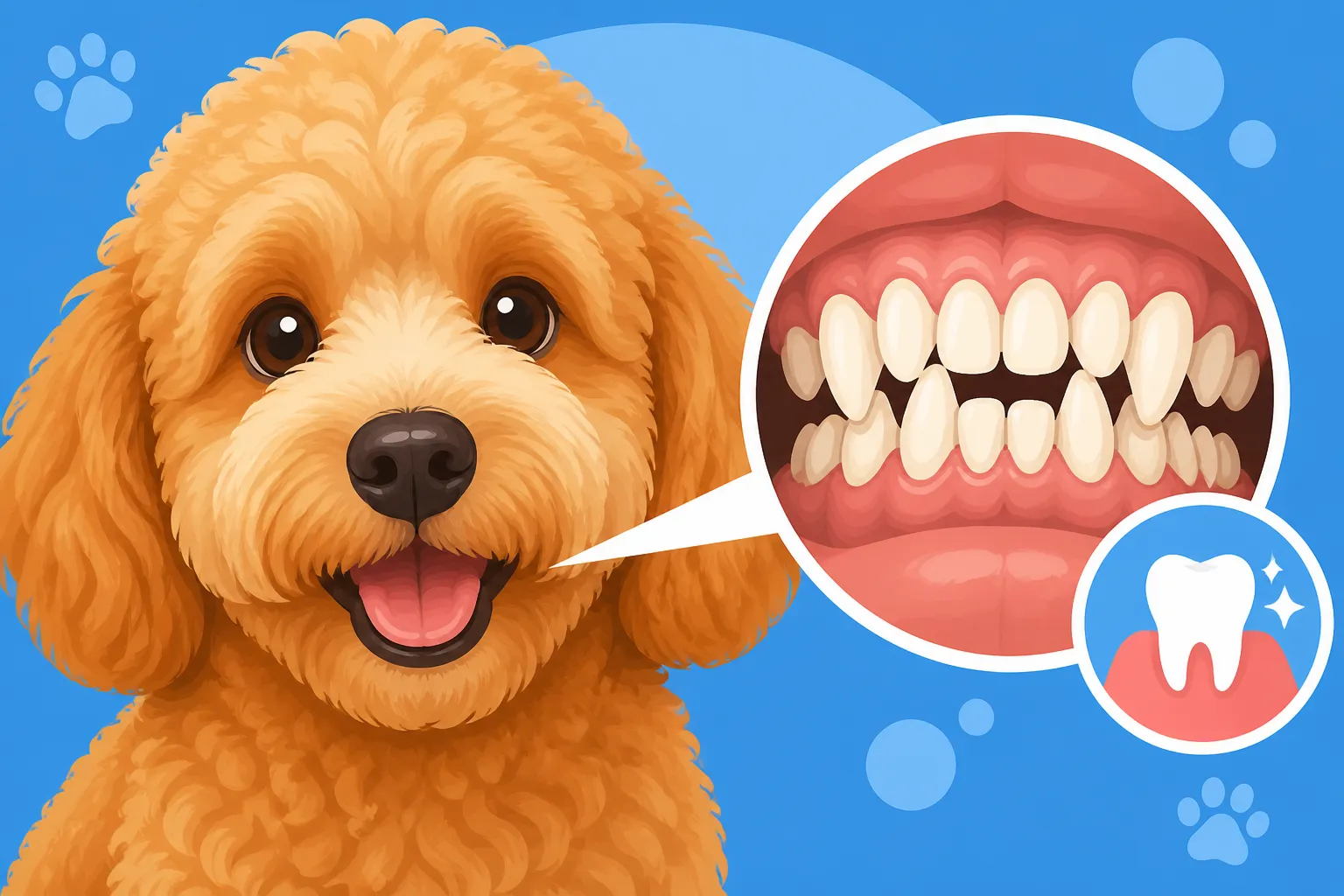
The most obvious sign of dental crowding is, well, crowded teeth! When you gently lift your Goldendoodle’s lip and peek inside, you might see teeth that are visibly crooked, leaning at odd angles, or even twisted on their axis. You might notice some teeth overlapping others, or appearing too close together with very little space between them. For example, the smaller incisors at the front might be pushed back behind the larger canine teeth, creating a "fence" of teeth that traps debris.
Beyond the visual, there are other, more subtle clues that your Goldendoodle might be experiencing dental discomfort due to crowding. Bad breath, or halitosis, is a huge red flag. While "dog breath" is a common phrase, genuinely foul odor often points to bacterial buildup from trapped food and early gum disease. You might also observe your dog pawing at their mouth, reluctance to chew on their favorite toys or hard kibble, or even excessive drooling. Some dogs might become withdrawn or show changes in their eating habits, perhaps favoring softer foods or eating slower than usual. It’s important to pay attention to these changes, even if they seem minor. A good habit is to regularly check your Goldendoodle's mouth during grooming sessions, especially when you're brushing their teeth, so you become familiar with what's normal for them.
The Health Implications of a Crowded Mouth
The problems caused by crowded teeth extend far beyond a less-than-perfect smile. They create a perfect storm for serious oral health issues, primarily because they make effective cleaning incredibly difficult, both for you and your dog. When teeth are packed together, food particles and bacteria have more nooks and crannies to hide in, forming plaque. This plaque quickly hardens into tartar, a stubborn mineral deposit that can only be removed by a professional dental cleaning.
The accumulation of plaque and tartar leads directly to gum inflammation, known as gingivitis. You might see gums that are red, swollen, or even bleed slightly when touched. If gingivitis is left untreated, it progresses to periodontal disease, a much more serious condition where the inflammation spreads beneath the gum line, damaging the supporting structures of the teeth – the bone and ligaments. This can lead to painful infections, tooth decay, and eventually, tooth loss. Imagine having a persistent toothache; that's what many dogs with advanced periodontal disease experience.
What's even more alarming is that the chronic inflammation and bacterial presence in the mouth can have systemic effects on your Goldendoodle's overall health. Bacteria from severe dental infections can enter the bloodstream and travel to vital organs like the heart, kidneys, and liver, causing secondary infections or exacerbating existing conditions. Furthermore, severely crowded teeth can lead to abnormal wear patterns, where teeth rub against each other or even cut into the soft tissues of the mouth, causing pain and open sores. For example, a misaligned canine tooth might constantly irritate the opposite gum or lip, leading to chronic inflammation and discomfort.
Here’s a quick overview of what to watch for:
| Sign of Dental Crowding | Potential Issue |
|---|---|
| Overlapping/Rotated Teeth | Traps food, accelerates plaque/tartar buildup, difficult to clean. |
| Retained Puppy Teeth | Causes adult teeth to erupt incorrectly, leads to double rows of teeth, food trapping. |
| Bad Breath (Halitosis) | Indicates bacterial growth, gingivitis, or developing periodontal disease. |
| Red/Swollen Gums | Sign of gingivitis, which can progress to more severe periodontal disease. |
| Reluctance to Chew | Pain or discomfort from crowded teeth, gum inflammation, or infection. |
| Excessive Drooling | Can indicate oral pain, irritation, or an attempt to flush out debris. |
| Pawing at Mouth | Clear sign of discomfort or pain in the oral cavity. |
| Visible Tartar Buildup | Hardened plaque, indicates active bacterial colonies and precursor to gum disease. |
Proactive Care and Veterinary Interventions for Dental Health
The good news amidst the worry of dental crowding is that there's a lot you can do to manage and mitigate its effects. Being proactive about your Toy Goldendoodle's oral hygiene from day one can make a world of difference, preventing minor issues from escalating into major health crises. This isn't just about making their breath smell better; it's about safeguarding their overall well-being and comfort.
At-Home Dental Care Strategies
Daily tooth brushing is, without a doubt, the single most effective thing you can do for your Goldendoodle's dental health, especially if they have crowded teeth. Yes, it can be a challenge to navigate those tight spaces, but even brushing the outer surfaces of the teeth and gums can significantly reduce plaque buildup. Use a soft-bristled pet toothbrush or a finger brush and dog-specific toothpaste (never human toothpaste, as it contains ingredients toxic to dogs). Focus on short, gentle strokes, paying extra attention to where the tooth meets the gum line. If your Goldendoodle resists, introduce it slowly with positive reinforcement, letting them lick the toothpaste off your finger first. Starting this habit when they are a puppy will make it much easier.
Beyond brushing, consider incorporating other dental health aids. Dental chews can be beneficial, but choose wisely. Look for Veterinary Oral Health Council (VOHC) approved products, which have been scientifically proven to reduce plaque and tartar. Ensure the size and texture are appropriate for your Toy Goldendoodle; avoid anything too hard that could fracture a tooth, especially if their teeth are already misaligned or stressed. Water additives or dental rinses, while not a substitute for brushing, can also help reduce bacteria in the mouth. Just remember to always supervise your pup with chews and choose products that are safe and effective for their specific needs, particularly when dealing with Goldendoodle Tartar and Gum Disease.
When to See the Vet and What to Expect
Regular veterinary check-ups are absolutely non-negotiable for a Goldendoodle with dental crowding. Your vet can spot issues you might miss, and early detection is key to preventing severe problems. During a routine exam, your vet will perform an oral assessment, but a true understanding of your dog's dental health, especially with crowding, often requires a professional dental cleaning under anesthesia.
It sounds daunting, but this procedure allows the vet to thoroughly examine every tooth, probe for gum pockets, and take dental X-rays to assess the health of the tooth roots and jawbone, which are often hidden. Under anesthesia, they can safely perform scaling (removing plaque and tartar above and below the gum line), polishing (to smooth the tooth surfaces and deter future plaque adhesion), and address any problems.
For instance, if retained puppy teeth are present, they will be carefully extracted to prevent further crowding and allow adult teeth to settle. This is a common and important procedure for smaller Doodles. Sometimes, even after removing retained puppy teeth, severe crowding might still exist. In such cases, your vet might discuss further interventions, which could include the extraction of adult teeth to alleviate pressure and improve overall oral health. While it sounds drastic, sometimes removing a few crowded teeth is the kindest option to ensure the long-term comfort and health of your dog, preventing chronic pain and infection.
The cost of these procedures can be significant, ranging from several hundred to a few thousand dollars depending on the severity and location. Many owners find relief in pet insurance policies from providers like Healthy Paws, which can help cover unexpected dental surgeries or chronic care, making these vital interventions more accessible. It’s worth checking if your current or prospective pet insurance provider, such as Healthy Paws, covers routine dental cleanings or only covers unexpected dental issues. Looking into Goldendoodle Pet Insurance for a Dog With No Breed Papers can be a lifesaver for these kinds of unexpected veterinary bills. Remember, ignoring dental crowding will almost certainly lead to more extensive and expensive problems down the road, not to mention a lot of pain for your beloved companion. Catching issues early, staying on top of at-home care, and working closely with your vet will ensure your Toy Goldendoodle can enjoy a comfortable mouth and a happy life.
Disclaimer
This article is intended for informational purposes only and does not constitute veterinary advice. Always consult with a qualified veterinarian for any health concerns or before making any decisions about your Goldendoodle's care.