Testing a Goldendoodle Before Elective Surgery
The thought of your Goldendoodle needing surgery is enough to make any dog parent's heart sink. Beyond the worry about the procedure itself, there’s often a whirlwind of questions about what needs to happen beforehand, especially when it comes to tests. It’s a common frustration: you just want your beloved companion to be safe, but navigating the medical jargon and understanding why certain tests are necessary can feel overwhelming. This comprehensive guide is here to walk you through the crucial pre-surgical testing for your Goldendoodle, explaining what these tests reveal and how they contribute to a safer surgical experience for your furry family member.
Why Pre-Surgical Testing Is Non-Negotiable for Goldendoodles
It’s easy to think, "My Goldendoodle seems perfectly healthy, why do they need all these tests?" But elective surgery, even for something routine like a spay or neuter, carries inherent risks, primarily from anesthesia. Goldendoodles, being a crossbreed, carry a unique genetic tapestry from both Golden Retrievers and Standard Poodles, which means they can inherit a wider array of predispositions that might not be immediately obvious on the surface. Pre-surgical testing isn’t just a formality; it’s a vital safety net designed to uncover any hidden health issues that could turn a routine procedure into a life-threatening complication.
The Hidden Risks in Mixed Breeds
One of the biggest misconceptions about crossbreeds like Goldendoodles is that "hybrid vigor" automatically makes them healthier. While they might benefit from a broader gene pool, they also inherit the potential for health conditions from both parent breeds. This means your Goldendoodle could be carrying genetic markers for issues that are common in Golden Retrievers, Poodles, or even a combination of both. Without proper testing, these lurking issues, such as organ dysfunction or clotting disorders, might go unnoticed until they're dangerously exacerbated by anesthesia or surgery.
Imagine your Goldendoodle, a bundle of energy, seemingly in peak condition. You wouldn't necessarily know that their liver isn't processing certain medications efficiently, or that their kidneys are slightly compromised, simply by looking at them. These are the kinds of silent dangers that pre-surgical testing is designed to bring to light, allowing your veterinary team to make informed decisions and tailor the anesthetic protocol to your dog's specific needs. It's about proactive care, catching potential problems before they become critical.
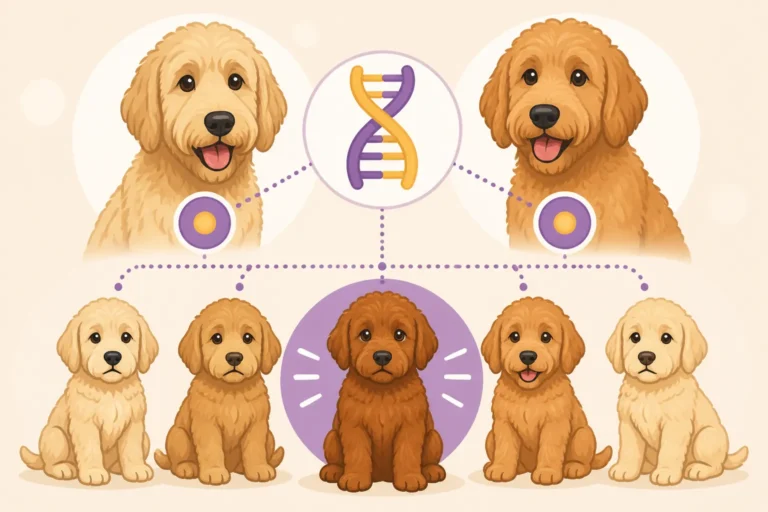
This complex genetic inheritance means that while your Goldendoodle might have fewer instances of some conditions than a purebred dog, they can still be susceptible to a range of others. For example, some Goldendoodles may carry genetic markers for certain bleeding disorders from their Poodle lineage or heart conditions from their Golden Retriever side. A pre-surgical panel helps ensure that your vet knows exactly what genetic cards your dog is holding, allowing them to stack the deck in favor of a safe outcome.
Standard Bloodwork and Its Critical Role
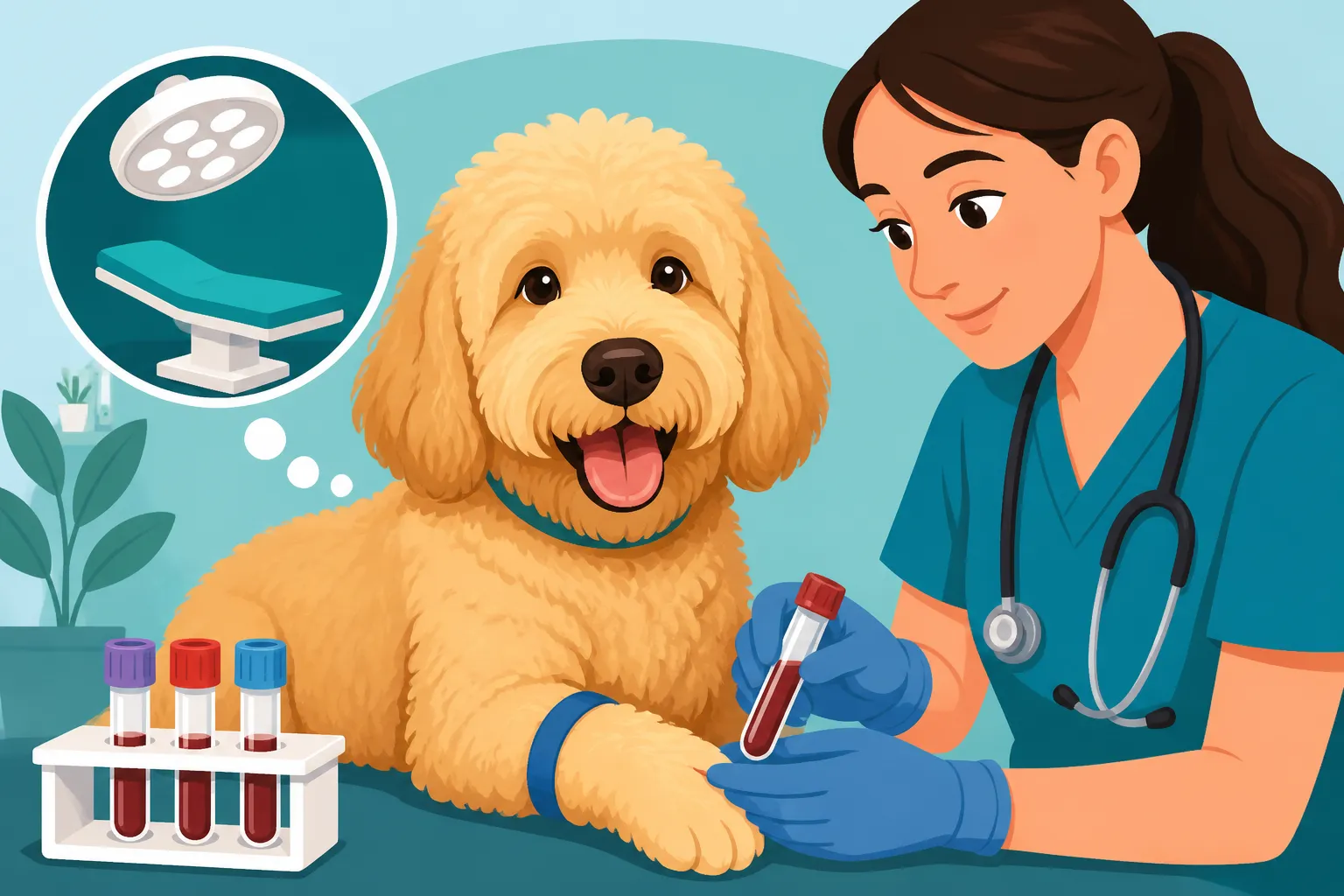
The cornerstone of any pre-surgical workup is comprehensive blood testing. This typically includes a Complete Blood Count (CBC) and a biochemistry panel, sometimes referred to as a "chem panel" or "organ function test." These tests provide a snapshot of your Goldendoodle's internal health, offering insights that a physical exam alone cannot. They are non-invasive and provide a wealth of information crucial for making anesthesia as safe as possible.
The CBC gives your vet information about your Goldendoodle's red blood cells, white blood cells, and platelets. Anemia (low red blood cells) could make anesthesia riskier, as it reduces oxygen-carrying capacity. High white blood cell counts might indicate an underlying infection or inflammation, which could complicate healing post-surgery. Platelet counts are crucial for clotting; if they're too low, there's an increased risk of excessive bleeding during the operation. Catching these issues before surgery allows the vet to address them, postpone if necessary, or take extra precautions.
The biochemistry panel focuses on organ function, primarily the liver and kidneys, which are responsible for metabolizing and eliminating anesthetic drugs from the body. If these organs aren't functioning optimally, anesthetic agents can build up to toxic levels, leading to severe complications or even organ failure. This panel also assesses electrolyte balance, blood sugar levels, and protein levels, all of which are vital indicators of overall health and how well your Goldendoodle will tolerate and recover from anesthesia. For instance, abnormal kidney values might prompt your vet to use different anesthetic drugs or administer intravenous fluids more aggressively to support kidney function during the procedure.
Tailoring Tests to Your Goldendoodle's Age and Health
The type and extent of pre-surgical testing often vary depending on your Goldendoodle's age, general health, and the specific procedure being performed. A young, healthy Goldendoodle puppy undergoing a routine spay or neuter might require a less extensive panel than an older Goldendoodle facing a more complex surgical intervention. It’s not a one-size-fits-all approach; your vet will consider your dog’s unique profile.
For a Goldendoodle puppy, basic bloodwork helps confirm they are robust enough for anesthesia and surgery, catching any congenital anomalies that might not be visible. Ensuring their organs are functioning correctly before they undergo any procedure is paramount. They’re still growing, and their bodies are rapidly developing, so even minor imbalances can have a larger impact. This is often where your vet might discuss topics like Goldendoodle Puppy Vaccination Timing to ensure they are fully protected and healthy before any elective surgery.
On the other hand, a senior Goldendoodle, perhaps over the age of nine, will likely need a more comprehensive workup. As dogs age, organ function can naturally decline, and they may develop age-related conditions like heart disease, kidney disease, or thyroid issues. For an older Goldendoodle, pre-surgical tests might include additional screenings like an electrocardiogram (ECG) to assess heart rhythm, a urinalysis to evaluate kidney function more deeply, or even chest X-rays to check lung and heart size. These extra steps are vital for minimizing risks in an aging pet.
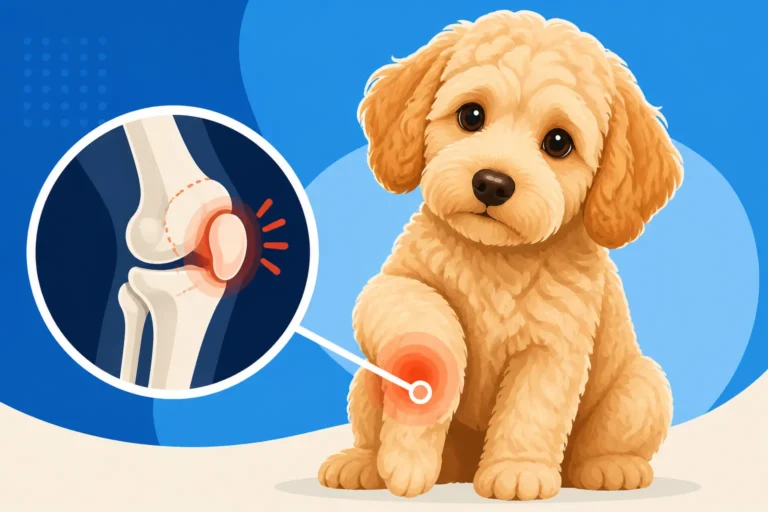
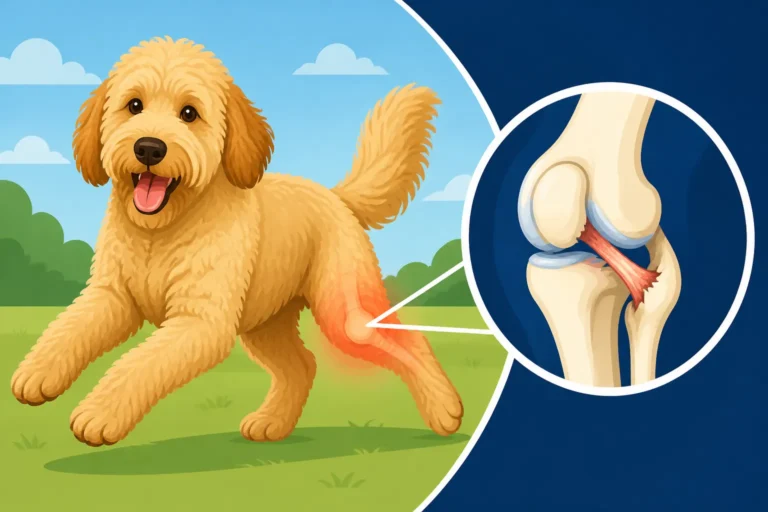
Furthermore, if your Goldendoodle has any existing health conditions – for example, chronic allergies, a history of ear infections, or known joint problems – your vet might recommend specific tests to ensure these conditions won't complicate the surgery or recovery. For instance, a Goldendoodle prone to allergies might need an assessment to ensure no active skin infections are present that could spread during surgery. Any history of issues like Goldendoodle Hip Dysplasia at 15 to 20 Percent would certainly inform the anesthetic and pain management plan.
Specific Tests Beyond Basic Bloodwork for Goldendoodles
While general bloodwork provides a foundational understanding of your Goldendoodle's health, certain conditions common in their parent breeds warrant more targeted pre-surgical evaluations. These specialized tests can uncover specific risks that basic panels might miss, providing a more complete picture and allowing your vet to anticipate and mitigate potential complications. Ignoring these could lead to unexpected and dangerous outcomes.
Cardiac Screening for Anesthesia Safety
Cardiac health is a significant concern for Goldendoodles, especially given the Golden Retriever’s predisposition to certain heart conditions. Anesthesia puts stress on the cardiovascular system, making it crucial to ensure your Goldendoodle's heart is healthy enough to handle it. Even a subtle heart murmur, which might not cause any symptoms in daily life, can indicate an underlying issue that could become critical under anesthetic drugs.
A thorough cardiac exam involves your veterinarian listening carefully to your Goldendoodle’s heart with a stethoscope. If they detect a murmur or any unusual rhythm, they might recommend further diagnostics. These could include an electrocardiogram (ECG), which measures the electrical activity of the heart, or a cardiac ultrasound (echocardiogram), which provides a detailed view of the heart's structure and function. These tests help identify conditions such as subvalvular aortic stenosis (SAS) or dilated cardiomyopathy, which are more common in Golden Retrievers and thus can be inherited by Goldendoodles. Addressing potential issues like The Heart Defect a Goldendoodle Gets From the Golden Line before surgery is a critical safety measure.
Knowing about a pre-existing heart condition allows your vet to choose specific anesthetic agents that are less taxing on the heart, adjust dosages, and monitor your Goldendoodle more intensely during the procedure. In some cases, a consultation with a veterinary cardiologist might be recommended, or the surgery might even be postponed until the heart condition can be managed with medication. This proactive approach significantly reduces the risk of cardiac arrest or other severe complications during surgery.
Coagulation Panels for Bleeding Disorders
Another crucial area of concern, particularly due to the Poodle lineage, is the potential for bleeding disorders. Von Willebrand Disease (vWD) is an inherited blood clotting disorder that can affect both Poodles and Golden Retrievers, meaning Goldendoodles can also be carriers or affected. Dogs with vWD have a deficiency in von Willebrand factor, a protein essential for normal blood clotting. If an affected Goldendoodle undergoes surgery without this being identified, they could experience excessive and prolonged bleeding, which is a severe and life-threatening complication.
A coagulation panel is a series of blood tests that assess the body's ability to form clots. These tests measure various factors involved in the clotting process, such as prothrombin time (PT), activated partial thromboplastin time (aPTT), and buccal mucosal bleeding time (BMBT). A more specific test for vWD, called a vWF antigen test, can directly measure the amount of von Willebrand factor in the blood. If your Goldendoodle's parentage includes lines known for vWD, or if you have any concerns, this test is highly recommended. It ties into understanding Von Willebrand Disease and Goldendoodle Bleeding Risk.
If a bleeding disorder is identified, your vet can take preventive measures. This might involve administering desmopressin (a drug that can temporarily increase vWF levels) before surgery or having fresh frozen plasma readily available for transfusion during or after the procedure. In some cases, if the risk is very high, your vet might even recommend delaying elective surgery to explore further management options. This foresight can literally be a lifesaver, ensuring that your Goldendoodle's surgery is as safe as possible without the added risk of uncontrolled hemorrhage.
Thyroid Function and Anesthesia Response
Thyroid disease, particularly hypothyroidism, is another condition commonly seen in both Poodles and Golden Retrievers, making Goldendoodles susceptible. The thyroid gland produces hormones that regulate metabolism throughout the body. An underactive thyroid can have wide-ranging effects, including impacting how a dog responds to and metabolizes anesthetic drugs.
A routine thyroid panel, which measures levels of thyroid hormones like T4 and TSH, can diagnose hypothyroidism. If your Goldendoodle is hypothyroid and not yet on medication, or if their current medication dosage isn't optimized, it can slow their metabolism. This slowed metabolism can cause anesthetic drugs to remain in their system longer, leading to a prolonged and potentially dangerous recovery from anesthesia. This is a common discussion point for Goldendoodle owners, especially when considering Goldendoodle Hypothyroidism and Weight Gain as a symptom.
Identifying hypothyroidism before surgery allows your vet to manage it appropriately. If diagnosed, your Goldendoodle would typically be started on thyroid hormone replacement medication, and the surgery might be scheduled once their thyroid levels are stable and within a normal range. This ensures that their body is metabolizing and clearing anesthetic drugs effectively, leading to a smoother and safer anesthetic experience and recovery. Pre-surgical thyroid testing is a simple step that can prevent significant post-operative complications related to drug metabolism.
Here's a quick look at some key pre-surgical tests and what they check:
| Test Type | What It Screens For | Why It's Important for Surgery |
|---|---|---|
| Complete Blood Count (CBC) | Red blood cells (anemia), white blood cells (infection, inflammation), platelets (clotting) | Identifies anemia, infection, or clotting issues that increase anesthetic and bleeding risks. |
| Biochemistry Panel | Liver & kidney function, blood sugar, electrolytes, proteins | Assesses organ ability to metabolize/excrete drugs; detects metabolic imbalances. |
| Urinalysis | Kidney function, urinary tract infections | Provides a deeper look at kidney health; rules out urinary infections. |
| Electrocardiogram (ECG) | Heart rhythm and electrical activity | Detects abnormal heart rhythms (arrhythmias) that could be dangerous under anesthesia. |
| Echocardiogram | Heart structure and function (if murmur detected) | Visualizes heart muscles, valves; identifies congenital or acquired heart disease. |
| Coagulation Panel | Blood clotting ability | Crucial for identifying bleeding disorders like Von Willebrand Disease. |
| Thyroid Panel | Thyroid hormone levels (T4, TSH) | Detects hypothyroidism, which can affect anesthetic metabolism and recovery. |
| Chest X-rays | Lung health, heart size and shape | Rules out lung disease or significant heart enlargement that could complicate anesthesia. |
The Conversation with Your Vet: Advocating for Your Goldendoodle
Preparing for elective surgery involves more than just dropping your Goldendoodle off at the clinic. It’s an active process where you, as their primary caregiver, play a critical role in advocating for their best interests. This means engaging in a thorough discussion with your veterinarian, asking pertinent questions, and openly sharing your Goldendoodle’s full health history and any concerns you might have. Your vet is your partner in this, and a good dialogue ensures everyone is on the same page.
Asking the Right Questions About Pre-Surgical Protocols
Before your Goldendoodle goes under the knife, you should feel fully informed and confident about the plan. Don't hesitate to ask your vet any questions you have, no matter how small they seem. A good veterinarian will appreciate your engagement and take the time to explain everything clearly. Remember, this is your Goldendoodle's well-being at stake.
Some critical questions to ask include: "What specific pre-surgical tests are you recommending for my Goldendoodle, and why?" Ask for an explanation of what each test screens for and how the results will inform the anesthetic protocol. Inquire about the risks associated with the surgery and anesthesia itself, and what measures are in place to mitigate those risks. You might also ask, "What happens if any of the test results are abnormal? Will the surgery be postponed, or will you adjust the plan?" Understanding the contingency plan is just as important as understanding the initial one. Don't forget to discuss the pain management strategy for both during and after the procedure. Knowing your Goldendoodle’s likely recovery experience helps you prepare your home for their return.
Another important query is about the monitoring during anesthesia. Ask, "What equipment do you use to monitor my Goldendoodle during surgery, and who will be monitoring them?" Modern veterinary practices often use advanced monitoring equipment, similar to human hospitals, to track heart rate, respiratory rate, blood pressure, oxygen saturation, and body temperature. Knowing that a dedicated veterinary technician will be continuously monitoring your Goldendoodle throughout the procedure and recovery offers immense peace of mind. For smaller dogs, specifically, discussing Anesthesia Risk for a Toy Goldendoodle is particularly important due to their unique physiological considerations.
Understanding Your Goldendoodle's Genetic Predispositions
Because Goldendoodles are a mix of two distinct breeds, understanding the health predispositions of both the Golden Retriever and the Standard Poodle is incredibly helpful in guiding your pre-surgical discussions. While your specific Goldendoodle might not inherit every potential issue, knowing what to look out for allows you to ask targeted questions and ensure your vet is aware of any family history.
For example, if your Goldendoodle has more Golden Retriever influence, you might want to specifically discuss concerns about certain cancers or heart conditions. If their Poodle genetics are more dominant, you'd lean towards conversations about conditions like Addison's Disease a Goldendoodle Gets From the Poodle or sebaceous adenitis. While you can't predict everything, being informed helps you and your vet be proactive. This is where researching What a Goldendoodle Inherits From Each Parent Breed can provide valuable insights.
Even if your Goldendoodle seems completely healthy, a comprehensive DNA panel done by a reputable breeder, like those that test for The DNA Panel a Goldendoodle Breeder Should Run, can reveal carrier status for certain genetic diseases. Sharing these results with your vet before surgery can be incredibly beneficial. For instance, if your Goldendoodle is a carrier for a specific condition, it might not affect their immediate health, but it could influence decisions regarding medication choices or monitoring during and after surgery. This information provides another layer of safety, allowing your vet to customize the approach.
When to Seek a Second Opinion
While you should always trust your primary veterinarian, there are situations where seeking a second opinion, especially from a specialist, is a wise and perfectly acceptable course of action. This is particularly true for complex cases, when you feel uncertain about a diagnosis or treatment plan, or if your Goldendoodle has an unusual or severe reaction to a condition. Remember, this isn't about doubting your vet, but about gathering as much information as possible to make the best decision for your pet.
For instance, if your Goldendoodle is diagnosed with a severe cardiac issue during pre-surgical screening, your primary vet might recommend a consultation with a board-certified veterinary cardiologist. These specialists have advanced training and equipment to provide a more in-depth diagnosis and treatment plan for heart conditions, potentially offering options that could make surgery safer or even suggest alternative non-surgical management. Another scenario might be if your Goldendoodle has a history of complicated anesthetic reactions, which could warrant a consultation with a veterinary anesthesiologist.
Don't feel awkward about asking your vet for a referral or indicating you'd like a second opinion. Most reputable veterinarians will support your desire to be fully informed and ensure your Goldendoodle receives the best possible care. They understand that complex medical decisions can be daunting. Ultimately, your goal is the safest outcome for your Goldendoodle, and sometimes that extra layer of expert advice can make all the difference, especially when you consider the stakes of major surgery.
Financial Realities and Preparedness
Let's be real: owning a Goldendoodle, or any pet, comes with financial responsibilities, and medical procedures are often the most significant part of that budget. The cost of pre-surgical testing can sometimes catch owners by surprise, but understanding why these costs exist and how to prepare for them is crucial. These are investments in your Goldendoodle’s health and safety, not unnecessary expenses.
Cost of Pre-Surgical Testing
The price tag for pre-surgical testing can vary widely based on your geographic location, the specific veterinary clinic, and the extent of the tests recommended for your Goldendoodle. A basic pre-anesthetic blood panel, which includes a CBC and biochemistry profile, might range anywhere from $80 to $250. This foundational screening is typically mandatory for most elective surgeries.
However, if your Goldendoodle's age or health history necessitates more in-depth diagnostics, the costs will naturally increase. Adding a urinalysis, a specific coagulation test for vWD, a thyroid panel, or cardiac screenings like an ECG or echocardiogram can easily push the total pre-surgical bill into the hundreds of dollars, sometimes even exceeding $500 to $1000 for comprehensive workups involving specialists. For example, a full cardiac consult with an echocardiogram can run several hundred dollars on its own. While these numbers might seem steep, consider them an essential investment in preventing potentially far more expensive and heartbreaking complications during or after surgery.
It's important to get a detailed estimate from your veterinary clinic before any procedures are performed. This allows you to understand the breakdown of costs for each test and discuss any concerns you might have. Don't be afraid to ask about payment plans or if they offer any package deals for pre-surgical screenings. The financial aspect of pet care, including What a Goldendoodle Puppy Costs and Why, is a significant consideration for every owner.
The Value of Pet Insurance
This is where pet insurance truly shines as a valuable tool for Goldendoodle owners. Facing an unexpected bill for extensive pre-surgical testing or, worse, emergency care due to complications, can be incredibly stressful. Pet insurance helps mitigate these financial burdens, ensuring that you can always make health decisions based on what’s best for your Goldendoodle, rather than what your wallet dictates.
Many pet insurance plans cover the costs associated with diagnostic tests, including those performed pre-surgically, as long as the underlying condition isn't pre-existing. This means if an issue like a heart murmur or an abnormal kidney value is discovered during pre-surgical screening, the subsequent diagnostic tests and treatment for that condition could be covered. Companies like Healthy Paws offer comprehensive plans that can reimburse a significant portion of eligible vet bills, including accidents, illnesses, and emergency care. Enrolling your Goldendoodle when they are young and healthy is key, as most policies exclude pre-existing conditions. Understanding Goldendoodle Pet Insurance for a Dog With No Breed Papers is crucial, as they are a crossbreed.
Having pet insurance means that if a routine blood panel reveals, for example, a subtle clotting issue, you won't hesitate to pursue the more expensive coagulation panel to fully understand the risk. Or, if a heart murmur is detected, you can confidently proceed with an echocardiogram without worrying about the immediate financial impact. While routine wellness exams and preventative care (like cleaning a Goldendoodle's ears to avoid Goldendoodle Ear Infections as a Recurring Claim) might not always be covered by standard accident and illness policies, the peace of mind offered for diagnostic testing and emergency situations is invaluable.
Disclaimer
This article is intended for informational purposes only and does not constitute veterinary advice. Always consult with a qualified veterinarian for any health concerns or before making any decisions about your Goldendoodle's medical care or surgical procedures.