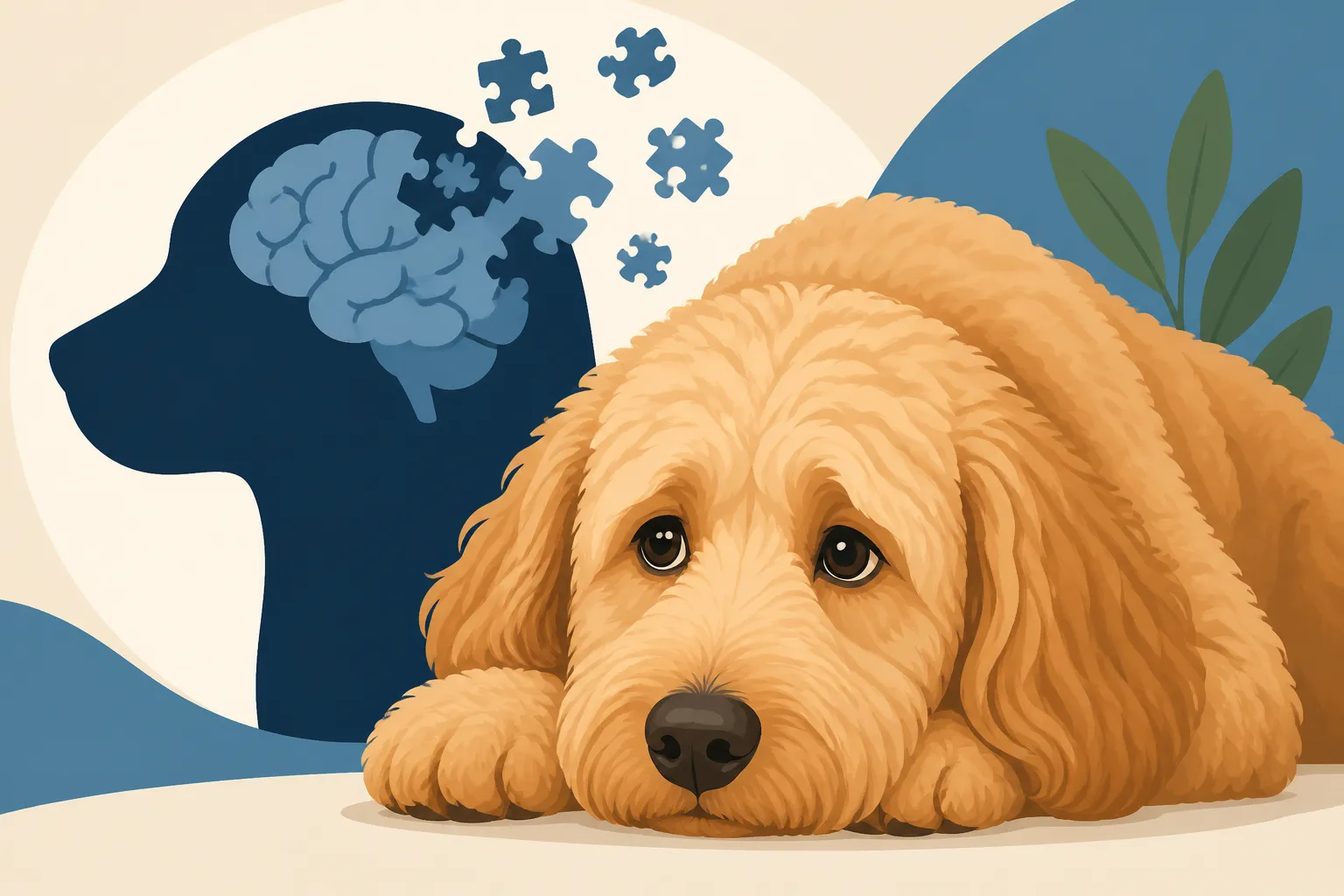
Cognitive Decline in a Goldendoodle Past Ten
It’s truly heartbreaking to watch your once vibrant, goofy Goldendoodle start to seem…lost. The dog who used to greet you at the door with unbridled joy might now stare blankly, or pace restlessly through the night, forgetting the potty training they’ve known for years. This isn’t just "old age" in the way we usually think about it; it’s a specific, often manageable condition called canine cognitive dysfunction syndrome (CCDS), and understanding it can make all the difference in supporting your beloved senior companion through their golden years.
Recognizing the Subtle Signs of Cognitive Decline
One of the hardest parts of canine cognitive dysfunction is how sneaky it can be. We tend to attribute changes in our older dogs to just "getting old," which, while true in a general sense, can make us miss the specific signs of cognitive decline that could be addressed. It's not about finding a "cure" in many cases, but about enhancing their quality of life and understanding their new needs.
Changes in Interaction and Social Behavior
Your Goldendoodle, known for its friendly and people-oriented nature, might start to act…different. They might not greet you with the same enthusiasm they once did, or they might even seem to forget who you are for a brief moment. This can manifest as a reduced desire to play, a decreased interest in social interaction with family members, or even a sudden increase in irritability or anxiety when approached. It's not uncommon for a dog with CCDS to seek less attention, or conversely, become unusually clingy and follow you from room to room, seemingly anxious when you leave their sight, even for a moment. They might stop responding to their name, not because they're being stubborn, but because the auditory processing or memory recall isn't quite there anymore. This shift in their classic Goldendoodle personality can be one of the most painful signs for owners to witness, feeling like a piece of their dog is slipping away.
Disorientation and Confusion
This is often one of the more obvious and distressing signs. You might find your Goldendoodle standing in a corner staring at the wall, or getting stuck behind furniture they've navigated around for years. They might wander aimlessly through the house, seeming unsure of where they are or where they're going, even in a home they've lived in their entire life. Walks, once a familiar routine, can become a source of confusion; they might forget the route home, or seem lost in their own backyard. This disorientation isn't just physical; it can be mental, too. They might have trouble finding their food bowl or water dish, or seem to forget simple commands they once knew perfectly. When you see your Goldendoodle that stops recognizing the house, it's a huge red flag that something more than general aging is at play.
Altered Sleep-Wake Cycles
Many senior Goldendoodle owners will tell you about the shift from a restful night's sleep to a nocturnal wanderer. Dogs with cognitive decline often start sleeping more during the day, sometimes deeply, only to become restless, anxious, and even vocal at night. They might pace, whine, bark, or scratch at doors, seemingly unable to settle down. This "sundowning" behavior is akin to what we see in humans with dementia and can be incredibly disruptive for both dog and owner. It's not a deliberate act of defiance; it’s a symptom of their brain's internal clock getting confused, leading to frustration and anxiety when the world around them is quiet and dark. This disruption impacts everyone in the household and is a significant indicator of cognitive changes.
House Soiling and Training Regression
One of the most frustrating and often misunderstood symptoms is when your perfectly house-trained Goldendoodle suddenly starts having accidents indoors. They might urinate or defecate in places they never would have before, sometimes right in front of you. This isn't usually due to a lack of bladder control, though that can also occur with age and other medical issues. Instead, it’s often a cognitive problem – they simply forget their training, forget where the appropriate potty spot is, or forget to ask to go outside. They might even go outside, immediately come back in, and then have an accident because they forgot what they just did. This regression can be disheartening, but it’s crucial to remember it’s not malicious; it's a direct consequence of their cognitive decline, necessitating a shift in how you manage their environment and expectations.
Understanding Canine Cognitive Dysfunction Syndrome (CCDS) in Goldendoodles
While the symptoms can be vague and often overlap with other age-related issues, CCDS is a recognized neurodegenerative disorder, much like Alzheimer's disease in humans. It's not just "getting old"; it's a specific condition that impacts their brain function.
What Exactly is CCDS?
Canine Cognitive Dysfunction Syndrome (CCDS) is a progressive neurodegenerative disorder characterized by a decline in cognitive abilities, affecting memory, learning, awareness, and decision-making. It's essentially doggy dementia. The brain undergoes similar changes to those seen in human Alzheimer's patients, including the accumulation of beta-amyloid plaques, loss of neurons, and changes in neurotransmitter levels. These physiological changes lead to the behavioral symptoms we observe. It’s a sad reality that while our Goldendoodles might live longer thanks to better veterinary care, their brains don't always keep up. The prevalence of CCDS increases significantly with age; studies suggest that over 50% of dogs over the age of 10 show at least one sign of cognitive impairment, and this figure jumps to nearly 70% in dogs over 14.
Why Goldendoodles Seem Susceptible
While CCDS can affect any breed, Goldendoodles, being a cross of Golden Retrievers and Poodles, might inherently carry some predispositions. Both parent breeds are known for their intelligence and often for living relatively long lives, which means they have more time for age-related conditions to develop. Golden Retrievers, for instance, are known for their sweet nature and trainability, but also for a higher incidence of certain cancers and age-related issues. Poodles are incredibly intelligent and also have a good lifespan. The longer a dog lives, the higher the chance of developing age-related neurological changes. While there isn't specific research pinpointing Goldendoodles as uniquely susceptible compared to other large breeds, their increasing popularity and longevity mean more Goldendoodles are living to an age where CCDS becomes a concern. The cognitive complexity required for their renowned biddability and intelligence might also make the signs of decline more noticeable when they begin to falter.
The Importance of Early Veterinary Consultation
If you're noticing any of these changes, the very first step is a comprehensive veterinary check-up. It’s absolutely crucial to rule out other medical conditions that can mimic the signs of CCDS. Conditions like thyroid disease, kidney disease, urinary tract infections, hearing loss in a senior Goldendoodle, vision loss in an old Goldendoodle, dental pain, arthritis, or even tumors can cause similar behavioral changes. A thorough examination, blood work, and urinalysis (often part of the senior panel a Goldendoodle should have at nine) can help your vet identify or rule out these treatable conditions. For instance, a dog with severe joint pain might be reluctant to go outside, leading to accidents, which could be mistaken for cognitive decline. Your vet might also recommend specific diagnostic tools or refer you to a veterinary neurologist to get a clearer picture of what's happening. Don't assume it's just old age; seek professional advice to ensure your Goldendoodle isn't suffering from something treatable. You want to make sure you're doing everything you can for their comfort and health. This is where having pet insurance like Healthy Paws can truly come in handy, helping to cover the costs of these diagnostic tests and ongoing treatments.
Strategies for Managing Cognitive Decline and Supporting Your Senior Goldendoodle
While there's no "cure" for CCDS, there are many things we can do to manage the symptoms, slow its progression, and significantly improve our Goldendoodle's quality of life. It’s about creating an environment that supports their changing needs and stimulating their minds in gentle ways.
Environmental Modifications to Reduce Stress
Making your home easier to navigate can dramatically reduce anxiety for a cognitively impaired Goldendoodle. Think about consistency and safety. Keep furniture in the same place to avoid confusion and collisions. Block off stairs with gates to prevent falls. Provide easy-to-access, comfortable sleeping areas on every floor they frequent. Non-slip rugs on hardwood or tile floors can help with footing, especially for dogs also dealing with Senior Goldendoodle Mobility and Arthritis. If they're struggling to find their food and water bowls, consider placing multiple bowls around the house or using bright, contrasting colors to make them more visible. Nightlights can be a huge help, especially if they're disoriented at night. Establishing a predictable daily routine for feeding, walks, and potty breaks can provide a sense of security and reduce anxiety, as dogs with CCDS often thrive on routine. Remember, their world is becoming confusing, so simplify it as much as possible.
Enriching Mental Stimulation
Keeping your Goldendoodle's brain active, even in small ways, can help. This isn't about teaching new tricks, but reinforcing old ones and engaging their senses. Scent games, where you hide treats around the house for them to sniff out, can be very stimulating and less physically demanding. Puzzle toys that dispense treats slowly can keep them engaged. Short, gentle training sessions reviewing basic commands like "sit" or "stay" can strengthen neural pathways. You might even find that just talking to them more, describing your actions, or playing gentle music can provide a sense of connection and comfort. For their walks, try to stick to familiar, safe routes to prevent disorientation, but still allow them to sniff and explore at their own pace. Even brief periods of quiet mental engagement are beneficial.
Dietary and Supplemental Support
Nutrition plays a vital role in brain health. Your veterinarian might recommend a diet specifically formulated for senior dogs or those with cognitive dysfunction. These diets often include ingredients like antioxidants (vitamins E and C), omega-3 fatty acids (DHA and EPA), L-carnitine, and other neuro-enhancers designed to support brain function and reduce oxidative stress. Brands like Hill's Prescription Diet b/d and Purina Pro Plan Veterinary Diets NeuroCare are examples of such specialized foods. Discuss with your vet if a Joint Diets for a Senior Goldendoodle might also benefit them if they have mobility issues. Additionally, certain supplements, such as S-Adenosylmethionine (SAMe) and medium-chain triglycerides (MCTs) found in coconut oil, have shown promise in supporting cognitive function. Always consult your vet before adding any supplements to your Goldendoodle’s diet, as dosages and interactions can vary. Remember that feeding an old Goldendoodle with worn teeth might require softer food or special preparations.
Medication and Veterinary Interventions
When environmental changes and supplements aren't enough, veterinary medication can often make a significant difference. The most commonly prescribed medication for CCDS is selegiline (Anipryl), which works by increasing dopamine levels in the brain, helping to improve cognitive function, mood, and activity levels. Your vet may also prescribe medications to help manage anxiety, restlessness, or sleep disturbances, especially the "sundowning" behavior. If chronic pain from arthritis or other conditions is exacerbating their confusion or reluctance to move, appropriate pain management will be crucial. Regular check-ups are important for monitoring the progression of CCDS and adjusting treatment plans. These vet visits, which can become more frequent, are another area where pet insurance, like a policy from Healthy Paws, can help manage unexpected costs, providing peace of mind as you care for your aging Goldendoodle.
Maintaining Quality of Life and Making Difficult Decisions
Caring for a Goldendoodle with cognitive decline is a journey filled with love, patience, and sometimes, profound sadness. It’s about adapting to their new reality and ensuring their remaining time is as comfortable and joyful as possible.
Assessing Your Goldendoodle's Daily Well-being
One of the most challenging aspects is objectively assessing your Goldendoodle's quality of life. It's easy to focus on the moments of clarity and forget the struggles. A helpful tool is to keep a daily journal or use a quality of life scale. Track things like their appetite, hydration, mobility, pain levels, interactions with family, house-soiling frequency, and overall happiness or distress. This objective record can help you and your vet identify patterns, adjust care plans, and most importantly, truly understand their day-to-day experience. Are they still finding joy in short walks, gentle cuddles, or a special treat? Do they have more good days than bad? This regular assessment is crucial for Judging Quality of Life in an Old Goldendoodle and making informed decisions down the line.
| Symptom Category | Signs to Watch For | Management Strategy |
|---|---|---|
| Disorientation | Getting lost in familiar places, staring at walls, getting stuck | Consistent environment, nightlights, clear pathways |
| Interaction Changes | Reduced greeting enthusiasm, decreased play, increased clinginess | Gentle interaction, predictable routine, quiet comfort |
| Sleep-Wake Cycles | Pacing at night, excessive daytime napping, nocturnal vocalization | Consistent bedtime/wake time, exercise timing, medication |
| House Soiling | Accidents indoors, forgetting potty training, not asking to go out | Frequent potty breaks, belly bands/dog diapers, patience |
| Activity Level | Decreased energy, reluctance to move, aimless wandering | Gentle exercise, mental stimulation (scent games) |
| Anxiety/Fear | Increased panting, trembling, vocalizing without clear cause | Calming aids, consistent routine, reduced stressors |
The Emotional Burden on Caregivers
Let’s be honest: watching your vibrant Goldendoodle fade can be incredibly difficult. The dog you shared your life with, the one who understood your moods and brought so much laughter, is changing. You might feel a mix of frustration, sadness, guilt, and even exhaustion, especially with the disrupted sleep cycles or constant supervision required for house-soiling. It’s okay to feel these things. It's a heavy emotional burden. Don't hesitate to reach out to friends, family, or even a pet bereavement counselor if you're struggling. Remember that you are providing immense comfort and love to your Goldendoodle during a vulnerable time, and that is a profound gift. Take care of yourself, too, so you can continue to care for them.
When to Consider End-of-Life Planning
This is the conversation no pet owner ever wants to have, but for Goldendoodles with advanced CCDS, it becomes a necessary one. There comes a point where even with the best care, medications, and environmental adjustments, their quality of life significantly diminishes. When their confusion turns to constant distress, when they can no longer find joy in anything, when their physical ailments compound their cognitive struggles, or when the bad days consistently outweigh the good ones, it might be time to consider what is best for them. Your veterinarian can be an invaluable guide in these difficult conversations about The Last Decisions for an Aging Goldendoodle. They can help you understand when their suffering outweighs the benefits of continued treatment. It's a selfless act of love to let them go peacefully, surrounded by your comfort, preventing them from enduring further decline and distress.
Caring for a Goldendoodle experiencing cognitive decline requires immense patience, understanding, and love. But with the right support and strategies, you can continue to enrich their lives and yours, cherishing every moment you have left together.
Disclaimer
Please remember that the information provided in this article is for general informational purposes only and is not a substitute for professional veterinary advice. Always consult with a qualified veterinarian regarding any medical concerns or before making any decisions about your Goldendoodle's health or treatment plan.