Senior Goldendoodle Mobility and Arthritis
Watching your beloved Goldendoodle slow down as they age is incredibly tough, isn't it? One day they're bounding through the yard, the next they're hesitant to jump on the sofa or take the stairs. That creeping stiffness, the little grunts when they stand up—these are often the heartbreaking first signs of arthritis, a condition that affects so many senior dogs. This guide is here to walk you through understanding, managing, and supporting your senior Goldendoodle's mobility challenges, especially those related to arthritis, so you can help them live out their golden years with as much comfort and joy as possible.
Recognizing the Early Signs of Goldendoodle Arthritis
It’s easy to miss the early indicators of arthritis in our Goldendoodles because they're often so stoic and eager to please. They might try to hide their discomfort, making it crucial for us, their devoted owners, to be vigilant and truly see what they're showing us. Catching these signs early can make a world of difference in managing the condition and preserving their quality of life.
Subtle Changes in Movement and Gait
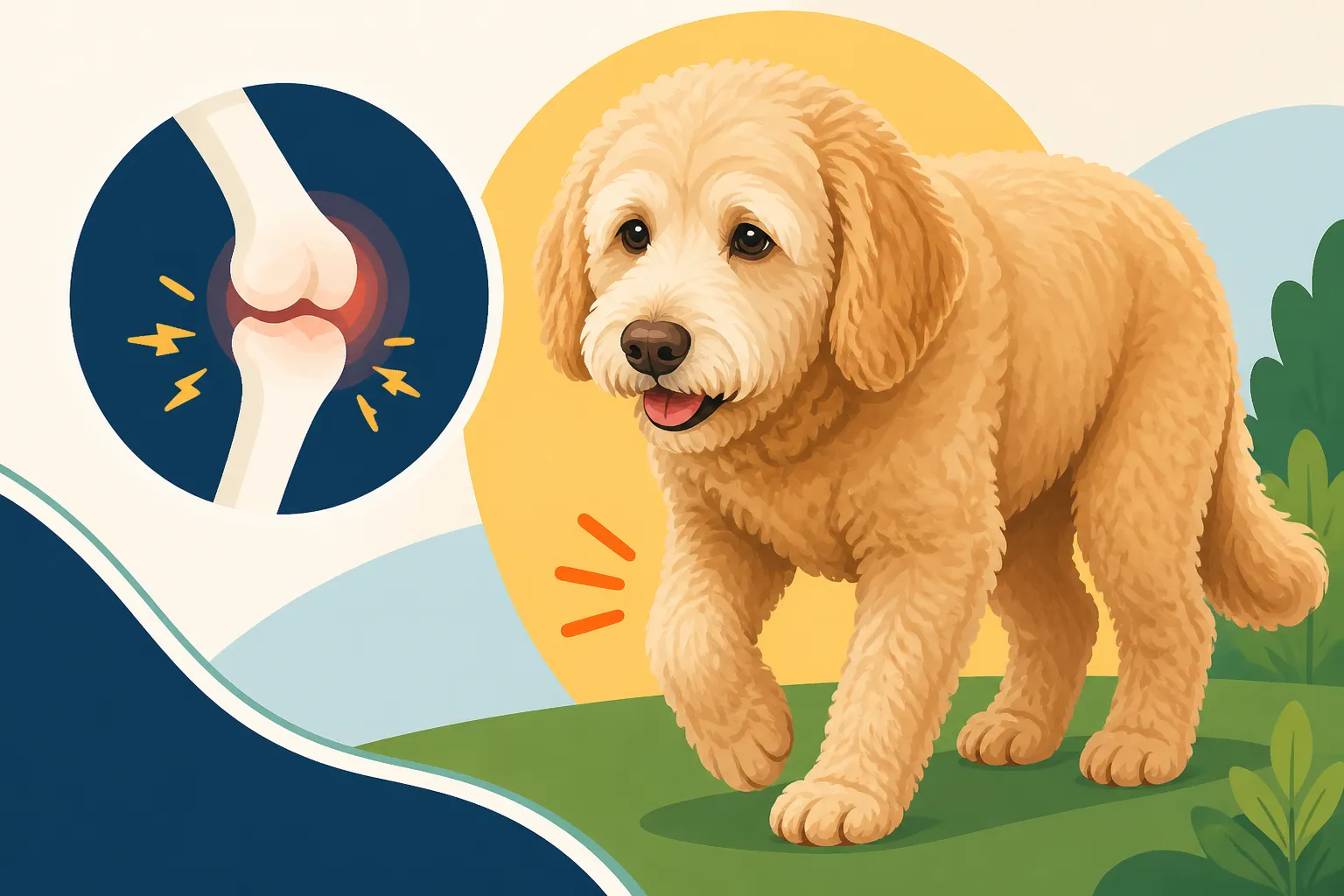
One of the most common early signs is a change in how your Goldendoodle moves. You might notice a slight hesitation before jumping into the car or a reluctance to go up or down stairs, things they used to do without a second thought. Perhaps their morning routine includes a prolonged stretch, or they just seem a bit stiff when they first wake up after a nap. This stiffness often improves after they've moved around a bit, which is why it's so easy to dismiss it as "just old age." Keep an eye out for a shortened stride, a subtle limp that comes and goes, or a general awkwardness in their gait. They might also shift their weight differently when standing, trying to relieve pressure on a painful joint. Even small changes, like taking longer to lie down or struggling to find a comfortable position, are important clues.
Behavioral Clues and Discomfort
Beyond physical movement, arthritis can manifest through noticeable shifts in your Goldendoodle's behavior and personality. A previously playful pup might become less interested in games of fetch or long walks. You might find them sleeping more or seeking out quieter, more secluded spots around the house. Some Goldendoodles might become irritable, especially if you touch a painful area, or they might snap at other pets or even family members, which is completely out of character. This isn't naughtiness; it's pain. Excessive licking, chewing, or grooming of specific joints can also indicate discomfort. They might vocalize more—whining or groaning—when moving, or conversely, become much quieter and withdrawn. Any unexplained change in their routine, their eagerness to interact, or their general demeanor warrants a closer look, especially as they enter their senior years. For more insights on how to care for your aging companion, check out our guide on Senior Goldendoodle Care After the Age of Nine.
Understanding Arthritis in Goldendoodles
Arthritis, or osteoarthritis, is a progressive and degenerative joint disease that causes the cartilage cushioning the joints to break down. This leads to bone-on-bone friction, inflammation, and chronic pain. While it's often associated with aging, several factors contribute to its development in Goldendoodles, making it a complex condition to manage.
How Age and Genetics Play a Role
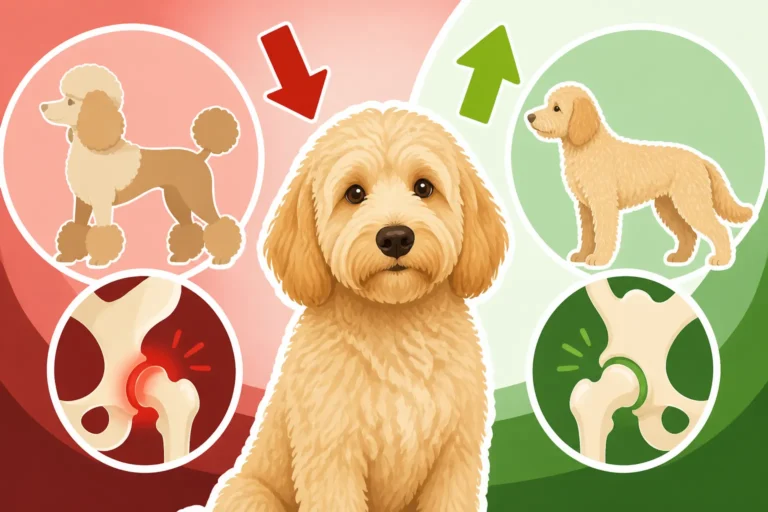
As Goldendoodles age, the wear and tear on their joints accumulate. The protective cartilage naturally thins and loses elasticity over time, reducing its ability to absorb shock. This is a common part of the aging process for all dogs, but Goldendoodles can have a genetic predisposition that accelerates this process. Both Golden Retrievers and Poodles, the parent breeds, are known to carry genes for conditions like hip and elbow dysplasia. These developmental joint diseases, where the joints don't form correctly, significantly increase the likelihood of early-onset and severe arthritis. For example, a Goldendoodle that inherited poorly formed hips from a Golden Retriever parent will likely experience arthritis in those hips much earlier and more severely than a dog with perfectly formed joints. Understanding Goldendoodle Arthritis After the Age of Eight can help you prepare for these changes. Even without diagnosed dysplasia, the genetic makeup of Goldendoodles means they can be more susceptible to general joint breakdown, especially if their parents weren't thoroughly health-tested.
The Impact of Size and Weight on Joints
The size and weight of a Goldendoodle play a substantial role in the progression and severity of arthritis. A larger, standard Goldendoodle, easily weighing 50-90 pounds, naturally puts more stress and load on their joints with every step compared to a smaller Mini or Toy Goldendoodle. This increased mechanical stress can accelerate cartilage degradation and inflammation. Think of it like a heavier car putting more strain on its suspension system.
Furthermore, if a Goldendoodle is overweight or obese, the impact is even more dramatic. Every extra pound your dog carries translates to additional stress on their hips, elbows, knees, and spine. This is why managing Goldendoodle Weight and the Load on Its Joints is critical throughout their life, but especially in their senior years. Excess fat tissue also isn't just passive weight; it produces inflammatory hormones that can exacerbate joint pain and damage. It's a double whammy: more physical strain and increased inflammation from a metabolic standpoint. Keeping your Goldendoodle at a lean, healthy weight is one of the single most impactful things you can do to protect their joints, regardless of their size or genetic predispositions. You can find more targeted advice in our article on Goldendoodle Joint Health by Size Category.
Common Joints Affected in Goldendoodles
Arthritis can affect any joint in a Goldendoodle's body, but some are more commonly impacted due to their breed lineage and typical activity levels. The hips are a frequent trouble spot, especially given the prevalence of hip dysplasia in Golden Retrievers. You might notice your Goldendoodle having difficulty getting up from a lying position, a "bunny hop" gait when running, or general weakness in their hindquarters.
Elbows are another common site for arthritis, often stemming from elbow dysplasia, a condition also seen in both parent breeds. Dogs with elbow arthritis might exhibit a front leg limp, a reluctance to bear weight on a particular leg, or a decreased range of motion in their front limbs. Knees, specifically the patellas (kneecaps) and cruciate ligaments, can also be affected. Smaller Goldendoodles might be prone to patellar luxation (slipping kneecaps), which can lead to arthritis over time, while active Goldendoodles of all sizes can experience cruciate ligament tears that inevitably result in secondary arthritis. The spine can also be a source of arthritic pain, leading to stiffness, reluctance to bend, or even neurological signs if nerve compression occurs. It’s not just about one joint; arthritis often presents as a multi-joint disease, impacting their overall comfort and mobility.
Veterinary Diagnosis and Management Strategies
Once you suspect your Goldendoodle might be struggling with arthritis, the next crucial step is a visit to your veterinarian. They can accurately diagnose the condition and, more importantly, help you develop a comprehensive management plan tailored to your dog's specific needs and the severity of their arthritis.
The Diagnostic Process and Imaging
Your vet will start with a thorough physical examination, which includes observing your Goldendoodle's gait, feeling their joints for swelling, pain, or reduced range of motion, and checking for muscle atrophy. Don't be surprised if your Goldendoodle is a little more vocal or sensitive during this exam than usual; it's a key part of identifying painful areas. They'll ask you a lot of questions about when you first noticed changes, what makes it better or worse, and how it impacts their daily life.
To confirm the diagnosis and assess the extent of joint damage, X-rays are usually recommended. These images allow the vet to visualize the bones and joints, looking for classic signs of osteoarthritis such as joint space narrowing, bone spurs (osteophytes), and changes in bone density. Sometimes, your vet might suggest additional diagnostics, like a joint fluid analysis or even an MRI, especially if the pain is severe or unresponsive to initial treatments, to rule out other conditions or pinpoint specific issues. It's not just about confirming arthritis; it's about understanding which joints are affected, how severely, and what underlying causes might be present. This detailed information forms the bedrock of an effective treatment plan. Make sure your vet runs The Senior Panel a Goldendoodle Should Have at Nine to get a complete picture of their health.
Medical and Pain Management Options
Managing arthritis is all about controlling pain and inflammation to improve mobility and comfort. Non-steroidal anti-inflammatory drugs (NSAIDs) are a cornerstone of treatment. Medications like carprofen (Rimadyl), meloxicam (Metacam), or firocoxib (Previcox) work by reducing inflammation and pain, allowing your Goldendoodle to move more freely. Your vet will determine the appropriate dose and monitor for any side effects, as these medications require careful use, especially in senior dogs. Regular blood work is often recommended to check liver and kidney function when your dog is on long-term NSAIDs.
Beyond NSAIDs, other pain relievers can be used, often in combination, to provide multimodal pain control. Gabapentin, for instance, can help with neuropathic pain often associated with chronic arthritis. Amantadine is another medication that can be added to address chronic pain by modulating pain receptors. For some dogs, a series of injectable chondroprotectants like Adequan (polysulfated glycosaminoglycan) can help protect cartilage and reduce inflammation. These injections can be very beneficial, especially early in the disease progression. The goal is always to find the right combination of medications that effectively manages your Goldendoodle's pain with the fewest side effects, giving them the best possible quality of life.
Complementary Therapies and Supplements
Many owners find great success in complementing conventional medical treatments with a range of alternative therapies and supplements. Acupuncture, a traditional Chinese veterinary medicine technique, involves inserting thin needles into specific points on the body to stimulate nerve function and relieve pain. Many Goldendoodles respond very well to acupuncture, showing improved mobility and reduced stiffness. Cold laser therapy (low-level laser therapy) is another popular option that uses light to reduce inflammation, promote healing, and alleviate pain in affected joints.
Physical therapy, guided by a certified canine rehabilitation therapist, can be incredibly beneficial. This might include therapeutic exercises, hydrotherapy (swimming or underwater treadmill), massage, and stretching to strengthen muscles, improve range of motion, and reduce pain. Our article on Physical Therapy After Goldendoodle Knee Surgery delves deeper into these benefits. When it comes to supplements, glucosamine and chondroitin are widely used to support cartilage health, though their efficacy can vary. Omega-3 fatty acids, often in the form of fish oil, are powerful natural anti-inflammatories. Other supplements like turmeric, green-lipped mussel, or CBD oil are also gaining popularity for their potential anti-inflammatory and pain-relieving properties, but it's crucial to discuss any supplements with your vet to ensure they're safe and appropriate for your Goldendoodle. Remember, pet insurance providers like Healthy Paws often cover some of these complementary therapies, making them more accessible for long-term management.
Adapting Your Home for a Senior Goldendoodle
As your Goldendoodle's mobility declines, their once-familiar home can become a landscape of obstacles. Making simple, thoughtful modifications to your living space can significantly improve their comfort, safety, and independence, reducing strain on painful joints and preventing accidents.
Supportive Flooring and Ramps
Slick surfaces like hardwood, tile, or laminate floors can be incredibly challenging and even terrifying for a senior Goldendoodle with arthritic joints. Their unstable footing can lead to slips, falls, and further injury. The solution is often surprisingly simple: strategically placed runners, area rugs, or non-slip mats, especially in high-traffic areas and places where they eat, drink, or sleep. Look for rugs with rubber backings or use carpet tape to keep them securely in place.
Beyond flooring, consider ramps. A ramp can be a game-changer for a Goldendoodle who can no longer jump into the car for an outing or climb the stairs to their favorite sleeping spot. Portable ramps are great for vehicles, while fixed ramps or steps can be installed beside beds or sofas. Even a small step-up might be all they need to regain access to beloved furniture. The goal is to eliminate the need for jumping or straining, protecting their joints from sudden impacts and repetitive stress. This helps reduce the chances of a painful stumble and allows them to maintain their cherished routines.
Comfortable Bedding and Bowls
A good bed is no longer just a luxury for a senior Goldendoodle; it's a therapeutic necessity. Thin, lumpy beds offer no support and can exacerbate joint pain. Invest in an orthopedic dog bed with dense, supportive memory foam. These beds contour to your Goldendoodle's body, providing even support, relieving pressure points, and insulating them from cold, hard floors. Look for beds with bolsters or raised edges; many senior dogs find comfort in curling up against these for a sense of security and support.
Similarly, consider elevated food and water bowls. Bending down to eat or drink from bowls on the floor can put significant strain on a Goldendoodle's neck, shoulders, and spine, especially if they have arthritis in their front limbs or back. Elevated bowls allow them to maintain a more natural, comfortable posture while eating, reducing the strain on their joints. You can find adjustable feeders that grow with your dog or choose a fixed-height feeder appropriate for your Goldendoodle's size. Small changes like these make a big difference in their daily comfort.
Maintaining a Healthy Lifestyle for Joint Support
While medication and home modifications are crucial, an active, healthy lifestyle remains one of the most powerful tools in managing your senior Goldendoodle's arthritis. It’s not about pushing them beyond their limits, but about finding a balance that keeps them strong, mobile, and happy.
Controlled Exercise and Physical Therapy
The old adage "use it or lose it" holds true for arthritic joints. While intense, high-impact exercise is out, gentle, consistent movement is incredibly beneficial. Short, frequent walks on soft surfaces like grass are ideal. Instead of one long walk, try two or three shorter outings throughout the day. This keeps their joints lubricated, maintains muscle mass, and prevents stiffness without overexertion. Swimming is another fantastic low-impact exercise, as the water supports their body weight, reducing stress on their joints while still providing a full-body workout.
Consider working with a certified canine rehabilitation therapist. These professionals can design a tailored exercise program, including gentle stretches, passive range-of-motion exercises, and strengthening activities using balance balls or wobble boards. They can also guide you through exercises that specifically target the muscles supporting your Goldendoodle's most affected joints. Regular, controlled physical activity, even just 15-20 minutes a few times a day, can significantly improve mobility, reduce pain, and slow the progression of arthritis.
Weight Management and Nutrition
We've touched on this already, but it bears repeating: maintaining a lean body condition is paramount for a senior Goldendoodle with arthritis. Even a few extra pounds can dramatically increase the load on already painful joints, worsening discomfort and accelerating joint degeneration. It's often one of the hardest things for us doting owners to do, especially with their pleading eyes at dinnertime, but it's truly a gift of comfort you can give them.
Work with your vet to determine your Goldendoodle's ideal weight and how many calories they need daily. This might mean switching to a senior dog food formulated with fewer calories, increased fiber, and sometimes joint-supporting nutrients. Carefully measure their food at every meal. If you give treats, factor those calories into their daily allowance or opt for low-calorie, healthy alternatives like plain green beans or apple slices. Beyond weight, certain nutritional components can help. Look for foods or supplements rich in omega-3 fatty acids (EPA and DHA), which have natural anti-inflammatory properties. Some prescription diets are specifically formulated for joint health, containing higher levels of these beneficial ingredients. Our article on Cutting Calories for a Goldendoodle Past Nine provides more in-depth advice on dietary adjustments. Regular vet check-ups will include weight assessments, and your vet can help you adjust their diet as needed. Consistent weight management is perhaps the most impactful non-pharmaceutical intervention for arthritic Goldendoodles.
When to Consider Advanced Treatments or Further Support
Despite our best efforts with medication, supplements, and home care, there may come a time when your Goldendoodle's arthritis progresses to a point where more intensive interventions are needed. These discussions can be difficult, but knowing your options and focusing on their quality of life is key.
Surgical Options for Severe Cases
For some specific and severe cases of arthritis, particularly those caused by underlying structural issues like hip or elbow dysplasia, surgery might be an option. Procedures like total hip replacement can dramatically improve a dog's quality of life by replacing a painful, damaged joint with a prosthetic one. This is a major surgery requiring significant recovery time and dedicated post-operative physical therapy, but for the right candidate, it can offer immense relief and restored mobility.
Other surgical interventions might include arthrodesis (joint fusion) for certain joints, which eliminates pain by stabilizing the joint, though it sacrifices mobility. There are also procedures to remove bone spurs or address specific causes of pain. These advanced surgical options are typically considered when conservative medical management is no longer sufficient to control pain and maintain an acceptable quality of life. Your veterinarian can refer you to a veterinary orthopedic specialist who can evaluate your Goldendoodle and discuss if surgery is a viable and beneficial path forward, weighing the potential benefits against the risks and recovery challenges. It's an investment, and pet insurance, such as a policy from Healthy Paws, can significantly help with these substantial costs.
Quality of Life Considerations
This is perhaps the most emotionally challenging aspect of caring for a senior Goldendoodle with progressive arthritis. There will come a point where you need to honestly assess their quality of life. Are they still enjoying their favorite activities, even if modified? Are they eating and drinking normally? Is their pain consistently managed, or are there more bad days than good? It’s a heartbreaking balance to strike, trying to maximize their comfort and happiness while acknowledging the limitations of their aging body.
Your vet can help you objectively evaluate your Goldendoodle's quality of life using various tools and scales. These can include assessing their pain levels, appetite, hydration, hygiene, happiness, and mobility. Sometimes, despite all efforts, the pain becomes too much, or they lose their ability to enjoy life. This is where compassionate end-of-life planning comes into play. It's about ensuring your beloved companion's dignity and peace when their body can no longer keep up. This discussion is never easy, but it’s a loving decision to prevent prolonged suffering. For more on this, consider reading The Last Decisions for an Aging Goldendoodle.
| Mobility Aid / Supplement Category | Description | Goldendoodle Benefit | Considerations |
|---|---|---|---|
| Orthopedic Beds | High-density memory foam beds designed to cradle joints and provide support. | Relieves pressure points, reduces stiffness, improves sleep quality. | Ensure size is appropriate; machine-washable cover preferred. |
| Ramps & Steps | Provide easy, low-impact access to furniture, cars, or stairs. | Prevents jumping/straining, reduces risk of injury, maintains independence. | Choose non-slip surfaces; consider weight capacity and incline. |
| Non-Slip Floor Mats/Runners | Rugs or rubber mats placed over slippery floors. | Improves traction, prevents slips and falls, boosts confidence in movement. | Secure edges to prevent tripping; regularly clean for hygiene. |
| Joint Supplements | Glucosamine, Chondroitin, MSM, Omega-3s (EPA/DHA), Green-Lipped Mussel, CBD oil. | Supports cartilage health, reduces inflammation, can alleviate pain. | Consult vet for appropriate dosage and product quality; consistent use is key. |
| Support Harnesses/Slings | Aids for lifting or supporting hindquarters or full body when mobility is severely compromised. | Helps with standing, walking, going to the bathroom; reduces owner back strain. | Ensure proper fit to prevent chafing; can be cumbersome for long-term use. |
| Elevated Food & Water Bowls | Raised bowls that allow comfortable eating/drinking posture. | Reduces neck/back strain, especially for larger or taller Goldendoodles. | Choose stable, easy-to-clean materials; adjust height to dog's size. |
Disclaimer
The information provided in this guide is intended for educational and informational purposes only and does not constitute veterinary medical advice. Always consult with a qualified veterinarian for any health concerns or before making any decisions about your Goldendoodle's medical care. Individual results and responses to treatments may vary.