Goldendoodle Dematting Surcharges Between $20 and $60
It's an utterly common frustration for Goldendoodle owners: you drop off your beloved fluffy companion at the groomer, expecting a fresh trim, only to be hit with an unexpected "dematting surcharge." Suddenly, that routine grooming appointment costs significantly more than anticipated, leaving you wondering what went wrong and how to avoid it next time. This guide is here to break down exactly why groomers charge these fees, how they're calculated, and most importantly, how you can prevent those pesky mats from forming in the first place, saving your wallet and your dog from discomfort.
Understanding Goldendoodle Matting and Its Causes
Goldendoodles, with their delightful mix of Golden Retriever and Poodle genetics, often inherit coats that are beautiful but notoriously prone to matting. It's not just a matter of appearance; mats can be incredibly painful and even dangerous for your dog's health.
Why Goldendoodles Are Prone to Matting
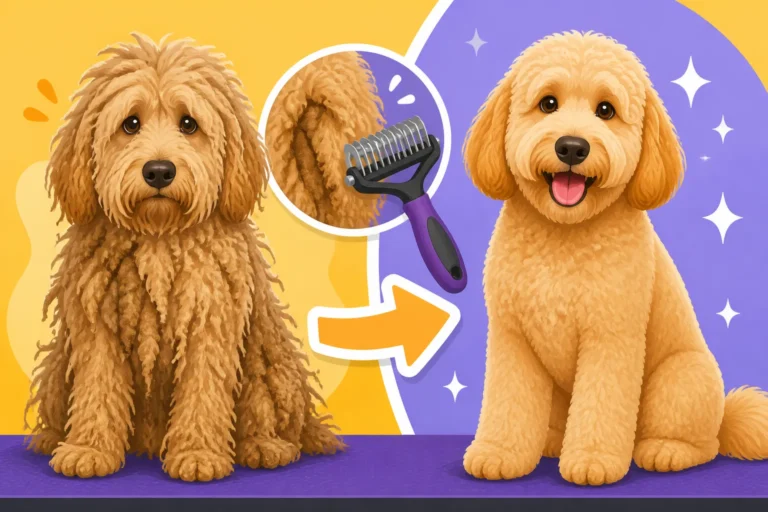
The unique Goldendoodle coat, often described as wavy or curly, is a blend of the Golden Retriever's dense double coat and the Poodle's single, continuously growing hair. This combination is a perfect recipe for tangles. Unlike shedding breeds where dead hair falls out, a Goldendoodle's hair tends to get caught in the surrounding live coat. Imagine a wool sweater that hasn't been washed carefully – it starts to felt, right? That's what happens to your Goldendoodle's fur.
Adding to this is the presence of "furnishings," the longer facial hair that gives Goldendoodles their characteristic teddy bear look. These furnishings, while adorable, are also prime candidates for matting, especially around the mouth and eyes. The dreaded "coat change" around 8 to 12 months of age is another critical period. During this time, the soft puppy fur gives way to the adult coat, and if not brushed meticulously, the old puppy coat intertwines with the new adult coat, forming dense, painful mats quickly. This is a time when Why a Goldendoodle Suddenly Mats at Nine Months becomes a reality for many owners.
Common Areas Where Mats Form
Mats aren't random; they tend to form in specific high-friction or moisture-prone areas. Knowing these hotspots can help you focus your home grooming efforts.
- Behind the Ears: This is probably the number one spot. The constant movement of the ears, combined with the fine hair here, makes it a mat magnet. Collars or bandanas can also rub against this area, exacerbating the problem.
- Armpits and Groin: These areas experience a lot of friction from movement, and the hair here is often softer and finer, leading to quick mat formation.
- Under the Collar/Harness: Any area where accessories rub against the coat can compress and tangle the hair. A poorly fitting collar or harness can cause significant matting in just a few days. For more on this, you might want to read Mats Under a Goldendoodle Harness Strap.
- Tail Base: The wagging motion and often thicker fur at the base of the tail are common matting zones.
- Paw Pads: Hair between the paw pads can easily matt, accumulating dirt, debris, and moisture. This can be painful, making walking difficult and increasing the risk of infection.
- On the Back/Sides (if coat is long): If the coat isn't regularly brushed, mats can spread across larger areas of the body, especially where the dog lies down or rubs against surfaces.
The Impact of Lifestyle on Matting
Your Goldendoodle's daily activities play a huge role in how quickly mats develop. A Goldendoodle who loves to swim, for example, is at a higher risk. When the coat gets wet and is allowed to air dry without thorough brushing and drying, the hairs clump together and tighten as they dry, creating mats. Rolling in dirt, leaves, or even just playing roughly with other dogs can also cause tangles. Dogs that wear sweaters or coats frequently in colder months can also develop mats where the fabric rubs against their fur. Even seemingly innocuous things like a cozy dog bed can contribute if the dog repeatedly shifts and rubs its coat against the fabric without regular grooming. It's a constant battle, but an important one to fight for your dog's comfort.
The Reality of Dematting Surcharges
When your groomer tells you there will be a dematting surcharge, it's not a punishment; it's a reflection of the extra work, skill, and time required to safely address your dog's matted coat.
What a Dematting Surcharge Covers
A dematting surcharge isn't just about covering the cost of a few extra minutes of brushing. It encompasses several key factors:
- Increased Time Commitment: Removing mats, especially tight or extensive ones, is incredibly time-consuming. What might take an hour for a well-maintained coat could easily double or triple for a severely matted dog. Groomers typically book appointments with a specific timeframe in mind, and dematting throws that schedule off entirely.
- Specialized Tools and Techniques: Dematting isn't just about yanking at tangles. Professional groomers use specialized tools like dematting combs, rakes, and sometimes even very fine clippers to carefully work through the mats without hurting the dog's skin. This requires precision and a gentle hand. They are trained to know when a mat can be safely brushed out and when it needs to be clipped away.
- Skill and Experience: Safely dematting a Goldendoodle requires significant skill and experience. It's a delicate balance of disentangling the hair without causing pain, skin irritation, or accidental cuts. A less experienced groomer might struggle or even injure the dog.
- Physical Strain: Working through dense mats is physically demanding on the groomer's hands, wrists, and arms. It's a labor-intensive process that can lead to repetitive strain injuries.
Typical Surcharge Ranges and How They're Calculated
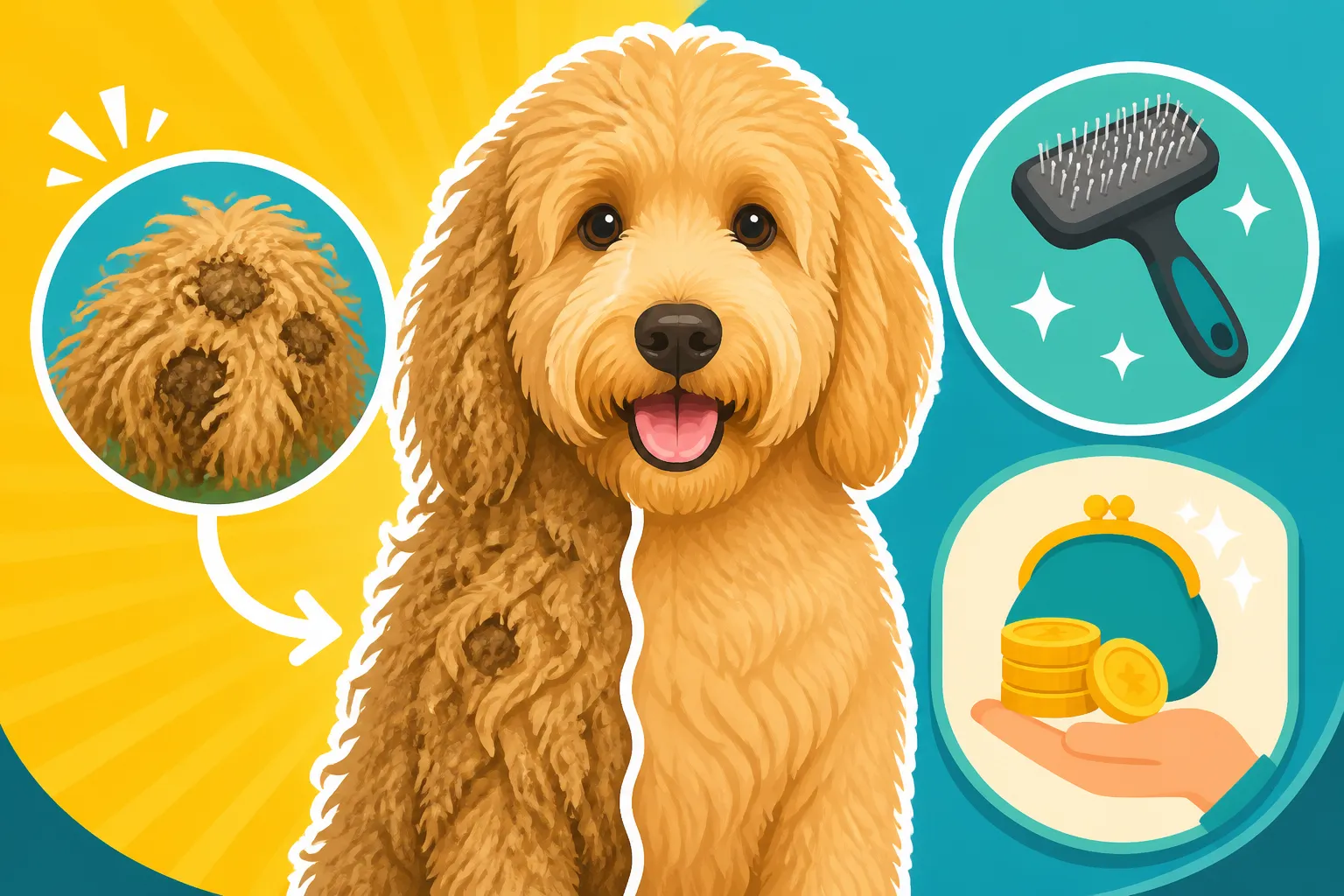
Dematting surcharges can vary widely depending on the severity of the matting, the size of your Goldendoodle, the groomer's pricing structure, and even your geographic location. As the prompt suggests, you'll often see these charges fall between $20 and $60. However, it's crucial to understand that this is a general range, and severe cases can easily incur higher fees, sometimes upwards of $100 or even $150, particularly for large Goldendoodles with full-body matting.
Groomers typically assess matting based on:
- Severity: Are they loose tangles or tight, felted patches close to the skin?
- Coverage: Is it just a few small mats behind the ears, or is the entire dog matted?
- Dog's Temperament: How cooperative is your Goldendoodle during the process? A fearful or aggressive dog will require more time and patience, increasing the charge due to the added difficulty and potential for needing an extra person.
Many groomers have a tiered system for dematting. For example, a minor mat might be a $20 add-on, moderate matting could be $40-$60, and anything beyond that might be quoted on a case-by-case basis. Some groomers might even refuse to dematt a severely matted dog, recommending a full shave-down instead, as it's the most humane option. This is where Why a Groomer Shaves a Matted Goldendoodle really comes into play. It's always best to have an open conversation with your groomer about the condition of your dog's coat and the expected costs beforehand.
Why Groomers Charge Extra
It’s easy to feel a bit put out when you get that extra bill, but groomers aren't just trying to nickel and dime you. They charge extra for dematting because it genuinely adds significant overhead and risk to their work.
- Time is Money: As mentioned, dematting consumes valuable appointment slots. If a groomer spends an extra hour dematting your dog, that's an hour they can't spend on another client, directly impacting their income.
- Equipment Wear and Tear: Dematting tools, especially clipper blades, dull much faster when cutting through matted fur. Dull blades need to be sharpened or replaced more frequently, which is an additional cost for the groomer.
- Risk of Injury: Mats pull on the skin, making it incredibly taut. It's very easy for even the most careful groomer to accidentally nick or cut the skin underneath a mat, leading to discomfort for the dog and potential veterinary bills. This risk increases with the severity of the matting and the dog's squirming.
- Dog's Comfort and Safety: A groomer's priority is the dog's well-being. Forcefully pulling out mats is painful and can make a dog fear future grooming sessions. Charging for dematting allows them to take the time needed to be as gentle and careful as possible, often involving more breaks or different approaches to minimize stress.
- Insurance and Liability: Should an injury occur during dematting, the groomer might face liability. This risk is factored into their pricing, especially for services that are inherently more challenging. Investing in pet insurance like Healthy Paws, however, can provide some peace of mind for owners facing unexpected vet bills from such incidents.
Preventing Dematting Surcharges and Saving Money
The best way to avoid dematting surcharges is proactive prevention. A consistent home grooming routine is your strongest defense against mats.
Essential Home Grooming Practices
Think of home grooming not as an optional chore, but as a crucial part of your Goldendoodle's care, much like feeding or walking.
- Daily Line Brushing: This is the golden rule. Simply running a brush over the top of the coat isn't enough. You need to "line brush," meaning you section the hair and brush from the skin outwards, systematically working through your dog's entire body. Use a good quality slicker brush (like those available at Chewy) to detangle and then follow up with a metal comb to ensure you've gotten all the way to the skin. If the comb glides through easily, you're doing it right. Focus especially on those mat-prone areas like behind the ears, armpits, and under the collar. For a step-by-step guide, check out Line Brushing a Goldendoodle Section by Section.
- Proper Bathing and Drying: Never bathe a matted Goldendoodle. Water tightens mats, making them impossible to remove without shaving. Always thoroughly brush out all tangles before a bath. After bathing, use a high-velocity dryer (if you have one) or a strong human hairdryer on a cool setting, while continuously brushing the coat. It's crucial that the coat is bone dry, all the way to the skin, to prevent mats from forming as it dries. Drying a Goldendoodle Down to the Skin is a vital skill.
- Regular Trimming of Problem Areas: Keep the hair trimmed shorter around the eyes, paw pads, and sanitary areas. This not only prevents mats but also improves hygiene and comfort. You can do this at home with blunt-nosed scissors or small clippers, or ask your groomer to do "face, feet, and sanitary" trims between full grooms.
The Importance of Regular Professional Grooming
Even with diligent home grooming, professional grooming is indispensable for Goldendoodles.
- Consistency is Key: Schedule professional grooms every 6 to 8 weeks, without fail. Don't wait until you start noticing mats. Regular maintenance keeps the coat manageable and prevents severe matting from developing. This routine makes a huge difference in avoiding those surprise charges. The frequency ensures that any small tangles you might have missed are caught early.
- Maintain a Manageable Length: Discuss coat length with your groomer. A shorter haircut, like a "puppy cut" or a length of half an inch to an inch, is much easier to maintain at home and less prone to matting. While a longer, flowing coat looks beautiful, it requires significantly more daily effort. Consider a shorter trim, especially during humid seasons or if your Goldendoodle is very active.
- Groomer as Your Partner: Your professional groomer is your ally. They can offer advice on specific products and techniques for your Goldendoodle's unique coat type. They're also skilled at identifying potential skin issues or health concerns that might be hidden by a dense coat.
Tools and Products That Help
Having the right arsenal of grooming tools at home can make all the difference.
- Slicker Brush: A high-quality slicker brush is essential for removing loose hair and surface tangles. Look for one with fine, bent wire bristles.
- Metal Comb: A sturdy metal comb with both wide and narrow teeth is crucial for "line brushing" and ensuring you've brushed all the way down to the skin. It's the ultimate mat detector.
- Detangling Spray: A good detangling spray can make brushing much easier, especially if you encounter small tangles. Spritz it on before brushing to help loosen knots and protect the hair from breakage. Many effective options can be found on Chewy.
- High-Velocity Dryer: While an investment, a force dryer can dramatically cut down drying time and help straighten the coat, making it less prone to tangles. It also helps blow out loose undercoat.
- Dog-Specific Shampoo and Conditioner: Use moisturizing shampoos and conditioners designed for dogs. They help keep the coat hydrated and less prone to tangling.
- Nutritional Support: A healthy coat also starts from within. A balanced diet, potentially supplemented with omega fatty acids, can contribute to healthier skin and coat, making it less brittle and easier to manage. Brands like Ollie, which offer fresh, balanced meals, can support overall skin and coat health.
When Shaving is the Only Humane Option
Sometimes, despite best efforts, matting becomes so severe that dematting is no longer a viable or humane option.
Recognizing Severe Matting
Severe matting isn't just a few tangles; it's when mats have formed tight, dense clumps that pull on the skin and cover significant portions of the body. You'll recognize it because:
- You can't get a comb through it. If your metal comb stops dead a quarter-inch from the skin, you're likely dealing with severe matting.
- The mats are tight against the skin. They feel like a hard shell rather than loose clumps of hair.
- The dog shows signs of discomfort. They might flinch, nip, or avoid being touched in matted areas.
- Large areas are affected. It's not just a small spot behind the ear, but patches across the back, sides, or stomach.
- Skin irritation is visible. You might see redness, flakiness, or sores when you try to part the hair.
In these cases, a reputable groomer will often recommend a full shave-down, often called a "comfort clip." While it might not be the look you envisioned, it's truly the kindest thing for your Goldendoodle. Remember, When a Goldendoodle Mat Has to Be Shaved is about ensuring your dog's well-being.
The Health Risks of Extreme Matting
Beyond the aesthetic concerns and the pain of pulling, severe matting poses significant health risks to your Goldendoodle:
- Skin Infections and Hot Spots: Mats restrict airflow to the skin, creating a damp, warm environment where bacteria and yeast thrive. This can lead to painful skin infections, hot spots, and unpleasant odors.
- Circulation Issues: Very tight mats can restrict blood flow to the skin, causing tissue damage and necrosis in severe cases.
- Parasites: Mats provide a perfect hiding place for fleas, ticks, and other parasites, making them difficult to detect and remove.
- Pain and Mobility Issues: Mats pull on the skin with every movement, causing constant pain. If mats are around joints, they can restrict movement, leading to lameness or an altered gait. Your Goldendoodle might become reluctant to play or even walk due to the discomfort.
- Fecal and Urine Soiling: Mats around the sanitary area can trap feces and urine, leading to hygiene issues, skin irritation, and increased risk of infection.
- Eye and Ear Infections: Mats around the eyes can cause irritation and block vision, while mats in and around the ears can contribute to chronic ear infections by trapping moisture and preventing proper cleaning. This is especially relevant to Goldendoodle Ear Hair and Chronic Infection.
Post-Shave Care and Regrowth
If your Goldendoodle has to be shaved due to severe matting, don't despair. It's an opportunity for a fresh start.
- Skin Checks: After the shave, carefully examine your Goldendoodle's skin for any sores, cuts, rashes, or hidden parasites. Your groomer will do their best, but sometimes underlying issues are only fully revealed once the coat is gone.
- Moisturizing and Soothing: The skin underneath tight mats can be dry, irritated, or even bruised. Your vet might recommend a soothing shampoo or a topical moisturizer to help the skin recover.
- Sun Protection: If your Goldendoodle is shaved very close, their skin will be exposed to the sun. Be mindful of sun exposure, especially on pinker skin, to prevent sunburn.
- Start Fresh with Grooming: This is the most critical step. Once the coat starts to regrow, commit to a consistent and thorough home grooming routine. Daily brushing from the very beginning will help prevent new mats from forming. This might be a good time to invest in new tools from Chewy and ensure you're using them correctly. Book your next professional groom proactively, before the new growth has a chance to tangle. This renewed focus on grooming will ensure your Goldendoodle stays comfortable and happy in their new, healthy coat.
| Matting Severity | Description | Groomer Assessment | Typical Surcharge Range | Recommended Action |
|---|---|---|---|---|
| Minor Tangles | A few small, loose knots, typically behind ears or under collar. | Can be brushed out quickly during regular groom. | $0 – $20 | Daily home brushing (slicker brush & comb). |
| Moderate Matting | Several noticeable mats in common areas, not yet tight to the skin. | Requires extra time and care to safely de-tangle. | $20 – $60+ | Thorough home brushing before next groom. Professional groomer may recommend a slightly shorter cut. |
| Severe Matting | Extensive, tight mats close to the skin, potentially over large body areas. | De-matting is painful and risky; groomer will likely recommend shave-down. | $60 – $150+ (or shave-down cost) | Immediate professional assessment. Most humane option is often a full shave-down to the skin. Focus on post-shave skin care and starting a rigorous home grooming routine as coat regrows. Consider consulting your vet for skin issues. |
Disclaimer
Please remember that this article provides general information and guidance. Always consult with a qualified veterinarian for any health concerns or before making significant changes to your Goldendoodle's diet or care routine. For grooming advice specific to your dog, a professional groomer is your best resource.