Goldendoodle Ear Hair and Chronic Infection
If you’ve ever owned a Goldendoodle, you know the absolute joy and endless affection they bring into your life. But let's be real: that adorable, floppy, furnished ear can also be a source of persistent worry, especially when those dreaded ear infections pop up again and again. It's incredibly frustrating to see your beloved dog shaking their head, scratching constantly, and just not feeling their best. This guide is here to walk you through everything you need to know about why Goldendoodles are so prone to chronic ear infections, how to spot them, and most importantly, how to prevent and manage them effectively, so your furry friend can live a more comfortable life.
Understanding the Goldendoodle Ear: A Perfect Storm
The Goldendoodle's ears are, unfortunately, a perfect combination of traits inherited from their Golden Retriever and Poodle parents that make them highly susceptible to ear issues. It's not a design flaw, exactly, but it does mean we have to be extra vigilant as owners.
The Furnished Ear Canal
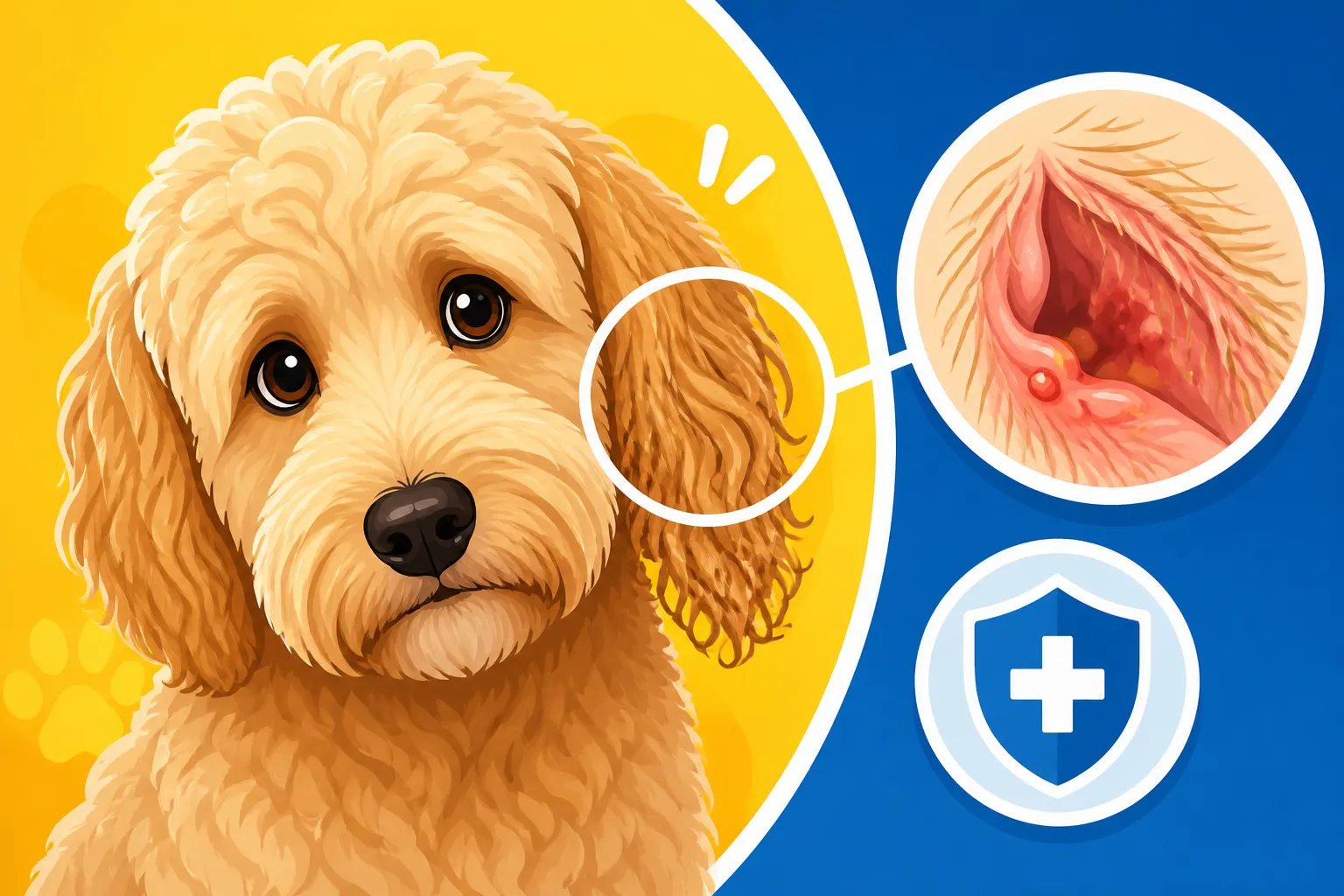
One of the defining characteristics of a Goldendoodle, especially those with the classic "doodle" look, is the presence of furnishings – that lovely, abundant hair around their face and inside their ears. While it's certainly cute, this hair isn't just external fluff; it grows inside the ear canal itself. Imagine trying to keep a long, narrow tunnel clean and dry when it's constantly filled with dense hair. That's essentially what your Goldendoodle's ear is battling. This dense hair can trap debris, wax, and moisture, creating a perfect environment for bacteria and yeast to thrive. It’s like a warm, humid jungle deep inside their head. You might have heard about Hair Growing Inside a Goldendoodle Ear Canal, and it's this very trait that sets the stage for many recurring problems.
This internal hair also acts like a barrier, preventing proper air circulation. Think about how stuffy and prone to moisture a closed-off space can become. The ear canal needs to breathe, allowing moisture to evaporate and keeping the environment inhospitable to opportunistic microorganisms. When it's choked with hair, that natural ventilation system breaks down. This can be especially challenging for Goldendoodles with curlier coats, as the hair tends to be even denser and more prone to matting within the canal itself. It’s a constant battle to keep those furry little tunnels clear.
The Droopy Ear Flap
Beyond the hair-filled canal, we also have the Goldendoodle's signature floppy ears. Unlike breeds with upright ears, like German Shepherds, which allow for plenty of air circulation, a Goldendoodle’s ear flap hangs down, covering the opening of the ear canal. This creates a warm, dark, and often humid microclimate underneath. It’s the second strike in our perfect storm for ear infections.
This droopy design further exacerbates the issues caused by internal ear hair. The ear flap essentially seals off the ear canal, trapping any moisture that gets in – whether from bathing, swimming, or even just humidity in the air. This lack of airflow means that once moisture or debris is trapped, it has no easy way to escape or dry out naturally. This is why Why a Furnished Goldendoodle Ear Stays Damp is such a common complaint among owners. It's an ongoing challenge, and without proactive measures, this environment becomes an invitation for infections to take hold and stubbornly refuse to leave.
Why Goldendoodle Ear Hair Leads to Trouble
It’s not just the presence of hair and floppy ears, but how these features conspire to create an environment where ear infections flourish. Understanding these mechanisms is key to preventing the problem before it even starts.
Moisture Trapping
One of the biggest culprits in Goldendoodle ear infections is moisture. Their ears are designed in a way that just loves to hold onto water, and that's terrible news for ear health. Every time your Goldendoodle takes a bath, goes for a swim at the lake, or even just romps around in wet grass, water can easily get trapped in that warm, dark ear canal, especially with all that internal hair acting like a sponge.
Once moisture is in there, the floppy ear flap seals it in, preventing evaporation. This creates a humid, steamy environment, which is exactly what yeast and bacteria love. Imagine wearing a damp sock all day – that's a mild comparison to what's happening inside their ear. This constant dampness can lead to irritation, break down the natural protective barriers of the skin in the ear canal, and pave the way for an infection. It's particularly common to see issues after swimming, leading to conditions like Yeast in a Goldendoodle Ear After Swimming.
Debris Accumulation and Poor Airflow
Beyond moisture, the abundant hair inside a Goldendoodle's ear canal acts as a magnet for all sorts of debris. Think about dust, dirt, pollen, dead skin cells, and even excess ear wax – all of it gets caught up in that dense network of hair. In an ear with good airflow, some of this might naturally work its way out. But with a Goldendoodle's ear, it just gets packed in tighter.
This accumulation isn't just unsightly; it provides more organic material for bacteria and yeast to feed on. Combine this debris with the trapped moisture and the lack of proper airflow, and you've got a recipe for disaster. The poor air circulation means that any trapped material, and the microorganisms feasting on it, don't get the benefit of fresh air to dry out or disperse. It's a stuffy, dirty, perfect breeding ground, making it incredibly challenging to keep the ear canal clean and healthy without diligent care.
Recognizing the Signs of an Ear Infection
Catching an ear infection early can make a huge difference in treatment and preventing it from becoming chronic. Goldendoodles are great at hiding discomfort, so you need to know what to look for, even if they're not overtly scratching. Catching a Goldendoodle Ear Infection Under the Hair can be tricky, but it's vital.
Foul Odor and Discharge
One of the most telling signs of a burgeoning ear infection is a distinct, unpleasant odor emanating from the ear. A healthy dog's ear should have little to no smell, or at most a very faint, clean scent. If you notice a strong, yeasty, sweet, or frankly putrid smell when you sniff your Goldendoodle's ear, that's a major red flag. This odor often accompanies discharge, which can vary in appearance.
The discharge might be dark brown and waxy, resembling coffee grounds, which is often indicative of a yeast infection. It could also be yellowish, greenish, or pus-like, suggesting a bacterial infection. Sometimes, the discharge is simply excessive, sticky, and greasy. Gently lift your Goldendoodle's ear flap and take a peek, and a sniff, especially if they're being a bit itchy. Don't be shy – your nose is a powerful diagnostic tool here!
Persistent Scratching and Head Shaking
This is often the most obvious sign that something is amiss, though it can be overlooked or dismissed as "just a scratch." If your Goldendoodle is scratching at their ear more than usual, either with a back paw or by rubbing it against furniture or the floor, pay close attention. Persistent head shaking, often accompanied by a distinctive flapping sound from their ears, is another clear indicator of discomfort and irritation within the ear canal.
While an occasional scratch or shake is normal, a sustained pattern or an increase in frequency warrants investigation. Sometimes, they might even whine or cry out when scratching or shaking, suggesting a more painful infection. It's not uncommon for Goldendoodles to become quite adept at subtly scratching or rubbing their ears, so you might not even notice it's excessive unless you're specifically looking. Don't let these subtle cues pass you by.
Redness and Swelling Inside the Ear
Inspecting the inside of your Goldendoodle's ear can reveal visual cues of an infection. Gently lift the ear flap and look into the visible part of the ear canal. A healthy ear should be a pale, uniform pink. If you see redness, inflammation, or swelling, particularly around the opening of the ear canal, that's a strong sign of irritation or infection.
The skin might also appear thickened or rough, rather than smooth. In severe cases, you might even see scabbing or sores, especially if your dog has been scratching intensely. This inflammation indicates that the body is fighting off an invader, and it's a clear signal that veterinary attention is needed. Regular, gentle checks of your Goldendoodle's ears should be part of your routine to spot these changes early.
Effective Prevention Strategies
Preventing ear infections is always better than treating them, and with Goldendoodles, it truly is a proactive battle. Incorporating these strategies into your routine can significantly reduce the chances of your furry friend suffering from recurring issues.
Regular Ear Cleaning Routines
This is arguably the most crucial step in preventing Goldendoodle ear infections. Regular cleaning helps remove trapped moisture, excess wax, and debris before they can lead to problems. How often? It really depends on your individual dog, their coat type, and their activities. Some Goldendoodles might need weekly cleaning, especially if they swim or have very hairy ears, while others might be fine with bi-weekly or monthly checks and cleaning. The key is consistency.
You'll need a good quality ear cleaner that is specifically formulated for dogs – your vet can recommend one or you can find many over-the-counter options. Look for solutions that are gentle, drying, and have a mild antiseptic quality. When cleaning, apply the solution liberally into the ear canal, massage the base of the ear for 30 seconds to allow the cleaner to loosen debris, then let your dog shake their head. Finally, use a cotton ball or gauze to wipe away any excess cleaner and debris from the visible parts of the ear. Avoid cotton swabs, as they can push debris deeper into the canal and potentially damage the eardrum. For more detailed steps, check out Cleaning a Goldendoodle Ear Before It Gets Infected.
The Pluck or Not to Pluck Debate
This is a hotly debated topic among Goldendoodle owners, breeders, and even veterinarians: should you pluck the hair from your dog's ear canals? Historically, many believed that plucking ear hair was essential to improve airflow and reduce moisture trapping. The idea is that removing the hair creates a clearer, less hospitable environment for pathogens.
However, recent veterinary consensus often leans towards not routinely plucking ear hair unless absolutely necessary or recommended by your vet for a specific reason. The act of plucking can actually cause micro-traumas to the delicate skin lining the ear canal, creating tiny open wounds that are then more susceptible to infection. It can also be quite painful for your dog. Instead, many vets now recommend simply trimming the hair around the opening of the ear canal and allowing air to circulate naturally, combined with regular cleaning. If your Goldendoodle truly has excessive hair deep within the canal that is clearly contributing to chronic issues, discuss this with your vet. They may opt to professionally pluck or trim under sedation if necessary, or suggest alternatives. It's a nuanced decision, and something you might want to consider when reading about Whether Plucking Ear Hair Prevents Goldendoodle Infections.
Maintaining Dryness After Water Exposure
Given how easily Goldendoodle ears trap moisture, this is a non-negotiable step. Every single time your Goldendoodle gets wet – after a bath, a swim, a rainy walk, or even just playing with the garden hose – you need to thoroughly dry their ears. This means gently but firmly wiping the accessible parts of the ear canal with a soft towel or cotton ball.
For added assurance, consider using a veterinary-approved ear drying solution, especially if your dog is a frequent swimmer or prone to infections. These solutions often contain ingredients that help evaporate moisture quickly and can slightly acidify the ear canal, making it less appealing for yeast and bacteria. Apply these after water exposure, following the product's instructions. Consistency is key here; a quick dry after every splash can save you a lot of heartache and vet bills down the line. It's a simple habit that makes a world of difference.
Dealing with Chronic Infections
Sometimes, despite your best efforts, ear infections become a recurring nightmare. This is incredibly frustrating, especially when it feels like you're constantly at the vet. Chronic ear infections, defined as those that return every month or two, or never quite clear up, are often a sign of an underlying issue that needs a more thorough investigation.
When to Seek Veterinary Help
If you're noticing any of the signs of an ear infection – foul odor, discharge, scratching, head shaking, redness, or swelling – it's time to call your veterinarian. Don't try to self-diagnose or treat with home remedies, as different types of infections (bacterial, yeast, mites) require specific medications. Using the wrong treatment can make the problem worse or mask an underlying issue.
Furthermore, if your Goldendoodle experiences Goldendoodle Ear Infections That Return Every Month, or if an infection doesn't respond to initial treatment, immediate veterinary attention is crucial. Chronic infections can lead to more serious complications like middle ear infections, hearing loss, or even permanent damage to the ear canal, making future treatment much harder. Your vet is equipped to properly diagnose and treat these stubborn issues, preventing them from escalating. When dealing with recurring issues, having pet insurance from providers like Healthy Paws can be incredibly helpful for managing the ongoing diagnostic and treatment costs.
Diagnostic Steps Your Vet Will Take
When you bring your Goldendoodle in for an ear issue, your vet will perform a thorough examination. This typically starts with a visual inspection of the external ear and ear canal using an otoscope, a specialized instrument that allows them to see deep inside. They'll be looking for signs of inflammation, foreign bodies, tumors, or ruptured eardrums.
The most critical step in diagnosing an ear infection is a cytology exam. Your vet will take a swab from deep within the ear canal and examine it under a microscope. This allows them to identify whether the infection is caused by bacteria, yeast, or both, and sometimes even determine the specific type of bacteria. This information is vital for choosing the correct medication. In some chronic or severe cases, they might also perform a culture and sensitivity test, sending a sample to a lab to identify the exact bacteria and determine which antibiotics will be most effective. For very persistent or deep-seated infections, sedation might be required for a more thorough examination or even imaging like X-rays or a CT scan to check for middle ear involvement.
Long-Term Management and Treatment Options
Treating an acute ear infection usually involves a course of topical ear drops or ointments, sometimes combined with oral antibiotics or anti-inflammatory medications. It's crucial to follow your vet's instructions precisely and complete the entire course of medication, even if your dog seems better after a few days. Stopping too soon can lead to a resurgence of the infection, making it harder to treat.
For chronic infections, the treatment plan becomes more involved. It often focuses on identifying and managing underlying causes. This might involve:
- Allergy Management: Many chronic ear infections are secondary to allergies – either food or environmental. This could mean a food elimination diet or allergy testing and subsequent immunotherapy (allergy shots).
- Regular, Prophylactic Cleaning: Even after an infection clears, your vet might recommend a more rigorous, ongoing ear cleaning schedule with specific Ear Cleaner Solutions Safe for a Goldendoodle.
- Medicated Maintenance: In some cases, a low-dose medicated ear solution might be prescribed for use once or twice a week to keep yeast and bacteria at bay.
- Dietary Changes: If food allergies are suspected, changing to a limited ingredient or hydrolyzed protein diet is often necessary.
- Surgical Intervention: In very severe, chronic cases where the ear canal is permanently damaged and narrowed (stenosis), or if there are deep-seated polyps or tumors, surgery such as a Total Ear Canal Ablation (TECA) might be the only way to provide relief. This is a last resort but can be life-changing for dogs in constant pain.
Managing chronic ear infections is a marathon, not a sprint. It requires patience, consistency, and a strong partnership with your veterinarian to find a long-term solution that works for your Goldendoodle. Considering pet insurance options early, like a plan from Healthy Paws, can help alleviate the financial burden of these ongoing treatments and specialist visits.
The Role of Allergies in Ear Health
It's a common misconception that ear infections are just about moisture and dirty ears. While those are huge factors for Goldendoodles, chronic or recurring ear infections are very often a symptom of an underlying allergic condition. This is a critical piece of the puzzle, and often overlooked.
Food Sensitivities and Their Impact
Just like humans can have food allergies that manifest as skin rashes or digestive upset, Goldendoodles can develop sensitivities to certain ingredients in their diet. And for dogs, one of the most common ways these allergies present themselves is through recurrent ear infections and itchy skin. The inflammation caused by an allergic reaction can extend to the lining of the ear canal, making it red, itchy, and swollen, which then creates a prime environment for secondary yeast or bacterial infections to take hold. Common culprits include proteins like chicken, beef, dairy, wheat, and soy.
If your Goldendoodle has chronic ear issues, your vet will likely suggest an elimination diet. This isn't just switching foods; it's a strict regimen where your dog eats only a novel protein (one they've never had before, like venison or duck) and a single carbohydrate source for 8-12 weeks, or a veterinary-hydrolyzed protein diet. During this time, absolutely no other treats, chews, or flavored medications are allowed. If the ear infections resolve during this period, you then reintroduce ingredients one by one to identify the specific allergen. It's a challenging process but incredibly effective if food allergies are the cause.
Environmental Triggers and Ear Health
Beyond food, environmental allergens are another huge factor in chronic ear infections. Just like humans get hay fever, dogs can be allergic to things like pollen (from trees, grasses, weeds), dust mites, and molds. These allergies often manifest as itchy skin (atopy), and a dog's ears are a particularly vulnerable spot. When an allergic Goldendoodle inhales or comes into contact with an environmental allergen, their immune system overreacts, causing widespread inflammation and itchiness.
This inflammation affects the skin lining the ear canal, making it red, swollen, and prone to excess wax production. The itchiness prompts scratching and head shaking, which further irritates the ear and can break the skin, creating entry points for secondary infections. These infections then become chronic because the underlying allergic inflammation never truly goes away. Managing environmental allergies can involve medications (antihistamines, steroids, Apoquel, Cytopoint), frequent bathing with medicated shampoos, and potentially immunotherapy (allergy shots or oral drops). Addressing these underlying allergies is often the key to breaking the cycle of Goldendoodle Allergies and Itchy Skin and persistent ear infections. This is where a robust pet insurance plan, such as one from Healthy Paws, can really make a difference, as allergy diagnostics and ongoing treatments can add up quickly.
Prevention and Maintenance Chart for Goldendoodle Ear Health
Here's a quick guide to help you stay on top of your Goldendoodle's ear care.
| Action | Frequency | Purpose | Important Considerations |
|---|---|---|---|
| Daily Visual Check | Daily | Quick check for any obvious discharge, redness, or signs of discomfort. | Lift the ear flap. Note any new smells or visible changes. |
| Post-Water Drying | Immediately after exposure | Remove moisture trapped from baths, swimming, rain, etc. | Use cotton balls or a soft towel. Consider an ear drying solution for frequent swimmers. |
| Ear Cleaning (Prophylactic) | Weekly to Bi-weekly | Remove wax, debris, and maintain a healthy ear canal environment. | Use vet-approved cleaner. Massage base of ear. Wipe visible areas with cotton. Avoid cotton swabs. Frequency varies by dog – more often if prone to issues or if you see Goldendoodle Ear Hair and Chronic Infection. |
| Hair Trimming Around Canal | Monthly or as needed | Improve airflow to the ear canal opening. | Use blunt-nosed scissors or small clippers. Be extremely cautious not to cut skin. Consider a groomer for this task. Discuss with your vet the pros and cons of Whether Plucking Ear Hair Prevents Goldendoodle Infections. |
| Professional Grooming | Every 6-8 weeks | Comprehensive cleaning and hair management by a professional who understands Goldendoodle ears. | Discuss ear hair trimming/plucking preferences with your groomer. They can often spot subtle issues you might miss. Remember, Goldendoodle Grooming as the Biggest Line in the Budget is significant, but essential for ear health too. |
| Vet Check-ups (Routine) | Annually (more if needed) | Professional assessment of ear health, overall well-being, and discussion of any concerns. | Crucial for early detection and management of underlying conditions like allergies. Discuss The DNA Panel a Goldendoodle Breeder Should Run and other health tests that might inform predisposition to issues. |
| Vet Visit (If Symptoms Appear) | Immediately | Diagnosis and treatment of active infection. | Don't delay. Untreated infections can worsen quickly. Your vet will perform cytology to determine the type of infection and prescribe the correct medication. Ensure you ask about Goldendoodle Pet Insurance for a Dog With No Breed Papers as ongoing vet visits for chronic issues can be expensive. |
Disclaimer
The information provided in this article is for general informational purposes only and is not a substitute for professional veterinary advice. Always consult with a qualified veterinarian for any health concerns or before making any decisions related to your Goldendoodle's health and treatment.