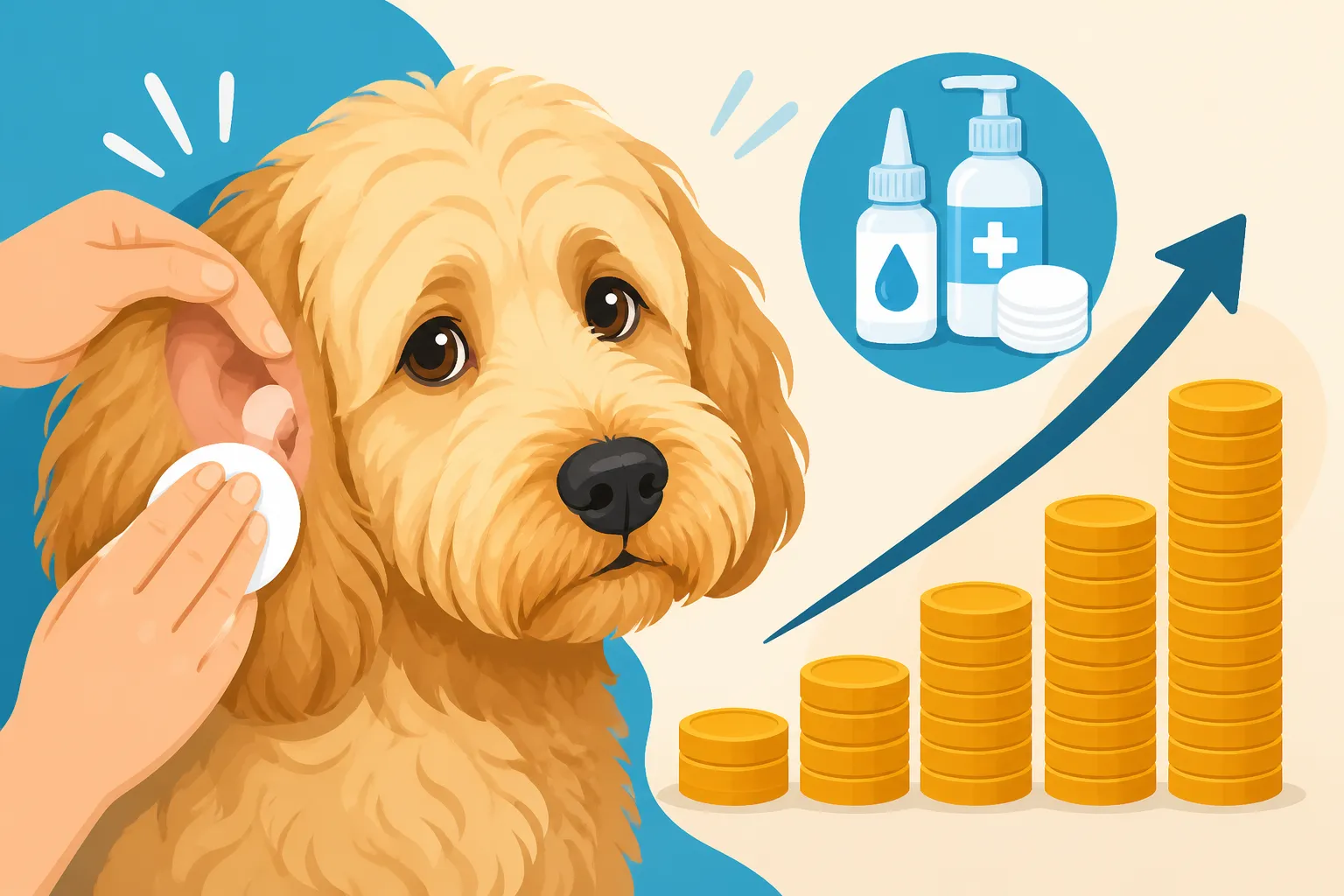
Chronic Goldendoodle Ear Care Adding Up Yearly
If you're a Goldendoodle parent, you've probably faced the frustrating reality of ear infections. That signature floppy, furry ear, while adorable, is often a perfect breeding ground for trouble, leading to recurring issues that not only cause discomfort for your beloved pup but also rack up significant vet bills year after year. This comprehensive guide will walk you through why Goldendoodles are so prone to these pesky problems, what chronic ear care truly entails financially, and how you can manage these ongoing costs and keep your Goldendoodle happy and healthy.
Understanding Why Goldendoodles Get Chronic Ear Infections
It's heartbreaking to see your Goldendoodle shaking their head, scratching at their ears, or whimpering with discomfort. And often, just when you think you’ve finally cleared up an infection, it comes roaring back. This isn't just bad luck; it's often a direct result of their unique physical traits, combined with other factors that make them particularly susceptible to chronic ear problems.
The Anatomy of a Furnished Ear
One of the biggest culprits behind your Goldendoodle's ear woes is their ear structure. Unlike dogs with upright ears or less hair, Goldendoodles inherit those lovely, long, floppy ears from their Golden Retriever side, often combined with the dense, curly hair growth from their Poodle heritage. This combination creates a perfect storm.
Imagine a warm, moist cave – that's essentially what your Goldendoodle's ear canal becomes. The floppy ear flap hangs down, covering the opening and significantly reducing airflow. This lack of ventilation traps heat and moisture inside, creating an ideal environment for bacteria and yeast to thrive. On top of that, many Goldendoodles have an abundance of hair growing inside their ear canals. This hair acts like a magnet for wax, debris, and any moisture that gets in (think bath time, swimming, or even just humidity), further clogging the ear canal and making it even harder for the ear to dry out and self-clean. This condition is often referred to as "Goldendoodle Ear Infections Under a Furnished Ear". It's a constant battle against nature, and it's why keeping those ears clean and dry is such a persistent challenge.
Common Causes Beyond Anatomy
While anatomy plays a huge role, it's certainly not the only factor contributing to chronic ear infections. Many Goldendoodles also suffer from allergies, which can manifest directly in their ears, leading to inflammation and recurring infections. Both environmental and food allergies can cause the skin lining the ear canal to become itchy, red, and swollen, making it even more prone to infection. You might notice your dog scratching more or developing "Goldendoodle Allergies and Itchy Skin" elsewhere on their body, which is a good clue that allergies are at play.
Beyond allergies, lifestyle factors are also significant. If your Goldendoodle loves to swim, water can easily get trapped in those furry, floppy ears. This creates a moist environment ripe for opportunistic infections, especially "Yeast in a Goldendoodle Ear After Swimming". Even improper cleaning can make things worse. If you use cotton swabs too deep, you might push debris further into the ear or irritate the delicate skin. The goal is to gently clean and dry, not to poke and prod. Sometimes, it feels like you're doing everything right, but those infections just keep coming back, earning your pup the unfortunate title of having "Goldendoodle Ear Infections That Return Every Month". It’s truly a marathon, not a sprint, for many owners.
The Cumulative Costs of Chronic Ear Care
Dealing with chronic ear infections isn't just emotionally draining for you and your Goldendoodle; it's also a significant financial drain. The costs quickly add up, often surprising new owners who weren't prepared for the ongoing veterinary expenses. It’s not just a one-time bill; it’s a series of visits, medications, and preventative measures that can easily total hundreds, if not thousands, of dollars each year.
Initial Vet Visits and Diagnosis
When you first notice your Goldendoodle shaking their head or scratching their ear, your first stop is always the vet. This initial visit usually involves a thorough examination, which typically costs anywhere from $60 to $150, depending on your location and clinic. During this exam, your vet will look into the ear with an otoscope to assess the inflammation and presence of discharge.
To properly diagnose the type of infection (bacterial, yeast, or both), the vet will almost certainly perform a cytology. This involves taking a swab of the discharge and examining it under a microscope. A cytology usually costs an additional $40 to $80. If the infection is particularly stubborn, or if it's a recurring issue, your vet might recommend an ear culture and sensitivity test. This sends a sample to a lab to identify the specific bacteria and determine which antibiotics will be most effective. A culture can add another $100 to $200 to the bill. Once diagnosed, your Goldendoodle will be prescribed ear drops, which could be an antibiotic, antifungal, or a combination, costing $30 to $80 per bottle. In severe cases, oral antibiotics or anti-inflammatory medications might also be prescribed, easily adding another $50 to $150 to that first visit's total. It's not uncommon for a single, initial ear infection visit to set you back $200-$500.
Recurring Treatments and Follow-Ups
The real financial burden of chronic ear infections kicks in when they become a recurring problem. It’s not just one initial visit; it’s often multiple follow-up appointments, new medications, and potentially referrals to specialists. Each follow-up visit, even if shorter, will still incur an examination fee, possibly $40 to $100. If the infection hasn't cleared, another cytology might be needed, adding another $40-$80. You might go through several different types of ear drops or oral medications if the first round isn't effective, each adding to the expense.
Sometimes, despite repeated treatments, the infection simply won't resolve. This is when your vet might suggest a referral to a veterinary dermatologist or an internal medicine specialist. These specialists have advanced diagnostic tools and expertise in chronic skin and ear conditions. A specialist consultation alone can cost $200 to $400, not including any further tests or treatments they recommend, which could include sedated ear flushes ($300-$800) or deeper diagnostic imaging. These "Goldendoodle Ear Infection Vet Visit Costs" quickly accumulate, making it feel like you're constantly at the vet's office, and your wallet is getting lighter with each visit.
Preventative Measures and Maintenance Costs
Beyond treating active infections, there's the ongoing cost of prevention and maintenance, which is crucial for Goldendoodles prone to ear issues. Regular cleaning with "Ear Cleaner Solutions Safe for a Goldendoodle" is paramount. A good quality ear cleaner designed for dogs can cost $15 to $30 per bottle and, if used regularly, you might go through several bottles a year. After swimming or baths, you'll need drying solutions to help prevent moisture buildup, which are another $10 to $25 per bottle.
Grooming is another essential preventative measure. Many Goldendoodles have significant "Goldendoodle Ear Hair and Chronic Infection" that needs to be plucked or trimmed. While some owners choose to do this at home, professional groomers often include ear cleaning and hair plucking as part of a regular groom, which can run anywhere from $80 to $150 every 6-8 weeks. If your Goldendoodle has allergies contributing to their ear problems, managing those allergies will also incur costs. This could involve special hypoallergenic diets (which are often more expensive than standard kibble), allergy medications like Apoquel or Cytopoint (which can be $50-$150+ per month), or even immunotherapy ($500-$1000+ for initial testing and then ongoing serum costs). These preventative costs, while seemingly small individually, add up significantly over a year, especially if you have to manage allergies as well.
Long-Term Financial Planning and Support for Goldendoodle Ear Health
Seeing those vet bills pile up can be incredibly stressful. Many Goldendoodle owners feel caught in a cycle of treating infections, only for them to return, draining both their emotional energy and their bank accounts. But there are ways to plan for and mitigate these ongoing costs, ensuring your Goldendoodle gets the care they need without breaking the bank entirely.
The Role of Pet Insurance
Pet insurance can be a real lifesaver when it comes to managing the unpredictable and often high costs of veterinary care, especially for chronic conditions like recurring ear infections. However, it's crucial to understand how it works. Most pet insurance policies, including popular ones like Healthy Paws, will not cover pre-existing conditions. This means if your Goldendoodle already had ear infections before you enrolled them or during the policy's waiting period, those specific ear issues might be excluded from coverage.
Therefore, the best time to get pet insurance for your Goldendoodle is when they are a healthy puppy, before any chronic conditions, including ear infections, have a chance to develop. If you do this, and your Goldendoodle later develops chronic ear problems, the policy could help reimburse a significant portion of your vet bills for exams, diagnostics, and medications. Be sure to compare "Goldendoodle Pet Insurance for a Dog With No Breed Papers" options carefully and understand the deductibles, reimbursement percentages (e.g., 70%, 80%, or 90%), and annual limits. Remember that "Goldendoodle Insurance Premiums by Size" can vary, with larger dogs often having slightly higher premiums. While insurance won't pay for everything, it can certainly soften the blow of those repeated vet visits and expensive treatments.
Home Care Supplies and Diet Considerations
Taking proactive steps at home is vital not only for your Goldendoodle's comfort but also for managing long-term costs. Investing in quality home care supplies can prevent many minor issues from escalating into expensive vet visits. You'll want to keep a good stock of ear cleaner (consult your vet for recommendations, but many owners find success with solutions from brands available on platforms like Chewy). Remember, consistency is key when "Cleaning a Goldendoodle Ear Before It Gets Infected". You should also have soft cotton balls or gauze pads on hand, avoiding cotton swabs which can push debris deeper. If your Goldendoodle loves water, ear drying solutions are a must after every bath or swim.
Dietary considerations also play a huge role, especially if allergies are suspected. Many Goldendoodles with chronic ear infections benefit from a change in diet to a novel protein source or a hydrolyzed protein diet. While these specialized foods can be more expensive upfront, they can significantly reduce inflammation and allergy symptoms, potentially cutting down on vet visits and medication costs in the long run. Brands like Ollie, which offer fresh, human-grade food, might be an option if your vet suspects food sensitivities, though it’s always best to discuss dietary changes with your veterinarian to ensure nutritional completeness. Keeping a lean body condition is also helpful, as excess weight can exacerbate inflammatory conditions, so portion control and regular exercise are important aspects of holistic care.
When Surgery Becomes an Option
For a small percentage of Goldendoodles with severe, intractable chronic ear infections that don't respond to any medical management, surgery might become a last resort. The most common surgical procedure for chronic ear disease is a Total Ear Canal Ablation (TECA) with Bulla Osteotomy. This is an extensive and invasive surgery where the entire ear canal is removed, and the middle ear cavity is opened and cleaned. The goal is to eliminate the diseased tissue and provide permanent relief from pain and infection.
However, TECA is a major surgery with significant risks and a long recovery period. It also comes with a very high price tag. Depending on your location, the veterinary specialist performing the surgery, and any complications, a TECA can cost anywhere from $3,000 to $6,000 per ear. If both ears require the procedure, you're looking at potentially double that amount. This figure does not include post-operative care, medications, or any rehabilitation. This kind of cost is a stark reminder of how severely chronic ear problems can impact a Goldendoodle's quality of life and an owner's finances, emphasizing the importance of diligent preventative care and early, aggressive medical management.
Typical Annual Costs for Goldendoodle Chronic Ear Care
To help illustrate the financial impact, here's a general breakdown of potential annual costs for a Goldendoodle with chronic ear infections. Please remember these are estimates and can vary widely based on location, vet fees, and severity.
| Item/Service | Low Estimate (Annual) | High Estimate (Annual) | Notes |
|---|---|---|---|
| Vet Visits for Active Infections | $200 (1-2 mild cases) | $1,000+ (multiple severe, recurring cases with follow-ups) | Includes exam fees, diagnostics (cytology, culture), and initial medication. |
| Prescription Ear Drops/Medication | $60 (2 bottles) | $300 (multiple types/courses) | Varies based on type and duration of treatment. Oral medications extra. |
| Specialist Consultation/Procedures | $0 | $800+ (for dermatologist referral, sedated flush) | If recurring infections require advanced intervention. |
| Preventative Ear Cleaner/Drying Solution | $45 (3 bottles) | $120 (4-6 bottles) | Regular home use is crucial. |
| Grooming (Ear Hair Plucking/Trimming) | $0 (if done at home) | $300 (6 visits at $50/visit for ear-specific services) | Often included in full grooming, but can be an add-on. Total grooming costs are much higher. |
| Allergy Management (Medication/Special Diet) | $0 (if no allergies) | $1,800+ (e.g., Apoquel, Cytopoint, prescription food) | Highly variable, can be a major expense if allergies are the root cause. |
| Total Estimated Annual Cost | $305 | $4,320+ | This does not include potential surgical costs (TECA is $3,000-$6,000 per ear). |
This table clearly shows that while a mild, infrequent infection might be manageable, chronic issues, especially those linked to allergies, can lead to substantial financial commitments.
Disclaimer
The information provided in this article is for general informational purposes only and is not a substitute for professional veterinary advice. Always consult with a qualified veterinarian for any health concerns or before making any decisions related to your Goldendoodle's care.