Cleaning a Goldendoodle Ear Before It Gets Infected
One of the most common frustrations Goldendoodle owners face is the relentless battle against ear infections. Their adorable, floppy ears, often hidden under a thick layer of soft fur, create the perfect warm, moist, and dark environment for yeast and bacteria to thrive. It’s a struggle many of us know all too well – that tell-tale head tilt, the incessant scratching, and that peculiar, sometimes yeasty, smell that signals trouble brewing. This guide is here to walk you through a proactive, preventative ear care routine to help keep those Goldendoodle ears healthy and happy, hopefully avoiding the pain and expense of recurrent infections.
Why Goldendoodle Ears Are Prone to Trouble
It’s not just bad luck that Goldendoodles seem to get ear infections more often than some other breeds; it’s largely down to their unique anatomy and coat characteristics. Understanding these factors is the first step in effective prevention. You wouldn't try to fix a leaky faucet without knowing where the leak is, and the same goes for your Goldendoodle's ears.
The Double Whammy: Hair and Humidity
The Goldendoodle's ear is a perfect storm of environmental factors. Firstly, you have the ear flap itself – often long and pendulous, it hangs down, effectively sealing off the ear canal from fresh air. This creates a perpetually warm, humid microclimate inside, which is exactly what unwanted microbes adore. Think of it like a tiny, furry greenhouse for yeast and bacteria. Then, add to this the fact that many Goldendoodles have significant hair growth inside their ear canals. This hair traps moisture, debris, and wax, making it even harder for the ear to air out and self-clean. When moisture gets trapped, perhaps from a swim in the lake or even just bath time, it has nowhere to go. This dampness, combined with the lack of air circulation, sets the stage for rapid bacterial or yeast growth. You might be surprised how much hair can grow in there, turning a simple ear into a tangled mess that's hard to keep dry. You can read more about the challenges in "Goldendoodle Ear Hair and Chronic Infection".
Anatomy of a Goldendoodle Ear Canal
Beyond the surface hair and floppy nature, the internal structure of a Goldendoodle's ear canal also contributes to its susceptibility. Unlike human ears, which have a relatively straight canal, a dog's ear canal takes a sharp turn, forming an "L" shape. This deep, winding structure makes it incredibly difficult for debris, water, and discharge to naturally drain out. It’s like trying to clean a winding pipe with a straight brush. For a Goldendoodle, with its often dense ear furnishings, this anatomical quirk means that anything that gets into the ear – pollen, dirt, water, or even just shed hair – can easily become trapped in the horizontal canal. This trapped material then becomes a breeding ground for infection, fermenting and irritating the delicate skin lining the ear. It’s a design flaw, in a way, that requires our diligent intervention.
The Impact of Water and Allergies
Water is a huge culprit in Goldendoodle ear woes. Their love for swimming, playing in sprinklers, or even just getting a thorough bath can introduce moisture deep into the ear canal, especially if not dried properly. Once water is in, the dense hair and floppy ear flap combine to trap it there, leading to a swampy environment that yeast absolutely adores. Many Goldendoodles also inherit a predisposition to allergies, either environmental or food-related. When a Goldendoodle has allergies, it often manifests as itchy skin, and the ears are a prime target. Allergic reactions can cause inflammation and increased wax production in the ear canal, further narrowing the passage and creating an even more hospitable environment for infections. An allergic dog might scratch its ears more frequently, causing micro-abrasions that allow bacteria to enter, creating a vicious cycle of itch, scratch, and infection. Understanding "Goldendoodle Allergies and Itchy Skin" is crucial for holistic ear health.
Recognizing the Early Signs of Ear Infection
Catching an ear infection early is key to preventing it from becoming a painful, chronic problem. Goldendoodles, being the generally cheerful and stoic dogs they are, might not always make it obvious that something is amiss until the infection is quite advanced. Learning to spot the subtle cues can save your pup a lot of discomfort and you a hefty vet bill.
Subtle Changes in Behavior and Smell
Often, the very first signs of an impending ear infection aren't visual but behavioral. You might notice your Goldendoodle shaking their head more frequently than usual, even if it's just a slight twitch or a quick shake-off. They might start rubbing their ears against furniture, your leg, or the carpet. This isn't just a quirky habit; it’s their way of trying to relieve an itch or discomfort. Another powerful indicator is smell. A healthy Goldendoodle ear has a faint, neutral smell. If you start to detect a yeasty, sweet, or even pungent odor emanating from their ear, it’s a strong signal that an infection is brewing. This smell is typically caused by an overgrowth of yeast or bacteria and can often be noticed before any visible redness or discharge appears. Don't dismiss a new, unfamiliar smell coming from those ears.
Visual Cues and What They Mean
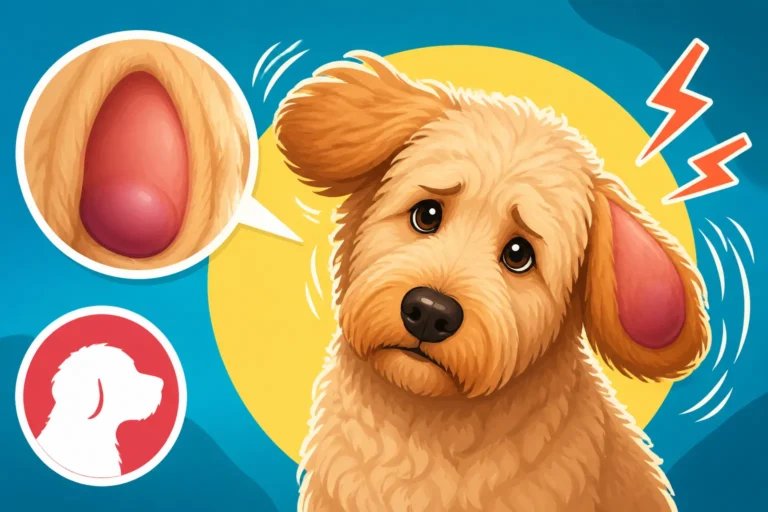
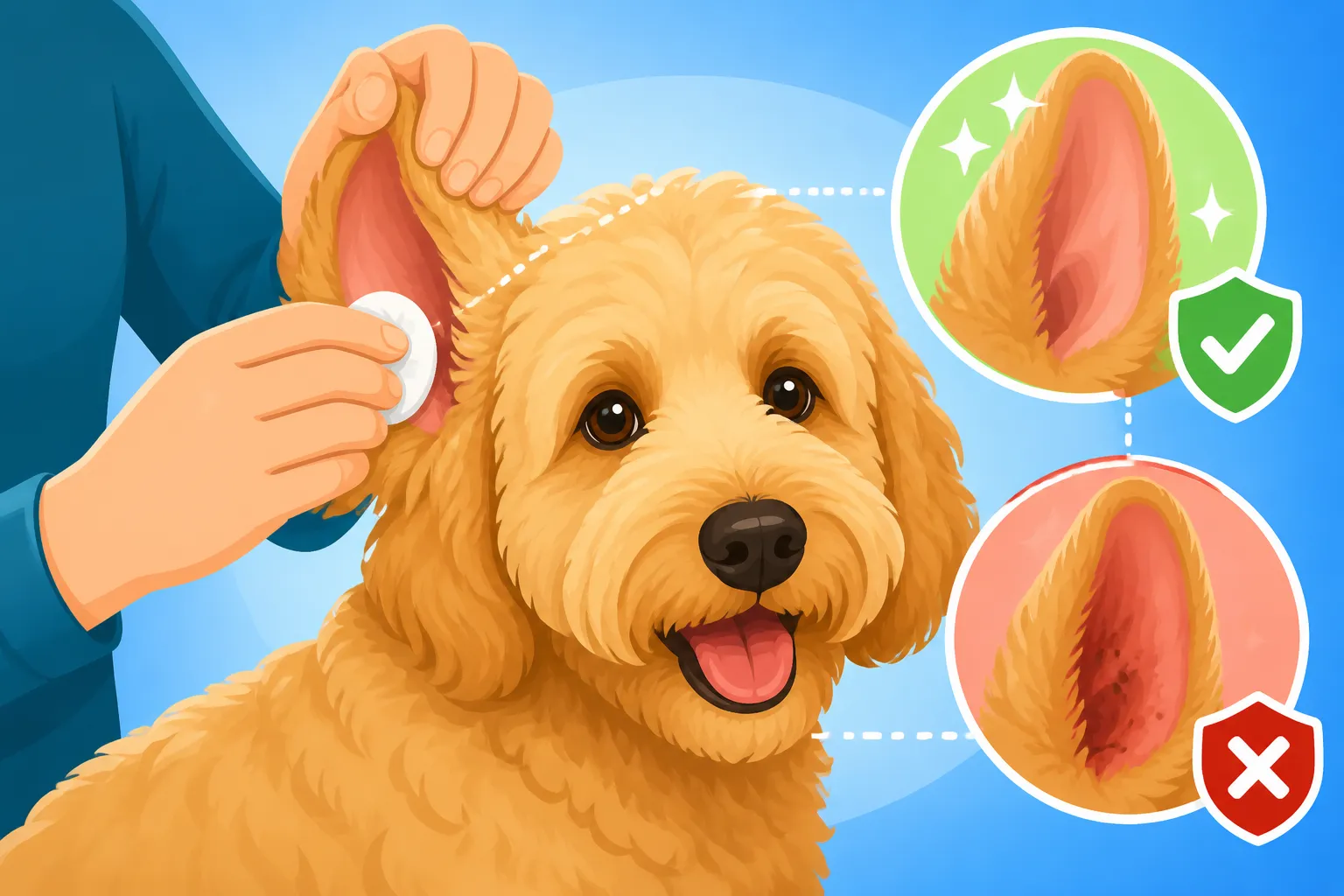
Once you've noticed behavioral changes or an unusual smell, it's time for a visual inspection. Gently lift your Goldendoodle's ear flap and take a good look inside. What are you looking for? First, examine the color of the skin lining the ear canal. Healthy ear skin should be a pale pink, similar to the inside of your own arm. If you see any redness, inflammation, or swelling, that's a red flag. Next, check for discharge. Is there any dark brown, black, yellow, or greenish gunk? Is it waxy, crumbly, or pus-like? The type and color of discharge can give your vet clues about the type of infection (e.g., dark, waxy debris often points to yeast or ear mites, while yellow-green pus suggests a bacterial infection). Also, look for any scabbing, crusting, or hair loss around the ear opening, which could indicate excessive scratching or irritation. If you see discharge, it's already a good idea to reach out to your vet.
When to Call the Vet Immediately
While regular cleaning can prevent many infections, some situations warrant immediate veterinary attention. If your Goldendoodle is showing signs of severe pain – yelping when you touch their ear, holding their head at an extreme tilt, or showing signs of being off-balance – don’t delay. These could indicate a severe infection, a ruptured eardrum, or even a foreign object lodged deep within the canal. Also, if you notice any swelling on the ear flap itself, especially if it feels like a soft, fluid-filled pocket, it could be an aural hematoma, which requires surgical intervention. These can occur when a dog shakes their head so violently that blood vessels burst within the ear flap. Any sudden onset of symptoms, particularly if accompanied by lethargy, loss of appetite, or fever, means it's time for an emergency vet visit. Remember, early intervention is always better; trying to treat a severe infection at home can make things worse and lead to chronic issues, as discussed in "Goldendoodle Ear Infections That Return Every Month". Plus, vet visits add up quickly, so prompt action could save you money in the long run. When discussing potential recurring vet costs, it’s worth thinking about pet insurance options, and providers like Healthy Paws can be a real lifeline for these unexpected health concerns.
Your Weekly Goldendoodle Ear Cleaning Routine
Establishing a regular ear cleaning routine is the single most effective way to prevent infections in your Goldendoodle. Consistency is key here; a quick wipe once a month simply won't cut it for most Doodles. Think of it as preventative maintenance, just like brushing their coat to avoid matting.
Gathering Your Supplies
Before you start, make sure you have everything you need laid out. This makes the process smoother and less stressful for both you and your Goldendoodle. You’ll need:
- A Vet-Recommended Ear Cleaner: This is paramount. Do not use rubbing alcohol, hydrogen peroxide, or harsh astringents, as these can irritate the delicate ear canal lining and cause more harm than good. Your vet can recommend a suitable solution, often one that is gentle, pH-balanced, and designed to dry quickly.
- Large Cotton Balls or Gauze Pads: These are ideal for wiping the visible parts of the ear and gently cleaning the entrance to the canal. Avoid using cotton swabs (Q-tips) too deeply, as they can push debris further into the ear canal and potentially damage the eardrum.
- Soft Towels: Have a couple on hand for drying and to catch any solution that might drip out.
- Treats: Lots of high-value treats! Make this a positive experience.
- A Quiet Spot: Choose a calm area where you and your Goldendoodle can focus without distractions.
The Gentle Cleaning Process
Now for the hands-on part. Remember to be gentle and speak in a calm, reassuring voice throughout the process.
Step 1: Administer the Cleaner.
Hold the ear flap up and gently squirt the ear cleaner directly into the ear canal. You'll want to fill the ear canal until it overflows slightly. Don't be shy; getting enough solution in there helps break up wax and debris. If your Goldendoodle is anxious, start by letting them sniff the bottle and reward them. If they flinch, take a break.
Step 2: Massage the Base of the Ear.
Once the cleaner is in, gently massage the base of their ear for about 30 seconds. You should hear a squishing sound, which means the cleaner is working its way down into the horizontal canal and breaking up gunk. This massaging action is crucial for dislodging debris that's deeper inside.
Step 3: Allow the Head Shake.
After massaging, step back and allow your Goldendoodle to shake their head. And trust me, they will shake their head! This is a good thing, as it helps bring loosened debris and excess cleaner to the surface. Have those towels ready, because it can get a little messy!
Step 4: Wipe Away Debris.
Use a fresh cotton ball or gauze pad to gently wipe away any visible wax, discharge, and cleaner from the outer ear flap and the entrance of the ear canal. Don't dig deep into the canal with the cotton ball. Only clean what you can see. If the cotton ball comes out very dirty, you might repeat the process if your dog tolerates it, but usually once is enough for routine cleaning.
Step 5: Repeat on the Other Ear.
Move to the other ear and follow the same steps. Always use fresh cotton balls for each ear to avoid cross-contamination.
Step 6: Reward!
Lavishly praise and reward your Goldendoodle with treats and affection. You want them to associate ear cleaning with positive outcomes. This will make future cleanings much easier.
Remember, the goal is preventative maintenance, not deep excavation. You can't reach the deepest parts of the L-shaped canal, and you shouldn't try. If you notice any signs of pain or resistance, stop and contact your vet. For a more detailed look at daily care that prevents issues, check out "Cleaning a Goldendoodle Ear Before It Gets Infected".
Drying the Ear Thoroughly
After cleaning, drying the ear is just as important as the cleaning itself, especially for those dense, furnished Goldendoodle ears. Leaving residual moisture behind can negate all your good work and actually promote infection.
Gentle Wiping: Use a clean, dry cotton ball or the corner of a soft towel to gently blot and wipe away any remaining moisture from the outer ear and the visible parts of the canal. Again, don't push anything deep inside.
Air Exposure: If possible, try to keep your Goldendoodle’s ear flap lifted for a few minutes after cleaning to allow air circulation. You can hold it gently, or if your dog is cooperative, distract them with a chew toy.
Hair Management: If your Goldendoodle has excessive hair growth inside their ear canal, discuss with your groomer or vet whether it should be carefully trimmed. Some professionals advocate for plucking ear hair, while others believe it can cause micro-trauma and increase infection risk. It really depends on your individual dog and their specific hair growth. For home care, focus on keeping the hair around the opening of the canal trimmed to improve airflow. This also ties into the general subject of "Goldendoodle Grooming as the Biggest Line in the Budget", as managing their coat, including ear hair, is a significant part of their care.
Post-Swim Precautions: If your Goldendoodle loves to swim, always clean and thoroughly dry their ears immediately afterward. A few drops of an ear drying solution (vet-approved, of course) can be a real game-changer here, helping to evaporate water and prevent moisture buildup.
By making this routine a consistent part of your dog's weekly care, you'll be well on your way to maintaining healthy, infection-free ears.
Choosing the Right Ear Cleaning Products
Navigating the seemingly endless aisle of pet ear products can be overwhelming. It's crucial to select cleaners that are gentle yet effective, and ideally, recommended by your veterinarian. The wrong product can do more harm than good, irritating the delicate skin or leaving residues that worsen the problem.
Saline vs. Medicated Solutions
When it comes to ear cleaners, you'll generally find two main categories: basic cleaning/flushing solutions and medicated/drying solutions.
- Basic Cleaning/Flushing Solutions: These are typically gentle, pH-balanced solutions often containing ingredients like salicylic acid, lactic acid, or aloe vera. They work by dissolving wax, debris, and neutralizing odors without causing irritation. Many also include a drying agent to help prevent moisture buildup. These are excellent for routine, preventative cleaning in healthy ears. Brands like Epi-Otic Advanced or Zymox Ear Cleanser are commonly recommended by vets for regular maintenance. They help maintain the natural acidic environment of the ear, which discourages bacterial and yeast overgrowth.
- Medicated/Drying Solutions: If your Goldendoodle is prone to recurrent infections, your vet might prescribe or recommend a cleaner with specific antifungal or antibacterial properties, or a stronger drying agent. These might contain ingredients like chlorhexidine or miconazole. These are usually used for a limited period to treat an active mild infection or as a targeted preventative. For dogs that frequently get water in their ears, specialized drying solutions can be beneficial. It’s always best to consult your vet before using any medicated cleaner, as they can diagnose the specific type of infection and recommend the most appropriate product.
What to Avoid: Steer clear of hydrogen peroxide and rubbing alcohol for routine cleaning. While they might seem like effective antiseptics, they can be highly irritating to the sensitive skin of the ear canal. Hydrogen peroxide bubbles can push debris further in, and both can dry out the skin, leading to more irritation and potentially breaking down the protective barrier, making the ear even more susceptible to future infections.
Cotton Balls, Swabs, and Beyond
The tools you use for cleaning are just as important as the solution itself.
- Cotton Balls/Gauze Pads: These are your best friends for Goldendoodle ear cleaning. They are soft, absorbent, and allow you to clean the outer ear and the entrance of the canal without posing a risk to the eardrum. Always use fresh ones for each wipe.
- Cotton Swabs (Q-tips): Use with extreme caution, if at all. Cotton swabs are generally not recommended for cleaning deep within a dog's ear canal. The "L" shape of the canal means a swab can easily push wax and debris further down, compacting it against the eardrum and potentially causing blockages or even rupturing the eardrum. They should only be used to clean the very intricate folds of the outer ear flap, never inserted into the ear canal itself.
- Ear Wipes: Pre-moistened ear wipes can be convenient for quick, surface-level cleaning, especially for wiping the outer ear flap and the areas around the ear opening. They are often infused with gentle cleaning agents and can be great for daily quick clean-ups or while traveling. However, they typically aren't sufficient for a thorough cleaning of the deeper ear canal.
- Ear Speculum: This is a veterinary tool used to visualize the ear canal and eardrum. You should never attempt to use one at home. Leave internal examination to the professionals.
Understanding these distinctions helps ensure you're not just cleaning, but cleaning safely and effectively.
When to Ask Your Vet for a Specific Cleaner
The best ear cleaner for your Goldendoodle isn't necessarily the one with the fanciest label or the highest price tag. It's the one that works best for their specific ear health needs, and that’s where your veterinarian comes in.
If your Goldendoodle has a history of recurrent ear infections, or if you're seeing signs of an active infection (redness, swelling, foul odor, discharge), don't just grab a generic cleaner from the pet store. Schedule an appointment with your vet. They can perform an otoscopic exam, take a swab of the ear discharge for cytology (looking at the cells under a microscope) to identify whether it's yeast, bacteria, or mites, and then prescribe or recommend the most appropriate cleaner or medication. Some dogs do better with an acid-based cleaner, others with an alkaline one, and some might need a product with specific antimicrobial agents.
Discuss your Goldendoodle's swimming habits, allergy history (see "Goldendoodle Allergies and Itchy Skin"), and any previous ear issues with your vet. They can help you tailor a preventative plan, including the right cleaner and frequency of use. Sometimes, using the wrong type of cleaner can actually exacerbate a problem or mask an underlying issue, delaying proper treatment. For instance, if your Goldendoodle has a ruptured eardrum, certain cleaners can be harmful. Always err on the side of caution and consult your vet when in doubt. This proactive approach not only keeps your Goldendoodle more comfortable but can also help mitigate significant expenses down the line, as persistent ear infections can lead to costly treatments, which is a major factor in "Goldendoodle Ear Infection Vet Visit Costs".
Dealing with Persistent Ear Issues and Prevention Beyond Cleaning
Sometimes, even with a diligent cleaning routine, Goldendoodles can still struggle with persistent ear issues. This indicates that there might be underlying factors at play that need to be addressed. Cleaning is a crucial piece of the puzzle, but it's often not the only one.
Addressing Underlying Allergies
One of the most common reasons for chronic or recurrent ear infections in Goldendoodles is allergies. Both Golden Retrievers and Poodles are prone to environmental allergies (atopy) and food allergies, and Goldendoodles inherit this predisposition. When a dog has allergies, their immune system overreacts, leading to inflammation and itching. This inflammation often manifests in the ears, causing them to become red, itchy, and produce excessive wax. The altered environment within the ear then creates a perfect breeding ground for secondary yeast or bacterial infections.
If your Goldendoodle suffers from recurring ear infections, especially accompanied by other symptoms like itchy skin, paw licking, or digestive upset, discussing allergy testing with your vet is vital. This might involve a food elimination trial to identify "Goldendoodle Food Allergies Showing on the Skin" or intradermal skin testing/blood tests for environmental allergens. Once identified, managing allergies can involve:
- Dietary changes: Switching to a novel protein or hydrolyzed protein diet.
- Antihistamines or steroids: To manage acute flare-ups.
- Immunotherapy: Allergy shots or oral drops to desensitize your dog to specific environmental allergens.
- Topical treatments: Special shampoos or sprays to soothe irritated skin.
Addressing the root cause—the allergy—can dramatically reduce the frequency and severity of ear infections. It’s a more holistic approach than just treating the symptoms.
The Role of Diet and Supplements
Beyond managing allergies directly, a high-quality, balanced diet plays a significant role in overall skin and coat health, which includes the ears. A diet rich in essential fatty acids, particularly Omega-3s, can help reduce inflammation throughout the body, including in the ears. Look for foods that list fish oil or flaxseed oil as ingredients, or consider adding a fish oil supplement.
- Probiotics: A healthy gut microbiome can positively impact the immune system and reduce allergic reactions. Some vets recommend probiotics for dogs prone to yeast infections, as a balanced gut can help keep yeast in check throughout the body.
- Antioxidants: Ingredients like Vitamin E, C, and zinc can support skin barrier function and immune health.
- Avoiding Inflammatory Ingredients: For some dogs, certain ingredients in their food, even if not a full-blown allergy, can contribute to systemic inflammation. Discuss with your vet if a change in diet, even without a formal allergy diagnosis, might be beneficial for chronic ear issues.
Always consult your vet before introducing any new supplements to your Goldendoodle’s diet to ensure they are appropriate and correctly dosed for their size and health status.
Regular Vet Check-ups and Professional Care
Even with the most diligent home care, professional veterinary oversight is indispensable for Goldendoodles prone to ear issues. Regular check-ups allow your vet to monitor the health of your dog's ears, catch potential problems early, and adjust your preventative strategy as needed.
- Routine Examinations: During annual or semi-annual check-ups, your vet will perform an otoscopic exam to look deep into the ear canal and assess the eardrum, which you can't do at home. They can spot subtle inflammation or early signs of infection before it becomes overt.
- Professional Cleaning (if needed): In some cases, a Goldendoodle might develop a deep-seated wax plug or a persistent infection that requires professional cleaning under sedation. This allows the vet to thoroughly flush the ear and remove all debris without causing pain or distress to your dog.
- Genetic Predisposition: While not directly tied to cleaning, understanding the genetic predispositions of Goldendoodles can inform your preventative strategy. Both parent breeds carry certain health risks, and awareness, as explored in "The DNA Panel a Goldendoodle Breeder Should Run", can guide early intervention for various conditions, including chronic ear issues linked to broader health.
- Referrals to Specialists: If your Goldendoodle has truly intractable ear problems, your vet might refer you to a veterinary dermatologist. These specialists have advanced tools and expertise to diagnose complex ear diseases, perform advanced imaging, and recommend specialized treatments, including surgical interventions in severe cases (e.g., total ear canal ablation, though this is a last resort).
Remember that chronic ear infections can be incredibly painful for your dog and frustrating for you. They can also lead to more serious complications, such as hearing loss, middle or inner ear infections, and even neurological issues. This is why having pet insurance, such as through Healthy Paws, can be incredibly beneficial; it helps manage the costs associated with these recurring conditions and ensures you can pursue specialist care without financial strain. It’s also wise to consider that all these treatments add up, so understanding "Chronic Goldendoodle Ear Care Adding Up Yearly" is critical for long-term budgeting. By working closely with your vet and being proactive, you can give your Goldendoodle the best chance at having healthy, comfortable ears for life.
Disclaimer
This article is intended for informational purposes only and does not constitute veterinary advice. Always consult with a qualified veterinarian for any health concerns or before making any decisions about your Goldendoodle's care, diet, or treatment.