Four Paws on the Floor for a Goldendoodle
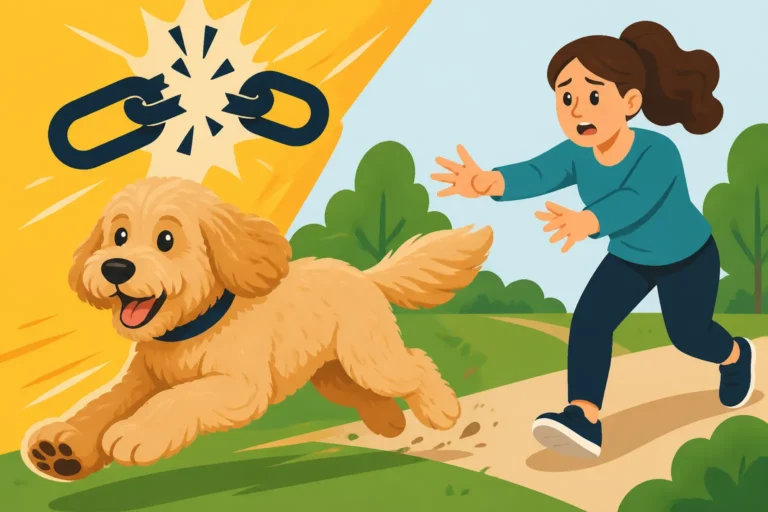
It’s a common scenario: you walk through your front door, key still in hand, only to be met by a furry, enthusiastic projectile launched straight at your chest. Or perhaps guests arrive, and your sweet Goldendoodle suddenly transforms into a bouncing pogo stick, leaving muddy paw prints on everyone's nice clothes. This guide is here to help you navigate the energetic world of Goldendoodle greetings and teach your beloved companion the art of keeping all four paws politely on the floor.
Understanding the Leap: Why Goldendoodles Jump
Goldendoodles are bundles of joy, brimming with intelligence, eagerness, and an almost boundless desire to greet and engage with their favorite people. While this exuberance is part of their charm, it often manifests as jumping, a behavior that can quickly become problematic, especially with larger Doodles or around children and the elderly. Understanding the root causes of this behavior is the first step toward transforming those enthusiastic leaps into calm, respectful greetings.
Inherited Traits and Their Influence
Your Goldendoodle inherits a wonderful blend of traits from both the Golden Retriever and the Poodle. From the Golden Retriever side, you get that undeniable "Golden energy" – a dog that loves people, wants to be part of the action, and often greets with a full-body wiggle and a wagging tail. They are naturally effusive and their way of showing affection can often involve physical contact. Then, from the Poodle side, you have incredible intelligence and an eagerness to please, but also sometimes a touch of sensitivity and bounciness. These combined traits create a dog that is highly motivated by social interaction and learns quickly, for better or worse. They aren't jumping to be naughty; they're jumping because it’s their instinctive, unfiltered way of saying, "I'm so happy to see you!" or "Pay attention to me!" It's important to remember that this behavior isn't malicious, but rather a misdirected attempt at connection.
How We Accidentally Encourage Jumping
Let's be honest, we humans often inadvertently reinforce the very behaviors we don't want. When your Goldendoodle puppy jumps up, it’s tiny and adorable, and we might bend down, give it a little scratch behind the ears, or even chuckle. While our intentions are good, from the puppy's perspective, they just got exactly what they wanted: attention! Even pushing them off or saying "no" can be interpreted as a form of attention. The key is that any response, positive or negative, can be a reward. If the dog gets your eyes, your hands, or your voice when they jump, they've successfully prompted a reaction from you, making them more likely to repeat the behavior next time. It's a classic example of "what gets rewarded gets repeated," even if the reward is simply acknowledgment.
Excitement and Lack of Impulse Control
Goldendoodles, especially when young, can have a hard time regulating their emotions. They get so excited when you come home, or when a new person enters the house, that their impulse control goes right out the window. This isn't just about training; it's also a developmental stage. Puppies and adolescent dogs often lack the self-control to manage intense feelings, leading to behaviors like jumping, nipping, and zoomies. Their little brains are still developing, and the prefrontal cortex, responsible for impulse control, isn't fully mature. Teaching them to manage this excitement is crucial, and it’s a journey that requires patience and consistent guidance on our part. Without understanding impulse control, a Goldendoodle can become overwhelmed by its own enthusiasm. For more on this, check out Goldendoodle Jumping and the Impulse Control Problem.
Laying the Foundation: Training "Four Paws on the Floor"
The good news is that Goldendoodles are smart and eager to learn, which means they respond incredibly well to positive reinforcement training. The goal isn't to suppress their joy, but to channel it into more polite and acceptable ways of greeting. Consistency, timing, and patience are your best friends here.
The Power of "Off" and Positive Reinforcement
Teaching "off" is fundamental, but it's more than just a command; it's about teaching an alternative behavior. When your Goldendoodle jumps, the immediate response should be to turn your back, cross your arms, and completely ignore them. No eye contact, no speaking, no touching. The moment all four paws touch the floor, even for a split second, immediately pivot, mark the behavior with a "yes!" or a clicker, and offer a calm reward, like a small treat or a gentle scratch under the chin (not over the head, which can encourage jumping again). This teaches them that "four paws on the floor" is the gateway to attention and rewards, while jumping gets them absolutely nothing. Remember, the timing is critical: reward as soon as the desired behavior happens. This might take many repetitions, but your Goldendoodle will connect the dots.
Rewarding Calm Greetings
Beyond just stopping the jumping, we want to actively encourage and reward calm greetings. Practice controlled greetings regularly. Start by having your Goldendoodle on a leash, even in the house. As you approach them, or as a practice guest approaches, if they start to lift a paw or get bouncy, immediately turn and walk away or have the guest stop approaching. Repeat this until they keep all four paws down as you get closer. The instant they stay calm, approach, offer a treat, and give soft praise. This process reinforces that only calm behavior earns a reward and interaction. For more ideas on how to manage these enthusiastic greetings, consider reviewing Frantic Greeting Behavior in a Goldendoodle. You can even get guidance from online training programs like BAXTER & Bella, which offer structured courses on these very issues, helping you build a solid foundation.
Consistency is Key: Everyone On Board
This is perhaps the most challenging aspect: consistency. Every single person who interacts with your Goldendoodle must follow the same rules. If one family member allows jumping, or a visitor thinks it's cute, you're essentially undoing all your hard work. Sit down with everyone in your household and explain the training plan. Make sure they understand how important it is to ignore jumping and reward "four paws on the floor." This includes children, too. For younger kids, it might be easier to teach them to turn their backs and "be a tree" when the dog jumps, then reward with a treat when the dog calms down. Without this unified front, your Goldendoodle will get mixed signals and struggle to understand what's expected of them. Consistent short training sessions are more effective than infrequent, long ones; remember, Goldendoodle Training Sessions and How Long to Run Them should be kept brief and fun.
Real-World Scenarios: Managing Jumping in Everyday Life
Training in a controlled environment is one thing; applying it to the unpredictable chaos of daily life is another. Goldendoodles encounter many situations that trigger their desire to jump. Here’s how to proactively manage those moments.
Greeting Guests and Visitors
The doorbell rings, and your Goldendoodle erupts in a joyous, bouncy frenzy. This is where pre-planning is essential. Before guests arrive, have your Goldendoodle on a leash or behind a baby gate. When guests enter, instruct them not to acknowledge your dog until all four paws are on the floor. If your dog jumps, the guest should immediately turn their back. Once your Goldendoodle is calm, even for a second, the guest can offer a quick, calm pet or a treat. Some owners find success with giving their Goldendoodle a "job" during greetings, like holding a toy (which makes it hard to jump) or settling on a mat. You can find sturdy baby gates on platforms like Amazon that can help manage these entry scenarios, creating a physical barrier until your Goldendoodle is composed. If your Goldendoodle still struggles, practice with a friend who is willing to follow your instructions precisely. It really helps when you have a plan for A Goldendoodle That Jumps on Every Guest.
The Excited Welcome Home Routine
Coming home after a long day is often the biggest trigger for jumping. Your Goldendoodle has missed you, and their excitement is palpable. To manage this, try to make your arrival as low-key as possible. When you walk in, avoid immediate eye contact or overly enthusiastic greetings if you know your dog will jump. Walk straight to a designated spot, perhaps put your bag down, and then ignore your Goldendoodle until they settle. Again, the moment all four paws are on the floor, you can calmly greet them. Some owners find it helpful to toss a treat away from themselves as they walk in, redirecting the dog's focus to sniffing and foraging rather than jumping. Another trick is to ask for a "sit" or "down" as soon as you enter, rewarding heavily if they comply. Online programs, like those offered by BAXTER & Bella, often have specific modules dedicated to mastering this "calm arrival" sequence.
Jumping During Play and for Attention
Goldendoodles are playful by nature, and sometimes jumping is part of their play routine or a plea for attention. If your Goldendoodle jumps during play, immediately stop playing. Turn your back, ignore them for a few seconds, and only resume play when they have all four paws on the ground. They will quickly learn that jumping ends the fun. The same principle applies if they jump for attention while you're busy. If you're on the couch and they jump up, stand up, turn away, and walk into another room if necessary. Return when they are calm. Consistency is vital here; if you sometimes give in, you're teaching them that persistence (i.e., more jumping) might eventually get them what they want. It’s a battle of wills, and you need to be the unwavering leader. Using specific Goldendoodle Impulse Control Exercises during daily routines can also help build this self-regulation.
Preventing Jumping on Furniture and People in Relaxation
It’s one thing to manage jumping during greetings, but another when your Goldendoodle decides the couch is fair game, or they jump on someone who is sitting. If you don't want your Goldendoodle on the furniture, then "off" means off. If they jump on a guest who is seated, again, the guest should gently stand up and turn away. For furniture, a consistent "off" command followed by rewarding them when they settle on their own bed or mat is effective. You might also want to introduce Mat Settle Training for a Restless Goldendoodle, teaching them a designated "place" where they can relax calmly. Physical barriers can also be useful here – if the couch is off-limits, use gates or even large cushions to block access until your Goldendoodle understands the boundary.
Beyond Training: Environmental Management and Tools
While training is paramount, sometimes you need a little help from strategic environmental management and the right tools to set your Goldendoodle up for success.
Leash Management for Controlled Greetings
A well-fitting leash and harness can be incredibly valuable tools, especially during the initial stages of training "four paws on the floor." When anticipating a greeting scenario, such as a walk where you might encounter other people or dogs, keeping your Goldendoodle on a leash gives you immediate control. If they start to get bouncy, you can use the leash to gently guide them back to the ground, coupled with your "off" command and turning away. This isn't about yanking or punishing; it's about clear communication and physically preventing the unwanted behavior while you teach the desired one. There are many comfortable harness options available on Amazon that won't irritate your Goldendoodle's coat, and a good quality leash provides the control you need without discomfort. For more on managing your Goldendoodle on walks, consider reading Goldendoodle Leash Pulling by Size Category.
Using Gates and Barriers Strategically
Sometimes, the best offense is a good defense. Baby gates, playpens, or even closing doors can be instrumental in managing your Goldendoodle's jumping, particularly during high-excitement times like guest arrivals or meal prep. Instead of constantly correcting, you can prevent the jumping from happening in the first place by simply separating your dog from the trigger. For instance, when the doorbell rings, you can guide your Goldendoodle behind a gate. Once your guests are settled and the initial excitement has worn off, you can then bring your dog out, calmly and on a leash, to practice polite greetings. This not only prevents frustration for you and your guests but also reduces the number of times your Goldendoodle practices the unwanted jumping behavior.
Appropriate Toys and Outlets for Energy
A Goldendoodle with pent-up energy is a Goldendoodle more likely to jump. These dogs are intelligent and active, and they need both physical and mental stimulation. Make sure your Goldendoodle is getting adequate exercise for their age and size. This doesn't just mean walks; it means opportunities to run, play fetch, and engage their brains with puzzle toys. A tired dog is a good dog, and a dog whose mental needs are met is less likely to resort to attention-seeking behaviors like jumping. Consider providing a variety of chew toys, puzzle feeders, or engaging fetch toys to redirect their energy. Giving them appropriate outlets for their Golden Retriever playfulness and Poodle intelligence can make a world of difference in reducing unwanted jumping.
When to Seek Professional Guidance
If you've been consistent, everybody in the house is on the same page, and your Goldendoodle is still struggling significantly with jumping, it might be time to bring in a professional. A certified professional dog trainer or a behaviorist can observe your dog's specific behaviors, identify underlying triggers you might be missing, and provide personalized strategies. They can offer one-on-one sessions or group classes that focus on impulse control and polite manners. Sometimes, an outside perspective and expert guidance are exactly what's needed to break through a behavioral plateau. Don't feel like a failure for seeking help; it's a responsible step towards ensuring both you and your Goldendoodle live a happier, more harmonious life together. You can find excellent advice on where to look for help in Finding a Trainer for a Goldendoodle.
| Scenario | Common Goldendoodle Response | Desired Behavior | Your Action |
|---|---|---|---|
| Owner Arrives Home | Jumps excitedly | Sits or stands calmly | Ignore until paws on floor, then calmly greet and treat. |
| Guest Arrives | Jumps on guest | Sits or stands calmly | Guest turns back, you redirect to "place" or leash. |
| During Playtime | Jumps for ball/toy | Waits politely for toy | Stop play instantly if jumps, resume when calm. |
| Seeking Attention | Nudges, then jumps | Sits patiently | Ignore jumping, reward calm sit or lie-down. |
| Encountering New Dogs | Pulls, jumps to greet | Sits or focuses on you | Leash control, reward eye contact and calm behavior. |
Disclaimer
This article is for general informational purposes only and does not constitute professional advice. Laws, prices and regulations vary by location and change over time. Consult a qualified professional for guidance on your specific situation.