Goldendoodle Impulse Control Exercises
It's incredibly frustrating when your Goldendoodle, despite being so smart and eager to please, just can't seem to control themselves when excitement strikes. Whether it's jumping on every new person or dragging you down the street towards another dog, that lack of impulse control can feel like a constant battle. This guide will walk you through practical, empathetic strategies and exercises to help your Goldendoodle learn to manage their excitement and make calmer choices, leading to a more peaceful life for everyone.
Understanding Goldendoodle Impulse Control
Before we dive into the "how-to," let's chat about what impulse control actually means for a Goldendoodle and why it can sometimes feel like an uphill battle. These wonderful dogs are a blend of two highly intelligent and energetic breeds, and sometimes that combination means they're just bursting with enthusiasm and a desire to interact with the world around them. It's not usually defiance; it's often just pure, unadulterated joy that they haven't learned to temper yet.
What 'Impulse' Means for Dogs
For us humans, an impulse might be grabbing that extra cookie or hitting snooze one too many times. For a dog, an impulse is an immediate, often physical, reaction to a stimulus without thinking through the consequences. Imagine a squirrel darting across the yard – the impulse for many Goldendoodles is to instantly launch into a chase, often without regard for the leash, the person holding it, or the fact that it's a busy street. Similarly, a new guest walking through the door triggers an impulse to jump and lick, driven by sheer delight and a desire for attention, even if it means knocking someone over.
These impulses are natural. Dogs are creatures of instinct, and their brains are wired for quick reactions, especially when it comes to things they perceive as exciting or rewarding. What we're trying to do with impulse control training isn't to suppress their natural joy or drive, but rather to teach them to pause, process, and choose a more appropriate response instead of reacting immediately. It's about building a split-second delay, a moment where they look to you for guidance, even when their instincts are screaming "GO!" This is particularly crucial for a breed as exuberant and friendly as the Goldendoodle.
The Poodle and Retriever Influence
The Goldendoodle is a fascinating mix, inheriting traits from both the intelligent Poodle and the friendly, biddable Golden Retriever. This genetic cocktail contributes significantly to their temperament, and, yes, sometimes to their challenges with impulse control. The Golden Retriever side often brings a strong desire to greet and interact with people, often with a full-body wiggle and an inability to keep all four paws on the floor. They are famously friendly, sometimes to a fault, and their enthusiasm can overwhelm.
Then you have the Poodle influence, which blesses them with incredible intelligence and sensitivity. This means they often pick up on your emotions and intentions very quickly, but it can also mean they get over-stimulated easily. A Goldendoodle might pick up on the subtle cues of an approaching visitor and ramp up their excitement long before the doorbell even rings. While they are highly trainable, that Poodle intelligence can sometimes lead to a dog who is too smart for their own good, constantly testing boundaries or finding loopholes if consistency isn't there. Understanding this dual influence helps us approach their training with more empathy and tailor our methods to harness their strengths. For example, their biddability means they want to please you, which is a huge advantage when teaching them to pause.
Foundational Training for Calm Goldendoodles
You can't build a strong house on a weak foundation, and the same goes for impulse control. Before you can expect your Goldendoodle to resist jumping on grandma or ignore that tantalizing dropped crumb, they need to have a solid understanding of basic obedience and how to focus on you amidst distractions. This isn't just about teaching commands; it's about building a relationship of trust and clear communication.
The Power of Positive Reinforcement
When working with a Goldendoodle, positive reinforcement isn't just a method; it's practically a superpower. These dogs thrive on praise, treats, and joyful interaction. They want to please you, and when you make training a fun, rewarding experience, they'll be far more engaged and eager to learn. This means rewarding the behaviors you want to see, rather than punishing the ones you don't. For instance, if your Goldendoodle manages to keep one paw on the floor when a visitor arrives, even if they're still wiggly, that's a moment to reinforce! A quick "yes!" and a tasty treat can go a long way.
Avoid harsh corrections or intimidation, as these sensitive dogs can become shut down, anxious, or even reactive. Instead, focus on creating an environment where they feel safe to make good choices and are generously rewarded for doing so. This builds confidence and strengthens your bond, making them more likely to look to you for guidance in high-stimulation situations. Remember, a Goldendoodle that associates good behavior with good things is a Goldendoodle that wants to behave.
Short, Frequent Sessions
Let's be real: trying to get a Goldendoodle, especially a young one, to focus for a long, drawn-out training session is often a recipe for frustration for both of you. Their minds are active, easily distractible, and they have bursts of energy. The trick is to embrace this and work with it, not against it. Instead of one 30-minute session, aim for multiple short, impactful sessions throughout the day. Think 3 to 5 minutes, maybe even less, especially for puppies. Training Sessions and How Long to Run Them delves deeper into this concept.
These brief sessions keep things fresh, fun, and prevent your Goldendoodle from getting bored or overwhelmed. You can integrate them into your daily routine: a quick "sit" before their meal, a "stay" for a few seconds before you open the door to the backyard, or a "leave it" game while you're prepping dinner. The consistency of frequent, short bursts of training is far more effective than sporadic, lengthy ones. You'll be building habits and reinforcing good choices without either of you feeling like training is a chore.
Specific Impulse Control Exercises
Once you've got the basics down and a good relationship built on positive reinforcement, it's time to introduce specific exercises designed to target impulse control. These aren't just tricks; they're essential life skills that empower your Goldendoodle to think before they act.
"Leave It" for Everything
The "leave it" command is an absolute game-changer for impulse control. It teaches your Goldendoodle to ignore something tempting, whether it's food on the floor, a discarded sock, or even another dog they desperately want to greet. This command isn't just about not taking something; it's about choosing to disengage and look to you for a better alternative.
Here's how to build it up:
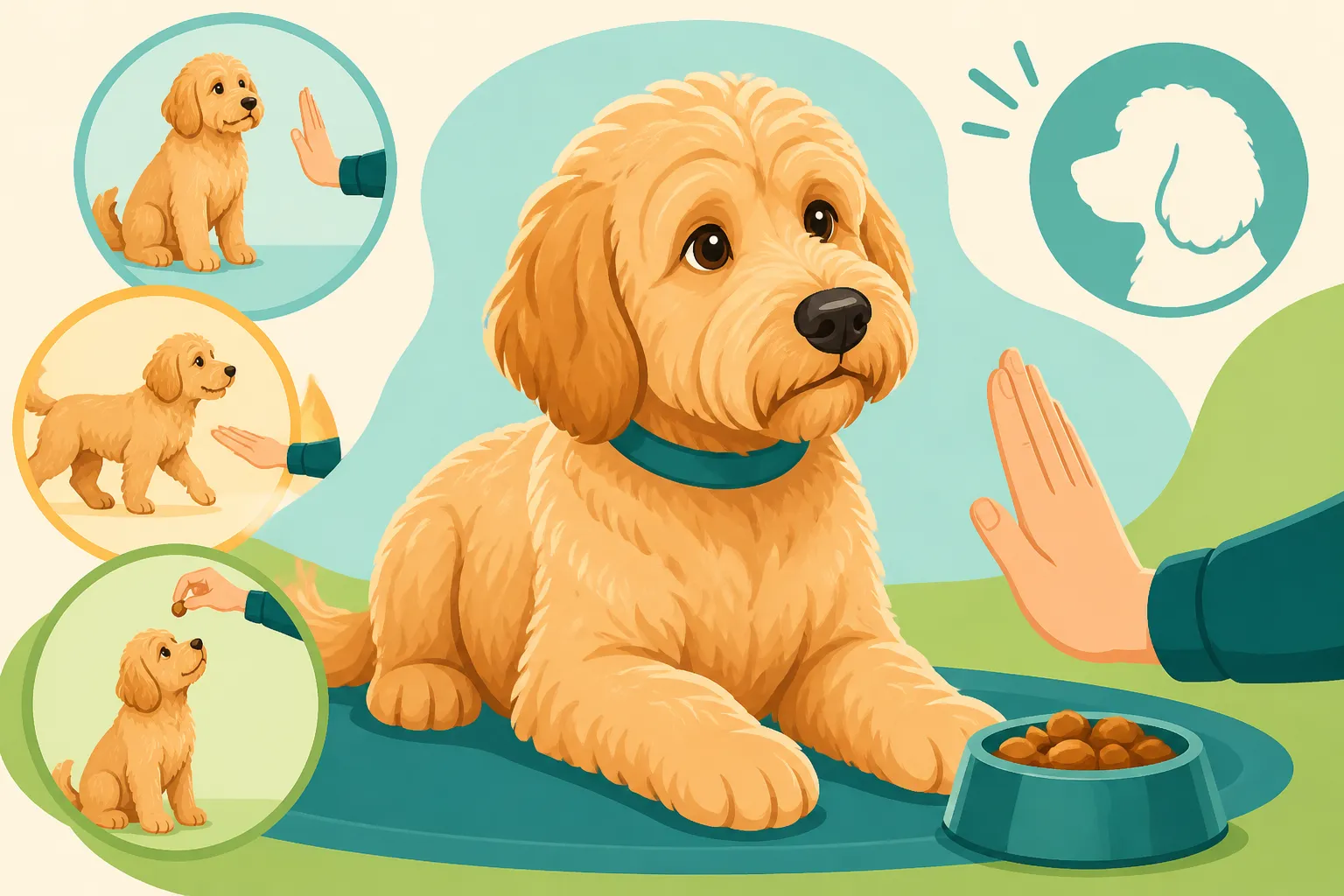
- Start Easy: Hold a treat in a closed fist. Say "leave it" as you present your fist. Your dog will likely try to lick, nudge, or paw at your hand. Wait patiently. The instant they back away or even just glance at you, mark it with "yes!" and reward them with a different, higher-value treat from your other hand. This is crucial: the reward comes from you, not the item they "left."
- Open Hand, Ground Level: Once they reliably back away from your closed fist, try placing a treat on the floor and covering it with your hand. Say "leave it." When they disengage, reward from your other hand. Gradually progress to uncovering the treat, keeping your hand ready to cover it again if they lunge.
- Real-World Distractions: Slowly introduce distractions. Start with a less appealing item they normally wouldn't grab, then move to more tempting things like a dropped piece of kibble, a toy, or eventually, that rogue sock. Practice "leave it" on walks for interesting smells or dropped items. The goal is for them to understand that "leave it" means "don't touch that, and something better is coming from me." This helps manage Goldendoodle Puppy Biting and Mouthing by teaching them what they can't put in their mouths.
The "Wait" Protocol at Doors and Food Bowls
The "wait" command is another cornerstone of impulse control, specifically targeting those moments of high anticipation. It teaches your Goldendoodle that good things come to those who wait, and that waiting means remaining calm and still until given a release cue.
- Food Bowl Practice: Place your Goldendoodle's food bowl down, but hold them back slightly or ask for a "sit" or "down" a few feet away. Say "wait." If they move, gently put the bowl back up (or cover it with your hand) and reset. When they hold their position for even a second, say "okay!" (your release cue) and let them eat. Gradually increase the duration they have to wait and the distance you are from the bowl. This teaches them that rushing doesn't get them the food faster; patience does.
- Door Manners: This is fantastic for preventing excited Goldendoodles from bolting out the door or barreling past you when guests arrive. With your Goldendoodle on a leash at first, approach the door. Ask for a "sit" or "down" and say "wait." Reach for the doorknob. If they break position, close the door and reset. If they hold, slowly open the door a crack. If they hold, open it further. Only when they are calmly waiting for your "okay!" do you allow them to go through. This translates directly to Door Manners for a Goldendoodle That Bolts.
Imagine guests arriving. Instead of a jumping frenzy, your Goldendoodle is patiently waiting, making a fantastic first impression. This structured waiting also instills the understanding that you are in control of exciting resources and opportunities.
Mat Training for Settle
For many Goldendoodles, the concept of simply being calm can be a foreign one, especially in a bustling household. Mat training, also known as "place" training, teaches your Goldendoodle to go to a designated spot (a mat, bed, or towel) and relax there until released. It's a fantastic way to give them an "off switch" and help them practice settling down even when exciting things are happening around them. Mat Settle Training for a Restless Goldendoodle provides more depth here.
- Introduce the Mat: Start by luring your Goldendoodle onto the mat with a treat. As soon as all four paws are on the mat, mark with "yes!" and reward. Repeat this a few times, then introduce a verbal cue like "place" or "bed."
- Building Duration: Once they willingly go to the mat, start rewarding them for staying on the mat. Toss treats onto the mat while they're on it. When they get up, simply reset them onto the mat without scolding. Slowly increase the time they spend on the mat, rewarding frequently for calm behavior.
- Adding Distance and Distraction: As they get better at staying on the mat, start stepping away for a second, then return to reward. Gradually increase your distance and the distractions in the environment. This is perfect for when you're eating dinner, have guests over, or just need a moment of peace. The mat becomes their safe, calm space where they know good things happen for quiet behavior. You can even bring the mat with you when visiting friends or family to provide a familiar calming anchor.
Managing High-Energy Situations
Real life is full of high-energy situations that test your Goldendoodle's impulse control. These are the moments when all your training comes together, but they also require proactive management and consistent reinforcement.
Calm Greetings Protocol
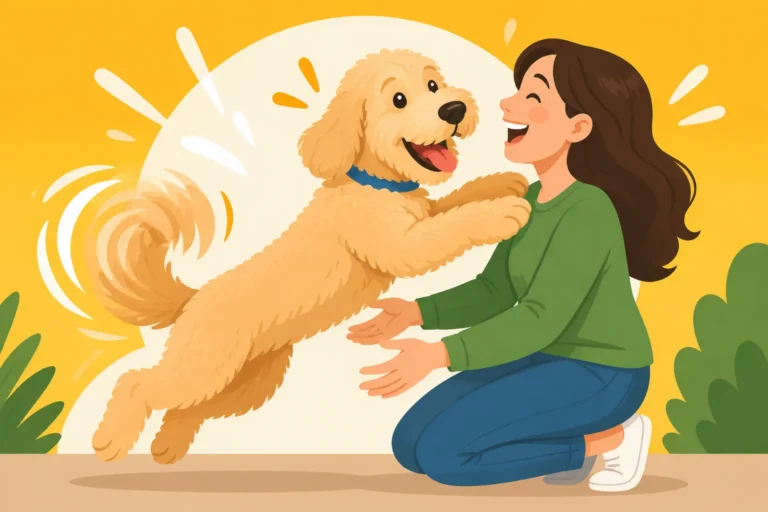
One of the biggest challenges Goldendoodle owners face is the enthusiastic, often overwhelming, greeting behavior. A Goldendoodle That Jumps on Every Guest is a common complaint. Their sheer joy often translates into jumping, nipping, and general pandemonium. A calm greetings protocol aims to teach them that the fastest way to get attention is by being polite.
- Set Up Success: Before guests arrive, ensure your Goldendoodle has had adequate exercise and a potty break. Have a designated "place" (their mat) ready, along with a long-lasting chew or puzzle toy from Amazon or a similar store to keep them occupied.
- Practice Doorbell Drills: Practice the doorbell sound, even when no one is there. When the bell rings, immediately send your Goldendoodle to their mat with a "place" command and reward them generously for going and staying. Repeat this until the doorbell becomes a cue to go to their mat, rather than a cue to jump.
- Guest Arrival: When real guests arrive, ideally have them wait outside for a moment. Put your Goldendoodle on a leash or send them to their mat. Have your guest enter calmly, ignoring your dog completely. This is the hardest part for guests – no eye contact, no talking, no petting until your dog is calm. Once your Goldendoodle is sitting or lying calmly on their mat for a few minutes, then your guest can offer a calm pet or a treat. If your Goldendoodle gets too excited, the attention stops immediately, and they're redirected back to their mat. This teaches them that calm equals attention, not frantic behavior.
Leash Reactivity and Overarousal
Goldendoodles are generally friendly, but sometimes their excitement on a leash can morph into what looks like reactivity. They might pull frantically, whine, or even bark at other dogs or people because they want to greet them so badly, but their impulse control isn't there. Goldendoodle Leash Pulling by Size Category is a common issue. This isn't aggression, but overarousal, and it needs to be managed proactively.
- Threshold Training: The key is to work below their "threshold," meaning the point at which they lose all control. Find a distance from the distraction (another dog, person, or even a tempting bush) where your Goldendoodle notices it but can still respond to you.
- Engage-Disengage Game: At this threshold distance, when your Goldendoodle sees the trigger, mark it with a "yes!" the moment they glance at it, then immediately reward them with a treat from your hand. They look at the trigger, get a treat for not reacting. Repeat this. The goal is to change their emotional response to the trigger from "OMG, must go!" to "Oh, that thing! Where's my treat?"
- Consistent Gear: Use a comfortable, well-fitting harness that doesn't put pressure on their throat, especially for Goldendoodles with their Poodle-inherited neck sensitivity. Consider options that clip in the front to help manage pulling.
- Short and Sweet Walks: Focus on quality over quantity. A shorter walk where your Goldendoodle is mostly calm and responsive is far more beneficial than a long, frustrating walk where they're constantly pulling and getting over-stimulated. Always remember to reward calm walking and any instance where they choose to look at you instead of pulling.
When to Seek Professional Help
Even with the best intentions and consistent effort, some impulse control challenges can feel overwhelming. It's important to remember that asking for help isn't a sign of failure; it's a sign of a responsible and loving Goldendoodle owner.
Recognizing Stubborn Habits
Sometimes, despite all your efforts, a specific impulse control issue just doesn't seem to budge. Maybe your Goldendoodle still jumps on every visitor, or their "leave it" command works perfectly indoors but completely falls apart on walks. It could be that the behavior has become deeply ingrained, or you might be inadvertently reinforcing it without realizing.
Here are some signs it might be time for an expert:
- No Progress: You've been consistently practicing for several weeks, but you see no noticeable improvement in a particular area.
- Escalation: The behavior is actually getting worse, or your Goldendoodle is becoming more difficult to manage in certain situations.
- Frustration and Stress: You or your family are becoming consistently frustrated, stressed, or even worried about your Goldendoodle's behavior. This can impact your bond, and that's never good.
- Safety Concerns: The lack of impulse control is leading to safety issues, such as bolting out the door into traffic, aggressive lunging due to overarousal, or accidentally knocking over small children or elderly family members.
- Breed-Specific Challenges: While Goldendoodles are generally eager to please, some individuals might have a stronger prey drive or higher anxiety that requires specialized techniques.
Finding a Qualified Goldendoodle Trainer
When you decide to seek professional help, choosing the right trainer is crucial. Not all trainers are created equal, and it's essential to find someone who uses modern, force-free, positive reinforcement methods that align with your Goldendoodle's sensitive and intelligent nature. Finding a Trainer for a Goldendoodle is an excellent resource for this.
Here’s what to look for:
- Certifications and Experience: Look for trainers certified by reputable organizations. They should have experience specifically with Goldendoodles or similar energetic, intelligent breeds.
- Training Philosophy: Ask about their methods. They should emphasize positive reinforcement, rewards, and humane techniques. Steer clear of anyone advocating harsh corrections, intimidation, or punishment collars.
- Client Reviews and References: Check online reviews and ask for references. Speak to other Goldendoodle owners who have worked with them.
- Observation: Ask if you can observe a class or a session without your dog first. This gives you a chance to see their teaching style and how they interact with dogs and owners.
- Comfort Level: You need to feel comfortable with the trainer. You'll be spending time with them, and they'll be guiding you, so a good rapport is essential.
Online training platforms, like those offered by BAXTER & Bella, can also be a fantastic resource, especially for foundational skills and troubleshooting common issues. They often provide structured curricula, video demonstrations, and sometimes even live Q&A sessions, allowing you to learn at your own pace from the comfort of your home. Whether in-person or online, a good trainer can help identify the root cause of the impulse control issues, offer tailored strategies, and provide the consistent support you need to see real breakthroughs.
Remember, building impulse control is a journey, not a destination. There will be good days and bad days, but with patience, consistency, and the right approach, your Goldendoodle can learn to navigate the exciting world with a calm confidence that makes life better for everyone.
| Impulse Control Exercise | What It Teaches | Benefits for Goldendoodles | Key Takeaway |
|---|---|---|---|
| "Leave It" | Ignore distractions, focus on handler | Prevents grabbing, bolting, fosters polite curiosity | Your reward is better than the distraction. |
| "Wait" | Patience, delayed gratification | Calmness at doors/food bowls, prevents rushing | Good things come to those who wait calmly. |
| "Place/Mat" | Settling in a designated spot | "Off switch" for high energy, reduces frantic behavior | Calmness is rewarded in their special spot. |
| Calm Greetings | Polite interaction with people | Reduces jumping, nipping, over-excitement | Calm behavior gets attention, not frantic. |
| Threshold Training | Managing arousal around triggers | Reduces pulling, barking at other dogs/people | Triggers signal a treat from you, not a chase. |
Disclaimer
This article is for general informational purposes only and does not constitute professional advice. Laws, prices and regulations vary by location and change over time. Consult a qualified professional for guidance on your specific situation.