Goldendoodle Recall Falling Apart at Ten Months
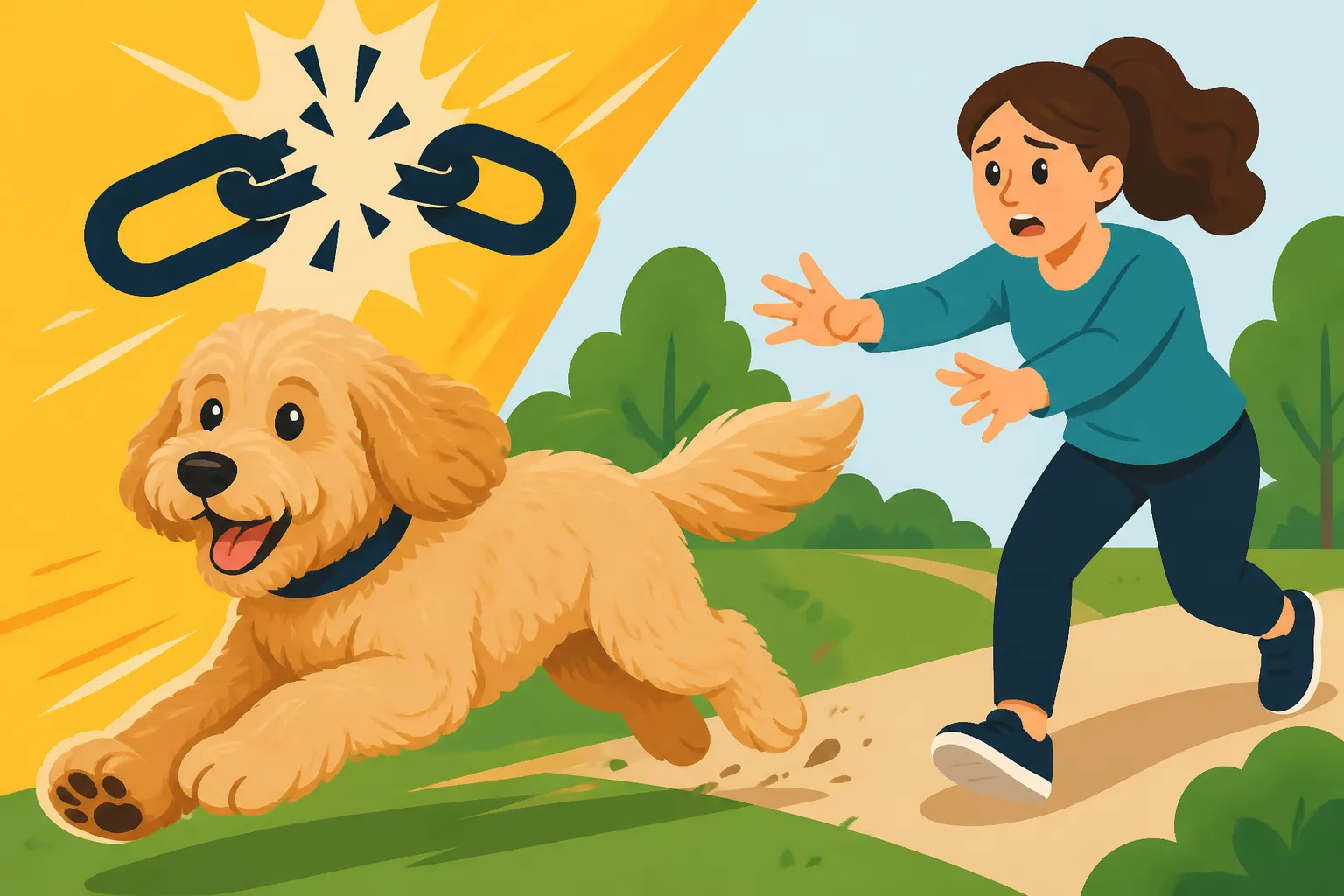
If you've got a Goldendoodle puppy who used to come trotting back to you with enthusiastic glee, only to now seem to develop "selective hearing" around ten months old, you are absolutely not alone. This sudden deaf ear to your calls, especially when something exciting catches their attention, can be incredibly frustrating and even frightening. This guide dives deep into why your Goldendoodle's recall might be falling apart during their teenage months and, more importantly, how you can rebuild that reliable connection.
The Teenage Goldendoodle Brain: Why Recall Goes AWOL
Just when you think you've got this whole Goldendoodle parenting thing figured out, BAM! Your sweet, biddable puppy enters adolescence. It's a challenging phase for both of you, and it hits recall particularly hard. Think of it like your human teenager suddenly thinking they know everything and your advice is, well, boring.
Hormonal Havoc and Newfound Independence
Around eight to twelve months, give or take, Goldendoodles hit their equivalent of human puberty. Hormones are surging, and with them comes a noticeable shift in behavior. What was once an endearing desire to stay close and please you morphs into a burgeoning sense of independence. They're growing up, testing boundaries, and exploring the world with a confidence they didn't have as a tiny puppy.
This is a critical time when their focus naturally expands beyond just you. Suddenly, the scent of another dog, the rustle in the bushes, or a distant sound becomes exponentially more compelling than your voice. They're not deliberately trying to be disobedient; their brains are literally wired differently now. The part of their brain that processes consequences and evaluates risks isn't fully developed, leading to a "run first, think later" mentality. For many Goldendoodle owners, this is precisely when they find their Goldendoodle Adolescence and Selective Hearing kicks in, leaving them shouting into the wind at the dog park.
The World Is Too Exciting: Distraction Overload
Remember how easy it was to train your Goldendoodle puppy in the living room? Few distractions, high motivation for treats. Now, take that same Goldendoodle to a park with squirrels, other dogs, children playing, and tantalizing smells, and your voice might as well be white noise. The sheer volume of sensory input is overwhelming, and their instinct to chase, greet, or investigate often overrides their learned response to your recall command.
This isn't just about being stubborn; it's about their inherent drives taking over. The Golden Retriever side gives them that strong desire to chase and retrieve, while the Poodle side, though often highly intelligent, can also be easily stimulated and sensitive to their environment. When these drives kick in, the mental effort required to disengage from a high-value distraction and turn back to you is immense for an adolescent dog. It's like asking a kid to stop playing their favorite video game mid-boss battle just because you called them for dinner. Your offer has to be way more appealing. This is a common time when you might try practicing Calling a Goldendoodle Off a Dog It Wants to Greet and find it's much harder than it used to be.
When Growth Plates Influence Behavior (and Neutering)
The timing of neutering can also play a role in this adolescent phase. Many veterinarians now recommend waiting until a Goldendoodle's growth plates have closed, which can be anywhere from 12 to 18 months or even later, depending on their size category. This means you might be navigating the most challenging parts of adolescence with a dog still experiencing full hormonal fluctuations.
While we want to ensure healthy joint development, these hormones definitely contribute to the "teenage brain" syndrome. Unneutered males might be more prone to wander or chase scents, driven by instinct. Unspayed females might have their own set of hormonal shifts that impact focus. It’s a delicate balance, and something to discuss carefully with your vet, especially considering factors like Neuter Timing That Depends on Goldendoodle Size and its overall impact on their physical and behavioral development. This isn't to say neutering is a magic bullet for recall, but understanding the hormonal landscape helps explain some of the underlying shifts in your Goldendoodle's priorities.
Rebuilding a Reliable Recall: Back to Basics and Beyond
Okay, so you understand why it's happening. Now, what do you do? The key is to go back to foundations, raise the stakes, and manage their environment carefully. It's about making coming back to you the most rewarding thing in their world.
Making Yourself More Exciting Than a Squirrel
This is where you become the ultimate party host. When you call your Goldendoodle, especially during these challenging months, their reward for coming back needs to be spectacular. Forget the boring kibble they get every day. We're talking high-value, irresistible treats: boiled chicken, hot dogs, cheese, or specialized training treats from brands you can find on Amazon.
When you call, use an enthusiastic, happy voice. Don't sound angry or frustrated, even if you are! They associate your tone with the outcome. When they get to you, make it a celebration. Shower them with praise, offer a jackpot of treats (several small pieces), and maybe a quick, fun game of tug. This teaches them that "coming when called" doesn't mean the fun stops; it means the fun changes and involves you. This concept is fundamental to Positive Reinforcement and Why It Suits a Goldendoodle training. Remember, consistency is key, even if you feel like you're starting from scratch. Little Five Minute Goldendoodle Training Sessions throughout the day can add up significantly.
Practice in Controlled Environments First
You wouldn't ask a novice swimmer to cross an ocean, right? The same applies to your Goldendoodle's recall. If they're struggling in a busy park, scale back. Start practicing in your quiet backyard or a securely fenced area with minimal distractions. Once they're reliably coming to you there, gradually introduce minor distractions. A toy, a family member walking by, then maybe a quiet neighborhood park on a leash.
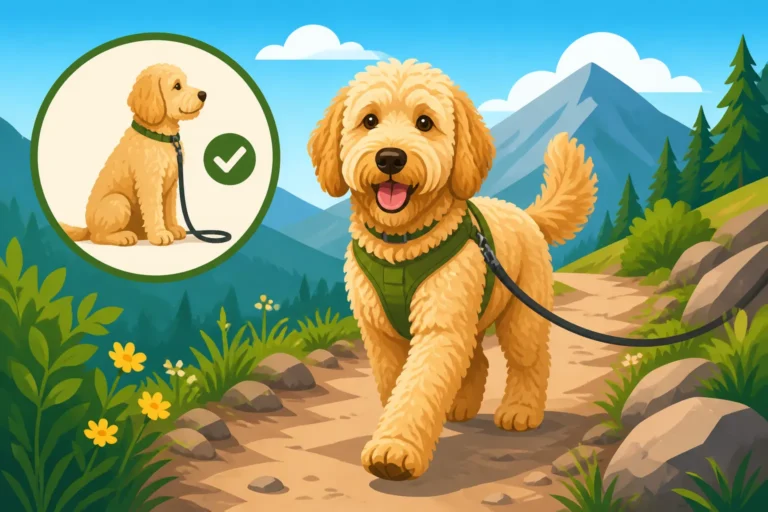
A long line is your best friend during this phase. A 15- to 30-foot leash, available on Amazon, allows your Goldendoodle to have a sense of freedom while giving you the ability to gently guide them back if they ignore your call. This way, you prevent them from practicing "running away from me," which only reinforces the undesired behavior. Use the long line for Long Line Practice With a Goldendoodle, letting them explore, then gently reeling them in as you call them, making sure they get that big reward when they reach you. This helps bridge the gap between your secure yard and eventual off-leash freedom, if that's your goal.
Tools and Techniques for Better Recall
Beyond high-value treats and long lines, there are a few other strategies and tools that can greatly assist in rebuilding that solid recall:
- A Unique Recall Word: Many people use "Come," but if that word has become associated with being caught, taken home, or something else undesirable, it loses its power. Consider a new, exciting word like "Touch," "Here," or "Party!"
- The "Ping-Pong" Recall: If you have multiple people in your household, have them stand a distance apart. One person calls the Goldendoodle, rewards them, then the next person calls, rewards, and so on. This makes recall a fun game and helps your Goldendoodle generalize the command to different people and directions.
- Emergency Recall: This should be a distinct, high-stakes command used only for genuinely urgent situations. It should never be overused, and the reward should be the absolute highest possible (e.g., an entire piece of chicken or a favorite toy they rarely get). This helps ensure that when you truly need them to come, they will.
- Online Training Resources: Sometimes, having structured guidance can make all the difference. Programs like BAXTER & Bella offer comprehensive online puppy and dog training courses that can help you navigate this adolescent phase with clear, step-by-step instructions and support. They often emphasize positive reinforcement and building a strong relationship, which is exactly what a Goldendoodle needs.
| Recall Training Tool | Purpose | Best Used For | Key Benefit |
|---|---|---|---|
| High-Value Treats | Motivation | Initial training, high-distraction environments | Makes coming back highly rewarding |
| Long Line (15-30 ft) | Safety & Practice | Gradually increasing freedom, preventing run-offs | Control without restricting exploration |
| Treat Pouch | Accessibility | Every training session, walks | Keeps rewards handy and consistent |
| Whistle (optional) | Consistency | Open fields, long distances | Sound travels further than voice, consistent tone |
| Clicker (optional) | Precision | Marking exact moment of desired behavior | Clear communication and timing |
Managing Expectations and Staying Consistent
It’s easy to get disheartened when your Goldendoodle seems to have forgotten everything you taught them. But remember, this phase is temporary, and with patience and consistency, you can solidify their recall.
The Long Game of Goldendoodle Training
Adolescence is a marathon, not a sprint. Your Goldendoodle isn't suddenly "untrained"; they're simply testing the waters and experiencing a significant developmental shift. What you put in now will pay dividends for the rest of their lives. Don't give up! Consistent practice, even when it feels redundant, is what builds muscle memory and reinforces positive associations. This is particularly true for a breed that often exhibits The Retriever Biddability Inside a Goldendoodle – they want to work with you, but during adolescence, that drive is sometimes overshadowed by external stimuli.
Focus on setting them up for success. If you know a particular area is too distracting for off-leash recall right now, keep them on a long line or a regular leash. Every time they respond successfully, you reinforce the desired behavior. Every time they ignore you and run off, they're inadvertently reinforcing the undesirable behavior of ignoring your command. This is why Whether a Goldendoodle Can Be Trusted Off Leash is a question that requires significant time and dedicated training to answer with confidence.
Preventing Opportunities for Failure
One of the biggest mistakes owners make during this time is giving their Goldendoodle too much freedom too soon. If your Goldendoodle consistently runs off when you call them at the dog park, then perhaps the dog park isn't the right place for off-leash freedom right now. Instead, prioritize environments where you can guarantee a successful recall.
This might mean more walks on a leash, using a long line in open spaces, or sticking to securely fenced areas. It’s not about punishing them; it’s about protecting them and preventing them from practicing the "bad habit" of ignoring your call. It also protects your sanity! If you know your Goldendoodle has a habit of zooming off when they spot another dog, work on that specific trigger in a controlled setting first. This might involve practicing Goldendoodle Training Sessions and How Long to Run Them with increasing distractions, always ending on a positive note.
When to Seek Professional Help
If you're truly struggling and feel like you're making no progress, or if your Goldendoodle's recall issues are putting them in dangerous situations, don't hesitate to reach out to a professional dog trainer. A certified professional can assess your specific situation, observe your Goldendoodle's behavior, and provide tailored strategies. They can offer insights into why your Goldendoodle behaves a certain way and give you hands-on guidance. Sometimes, an objective third party can spot issues or suggest techniques you hadn't considered. Online training programs like BAXTER & Bella also often include access to trainers who can provide personalized advice and support, which can be invaluable during these challenging months. Remember, asking for help isn't a failure; it's a commitment to your Goldendoodle's safety and well-being.
Disclaimer
This article is for general informational purposes only and does not constitute professional advice. Laws, prices and regulations vary by location and change over time. Consult a qualified professional for guidance on your specific situation.