Telling a Groomer What You Want on a Goldendoodle
It's a familiar scenario for many Goldendoodle parents: you drop your beloved furry friend off at the groomer, armed with a vague request like "just a trim" or "make them look cute," only to pick them up later feeling a pang of disappointment. The vision you had in your head simply didn't translate, and suddenly your sweet doodle looks like a completely different dog. This guide is here to help you bridge that communication gap, offering practical strategies and insights so you can clearly articulate exactly what you want for your Goldendoodle's next groom.
Understanding Goldendoodle Coat Types and Why It Matters to Your Groomer
One of the biggest hurdles in communicating with a groomer about your Goldendoodle is the sheer variety in their coats. Unlike purebreds with predictable hair textures, Goldendoodles can be a complete genetic lottery, and this directly impacts how a groomer approaches their work and what results are even possible.
The Spectrum: From Straight to Curly
Goldendoodles don't just have one kind of coat; they can have a range from flat and wavy, reminiscent of a Golden Retriever, to tight, curly, and dense, much like a Poodle. Then there's everything in between! You might have heard terms like "fleece" or "wool" coats, and these aren't just fancy marketing terms – they denote significant differences in texture and density. A straighter, wavier coat, often seen in an F1 Goldendoodle, tends to shed more but might be easier to brush through initially. A curlier, denser coat, more common in F1b or multigen Goldendoodles, is often lower-shedding but an absolute magnet for mats if not meticulously cared for. This spectrum means that the same "teddy bear cut" can look drastically different on two Goldendoodles, simply because their hair behaves uniquely. Your groomer needs to understand your dog's specific coat type to set realistic expectations and choose the right tools and techniques.
Knowing your Goldendoodle's coat type is the first step in effective communication. If you're unsure, ask your groomer to help you identify it during your first consultation. They can feel the texture, assess the density, and tell you how prone it is to matting. This information is gold, because it helps both of you understand the canvas they're working with. For more depth on this, you might find The Three Goldendoodle Coat Types and How to Tell Them to be incredibly helpful. Understanding the nuances here can empower you to speak your groomer's language when discussing texture, length, and maintenance.
The Puppy Coat vs. Adult Coat Transition
Ah, the infamous Goldendoodle "coat change." This is a phenomenon that catches many first-time Goldendoodle owners by surprise, and it can be a real challenge for groomers as well. Goldendoodle puppies are born with soft, fluffy coats that are generally easy to maintain. But sometime between 8 and 12 months of age, this puppy fluff starts to give way to their much denser, adult coat. During this transition, the old puppy hair gets trapped within the emerging adult hair, creating a matting nightmare. Suddenly, a dog that was brushed once a week without issue becomes a tangled mess overnight.
What this means for grooming communication is crucial. If you bring a 6-month-old Goldendoodle in for a "puppy cut" and love the result, don't expect the exact same look to be easily achievable, or even advisable, at 10 months or a year old if the coat has started to change. Many groomers will recommend a shorter cut during this transition period to prevent severe matting, which can be painful for the dog and costly to fix. Explaining to your groomer that your dog is going through this coat change, or asking if they observe it, can help them guide you towards the most practical and comfortable haircut for your Goldendoodle at that specific time. It's often misunderstood, but Why a Goldendoodle Puppy Coat Predicts Nothing really highlights this exact challenge, and understanding it is key to avoiding frustration.
Essential Communication Strategies Before the Scissor Snips
You wouldn't ask a hairstylist for "just a little bit off the top" without a photo or at least a few more details, right? The same principle applies, perhaps even more so, when it comes to grooming your Goldendoodle. Vague requests lead to vague results, and sometimes, unfortunate surprises.
Beyond "Just a Trim": Being Specific with Length and Style
"Just a trim." These three words strike fear into the hearts of many professional groomers, especially when applied to a Goldendoodle. Why? Because "a trim" means something different to everyone. To one owner, it means taking off just an inch, maintaining a fluffy look. To another, it means shaving down short for summer. The interpretation gap is vast, and a groomer's best guess might not align with your vision. This is where precision becomes your best friend.
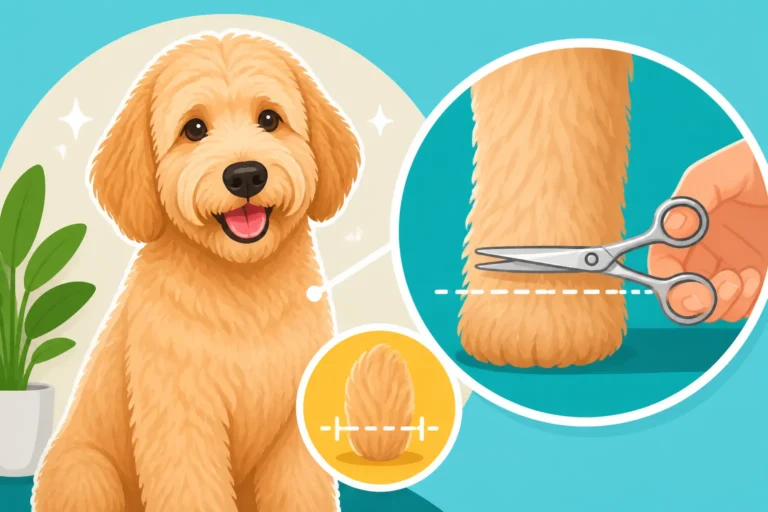
Instead of vague phrases, try to use specific measurements. Groomers often use clipper blades with numerical lengths, like a "No. 7 blade" (which leaves about 1/8 inch of hair) or a "1/2 inch comb attachment." If you're not familiar with blade lengths, you can use your fingers to demonstrate. For example, "I'd like about one finger-width of hair on the body," or "I want the legs to be about two inches long, so they look full but aren't dragging." Discussing the specific desired length for different body parts – body, legs, head, ears, and tail – ensures a consistent outcome. Asking for Blade Lengths for a Goldendoodle Haircut can help you learn the terminology that groomers use every day, which significantly improves communication.
Bringing Visual Aids: Photos Speak Volumes
This is hands down one of the most effective strategies for communicating with your groomer: bring photos! A picture truly is worth a thousand words when it comes to dog grooming. But not just any photo will do. While it's tempting to pull up a pristine, perfectly styled Goldendoodle from Instagram, make sure the photo you choose is realistic for your dog's coat type and current condition. If your Goldendoodle has a wavy coat, showing a picture of a curly-coated doodle won't help the groomer achieve that exact look. Similarly, if your dog is heavily matted, a fluffy, long-haired photo isn't a viable option without significant shaving first.
Bring several photos if possible: one of the overall look you want, and then closer-up shots of specific areas like the face, ears, and tail. Point out what you like about each photo. For instance, "I love how full the muzzle looks here," or "I want the ears kept long like this, but trimmed to avoid dragging in food." Don't be afraid to pull up pictures of your dog from previous grooms that you liked, too. This provides the groomer with a visual history of what has worked for your particular Goldendoodle. Bringing Photos to a Goldendoodle Groomer is a specific guide that goes into even more detail on how to use visual aids effectively.
Common Goldendoodle Haircuts and How to Describe Them
Knowing the common styles for Goldendoodles can really help you articulate your desires to a groomer. While there aren't strict "breed standards" like for purebreds, certain looks have become popular among Goldendoodle owners.
The Beloved "Teddy Bear Cut"
The "teddy bear cut" is arguably the most popular request for Goldendoodles, and for good reason! It aims for a soft, fluffy, rounded appearance that accentuates their adorable puppy-like features. However, "teddy bear" can mean different things to different people and, crucially, to different groomers. For some, it's a specific length on the body with a rounded face. For others, it's more about the overall aesthetic. To ensure you get the teddy bear look you're envisioning, be specific.
Typically, a true teddy bear cut involves leaving the body hair at a medium length (think 1-2 inches), with legs often kept slightly longer and blended. The face is usually rounded, with a full muzzle, eyebrows, and a soft, full topknot. The ears are trimmed to a soft, rounded shape, and the tail is often left long and fluffy. When you ask for a "teddy bear cut," specify these details: "I want a teddy bear cut, keeping the body about an inch long, with a very full, rounded face and soft, fluffy ears that don't drag." Clarifying these points helps the groomer understand your ideal look, minimizing surprises. For more details on this specific style, check out The Goldendoodle Teddy Bear Cut.
Practical, Shorter Cuts for Easy Maintenance
Not every Goldendoodle owner wants the full, fluffy teddy bear look, especially those with active dogs, busy schedules, or doodles prone to matting. This is where shorter, more practical cuts come in handy. These might be referred to as "kennel cuts," "sport cuts," or even just "short all over." The primary goal of these styles is to reduce maintenance for the owner and keep the dog comfortable, especially in warmer weather or if they love to swim and play.
A "kennel cut" generally involves clipping the entire body, legs, and even sometimes the head to a uniform short length, typically using a blade length of 1/2 inch or shorter. While it's a very practical choice, you can still add some flair. You might ask for a shorter body cut but request to keep the face a bit fuller and rounder, or leave the tail fluffy. It’s all about balancing ease of care with aesthetics. These cuts are fantastic for preventing mats, particularly during the challenging coat change period, and can save you significant time on daily brushing. They also make it easier to spot potential skin issues or parasites. For those considering a low-maintenance option, remember that even a short cut needs regular baths and occasional brushing to keep the coat healthy and prevent dullness.
Specialty Styling and Breed-Specific Requests
Sometimes, Goldendoodle owners have very specific ideas that lean towards one of the parent breeds, or something quite unique. For instance, you might want your Goldendoodle to look more like a Poodle, with clean-shaven feet and face, or perhaps more like a Golden Retriever with a natural, feathered look. It's important to discuss these specialty requests with your groomer upfront.
While a Goldendoodle can be styled in many ways, remember that their coat texture might limit how closely they can mimic a purebred look. A fleece coat won't hold a perfectly sculpted Poodle topknot as well as a dense wool coat might. Similarly, a Goldendoodle with heavy furnishings might never achieve the sleek, refined Golden Retriever face without extensive shaving. Be open to your groomer's advice on what's achievable for your dog's specific coat. They are the experts in dog hair and can offer modifications that meet your vision while still being practical for your dog's unique genetics. Don't be afraid to bring in photos of purebred Poodles or Golden Retrievers and highlight specific elements you like, but be prepared for the groomer to explain how they can adapt that vision to your Goldendoodle's coat.
Addressing Problem Areas and Health Concerns with Your Groomer
Grooming isn't just about aesthetics; it's a crucial part of your Goldendoodle's overall health and well-being. Communicating about potential problem areas or health concerns is vital for a safe and comfortable grooming experience.
Matting: The Unspoken Challenge
Matting is the bane of many Goldendoodle owners and groomers alike. It's a painful reality for dogs and a tough decision for groomers. Mats occur when hair gets tangled and weaves together, forming dense clumps that pull on the skin. They can hide skin infections, parasites, and hot spots, and severely restrict movement. If your Goldendoodle arrives at the groomer with significant matting, you need to understand the limited options available.
Groomers have two main choices when faced with mats: attempt to "demat" them or shave the dog down. Dematting involves carefully breaking apart the mats, often with specific tools and detangling sprays. This process is time-consuming, expensive, and, most importantly, can be very painful for the dog. Ethical groomers will prioritize your dog's comfort and often refuse extensive dematting, recommending a full shave instead. While a shave-down might not be the look you envisioned, it's often the kindest and most humane option for a severely matted dog. Discuss your dog's matting honestly with your groomer. If you've struggled with brushing, let them know. They can offer advice on prevention and explain why a particular course of action is necessary. A great resource for understanding this challenge is Why a Goldendoodle Matting Is Almost Always Preventable. Preventing mats starts at home!
Here’s a quick overview of what to expect with different coat conditions:
| Coat Condition | Groomer's Usual Approach | Owner's Role |
|---|---|---|
| Well-maintained, no mats | Full range of cuts possible; focus on style. | Continue daily/regular brushing. |
| Light tangles/small mats | Gentle dematting, usually for an extra fee. | Step up home brushing; use detangling spray. |
| Moderate matting (scattered) | Shorter cut recommended; may include dematting small areas. | Be realistic about desired length; commit to better home care. |
| Severe, widespread matting | Humane shave-down (short clip all over) is typically the only option. | Understand it's for the dog's comfort; learn prevention for next time. |
Ear, Paw, and Sanitary Area Specifics
These often-overlooked areas are critical for your Goldendoodle's health and comfort, and clear communication here can prevent future problems. Goldendoodles are notoriously prone to ear infections due to their floppy ears and the hair that grows inside the ear canal. Discuss with your groomer whether they pluck ear hair (some do, some don't, and some dogs tolerate it better than others) and how they clean the ears. You might also ask them to trim the hair around the ear opening to allow for better airflow. For those struggling with this, Goldendoodle Ear Hair and Whether to Pluck It offers helpful insights.
Paw pads are another key area. Hair growing between the paw pads can collect dirt, debris, and even ice balls in winter, leading to discomfort and matting. Groomers typically trim this hair flush with the paw pads. If your dog is prone to slipping on hard floors, discuss keeping this hair extra short. Also, mention any sensitivities your dog has to having their feet handled. Finally, the sanitary area (around the anus and genitals) needs to be kept clipped very short to prevent fecal matter and urine from collecting, which can lead to skin irritation and odor. Be sure your groomer understands the importance of a clean, short trim in these sensitive areas, and ask them to confirm they've addressed it. These are crucial elements of your Goldendoodle's overall hygiene and health, and shouldn't be overlooked.
Building a Long-Term Relationship with Your Goldendoodle Groomer
Finding a great Goldendoodle groomer is like finding a great mechanic or hairstylist – once you find one you trust, you want to stick with them. A good relationship is built on clear communication and mutual respect.
The First Appointment: Setting the Tone
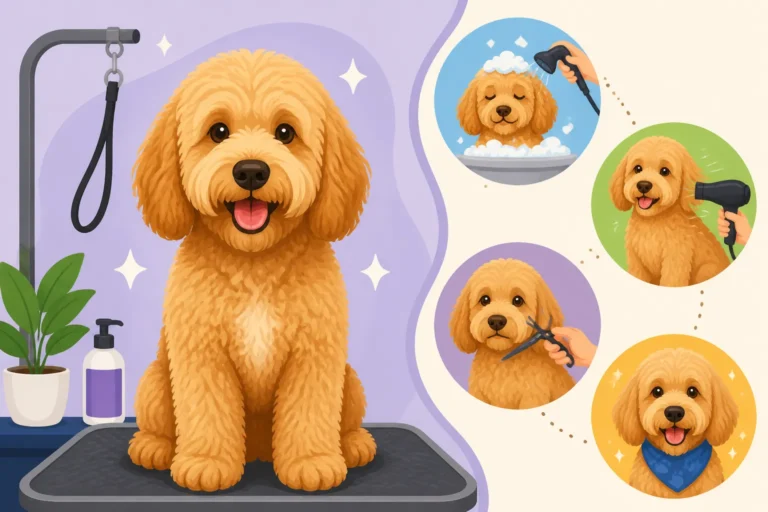
The first grooming appointment for your Goldendoodle is about more than just getting a haircut; it's about establishing a relationship with the groomer. When you book that initial visit, be upfront about your dog's temperament, any fears they might have, and their general grooming history. Is this their first professional groom? Do they hate having their nails trimmed? Do they get anxious with loud noises? Providing this information helps the groomer prepare and make the experience as positive as possible for your dog. Many owners choose to bring their puppies in for a "meet and greet" or a "puppy trim" first, which is a shorter, less intensive session focused on positive reinforcement and getting the puppy used to the grooming environment.
During this first visit, don't rush the consultation. Take the time to discuss your desired look in detail, using photos and specific lengths as discussed earlier. Ask the groomer questions about their approach to Goldendoodle coats, their experience with the breed, and what products they use. For instance, you might ask if they use specific shampoos for sensitive skin, or if they have particular tools for detangling curly coats. A good groomer will welcome these questions and be eager to understand your expectations. This open dialogue sets the foundation for a successful, long-term grooming partnership. Make sure to discuss their schedule as well, as popular groomers may require Booking a Goldendoodle Groom Six Weeks Out. Many grooming tools, like specific brushes or detangling sprays, can also be found on platforms like Amazon or Chewy, which can help you with at-home maintenance.
Feedback and Follow-Up: Honing the Perfect Look
Once you pick up your Goldendoodle, take a moment to observe the groom. Don't be shy about providing feedback – both positive and constructive. If you absolutely love something specific, tell your groomer! "The way you shaped his face is perfect!" or "The length on her body is exactly what I wanted." This positive reinforcement helps them understand what to replicate next time. Conversely, if something isn't quite right, approach it constructively. Instead of "I hate it," try "Next time, could we try leaving his ears a little longer?" or "I was hoping for a slightly rounder muzzle, could we adjust that for the next appointment?"
A skilled groomer wants you to be happy and will appreciate clear, actionable feedback. They might even make notes in your dog's file for future reference. Consistent communication over multiple grooms helps your groomer learn your specific preferences and your dog's coat nuances, leading to increasingly perfect results. Remember, grooming is a collaborative effort between you and your professional. By being specific, using visual aids, and providing thoughtful feedback, you're not just getting a haircut; you're cultivating a tailored grooming experience that keeps your Goldendoodle looking and feeling their best. And if you’re ever looking for high-quality pet supplies, including specialized brushes or combs for a Goldendoodle, sites like Chewy offer a wide range of options to help with at-home care between professional grooms.
Disclaimer
This article is for general informational purposes only and does not constitute professional advice. Laws, prices and regulations vary by location and change over time. Consult a qualified professional for guidance on your specific situation.