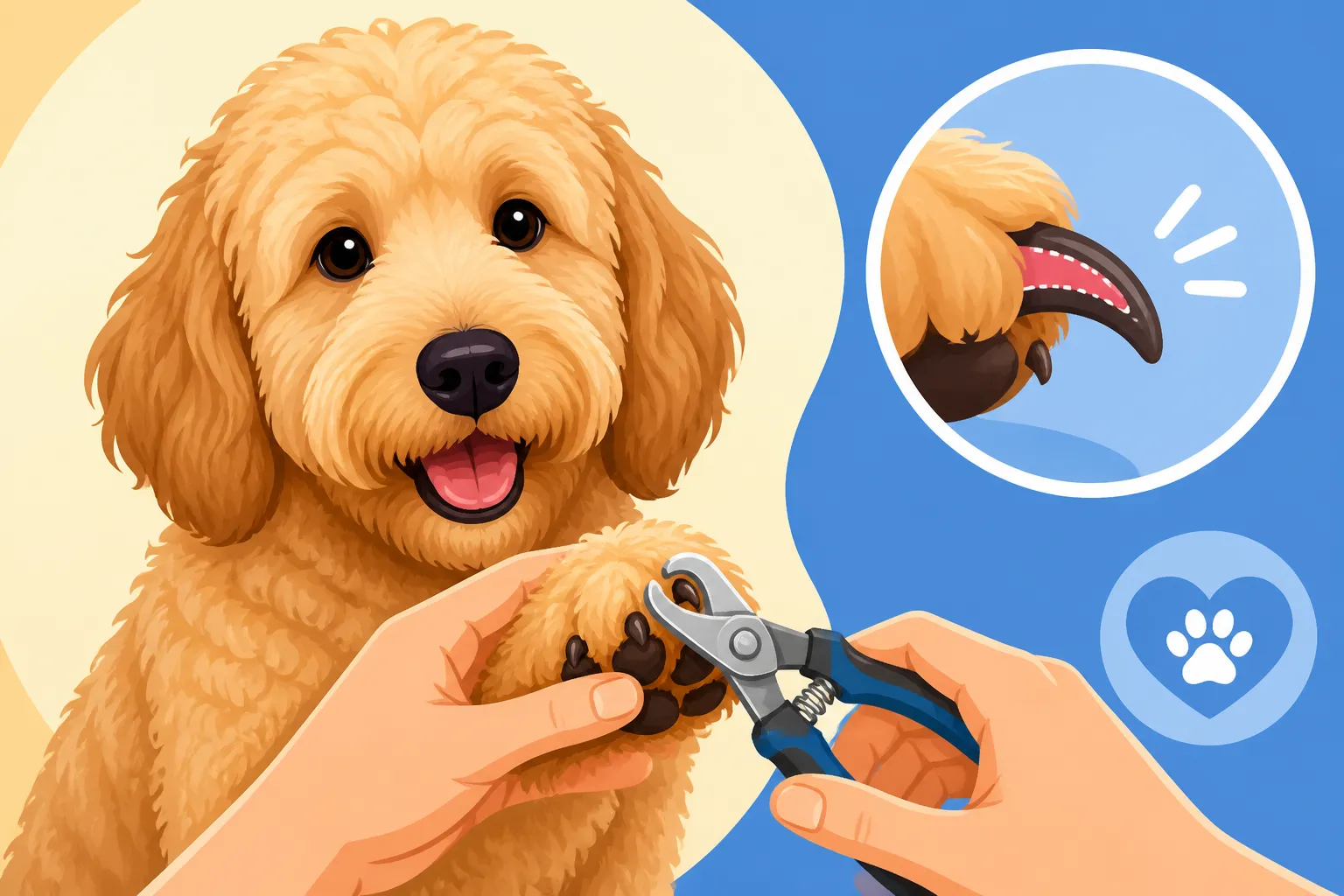
Trimming Goldendoodle Nails Between Salon Visits
If you're a Goldendoodle parent, you know that keeping that gorgeous coat tidy is a constant battle. But beyond the brushing and professional grooms, there's a vital, often-dreaded task that many of us let slide: nail trimming between salon visits. Long nails aren't just an aesthetic issue; they can cause real discomfort and even long-term health problems for your beloved companion. This guide is here to walk you through exactly how to keep your Goldendoodle's paws happy and healthy, empowering you to tackle nail trims with confidence.
Why At-Home Nail Care is Non-Negotiable for Goldendoodles
It’s easy to think, "My groomer handles the nails!" And yes, they do – usually. But for a Goldendoodle, with their active lifestyles and often fast-growing nails, waiting six to eight weeks between professional appointments can be far too long. Those nails can grow surprisingly quickly, turning from a minor inconvenience into a painful impediment in a matter of weeks. The reality is, consistent at-home maintenance is crucial for your Goldendoodle's comfort and long-term joint health.
The Problem with Long Goldendoodle Nails
Imagine walking around all day with shoes that are too small, constantly pushing your toes back. That's a bit like what long nails feel like for your Goldendoodle. When nails grow too long, they hit the ground before the paw pads do, pushing the toe bones up and back into an unnatural position. This constant pressure can lead to painful feet, difficulty walking, and even arthritis over time. It can change their gait, making them stand and walk incorrectly, which puts undue strain on their joints, especially in larger Goldendoodles. This is particularly important for their overall Goldendoodle Joint Health by Size Category.
Beyond the structural issues, long nails are prone to snagging and tearing, which can be incredibly painful and often requires an emergency vet visit. We’re talking about bleeding, exposed quick, and potential infections. Not only is this distressing for your dog, but it's also a stressful and expensive experience for you. Even minor tears can make walking uncomfortable for days, disrupting your Goldendoodle's routine and happiness.
Why Salon Visits Aren't Always Enough
While your professional groomer is a lifesaver for coat maintenance, their nail trimming schedule might not align perfectly with your Goldendoodle's individual nail growth rate. Most Goldendoodles visit the salon every six to eight weeks for a full grooming session. For many dogs, especially those that spend a lot of time on soft surfaces like grass or carpet, nails can become too long in half that time. Hard surfaces like pavement can help wear down nails naturally, but few dogs walk enough on these surfaces to negate the need for trimming altogether.
Furthermore, some Goldendoodles are simply not keen on having their nails done, even by a professional. This can mean the groomer might only be able to take a little off each time, just enough to get by, rather than achieving that ideal short length. Relying solely on salon visits means you're missing opportunities to keep nails at an optimal length, which not only prevents discomfort but also helps the quick recede, making future trims easier and less stressful. The more consistently you trim, the shorter the quick can become, allowing for even shorter, healthier nails over time.
Essential Tools and Preparation for Goldendoodle Nail Trimming
Tackling your Goldendoodle's nails at home might feel daunting, but with the right tools and a bit of preparation, it becomes a manageable part of their routine care. Just like you wouldn't use a dull knife to chop vegetables, you shouldn't use subpar tools on your dog's precious paws. Investing in quality equipment and creating a positive atmosphere are your first steps to success.
Choosing the Right Nail Trimming Tools
There are two main types of tools for trimming dog nails: clippers and grinders. Both have their pros and cons, and many Goldendoodle owners find success using a combination of the two.
Nail Clippers:
Clippers come in two common styles: guillotine and scissor-style. For Goldendoodles, especially larger ones with thicker nails, scissor-style clippers are often preferred because they offer more leverage and control. Make sure they are sharp; dull clippers can crush the nail rather than cut cleanly, causing discomfort and potentially splitting the nail. Brands like Millers Forge or Safari often get good reviews for their durability and sharpness.
| Tool Type | Pros | Cons | Ideal For |
|---|---|---|---|
| Clippers | Quick, efficient if dog tolerates | Can be scary for some dogs, risk of cutting quick | Dogs with light-colored nails, tolerant dogs |
| Grinders | Smooth finish, less risk of quicking (if careful) | Noise/vibration can scare dogs, takes longer, dust | Dogs with black nails, anxious dogs, achieving very short nails |
Nail Grinders:
Grinders (like Dremel pet tools) use a rotating abrasive head to file down the nail. These are fantastic for Goldendoodles with black nails where the quick is hard to see, or for dogs who are nervous about the 'snip' sound and sensation of clippers. Grinders allow you to take off tiny bits at a time, gradually shortening the nail and smoothing the edges, which prevents snags. The downside is the noise and vibration can be unsettling for some dogs, and it takes longer than clipping. Whichever you choose, ensure you have styptic powder (like Kwik Stop) on hand. This is non-negotiable for accidental quick cuts – it stops the bleeding fast and is a lifesaver for your peace of mind. You can often find a wide selection of these tools, and even styptic powder, available through online retailers like Chewy.
Getting Your Goldendoodle Ready for a Paw-dicure
Preparation is key, not just for you, but for your Goldendoodle. A calm, positive environment will make all the difference. Start by getting your dog comfortable with having their paws handled long before you ever bring out the clippers or grinder. This means gently touching their paws, wiggling their toes, and pressing on their nail beds daily, rewarding them with high-value treats and praise. This crucial step is often overlooked, but it builds trust and makes the actual trimming process much smoother. Think of it as part of their Goldendoodle Puppy Vaccination Timing routine – early exposure to positive experiences sets them up for life.
Introduce the tools gradually. Let your Goldendoodle sniff the clippers, turn on the grinder (away from them at first) so they hear the sound, and associate these objects with good things. Offer treats while the tools are present but not in use. You want them to think, "Oh, that weird buzzing thing means I get yummy snacks!" This desensitization process might take days or even weeks, but it's an investment that pays off by reducing stress for both of you during actual trims. Ensure you have plenty of small, high-value treats ready, along with a comfortable, non-slip surface for your dog to stand or lie on.
Step-by-Step Guide to Trimming Goldendoodle Nails
Now that you're armed with the right tools and your Goldendoodle is somewhat desensitized, it's time to get down to business. This isn't a race; slow and steady wins the game, especially when learning. The goal is safety and comfort for your dog, which will build confidence for future trims.
Locating the Quick and Trimming Safely
The "quick" is the sensitive part of the nail that contains blood vessels and nerves. Cutting into the quick is painful for your Goldendoodle and will bleed, creating a negative association with nail trims. On light-colored nails, the quick appears as a pinkish area inside the nail. With dark or black nails, it's much harder to see, which is where many owners get nervous.
When dealing with black nails, you'll need to trim small, thin slivers at a time. As you trim, look at the cut surface of the nail. Initially, it will look solid and chalky. As you get closer to the quick, you'll see a small, darker circle or dot appear in the center of the cut surface – this is often referred to as the "bullseye." This dark spot indicates you are very close to the quick, and you should stop or proceed with extreme caution, only taking off microscopic amounts. If you accidentally nick the quick, don't panic! Apply styptic powder firmly to the bleeding nail tip until it stops. Reassure your Goldendoodle calmly, and offer a treat. It happens to the best of us, and a positive, reassuring response from you will help prevent long-term fear.
Clipper Techniques for the Goldendoodle
Once you've identified the quick (or are confidently approaching it on black nails), hold your Goldendoodle's paw firmly but gently. Make sure they are comfortable and secure. Many people prefer to have their Goldendoodle lie down, or stand with a front paw on a raised surface, allowing better access.
- Isolate the Toe: Gently push back the fur around the nail to get a clear view.
- Position the Clipper: Place the clipper blades around the tip of the nail, making sure the angle of the cut mimics the natural angle of the paw when standing. You want to cut from the bottom up, taking off the very tip.
- Make a Quick, Clean Cut: Squeeze the clippers firmly and quickly. A hesitant squeeze can crush the nail. Reward immediately with a treat and praise.
- Repeat: Move to the next nail. Don't feel obligated to do all nails in one session if your Goldendoodle is getting stressed. It’s better to do a few nails at a time over several days than to traumatize your dog. This kind of gradual approach will also serve you well when training them for Teaching a Goldendoodle to Stand Still for Grooming.
Remember to trim the dewclaws too, if your Goldendoodle has them. These don't touch the ground and can curl into the paw pad if left untrimmed, causing severe pain and infection.
Grinder Techniques for a Smoother Finish
Using a grinder can be less intimidating for some dogs and owners, offering more control. The key here is gradual introduction and making sure your Goldendoodle is not afraid of the sound or vibration.
- Introduce the Sound: Before touching the paw, turn the grinder on and let your dog hear it, offering treats and praise. Start with it on the lowest setting.
- Touch the Nail: With the grinder off, gently touch the grinder to a nail to get them used to the sensation. Again, reward.
- Start Filing: Once your dog is calm, turn the grinder on (low speed) and gently touch it to the tip of one nail. File for just a second or two, then pull away and reward.
- Angle and Shape: Hold the nail firmly and grind from the underside of the nail, moving upwards towards the top. Grind in short bursts, moving the grinder around the tip to shape it. You'll want to round the edges slightly to prevent sharp points.
- Check the Quick: Just like with clippers, keep an eye on the bullseye when grinding dark nails. Grinders are excellent for helping the quick recede over time; by consistently grinding just shy of the quick, it will gradually pull back, allowing you to achieve shorter nails.
- Cool Down: Grinders can generate heat. After a few seconds of grinding on one nail, move to another to allow the nail to cool down. This prevents discomfort for your Goldendoodle.
This process is usually longer than clipping, but it offers a smoother finish and can be less stressful for Goldendoodles with black nails or those sensitive to the clipping sensation. Regularly checking your Goldendoodle’s paws is also key to catching issues like Goldendoodle Paw Licking and What It Means early, which could sometimes be related to nail discomfort.
Overcoming Challenges and Maintaining a Routine
Nail trimming isn't always smooth sailing, especially with a wiggly or anxious Goldendoodle. But consistent effort, positive reinforcement, and knowing when to ask for help can make it a successful part of your routine.
Handling a Fearful or Resistant Goldendoodle
Many Goldendoodles develop a fear of nail trims, often due to a negative experience in the past (like quicking) or simply being overwhelmed by the sensation. If your Goldendoodle is outright resistant—pulling away, struggling, or showing aggression—it's crucial to take a step back and reassess. Forcing the issue will only exacerbate the fear.
First, revisit the desensitization steps mentioned earlier, but prolong them. Spend more time just handling paws, touching tools, and offering rewards, without actually trimming. Consider using a lick mat with peanut butter or cream cheese, or a chew toy, to distract them during short trimming sessions. For deeply fearful dogs, professional help might be needed. A certified professional dog trainer can teach you techniques like cooperative care, where the dog learns to participate willingly in their own care. Sometimes, even your vet can offer advice or prescribe mild sedatives for particularly anxious dogs to help them through initial training phases, making the process safer and less traumatic. The goal is to build trust and show them that nail trims don't have to be scary. Remember, positive experiences with handling can also vastly improve their Goldendoodle Behavior at the Vet for other procedures.
Establishing a Regular Nail Care Schedule
Consistency is paramount. For most Goldendoodles, trimming nails every 1-2 weeks is ideal. This frequency prevents them from getting too long and encourages the quick to recede, allowing for shorter, healthier nails over time. If you can only manage clipping a few nails at a time, that’s perfectly fine! Just work through them gradually throughout the week.
Here’s a sample routine:
- Weekly Check: Every Sunday, visually inspect all nails.
- Weekly Trim: Aim to trim or grind at least a few nails each week. If they are very long, focus on taking off small amounts frequently.
- After Walks/Play: If your Goldendoodle has been active on hard surfaces, check if their nails have worn down naturally, but still aim for a light trim to maintain length.
Consistency will make the task quicker and less stressful for both of you. It becomes a normal part of your dog’s routine, just like feeding or walks. While professional grooming appointments handle the bulk of coat care, home nail trimming keeps nails from getting out of control between those visits, helping you avoid steep dematting charges on their coat or issues with their paws. For senior Goldendoodles, who might have Goldendoodle Arthritis After the Age of Eight, maintaining short nails is even more critical for comfort and mobility. Trimming their nails regularly ensures they can walk without additional strain, making it easier for you when it comes to Grooming an Arthritic Goldendoodle Comfortably.
You might also consider incorporating joint supplements into your Goldendoodle's diet, especially as they age, to support overall mobility and reduce the impact of joint strain from any cause. Brands like Chewy and Ollie often carry a good selection of high-quality joint supplements designed for different dog sizes and needs. For unexpected emergencies, like a badly torn nail or a joint issue exacerbated by long nails, having pet insurance from providers like Healthy Paws can provide immense peace of mind.
Taking charge of your Goldendoodle’s nail care is a significant step towards ensuring their long-term health and happiness. It may require patience and practice, but the benefits for their comfort and overall well-being are immeasurable.
Disclaimer
This article is for general informational purposes only and does not constitute professional advice. Laws, prices and regulations vary by location and change over time. Consult a qualified professional for guidance on your specific situation.