What Goldendoodle Rescues Ask Applicants
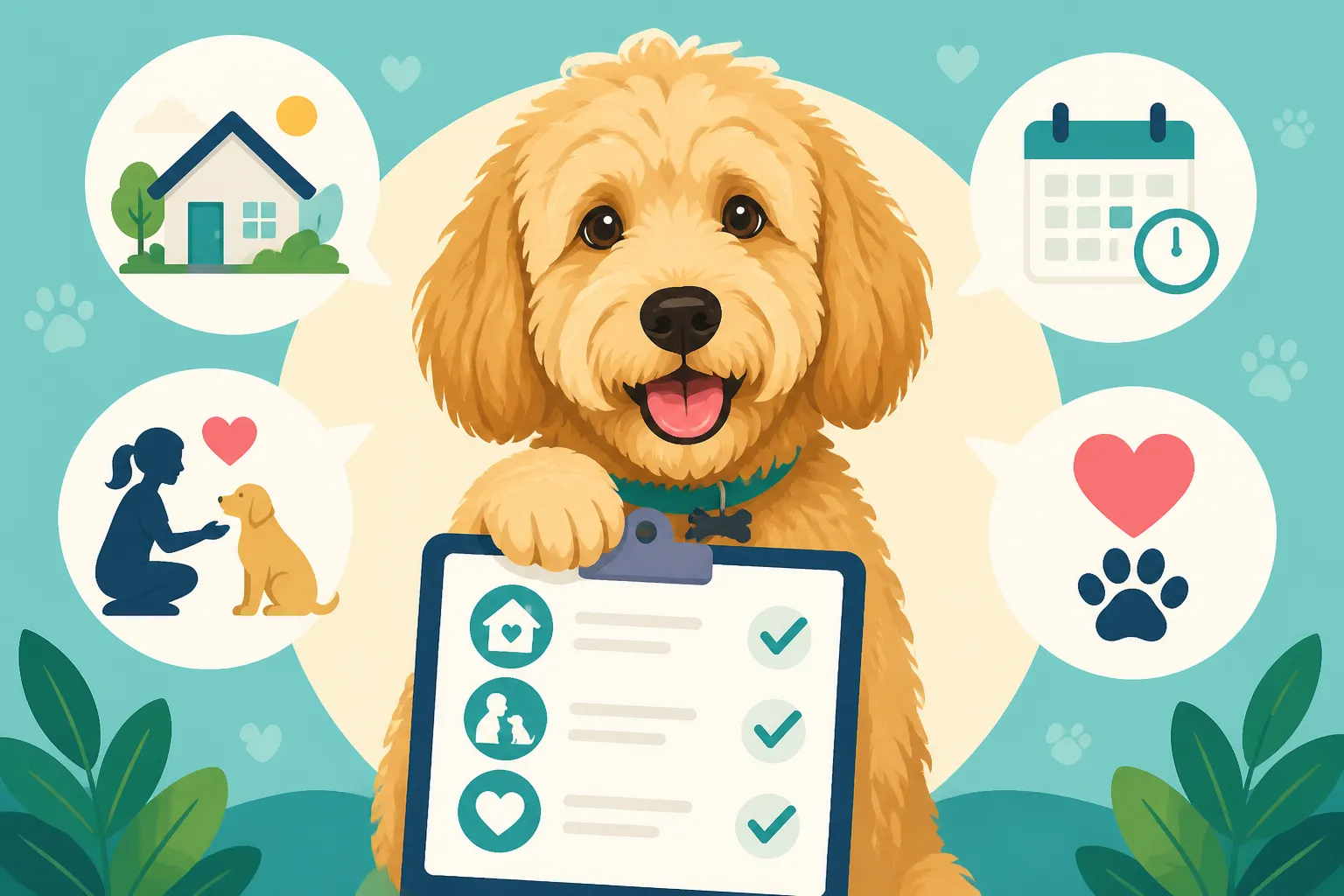
You’re ready to open your heart and home to a Goldendoodle in need, and turning to a rescue organization feels like the absolute right thing to do. But then you encounter the application form – a detailed, sometimes daunting questionnaire that makes you wonder if you’re applying for a security clearance rather than a dog. It can feel intrusive, I know, but trust me, there’s a very good reason for every single question, and understanding them will help you navigate the process with confidence. This guide is here to demystify what Goldendoodle rescues are truly looking for when they evaluate applicants, helping you show them you’re the perfect forever family.
Understanding the Rescue Application Process
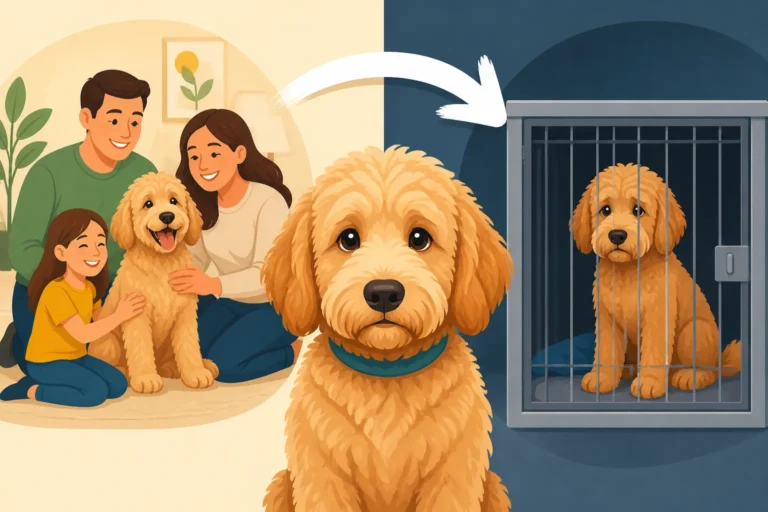
When you look at a Goldendoodle rescue application, it might feel like an interrogation, asking about everything from your fencing to your work hours. It's easy to get frustrated, thinking, "Don't they just want these dogs to have a good home?" And of course, they do! But a good home means so much more than just a roof and food. These rescues have often pulled dogs from incredibly difficult situations, sometimes where they were neglected, abandoned, or surrendered because previous owners weren't prepared for the realities of Goldendoodle ownership. Their rigorous process is born from a place of deep commitment to these dogs' welfare, aiming to prevent future rehomings and ensure a truly happy, stable life for each Goldendoodle.
Why Rescues Are So Thorough It's Not to Annoy You!
Imagine a Goldendoodle that has already been through one or two homes in its short life. Perhaps its previous family underestimated the true commitment involved, from the constant need for Goldendoodle Grooming as the Biggest Line in the Budget to the sheer amount of exercise and mental stimulation these intelligent dogs require. A rescue's application is designed to be a comprehensive screening tool, a way to gauge your understanding of the breed's needs and your ability to meet them consistently for the next ten to fifteen years. They want to know you've thought beyond the cute puppy pictures and are prepared for the less glamorous parts of dog ownership – like potential vet bills or training challenges. It’s about being proactive, ensuring a good match from the start, rather than just moving a dog from one temporary situation to another. They've seen heartbreaking scenarios, and their goal is to break that cycle for every dog in their care.
The Initial Screening More Than Just a Form
The application isn't just a piece of paper; it's often the first crucial step in a multi-stage process. Think of it as an initial filter that helps rescue volunteers, who are often working tirelessly on their own time, identify candidates who are genuinely serious and appear to be a good fit for the dogs currently available. If a rescue is inundated with applications, having detailed information upfront allows them to prioritize and focus their limited resources on those who seem most aligned with their adoption criteria. It helps them avoid wasting time on applicants who, for example, live in an apartment building with strict weight limits when they only have standard-sized Goldendoodles available, or those seeking a hypoallergenic dog when the rescue knows a specific dog sheds quite a bit. It’s about efficiency and effectiveness in finding the best match for each individual Goldendoodle in their care.
Key Areas of Inquiry on a Goldendoodle Rescue Application
Rescue applications delve into several key categories to build a complete picture of you, your household, and your experience with pets. Don't feel overwhelmed; instead, see it as an opportunity to showcase your readiness.
Your Home Environment and Lifestyle
This section is paramount for a Goldendoodle rescue. They want to understand the physical space and the daily routine your potential Goldendoodle would be stepping into. Expect questions about:
- Type of dwelling: Do you live in a house, apartment, condo, or townhouse? This helps them determine if a particular Goldendoodle's energy levels or size would be appropriate for your space. A high-energy standard Goldendoodle, for instance, might struggle in a small apartment without significant outdoor access.
- Yard and fencing: If you have a yard, is it fenced securely? What type of fence and how high? This is crucial for safety and exercise. A Goldendoodle, especially one with strong retriever instincts, loves to run and play outdoors. An unsecured yard is often a deal-breaker for dogs who might be flight risks or simply need a safe place to burn off energy. They'll want to ensure there's no way for the dog to escape.
- Household members: Who lives in your home? Are there children, and if so, what are their ages? This helps match the dog's temperament. Some Goldendoodles thrive with kids, while others might prefer a quieter adult-only home. They'll ask about other pets, too – dogs, cats, or anything else – to ensure the Goldendoodle will integrate well.
- Work schedule and alone time: How many hours a day will the Goldendoodle be alone? This is a huge factor, as Goldendoodles are social creatures and many can be prone to Goldendoodle Separation Anxiety From Both Parent Lines. If you work long hours, they'll want to know your plan for mitigating loneliness, whether it's a dog walker, doggy daycare, or a flexible work schedule.
The rescue wants to envision the Goldendoodle's day-to-day life with you. A quiet home might be perfect for an older, calmer Goldendoodle, while a bustling family with active kids could be ideal for a playful youngster. They're looking for compatibility, ensuring the dog's needs align with what you can realistically offer.
Experience with Dogs and Goldendoodles Specifically
Rescues often ask about your past and present pet ownership history. They're trying to gauge your general understanding of dog care and behavior. Questions might include:
- Previous dog ownership: Have you owned dogs before? What breeds? What happened to them? This isn't to judge you, but to understand your history. If a previous pet was rehomed, they might gently inquire why, to prevent a similar situation.
- Goldendoodle familiarity: Do you have specific experience with Goldendoodles or similar active, intelligent breeds like Golden Retrievers or Poodles? This isn't always a requirement, but it shows you've done your homework on What a Goldendoodle Actually Is and Is Not and their unique traits, like their energy levels and potential for a "Velcro" personality.
- Understanding breed traits: Do you understand the specific needs of a Goldendoodle, such as their grooming requirements, exercise needs, and intelligence? They want to know you're prepared for the reality, not just the fluffy cuteness. For example, a Goldendoodle's coat can become a matted mess if not brushed regularly, leading to discomfort for the dog and expensive emergency grooms, sometimes being the reason for The Coat Care That Sends Goldendoodles to Rescue.
Your answers here give the rescue insight into your preparedness. If you're a first-time dog owner, they might guide you towards a more easygoing Goldendoodle, or suggest resources for learning. If you've previously owned a Goldendoodle, your experience is a definite plus.
Financial Preparedness for Goldendoodle Ownership
Let's be real: owning a Goldendoodle is not cheap. Rescues know this, and they want to ensure you're financially stable enough to provide ongoing care. They won't ask for your bank statements, but they will ask questions that indicate your financial readiness. These might cover:
- Veterinary care: Are you prepared for routine vet visits, vaccinations, parasite prevention, and potential emergency care? They might ask for your current vet's contact information for a reference check. They want to know you're committed to keeping the dog healthy, which includes being able to afford unexpected illnesses or injuries. The cost of a major surgery, like for hip dysplasia, can be significant, so they want assurance that you've considered such possibilities.
- Grooming budget: Goldendoodles require regular professional grooming, often every 6-8 weeks, which is a substantial ongoing cost. They might ask if you understand this and have budgeted for it. Learning to do some home grooming can help, but professional maintenance is often essential to prevent painful matting.
- Food and supplies: Are you able to provide high-quality food, treats, toys, and other necessary supplies? Brands like Chewy offer auto-ship options that can help with consistent, quality feeding.
- Pet insurance: Do you plan on getting pet insurance? While not always mandatory, it shows foresight. Companies like Healthy Paws offer coverage options that can really cushion the blow of unexpected vet bills. Discussing options for Goldendoodle Pet Insurance for a Dog With No Breed Papers shows you're thinking ahead.
This section isn't about being rich; it's about being responsible. They want to know you understand that What a Goldendoodle Puppy Costs and Why is just the start of the financial commitment, and you're prepared for the long haul.
Your Approach to Training and Care
Goldendoodles are smart, but they're not born knowing your house rules. Rescues want to know you're committed to positive training and ongoing socialization. Look out for questions about:
- Training philosophy: How do you plan to train your Goldendoodle? Are you open to positive reinforcement methods? Do you believe in crate training? They're looking for a humane and effective approach to Training a Goldendoodle That Wants to Please You. They might ask if you're willing to enroll in puppy classes or work with a professional trainer if needed, especially if a dog has specific behavioral quirks like jumping or leash pulling.
- Exercise routine: How will you ensure your Goldendoodle gets enough physical and mental exercise? Goldendoodles are energetic and need consistent activity. Simply letting them out in the yard isn't usually enough for Goldendoodle Exercise for Body and Mind. They thrive on walks, playtime, puzzle toys, and even dog sports.
- Veterinary philosophy: Are you committed to preventative care, including vaccinations and regular check-ups? Are you open to spaying/neutering if the dog isn't already? They want to ensure the dog will receive consistent medical attention throughout its life.
- Long-term commitment: Are you prepared for the possibility of age-related issues as the dog gets older? This ties into the long-term health and financial commitment.
This section highlights your commitment to the Goldendoodle's well-being and development. A Goldendoodle that receives consistent training and mental stimulation is a happier, more well-adjusted dog, and rescues are keen to see that commitment in applicants.
The Post-Application Steps: Interviews and Home Visits
Submitting the application is just the beginning. If your application passes the initial screening, most rescues will move on to more personal interactions.
The Interview A Two-Way Conversation
If your written application looks promising, the rescue will typically schedule a phone or video interview. This isn't just another hurdle; it's a chance for both parties to learn more.
- Clarifying answers: The interviewer might ask you to elaborate on some of your written answers, or ask follow-up questions to understand your situation better. For example, if you mentioned having a busy work schedule, they might ask specifically about your backup plan for lunchtime potty breaks or exercise.
- Asking your questions: This is your opportunity to ask about the specific Goldendoodle you're interested in, or about the rescue's general policies and support systems. Don't be shy! A rescue appreciates engaged applicants who are truly invested in making the best decision. Inquire about the dog's known history, its quirks, its energy level, and any ongoing training or medical needs.
- Personality match: Beyond the facts, the interview helps the rescue get a sense of your personality and enthusiasm. Are you patient? Are you realistic? Do you sound genuinely excited about welcoming a Goldendoodle into your life? They're looking for that spark of true commitment. It's a bit like a job interview, where your personality and passion are as important as your resume. They want to ensure you're a good cultural fit for their rescue and, more importantly, a good emotional fit for the Goldendoodle.
The Home Visit What Rescues Are Looking For
Many Goldendoodle rescues include a home visit as a mandatory step before adoption. Again, this isn't about judging your housekeeping skills! It's about safety and suitability.
- Safety assessment: Volunteers will look for potential hazards from a dog's perspective. Are there secure windows? Are toxic plants easily accessible? Are cleaning supplies locked away? Is your yard truly secure, as described on the application? They might gently point out things you hadn't considered, like a small gap under a fence that a determined Goldendoodle could exploit.
- Living environment: They want to see if the proposed living arrangements are conducive to a dog's well-being. Is there enough space for the Goldendoodle's size? Is there a designated sleeping area? They might check the temperature control in the house, especially for dogs with thick coats.
- Family interaction: If other family members or pets are present, the home visit might be a chance to observe how they interact with each other and how they might react to a new dog. Sometimes, they might even bring the prospective Goldendoodle along for a "meet and greet" to see how everyone gets along in a natural setting. This is crucial for ensuring a smooth transition and a harmonious household.
A home visit offers invaluable insights that an application form simply can't capture. It's a final verification and a chance to offer advice on preparing your home for a new Goldendoodle.
Increasing Your Chances of Approval
Navigating the rescue application process can feel like a marathon, but with a little preparation and transparency, you can significantly improve your chances of being approved. Rescues are ultimately looking for the best possible outcome for their dogs, and by demonstrating your readiness, you make their job easier.
Being Honest and Transparent
It might seem tempting to gloss over certain details or present an idealized version of your life, but honesty is truly the best policy when applying to a Goldendoodle rescue. Rescues are experienced and have likely heard it all. Trying to hide information, or fabricating answers, can easily be uncovered during reference checks or home visits, leading to an immediate disqualification.
- Acknowledge limitations: If you work full-time outside the home, don't pretend you'll be home all day. Instead, explain your concrete plans for dog walkers, doggy daycare, or family members who will assist. If your yard isn't fully fenced, state that upfront and share your plans for leashed walks, dog parks, or future fencing projects.
- Be upfront about past issues: If you've had a pet rehomed in the past, briefly and honestly explain the circumstances. Perhaps you weren't prepared for the extensive grooming needs of a long-haired dog, or your living situation changed unexpectedly. Learning from past experiences shows maturity and a commitment to doing better this time.
- Highlight your strengths: If you've diligently researched Goldendoodle Temperament From Two Parent Breeds and understand the blend of intelligence and eagerness to please, mention that. If you've recently purchased all your dog supplies from Chewy or invested in a high-quality food plan from Ollie, that demonstrates proactive preparation. These details paint a picture of a responsible future owner. Transparency builds trust, and trust is essential for a rescue organization entrusting you with a precious life.
Preparing for Common Questions
While every rescue's application is unique, there are recurring themes. Anticipating these and having well-thought-out answers can make a significant difference.
- "Why a Goldendoodle?": Have a genuine answer that goes beyond "they're cute." Talk about their intelligence, their friendly nature, your active lifestyle, or your family's desire for a companion that thrives on interaction.
- "What happens if…?": Be ready for hypothetical scenarios. "What if the dog develops expensive medical issues?" (Mention your savings, pet insurance like Healthy Paws, or a dedicated pet fund.) "What if the dog doesn't get along with your cat?" (Explain your plan for slow introductions, professional training, or seeking advice from the rescue.) "What if you have to move?" (Commitment to finding pet-friendly housing or having a support network.)
- "How do you plan to handle grooming?": Show you understand the commitment. Discuss your plan for professional grooms every 6-8 weeks and your commitment to regular Brushing a Goldendoodle Often Enough to Stop Matting at home.
- "What kind of exercise will you provide?": Outline a typical day. Mention walks, fetch in the park, puzzle toys, or even trick training. Show that you've thought about how to keep an active, intelligent Goldendoodle engaged and happy.
- "Have you researched the financial commitment?": Briefly demonstrate your understanding that Goldendoodle Joint Health by Size Category can sometimes require costly interventions, or that routine vet care, food, and grooming add up over a lifetime.
By having clear, thoughtful answers ready, you convey a sense of preparedness and genuine commitment. Remember, rescues aren't trying to scare you away; they're trying to find the best possible match. By showing them you've done your homework and are ready for the responsibilities, you position yourself as an ideal adopter.
Disclaimer
This article is for general informational purposes only and does not constitute professional advice. Laws, prices and regulations vary by location and change over time. Consult a qualified professional for guidance on your specific situation.