Goldendoodle Exercise for Body and Mind
It’s a common misconception that a Goldendoodle, with their fluffy, teddy-bear looks, will be content as a glorified couch cushion. The reality, though, is that beneath that charming exterior lies a powerhouse of energy and intelligence, a combination that can lead to chaos if not properly channeled. Many new Goldendoodle owners quickly find themselves overwhelmed by a dog that jumps, nips, barks, or tears up furniture, all because their mental and physical needs aren't being met. This guide will walk you through exactly what your Goldendoodle needs to thrive, ensuring a happy, well-behaved companion for years to come.
Why Exercise Is Non-Negotiable for Your Goldendoodle
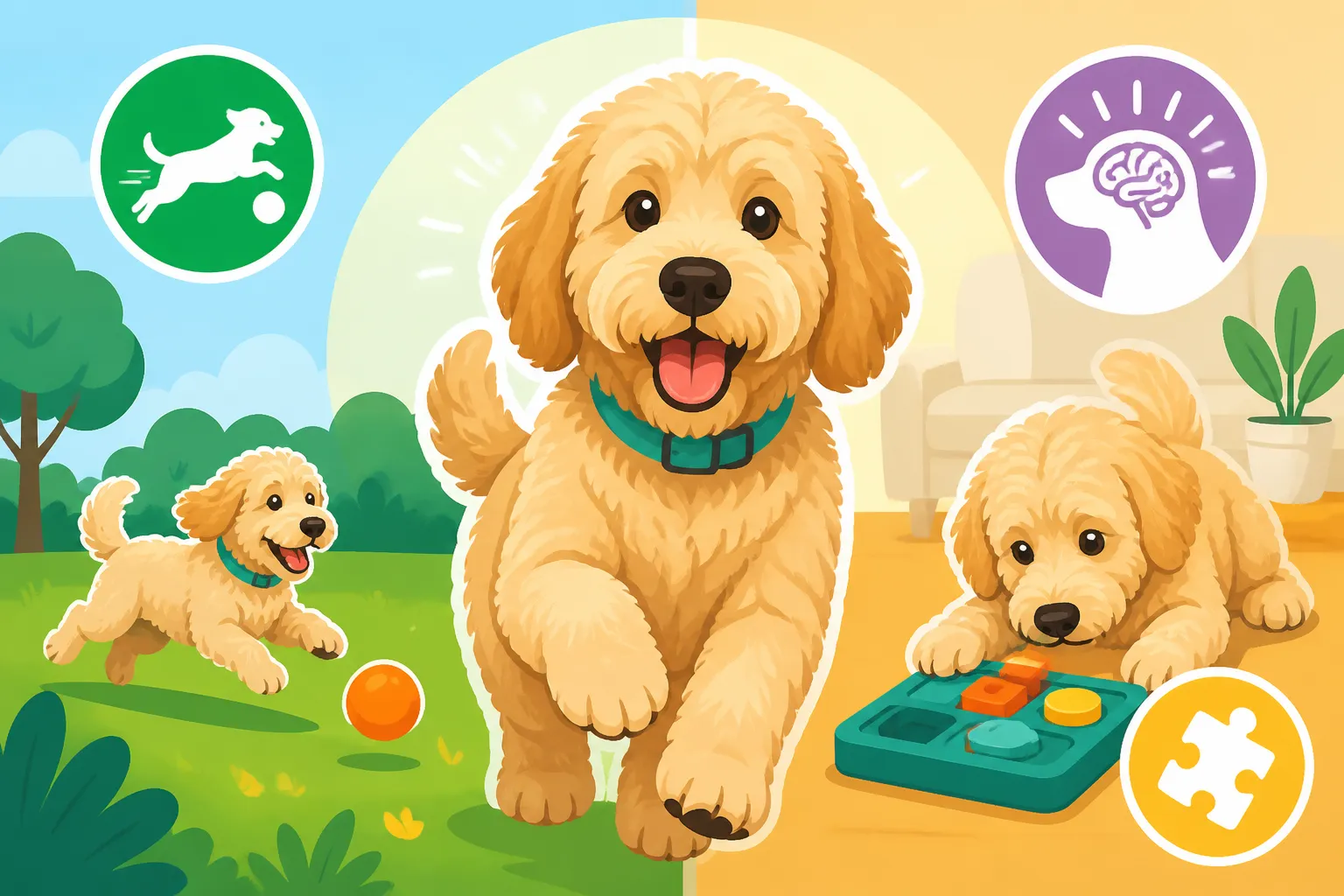
Bringing a Goldendoodle into your life means embracing their vibrant spirit, which is a wonderful thing! However, that spirit comes with substantial exercise requirements that many owners underestimate. It's not just about letting them out into the yard for a quick potty break; it's about deeply engaging their bodies and minds every single day. When these needs aren't met, you often see the frustrating behaviors that lead people to despair, thinking their dog is "misbehaving" when really, they're just bored and restless.
Think of it this way: your Goldendoodle isn't just a dog; they're a finely tuned athlete and an intellectual powerhouse rolled into one fluffy package. Neglecting either aspect is like buying a high-performance sports car and only driving it to the grocery store once a week. You're simply not tapping into its full potential, and eventually, that car might start having issues because it's not being used as intended. The same goes for your Goldendoodle – without adequate exercise, they're likely to develop habits you won't appreciate.
Inherited Drives: Golden Retriever and Poodle Energy
Your Goldendoodle inherits a rich blend of traits from both the Golden Retriever and the Poodle, and these breeds are known for their distinct energy levels and working drives. The Golden Retriever side brings an eagerness to please, a love for retrieving, and a strong desire to be involved in family activities. They are bred to work alongside humans, often in physically demanding roles like hunting and field trials. This means they naturally possess stamina and an innate need for a job to do.
On the other hand, the Poodle, especially the Standard Poodle, is a highly intelligent, agile, and athletic dog. They were originally bred as water retrievers, which required immense physical prowess, problem-solving skills, and endurance. Even the smaller Poodles (Miniature and Toy) carry this intelligence and a surprising amount of zest. So, when you combine these two incredible breeds, you get a Goldendoodle that is not only eager to learn and please but also possesses significant physical and mental energy. Ignoring these deep-seated drives is setting both of you up for frustration. You can explore more about What a Goldendoodle Inherits From Each Parent Breed.
Mental Health Benefits: Preventing Boredom and Destructive Behavior
A tired dog isn't just a well-behaved dog; it's a happy dog. Mental stimulation is just as crucial as physical activity for your Goldendoodle's overall well-being. When Goldendoodles get bored, they don't just sit around looking sad; they invent their own "jobs," which often involve things like chewing your favorite shoes, digging holes in the yard, or barking incessantly at anything that moves. These aren't acts of spite; they're desperate attempts to find an outlet for their intelligence and energy.
Engaging their brains daily can prevent many of these common behavioral issues. It helps them feel satisfied and gives them a sense of purpose, even if that purpose is just figuring out how to get a treat out of a puzzle toy. Regular mental and physical exercise also reduces stress and anxiety, especially for Goldendoodles who might be prone to separation anxiety due to their strong bond with their humans. A well-exercised Goldendoodle is more likely to settle down calmly, be receptive to training, and be a joy to live with.
Physical Exercise: What Your Goldendoodle Needs Daily
Let's get down to the brass tacks: what does "adequate" physical exercise actually look like for a Goldendoodle? It's more than just a quick jaunt around the block. You're aiming for activities that elevate their heart rate, engage their muscles, and allow them to explore the world around them. Consistency is key here; a big burst of activity once a week won't compensate for days of idleness. Aim for daily engagement.
Many owners struggle to find enough time, but remember, these activities don't always have to be hour-long marathons. Sometimes it's about quality over quantity, and often, it's about breaking up activity into manageable chunks throughout the day. It's a commitment, yes, but one that pays dividends in a calm, happy companion.
Daily Walk Routines: More Than Just a Potty Break
For most Goldendoodles, a daily walk (or two!) is the cornerstone of their physical exercise routine. But let's be clear: a "walk" where your dog barely leaves the side of your leg on a tight leash, sniffing the same three lampposts, isn't truly fulfilling. A good walk should be an opportunity for exploration, sniffing, and varied movement. They need to stretch their legs, trot along at a good pace, and engage their powerful sense of smell.
Consider two walks a day, each lasting at least 20-30 minutes, or one longer adventure for 45-60 minutes. Allow for sniff breaks, vary your routes to keep things interesting, and work on loose-leash walking. If your Goldendoodle is a strong puller, investing in a good harness (like those available on Amazon or Chewy) and practicing leash manners can transform your walks. Remember, a walk that allows them to use their nose is incredibly enriching mentally as well. Sometimes, the sniffing itself is more tiring than the actual walking. If your Goldendoodle is a strong puller, you might want to look into Goldendoodle Leash Pulling by Size Category and Harnesses That Suit a Goldendoodle Coat.
Active Play Sessions: Fetch, Running, and Dog Park Etiquette
Beyond structured walks, Goldendoodles adore active play. Their Golden Retriever heritage makes them natural fetch enthusiasts, and many Poodles love to chase. These activities are fantastic for burning off energy in a shorter, more intense burst. A solid 15-20 minutes of vigorous fetch in the backyard can be surprisingly tiring for them. Just make sure to use durable toys that can withstand their enthusiastic chewing and retrieving.
Dog parks can be a great option for some Goldendoodles, offering a chance to run and play with other dogs. However, not all Goldendoodles (or dog parks!) are created equal. Ensure your dog is well-socialized and has good recall before letting them off-leash in an uncontrolled environment. Always supervise play closely, and be prepared to intervene if interactions become too rough. For others, a private playdate with a known, friendly dog might be a better fit. Remember, you're looking for joyous, energetic play, not overwhelmed or anxious interactions.
Considering Size and Age: Tailoring Exercise to Different Goldendoodles
It's vital to remember that not all Goldendoodles are built the same, and their exercise needs will naturally vary based on their size, age, and individual temperament. A Standard Goldendoodle puppy, for instance, has very different requirements than a senior Toy Goldendoodle. Puppies, especially large breeds, have developing growth plates that can be damaged by too much high-impact exercise, so short, frequent play sessions are better than long runs. You can consult a Goldendoodle Puppy Growth Chart by Size for more insights.
As your Goldendoodle matures into adulthood, their stamina will increase, and they'll likely enjoy longer, more challenging activities. However, as they enter their senior years, their joints might not be as resilient, and their energy levels will naturally decline. At this stage, focus shifts to maintaining mobility and comfort with gentle walks, swimming (which is great for joints!), and shorter play. Always consult your vet if you're unsure about the appropriate exercise level for your specific dog, particularly if they have any health concerns. Learn more about Goldendoodle Joint Health by Size Category.
Mental Stimulation: Tiring Out the Goldendoodle Brain
While physical exercise is crucial, it's often the lack of mental stimulation that truly drives Goldendoodle owners to distraction. These dogs are smart, often surprisingly so, and their brains need a workout just as much as their bodies do. A mentally exhausted Goldendoodle is often a much calmer companion than one who has simply run around the yard for an hour with nothing to think about.
Incorporating mental games and challenges into their daily routine is a game-changer. It taps into their problem-solving abilities, their natural curiosity, and their desire to engage with you. Don't underestimate the power of brain games; sometimes a 15-minute training session can be more tiring than a 30-minute walk. You'll find that The Thinking Work That Actually Tires a Goldendoodle is essential for a well-rounded dog.
Puzzle Toys and Enrichment: Engaging Their Smarts
Puzzle toys are your secret weapon against Goldendoodle boredom. These toys require your dog to manipulate them in various ways to extract treats or kibble, tapping into their natural foraging instincts. From simple treat-dispensing balls to more complex multi-step puzzles, there's a huge variety available on platforms like Chewy and Amazon. Start with easier puzzles and gradually increase the difficulty as your Goldendoodle masters them.
Beyond formal puzzle toys, consider other forms of enrichment. Hiding treats around the house for them to "hunt," using snuffle mats, or freezing Kongs filled with peanut butter or yogurt can provide sustained mental engagement. Rotating these items keeps them novel and exciting. This isn't just about entertainment; it teaches them perseverance and independent problem-solving, which are invaluable skills. You can delve deeper into Goldendoodle Puzzle Feeders and Scent Games.
Training and New Skills: The Joy of Learning for a Goldendoodle
Goldendoodles are often incredibly biddable and eager to please, making them fantastic candidates for training. This isn't just about basic obedience; it's about ongoing learning and building a stronger bond with you. Daily training sessions, even short 5-10 minute bursts, can be incredibly stimulating. Teach them new tricks – "shake a paw," "roll over," "bow," or even more advanced obedience cues.
Enrolling in dog sports like agility, obedience, or rally can also provide an amazing outlet for their intelligence and athleticism. These activities challenge both their body and mind, requiring them to learn sequences, respond to cues, and navigate obstacles. Even if you never compete, the process of learning and practicing together is immensely rewarding for both of you. It channels their natural desire to work with you into productive and fun activities.
Scent Work and Nose Games: Tapping into Their Natural Instincts
Dogs experience the world through their noses, and Goldendoodles, with their retriever heritage, often have a fantastic sense of smell. Scent work, or nose games, is a wonderful way to provide mental stimulation that leverages this powerful sense. It's also low-impact, making it suitable for all ages and sizes, even puppies and seniors.
Start simple: hide a favorite treat or toy in a room and encourage your Goldendoodle to "find it!" Gradually increase the difficulty by hiding items in more challenging spots, under blankets, or behind furniture. You can even invest in a scent work kit or attend classes where dogs learn to identify specific odors. This activity is incredibly tiring for their brains and builds confidence, as they are using an innate skill to succeed. It's a quiet, engaging activity that can be done anywhere, regardless of the weather.
Avoiding Over-Exercise: Common Pitfalls and Warning Signs
While we've emphasized the importance of adequate exercise, there's also a point where "too much of a good thing" can become detrimental, especially for Goldendoodles. Owners, eager to tire out their energetic pups, can sometimes push them too hard, leading to physical injury or burnout. It's crucial to understand your dog's limits and to recognize the signs that they might be getting overtired or are experiencing pain.
This balance is particularly delicate with puppies and older dogs. Just like humans, dogs need rest and recovery, and pushing them beyond their physical capacity can have long-term consequences. Always err on the side of caution, and remember that quality of exercise often trumps sheer volume.
Puppy Growth Plates: Protecting Developing Joints
Goldendoodle puppies, with their boundless energy, can seem like they could play forever. However, their bones and joints are still developing, and their growth plates (soft areas at the ends of long bones) don't fully close until they are around 12-18 months old, depending on their size. High-impact activities like excessive jumping, long runs on hard surfaces, or repetitive stair climbing can put undue stress on these vulnerable areas, potentially leading to injuries like Goldendoodle Hip Dysplasia at 15 to 20 Percent or elbow dysplasia later in life.
For puppies, focus on shorter, more frequent play sessions and walks. Allow for plenty of off-leash "free play" on soft surfaces like grass, where they can self-regulate their activity. Avoid forced exercise, such as long jogs where they're compelled to keep up with you. Teach them good body awareness with gentle games and ensure they get ample rest. Protecting their developing joints now will contribute to a healthier, more active adult life.
Heat and Humidity Risks: Goldendoodles and Overheating
Goldendoodles, especially those with thicker, curlier coats, can be particularly susceptible to overheating in warm or humid weather. Their dense fur acts as an insulator, trapping heat, and they don't sweat like humans do; they primarily cool themselves by panting. If their core body temperature rises too high, it can quickly lead to dangerous heatstroke.
Always be mindful of the temperature and humidity when planning outdoor activities. On hot days, consider exercising early in the morning or late in the evening when it's cooler. Stick to shaded areas, provide plenty of fresh water, and avoid strenuous activity during peak heat. Watch for signs of overheating: excessive panting, drooling, weakness, stumbling, or dark red gums. If you suspect heatstroke, seek immediate veterinary attention. Water activities, like swimming, can be a great alternative in warm weather, as long as they are supervised and safe. Consider Goldendoodle Heat Tolerance Under a Thick Coat.
Recognizing Fatigue and Pain: When to Call It a Day (or a Vet)
Learning to read your Goldendoodle's body language is crucial for preventing over-exercise or exacerbating existing issues. Signs of fatigue can include lagging behind on walks, seeking shade or a resting spot, excessive panting even after stopping activity, or a general reluctance to engage further. They might also start making clumsy movements or showing a decreased interest in toys.
More concerning are signs of pain or discomfort, which could indicate an underlying issue. This might manifest as limping, stiffness, difficulty getting up, reluctance to jump, yelping, or a sudden change in their normal gait. If you notice any of these symptoms, especially if they persist, it's time to cut back on exercise and consult your veterinarian. Don't push a dog that's clearly uncomfortable; they can't tell you in words that something hurts. Early detection of issues like Goldendoodle Arthritis After the Age of Eight can make a huge difference in their long-term comfort.
Creative Exercise Solutions for Tricky Situations
Life isn't always sunshine and open fields. There will be days when the weather is terrible, you're short on time, or your Goldendoodle might have a temporary limitation. It's during these times that creativity becomes your best friend. A Goldendoodle still needs their outlets, and figuring out alternative ways to burn energy and engage their minds can prevent boredom-induced mischief.
Don't let a little rain or a busy schedule derail your commitment to your Goldendoodle's well-being. With a bit of planning and imagination, you can keep them happy and stimulated, no matter what challenges come your way. These solutions often strengthen your bond and prove that exercise doesn't always have to be a big production.
Indoor Games and Activities: Rainy Day Fun
When the rain is pouring, the snow is piling up, or it's simply too hot outside, indoor games are essential. While they won't replace a good outdoor run for a Standard Goldendoodle, they can certainly help burn off some steam and provide mental engagement. "Hide and seek" is a favorite; hide yourself and call your dog, rewarding them enthusiastically when they find you. You can also hide treats or their favorite toys around the house for them to sniff out.
Another great option is a controlled game of fetch down a long hallway or up and down a set of stairs (for adult dogs only, being mindful of impact). Tug-of-war is also excellent for burning energy and satisfying their prey drive, but ensure you teach "drop it" to keep it controlled. Even short training sessions, teaching new tricks or refining old ones, count as mental exercise and can tire them out significantly. Remember to always supervise play to avoid accidents.
Socializing with Other Dogs: Controlled Playdates
While dog parks can be hit or miss, controlled playdates with known, friendly dogs can be an excellent form of exercise and socialization for your Goldendoodle. If you have friends or family with well-mannered dogs, arrange a meet-up in a fenced yard or even inside a spacious home. The novelty of another dog can ignite vigorous play that might not happen during solo exercise.
These playdates offer more than just physical exertion; they allow your Goldendoodle to practice appropriate dog-to-dog communication and social skills. Always ensure the dogs are compatible in size and play style, and supervise closely to prevent any issues. Even a moderate session of wrestling, chasing, and sniffing with a canine buddy can leave your Goldendoodle happily tired and socially fulfilled.
Professional Help: Daycare and Dog Walkers
Sometimes, life just gets in the way, and you can't provide all the exercise your Goldendoodle needs. That's where professional help can be invaluable. Doggy daycare, particularly facilities that offer structured play and enrichment, can be a fantastic way for your Goldendoodle to socialize and burn off energy during the day. Look for daycares that group dogs by size and temperament and have experienced staff supervising at all times.
A trusted dog walker can also be a lifesaver for busy days. They can provide that much-needed midday walk and potty break, ensuring your Goldendoodle isn't cooped up for too long. Be sure to find a reputable, insured, and experienced walker who understands Goldendoodle needs. Interview them, check references, and ideally, have them meet your dog first to ensure a good fit. These services are an investment in your dog's happiness and your peace of mind.
Nutritional Support for an Active Goldendoodle
Just like a high-performance athlete needs specific fuel to excel, an active Goldendoodle requires proper nutrition to support their energy levels, maintain their physique, and promote long-term health. The food you put in their bowl is directly linked to their ability to engage in exercise and recover effectively. You can't expect peak performance or sustained energy on a diet that isn't providing the right balance of nutrients.
Choosing the right food, understanding appropriate portions, and considering supplements are all part of a holistic approach to supporting your active Goldendoodle. This isn't just about weight management; it's about providing the building blocks for strong muscles, healthy joints, and sustained vitality.
Fueling Their Energy: Appropriate Food Choices
For an active Goldendoodle, a high-quality dog food that provides adequate protein and healthy fats is crucial. Protein supports muscle maintenance and repair, especially important after exercise, while fats provide a concentrated source of energy. Look for dog foods where a named meat source (e.g., chicken, lamb, salmon) is the first ingredient. Carbohydrates from sources like sweet potatoes or whole grains also provide sustained energy.
The calorie content will need to match their activity level. Highly active Goldendoodles will naturally require more calories than those with a more sedentary lifestyle. Always check the feeding guidelines on your chosen dog food bag (many excellent options are available on Chewy or through fresh food services like Ollie), but remember these are just starting points. Monitor your Goldendoodle's body condition and adjust their portion sizes accordingly. You should be able to feel their ribs easily without seeing them protruding, and they should have a discernible waist. You can read more about Daily Calories by Goldendoodle Size Category. For larger Goldendoodles, Large Breed Puppy Food for a Standard Goldendoodle is particularly important during their growth phase.
Joint Health Supplements: Proactive Care
Given that Goldendoodles can be prone to joint issues like hip and elbow dysplasia due to their parent breeds, proactive joint support can be a wise consideration, especially for active dogs. While a balanced diet provides many essential nutrients, certain supplements can offer targeted support for joint health.
Ingredients like glucosamine, chondroitin, and omega-3 fatty acids (DHA/EPA) are commonly found in joint supplements and are believed to help maintain cartilage integrity and reduce inflammation. Turmeric and MSM are also popular choices. Always discuss any supplements with your veterinarian before introducing them, as they can advise on appropriate dosages and whether they are truly necessary for your individual dog. Starting early, especially if your Goldendoodle is very active or belongs to a larger size category, can potentially support their joint health throughout their life.
Hydration Matters: Water Intake for Active Dogs
It might seem obvious, but proper hydration is absolutely vital for active Goldendoodles. Just like human athletes, dogs lose water through panting and urination, and this loss is exacerbated during exercise, especially in warmer weather. Dehydration can quickly lead to fatigue, reduced performance, and serious health problems.
Always ensure your Goldendoodle has access to fresh, clean water, both at home and when you're out and about. Bring a portable water bowl and a bottle of water on walks, hikes, or to the dog park. Encourage them to drink before, during, and after exercise. If your dog isn't a big drinker, consider adding a little low-sodium chicken broth to their water or offering wet food to boost their fluid intake. Adequate hydration helps with circulation, digestion, temperature regulation, and overall cellular function, keeping your Goldendoodle feeling their best.
Long-Term Exercise Planning: Through the Goldendoodle's Lifespan
A Goldendoodle's exercise needs aren't static; they evolve significantly over their lifetime. What's appropriate for a rambunctious puppy won't be suitable for a senior dog, and failing to adapt your routine can lead to problems. Thinking about exercise as a lifelong journey, rather than a fixed regimen, is key to keeping your Goldendoodle healthy and happy at every stage.
This involves understanding the different phases of their life, being observant of their changing capabilities, and being willing to adjust your activities accordingly. It's a continuous conversation between you and your dog, ensuring they remain active, engaged, and comfortable for as long as possible.
Adolescence and Energy Surges: Navigating the Teenage Years
Just when you thought your Goldendoodle puppy was settling into a routine, adolescence hits, typically between 6 months and 2 years of age. This period can be characterized by renewed energy surges, selective hearing (which feels like they've forgotten all their training!), and a testing of boundaries. They might seem to have an endless supply of energy, pushing for longer play sessions and becoming more easily bored if their needs aren't met.
During this "teenage" phase, consistent, varied exercise is more important than ever. They need ample physical outlets for their burgeoning energy, combined with continued mental stimulation through training and puzzle toys. This is also a critical time for reinforcing good manners and recall, as their growing independence can sometimes lead them astray. Structured activities like dog sports or advanced obedience classes can be incredibly beneficial for channeling their energy and keeping their smart brains engaged. Don't give up on training; it's a phase that requires patience and consistency.
Senior Goldendoodle Adaptations: Keeping Them Moving Gently
As your Goldendoodle approaches their senior years, typically around 7-9 years old for larger Goldendoodles and a bit later for smaller ones, their exercise needs will naturally begin to shift. Their joints might become stiffer, their stamina could decrease, and they might develop conditions like Senior Goldendoodle Mobility and Arthritis. The goal now is to maintain their mobility, keep them comfortable, and prevent muscle wastage, rather than aiming for high-intensity workouts.
Focus on gentle, consistent exercise. Shorter, more frequent walks are often better than one long one. Swimming is fantastic for seniors as it's non-weight-bearing and great for joint health. Mental stimulation remains important, but opt for less physically demanding nose games or puzzle toys. Provide comfortable bedding and consider ramps to help them get on and off furniture or into cars. Regular vet check-ups are essential to monitor for age-related conditions and discuss pain management options if needed. Keeping them gently active is key to a good quality of life in their golden years.
Maintaining a Healthy Weight: Preventing Obesity-Related Issues
Throughout their entire lives, maintaining a healthy weight is paramount for your Goldendoodle, and exercise plays a crucial role in this. Excess weight puts immense strain on their joints, exacerbates conditions like arthritis and hip dysplasia, and contributes to other health problems such as heart disease and diabetes. It also significantly impacts their ability to move comfortably and enjoy their lives.
Regular exercise, combined with proper nutrition, is the best defense against obesity. It burns calories, builds muscle mass (which boosts metabolism), and keeps their bodies functioning optimally. Make it a routine to regularly assess your Goldendoodle's body condition and adjust their food intake and exercise levels as needed. If you notice Goldendoodle Weight Gain and the Strain on Joints, consult your vet to create a safe weight loss plan. A healthy weight means a more active, comfortable, and potentially longer life for your cherished Goldendoodle.
| Goldendoodle Life Stage | Recommended Exercise Focus | Typical Duration/Frequency | Key Considerations |
|---|---|---|---|
| Puppy (8 wks – 6 mos) | Short, frequent walks; supervised free play on soft surfaces; basic obedience and puzzle toys. | 5-10 min walks, 3-5 times/day; multiple short play sessions. | Protect growth plates; avoid forced, high-impact exercise; focus on positive experiences. |
| Adolescent (6 mos – 2 yrs) | Longer walks, fetch, hiking; continued advanced training, dog sports, challenging puzzle toys. | 30-60 min walks, 1-2 times/day; active play sessions; daily mental work. | Manage energy surges; reinforce recall; consider dog park/playdate etiquette. |
| Adult (2 yrs – 7-9 yrs) | Consistent walks, runs, hikes, swimming; advanced training, dog sports, scent work. | 60-90 min total daily exercise; sustained mental challenges. | Maintain ideal weight; vary routine to prevent boredom; monitor for early signs of joint issues. |
| Senior (7-9 yrs+) | Gentle, shorter walks; swimming; low-impact games; easy puzzle toys; therapeutic exercise. | 15-30 min walks, 2-3 times/day; frequent short mental games. | Prioritize comfort and mobility; avoid over-exertion; regular vet checks for pain management. |
Disclaimer
This article is for general informational purposes only and does not constitute professional advice. Laws, prices and regulations vary by location and change over time. Consult a qualified professional for guidance on your specific situation.