What Hybrid Vigor Means for a Goldendoodle
Bringing a Goldendoodle into your life is exciting, but for many new owners, there's a quiet worry about their long-term health. We often hear promises of "hybrid vigor," a magical shield against common canine ailments, but what does that truly mean for a Goldendoodle? It's easy to get lost in the marketing hype, so let's unpack this concept and discuss what it realistically implies for your furry family member's health and lifespan.
Understanding Hybrid Vigor in Simple Terms
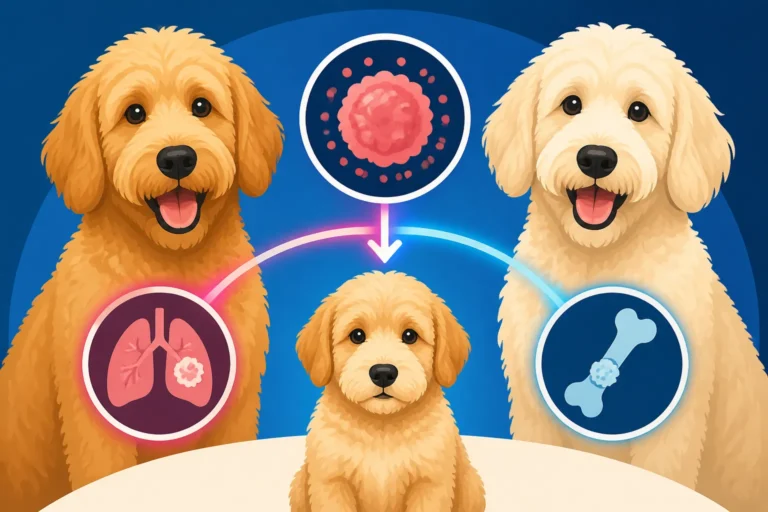
When you hear the term "hybrid vigor," or its scientific counterpart, heterosis, it sounds rather grand, doesn't it? In essence, it refers to the increased strength, growth, fertility, and health that can sometimes be seen in the offspring of two genetically distinct parents. Think of it like this: if you have two purebred lines, each might carry some recessive genes for certain health conditions. When you breed two unrelated purebreds together, the chances of their offspring inheriting two copies of the same problematic recessive gene are reduced because the gene pools are different. The idea is that the diverse genetic input from two distinct breeds can "mask" these recessive, less desirable genes, leading to a generally healthier animal.
For decades, breeders of livestock and plants have leveraged hybrid vigor to produce robust, high-yielding crops or healthier, faster-growing animals. It's a well-documented biological phenomenon that has genuine scientific backing. However, applying it to companion animals, especially "designer dogs" like the Goldendoodle, becomes a bit more nuanced. The key is truly distinct genetic lines and a broad gene pool, which isn't always a given even in crossbreeds. The promise isn't that they become immune to disease, but rather that they might have a slightly lower statistical chance of inheriting certain breed-specific conditions that are caused by recessive genes present in both parent lines.
The Genetic Basis of Health Benefits
At its core, hybrid vigor is about genetic diversity. Purebred dogs, by their very definition, come from a limited gene pool. Over generations, to maintain specific breed standards for appearance and temperament, breeding often involves closely related animals or a small number of foundation dogs. This intensive line breeding can inadvertently concentrate genes for certain hereditary diseases. For example, both Golden Retrievers and Poodles, while generally healthy breeds, have their own predispositions. Golden Retrievers are known for certain cancers and hip dysplasia, while Poodles can carry genes for Addison's Disease and Progressive Retinal Atrophy.
When you cross a Golden Retriever with a Poodle to create an F1 Goldendoodle (first generation), you are combining two different genetic sets. If a Golden Retriever parent carries one copy of a recessive gene for a disease, and the Poodle parent doesn't carry that specific gene, the F1 offspring will only receive one copy and likely won't express the disease. This "masking" effect is the engine of hybrid vigor. It’s not that the disease gene disappears; it just isn't paired with another copy, preventing the disease from manifesting. This is why many proponents suggest that an F1 Goldendoodle is often the healthiest choice. To fully understand the broader picture, it's worth exploring What a Goldendoodle Inherits From Each Parent Breed.
Why Hybrid Vigor Isn't a Guarantee
Here’s where the reality check comes in. While the concept of hybrid vigor is sound, its application to every Goldendoodle isn't a silver bullet. Firstly, hybrid vigor is most pronounced in the first generation (F1) cross, where the genetic diversity is at its peak. When you start breeding Goldendoodle to Goldendoodle (F2, F3, or "multigen" Goldendoodles), or backcrossing an F1 to a Poodle (F1b), you begin to reintroduce some of the genetic homogeneity. This is often why Why Hybrid Vigor Fades After F1 is a common topic of discussion among serious breeders and owners.
Secondly, hybrid vigor only mitigates diseases caused by recessive genes. It does not protect against conditions caused by dominant genes or polygenic diseases (those influenced by multiple genes and environmental factors), which many common canine health problems are. For instance, hip dysplasia is a polygenic condition that can affect both Golden Retrievers and Poodles, and therefore Goldendoodles can still inherit a predisposition to it. If both parent breeds share a common genetic vulnerability, the hybrid vigor effect might be negligible for that specific condition. This is precisely the concern When Both Goldendoodle Parents Carry the Same Gene.
The Realities of Goldendoodle Health
So, if hybrid vigor isn't a magical force field, what truly determines a Goldendoodle's health? The answer lies in responsible breeding practices, comprehensive health testing of the parent dogs, and diligent care from owners. A crossbreed isn't inherently healthier than a purebred; its health is a direct reflection of the health of its ancestors and the careful choices made by breeders.
Many people are drawn to Goldendoodles because of the belief they are "healthier" than their parent breeds. While they may statistically avoid some of the extreme genetic issues seen in certain purebred lines due to hybrid vigor, this doesn't mean they are immune to all diseases. In fact, Goldendoodles can still be susceptible to a wide range of conditions that affect both Golden Retrievers and Poodles. Understanding this realistic outlook is crucial for any potential Goldendoodle owner. Thinking that a crossbreed inherently grants immunity is a dangerous misconception that can lead to unexpected veterinary bills and heartbreak down the line.
The Critical Role of Parent Health Testing
This cannot be stressed enough: the health of your Goldendoodle puppy is largely dictated by the health of its parents. Reputable breeders invest heavily in extensive health testing for their breeding stock. This isn't just a casual vet check-up; it involves specific screenings for conditions prevalent in Golden Retrievers and Poodles. For example, both breeds are prone to hip and elbow dysplasia, so breeders should have their dogs certified by the Orthopedic Foundation for Animals (OFA) or PennHIP. They should also screen for various eye conditions, such as Progressive Retinal Atrophy (PRA), and cardiac issues.
A good breeder will openly share documentation of these health clearances, not just "vet checks." These are often genetic DNA tests that identify carriers of specific diseases. If a breeder tells you "my dogs are healthy" without providing verifiable test results, that's a huge red flag. Even with hybrid vigor, if both Golden Retriever and Poodle parents carry a gene for a specific condition that they both share, like Von Willebrand's disease or certain eye conditions, then a Goldendoodle puppy can still inherit the full-blown disease. Always ask to see the paperwork, specifically the results of The DNA Panel a Goldendoodle Breeder Should Run and OFA Clearances on a Goldendoodle Sire and Dam. This due diligence is far more effective than relying solely on the concept of hybrid vigor.
Common Goldendoodle Health Concerns to Watch For
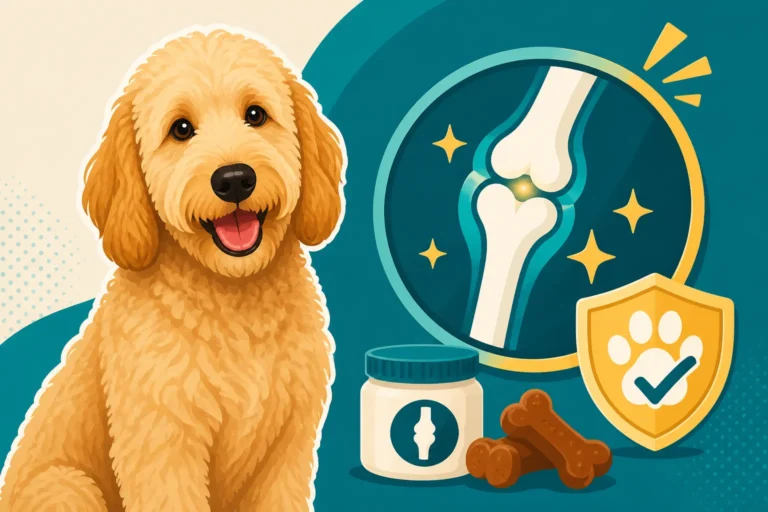
Even with responsible breeding, Goldendoodles can still face a variety of health challenges throughout their lives. Owners should be aware of conditions that might appear, stemming from either the Golden Retriever or Poodle lineage. For instance, both parent breeds can be prone to certain joint problems like hip and elbow dysplasia, as mentioned. Poodles, particularly Standard Poodles, can be susceptible to bloat (Gastric Dilatation-Volvulus), a life-threatening condition, which can then be passed on to larger Goldendoodles.
Other concerns include certain eye conditions, like Progressive Retinal Atrophy, for which both breeds can carry genes. Endocrine diseases, such as Addison's Disease (more common in Poodles) and hypothyroidism (seen in both), are also possibilities. Skin allergies, ear infections (due to their floppy, furnished ears), and certain cancers (especially from the Golden Retriever side) are also common. While hybrid vigor might offer a slight edge, it doesn't eliminate these risks entirely. It simply means that proactive monitoring, a healthy lifestyle, and potentially a good pet insurance plan like those offered by Healthy Paws, are essential for managing these possibilities over your Goldendoodle's lifetime.
Maximizing Your Goldendoodle's Lifespan and Well-being
Given that hybrid vigor offers a statistical advantage rather than an absolute guarantee, what can you, as an owner, do to ensure your Goldendoodle lives the longest, healthiest, and happiest life possible? It boils down to a holistic approach that covers everything from their diet and exercise to regular veterinary care and mental stimulation. Think of it as building a strong foundation for their health, rather than relying on a genetic lottery.
It's a common misconception to assume that because Goldendoodles are "hybrids," they somehow require less diligent care. In reality, their specific needs, particularly concerning grooming and their active minds, mean they require considerable commitment. For a comprehensive overview of what to expect, consider reading Goldendoodle Lifespan and What a Cross Really Buys You to set realistic expectations for their longevity and what factors genuinely contribute to it.
Proactive Veterinary Care and Screenings
Regular veterinary check-ups are paramount. Your vet is your best partner in preventive care, helping to catch potential issues early. This includes annual physical exams, up-to-date vaccinations (don't forget Goldendoodle Puppy Vaccination Timing when they're young!), and routine parasite prevention. As your Goldendoodle ages, these check-ups might become more frequent, often twice a year, as senior dogs can develop health issues more rapidly.
Beyond routine visits, be observant for any changes in your dog's behavior, appetite, activity level, or appearance. Early detection can make a significant difference in the prognosis and treatment success for many conditions, from lumps and bumps that could be cancerous to subtle signs of joint pain. Don't hesitate to consult your vet if you notice anything out of the ordinary. Having a reliable pet insurance plan, such as Healthy Paws, can provide immense peace of mind, knowing you're financially prepared for unexpected illnesses or accidents without having to compromise on the best care for your Goldendoodle.
The Importance of Diet, Exercise, and Mental Stimulation
A balanced, high-quality diet tailored to your Goldendoodle's age, size, and activity level is foundational to their health. Avoid overfeeding, as maintaining a healthy weight is crucial for preventing joint problems and other weight-related issues. Obesity places unnecessary strain on their bodies and can significantly impact their quality of life and lifespan. Discuss appropriate portion sizes and food choices with your veterinarian, especially as your dog transitions from puppyhood to adulthood and eventually to their senior years.
Goldendoodles are active, intelligent dogs that require consistent physical exercise and mental stimulation. Daily walks, playtime in a securely fenced yard, and engaging puzzle toys can help keep them physically fit and mentally sharp. These activities also contribute to positive behavior and reduce the likelihood of destructive habits born from boredom or excess energy. Remember, a tired Goldendoodle is often a well-behaved Goldendoodle! This holistic approach to their daily life plays a far greater role in their overall well-being than any inherent "hybrid vigor." A healthy lifestyle can also help extend their Goldendoodle Lifespan and What a Cross Really Buys You.
Navigating Pet Insurance for a Crossbreed
When it comes to pet insurance, owning a Goldendoodle presents a unique situation because they are not recognized by traditional kennel clubs like the AKC. This can sometimes lead to questions or different classifications from insurance providers. However, reputable companies like Healthy Paws are well-versed in handling crossbreeds, and policies are readily available to cover your Goldendoodle's health needs.
Choosing the right policy means understanding what it covers, especially concerning common Goldendoodle ailments. Look for comprehensive plans that cover accidents, illnesses, emergency care, and potentially hereditary conditions, rather than just accident-only coverage. Review deductibles, reimbursement percentages, and annual limits to find a plan that fits your budget and provides adequate protection. Enrolling your Goldendoodle when they are young is often advisable, as pre-existing conditions are typically excluded. This ensures you're prepared for the various health needs that can arise over Goldendoodle Costs Across a Full Lifetime, including those unforeseen issues that hybrid vigor doesn't prevent.
| Factor | Purebred (e.g., Golden Retriever/Poodle) | F1 Goldendoodle (1st Gen Cross) | Multigen Goldendoodle (F2, F1b, etc.) |
|---|---|---|---|
| Genetic Diversity | Limited, can concentrate recessive genes | High, maximum heterosis | Decreased, more variable |
| Hybrid Vigor Effect | N/A (purebred) | Most pronounced, higher chance of masking recessive issues | Diminished, less predictable |
| Predictability of Traits | High for breed standards and common diseases | Moderate, mix of both parent traits | Variable, can revert to purebred traits |
| Risk of Recessive Diseases (if parents tested negative) | Higher statistical chance if specific genes are common in line | Lower statistical chance | Moderate, depends on specific breeding choices |
| Importance of Parent Health Testing | Critical, as specific breed issues are known | Essential, to ensure diverse healthy genetic input | Absolutely critical, as genetic diversity declines |
Ultimately, while the promise of hybrid vigor for Goldendoodles is appealing, it's not a license to overlook diligent care or ignore the importance of responsible breeding. A truly healthy Goldendoodle is the product of careful genetic selection, attentive daily care, and a proactive approach to their veterinary needs throughout their life.
Disclaimer
The information provided in this article is for general informational purposes only and does not constitute veterinary advice. Always consult with a qualified veterinarian for any health concerns or before making any decisions about your pet's health or treatment.