Goldendoodle Puppy Vaccination Timing
Bringing home a Goldendoodle puppy is one of the most exciting times, but it also comes with a lot of worry and a mountain of information to sift through. One of the biggest stressors for new puppy parents is figuring out the vaccination schedule. You're probably hearing conflicting advice, seeing different timelines online, and just want to make sure you’re doing right by your new furry family member. This guide will walk you through the typical Goldendoodle puppy vaccination timing, explaining why each shot is important and what to expect, so you can navigate those crucial first few months with confidence.
Why Puppy Vaccinations are Absolutely Essential for Goldendoodles
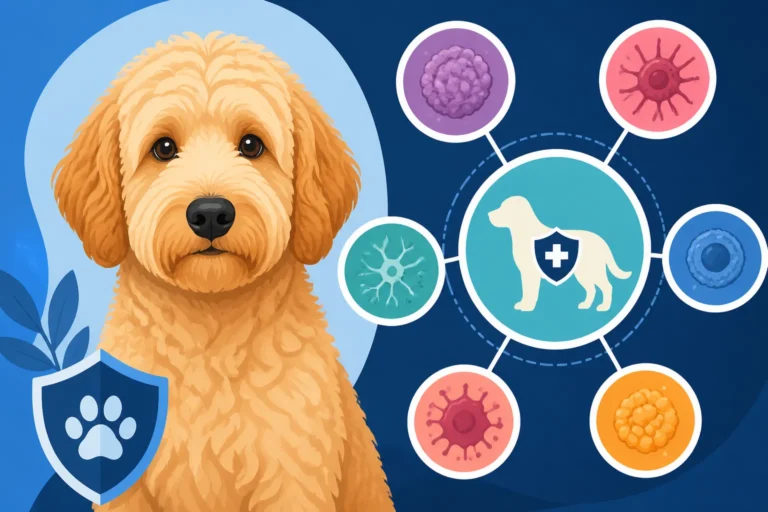
It’s easy to get overwhelmed by all the vet visits and shots, but puppy vaccinations are truly non-negotiable for the health and safety of your Goldendoodle, and frankly, all puppies. These tiny little beings are born with immature immune systems, relying initially on antibodies passed down from their mother’s milk. While these maternal antibodies offer some protection, they also wane over time, and crucially, they can interfere with the effectiveness of early vaccines. This creates a critical window where your puppy is vulnerable.
Protecting Against Common and Deadly Diseases
Vaccines work by introducing a weakened or inactive form of a virus or bacteria, training your Goldendoodle’s immune system to recognize and fight off the real thing if they encounter it in the future. Without these vaccinations, your Goldendoodle puppy is at serious risk of contracting diseases that can be devastating, expensive to treat, or even fatal. We're talking about things like canine parvovirus, distemper, and rabies—illnesses that no loving pet parent ever wants their dog to face. Imagine the heartbreak and expense of nursing a sick puppy through something that could have been prevented with a simple shot. This is why following a strict vaccination schedule with your veterinarian is so incredibly important.
The Vulnerable "Immunity Gap"
The challenge with puppy vaccinations lies in that "immunity gap" I mentioned. Puppies receive protective antibodies from their mother's milk, but the level of these antibodies varies and decreases over time. If a vaccine is given while maternal antibodies are still high, the antibodies can essentially "cancel out" the vaccine, making it ineffective. However, if you wait too long for the vaccine, the maternal antibodies might have dropped, leaving your puppy unprotected. This is why puppies receive a series of vaccinations, typically every three to four weeks. Each booster shot aims to catch your puppy when their maternal antibodies are low enough for the vaccine to stimulate their own immune response, building robust protection over time. During this period, especially before their final shots, it's crucial to limit your Goldendoodle's exposure to unknown dogs and potentially contaminated environments to mitigate the Parvo Risk Before a Goldendoodle Finishes Its Shots.
The Standard Goldendoodle Puppy Vaccination Schedule
Understanding the typical vaccination schedule can help you feel more prepared for your Goldendoodle's first year. Remember, this is a general guideline, and your veterinarian will tailor the specific timing and exact vaccines based on your puppy's age, local disease prevalence, and individual risk factors. Always follow your vet's advice closely.
Core Vaccines for Every Goldendoodle Puppy
The core vaccines are considered essential for all dogs, regardless of their lifestyle or geographic location, due to the widespread nature and severity of the diseases they protect against.
-
DHPP (Distemper, Hepatitis/Adenovirus, Parvovirus, Parainfluenza): This is often given as a combination shot, commonly referred to as "the puppy shots."
- Distemper: A severe and often fatal viral disease affecting the respiratory, gastrointestinal, and nervous systems.
- Adenovirus (Hepatitis): Protects against infectious canine hepatitis, which can cause severe liver damage.
- Parvovirus (Parvo): Highly contagious and potentially deadly, especially in puppies, causing severe vomiting and diarrhea. It's a common concern, and understanding Goldendoodle Vomiting and When It Matters can be critical during this vulnerable time.
- Parainfluenza: A respiratory virus that contributes to "kennel cough."
Your Goldendoodle puppy will typically receive a series of these shots, starting around 6-8 weeks of age, followed by boosters every 3-4 weeks until they are about 16 weeks old. A common schedule might look like this:
- 6-8 weeks: First DHPP
- 9-11 weeks: Second DHPP
- 12-14 weeks: Third DHPP
- 16 weeks or later: Fourth DHPP (often the final puppy booster)
-
Rabies: This vaccine is legally required in most places due to the severity of the disease and its ability to spread to humans. Rabies is almost always fatal once symptoms appear.
- The rabies vaccine is usually given as a single shot when your Goldendoodle puppy is between 12 and 16 weeks of age, and sometimes as late as 6 months, depending on local regulations and your vet's protocol. After the initial vaccination, booster shots are required, typically every one to three years.
Here's a simplified table summarizing a typical Goldendoodle puppy vaccination schedule:
| Age of Goldendoodle Puppy | Core Vaccines (Typical) | Important Notes |
|---|---|---|
| 6-8 Weeks | DHPP (Distemper, Adenovirus, Parvovirus, Parainfluenza) – First Dose | This is often the first vet visit after bringing your puppy home. Discuss your puppy's health and any concerns. |
| 9-11 Weeks | DHPP – Second Dose | Your puppy is still vulnerable. Continue to limit exposure to unknown dogs or public areas until the series is complete. |
| 12-14 Weeks | DHPP – Third Dose, Rabies – First Dose | Rabies vaccine typically given at this stage. Ensure your puppy is feeling well before this visit. Some vets might space the Rabies and DHPP a week or two apart. |
| 16 Weeks | DHPP – Fourth Dose (Final Puppy Booster) | This final booster is critical for establishing full immunity. Your puppy should be considered fully vaccinated for DHPP and Rabies approximately 1-2 weeks after this last shot. |
The Importance of Health Checks at Each Visit
Beyond just getting the shots, each veterinary visit for vaccinations is a crucial opportunity for a full Goldendoodle puppy health checks. Your vet will examine your puppy thoroughly, listening to their heart and lungs, checking their teeth, eyes, and ears, and making sure they’re growing appropriately. These check-ups are vital for catching any potential issues early, discussing nutrition, behavior, and addressing any questions you might have about your Goldendoodle’s development. They can identify things like minor respiratory issues or even signs of Goldendoodle Dental Crowding in the Smaller Sizes that might need attention later on.
Understanding Non-Core Vaccines and When Your Goldendoodle Might Need Them
While core vaccines are a given for all Goldendoodles, there’s another category of "non-core" vaccines. These are recommended based on your dog's individual risk of exposure, lifestyle, and geographic location. It’s not about these vaccines being less important, but rather about tailoring protection to your Goldendoodle's specific environment.
Assessing Your Goldendoodle's Lifestyle and Risk Factors
Your veterinarian will discuss your Goldendoodle’s environment and activities to help determine which non-core vaccines are appropriate. Think about where you live, if your dog will be interacting with many other dogs, or if they’ll be spending time outdoors in areas with wildlife.
-
Bordetella bronchiseptica (Kennel Cough): This vaccine protects against a common bacterial cause of kennel cough. It’s highly recommended for Goldendoodles that will be boarded, attend doggy daycare, go to grooming salons, frequent dog parks, or have regular contact with many other dogs. It's often administered as an intranasal (nose drop) or oral vaccine, sometimes as early as 8 weeks, with a booster typically required after a few weeks, depending on the product.
-
Leptospirosis (Lepto): Leptospirosis is a bacterial disease found in contaminated water and soil, often spread through the urine of wildlife like raccoons, deer, and rodents. It can cause severe kidney and liver damage and can even be transmitted to humans. This vaccine is crucial for Goldendoodles who live in or visit rural areas, have access to standing water, or participate in outdoor activities like hiking or swimming. It typically requires two initial doses, 2-4 weeks apart, starting around 12 weeks of age.
-
Lyme Disease: Transmitted by ticks, Lyme disease can cause lameness, joint pain, and kidney issues. If you live in or frequently visit areas where Lyme disease is prevalent (like the Northeastern, Mid-Atlantic, and Upper Midwestern United States), or if your Goldendoodle spends a lot of time in wooded or grassy areas where ticks thrive, your vet might recommend this vaccine. It also requires an initial series of two shots.
Making Informed Decisions with Your Vet
It's tempting to want to protect your Goldendoodle from everything, but each vaccine carries a small risk of side effects. While serious reactions are rare, they can happen. Your vet will help you weigh the benefits against these small risks. For example, if your Goldendoodle suffers from Goldendoodle Allergies and Itchy Skin, your vet might approach new vaccines with extra caution. It's about making informed choices that provide the best protection for your specific Goldendoodle. Don't be afraid to ask questions about why a particular non-core vaccine is being recommended or if it’s truly necessary for your puppy's anticipated lifestyle.
Navigating the Last Vaccination and What Comes Next
That final puppy shot, usually around 16 weeks of age, feels like a massive milestone, and it truly is! It signifies the end of the initial, most vulnerable phase of your Goldendoodle’s puppyhood, but it’s far from the end of their health journey.
The Socialization vs. Immunity Conundrum
One of the biggest anxieties for new Goldendoodle owners is balancing the need for vaccination protection with the crucial window for socialization. You hear that puppies need to be exposed to new sights, sounds, people, and friendly dogs before 16 weeks to prevent behavioral issues down the road, but also that they shouldn't be exposed until fully vaccinated. It’s a tightrope walk!
My advice, and what most modern vets recommend, is to prioritize safe socialization. This means enrolling in puppy classes that require proof of vaccination and are held in sanitized environments. Arrange playdates with healthy, fully vaccinated adult dogs you trust in your own home or yard. Avoid public dog parks, pet stores, or busy walking trails where you don't know the vaccination status of other dogs or the cleanliness of the area, especially until a week or two after that final 16-week DHPP shot. The goal is controlled exposure, not isolation. Getting your Goldendoodle out and about in appropriate settings is crucial for preventing future issues like a Goldendoodle that acts out because it never learned how to properly interact.
Beyond Puppyhood: Boosters and Lifelong Care
Once your Goldendoodle completes their puppy series, they aren't done with vaccinations forever. Adult Goldendoodles will need booster shots to maintain their immunity.
- Annual or Triennial Boosters: The frequency of boosters depends on the vaccine type and your vet's protocol. For example, after the initial puppy series, the DHPP vaccine is often boosted one year later, and then typically every three years thereafter. Rabies boosters are also required periodically, usually every one or three years, depending on local laws and the specific vaccine product used.
- Continued Non-Core Vaccinations: If your Goldendoodle's lifestyle continues to warrant non-core vaccines like Bordetella or Lepto, these will also require regular boosters, often annually. For instance, if your Goldendoodle loves swimming in lakes, continued Leptospirosis vaccination is a must.
- Regular Vet Check-ups: Even after the vaccination schedule is complete, regular annual vet check-ups are vital. These visits allow your vet to monitor your Goldendoodle's overall health, catch any emerging issues early, and discuss preventive care like parasite control. A senior Goldendoodle will need even more specialized care, including more frequent vet visits after the age of nine.
Planning for the Unexpected
While vaccinations provide amazing protection, life with a Goldendoodle can still throw curveballs. Accidents, unexpected illnesses, or even chronic conditions can lead to significant vet bills. This is where considering pet insurance early on can offer immense peace of mind. Companies like Healthy Paws can help cover a large percentage of unexpected veterinary costs, from emergency surgeries to ongoing treatments for conditions not covered by vaccines, like Goldendoodle Hip Dysplasia and the OFA Numbers or a sudden onset of Goldendoodle Epilepsy and When Seizures Start. Enrolling your puppy early ensures they're covered before any pre-existing conditions develop. Having that financial safety net can make a huge difference when decisions about your Goldendoodle's health need to be made without the added stress of crushing medical expenses. It ensures you can focus on getting your beloved companion the best possible care, rather than worrying about the financial impact.
Disclaimer
This article is intended for informational purposes only and does not constitute veterinary advice. Always consult with a qualified veterinarian regarding your Goldendoodle puppy's specific vaccination schedule, health concerns, and treatment options. Individual circumstances, local disease prevalence, and your dog's health history may necessitate different recommendations.