Brushing a Goldendoodle Three Times a Week
That moment when you’re stroking your beloved Goldendoodle, and your fingers snag on a hidden mat nestled deep in their soft, curly coat – it's a familiar frustration for so many of us. It feels like you just brushed them, doesn't it? The truth is, Goldendoodles have a coat type that is a champion at forming tangles, and if you’re not brushing thoroughly and often, those tangles quickly become painful mats. This guide is here to walk you through why your Goldendoodle needs regular, proactive brushing and how to master the techniques that will keep their coat healthy, comfortable, and mat-free.
Why Three Times a Week Isn't Just a Suggestion – It's a Necessity
Let's be real, when you first get a Goldendoodle, everyone talks about their adorable looks and wonderful temperament. What they don't always fully prepare you for is the incredible commitment their coat demands. Many owners aim for once a week, or even "when it looks like it needs it," but with a Goldendoodle, that's often too late. Three times a week isn't an arbitrary number; it's the minimum frequency required to genuinely stay ahead of the matting monster and prevent discomfort for your furry friend.
The Unique Goldendoodle Coat: A Matting Magnet
The Goldendoodle's coat is a beautiful genetic lottery, a mix of the Golden Retriever's dense, sometimes wavy double coat and the Poodle's dense, single-layer curly coat. This combination, while often low-shedding (which is a huge plus for many allergy sufferers), creates a perfect storm for matting. The soft, finer hairs of the Golden Retriever mix with the tighter curls of the Poodle, leading to a coat that loves to intertwine and bind together. Think of it like a natural felt-making process happening right on your dog.
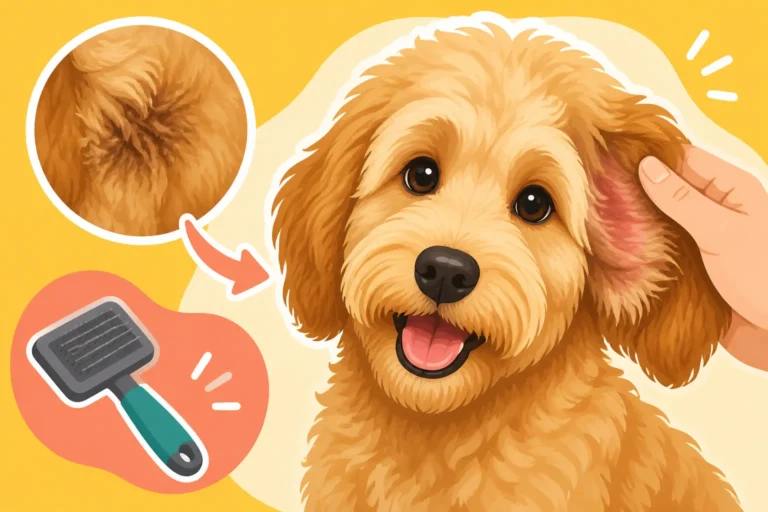
These coats pick up everything – leaves, twigs, burrs, even just household dust and dead skin cells – all of which act like little anchors for mats. Every time your dog rolls around, plays, or even just sleeps, those individual hairs are rubbing together, tightening any nascent tangles. Areas like behind the ears, under the collar or harness, in the armpits, and around the tail are notorious hotspots for mats because of constant friction and movement. Understanding The Three Goldendoodle Coat Types and How to Tell Them can also give you insight into just how prone your specific dog might be; a curly, wool-type coat often needs even more vigilance than a wavy fleece coat.
Preventing Pain and Costly Shave-Downs
Ignoring regular brushing doesn't just make your Goldendoodle look disheveled; it causes real pain and can lead to significant health issues. Mats pull at the skin, creating constant discomfort. Imagine having your hair tangled and pulled tight against your scalp all day, every day – that's what a matted coat feels like for your dog. Severe mats can restrict movement, cause skin irritation, hot spots, and even hide parasites or infections because air can't circulate to the skin underneath.
Beyond the pain, there's the financial impact. When a Goldendoodle arrives at the groomer with a severely matted coat, there's often only one humane option: a full shave-down. This isn't just about aesthetics; it's about freeing the dog from pain. Groomers charge extra for dematting, if they even attempt it, because it's time-consuming, difficult, and stressful for the dog. Often, the dematting surcharge or the complete shave-down costs significantly more than a regular groom. Consider that Goldendoodle Grooming Every Six Weeks Adds Up already; adding dematting fees can easily make your grooming budget spiral. A regular brushing routine is truly an investment in your dog's comfort and your wallet.
Mastering the Art of Line Brushing for a Goldendoodle
Simply running a brush over the top of your Goldendoodle's coat isn't enough. Mats form close to the skin, so your brushing technique needs to reach all the way down. This is where "line brushing" becomes your best friend. It’s a methodical approach that ensures every inch of your dog's skin and coat is touched by the brush, preventing those insidious mats from forming beneath the surface.
Gathering Your Essential Goldendoodle Grooming Tools
Before you even start, you need the right arsenal of tools. Trying to brush a Goldendoodle with the wrong equipment is like trying to cut steak with a butter knife – frustrating and ineffective. Investing in quality tools will make the process much easier for both you and your dog. You can find excellent options for all of these on platforms like Amazon or Chewy.
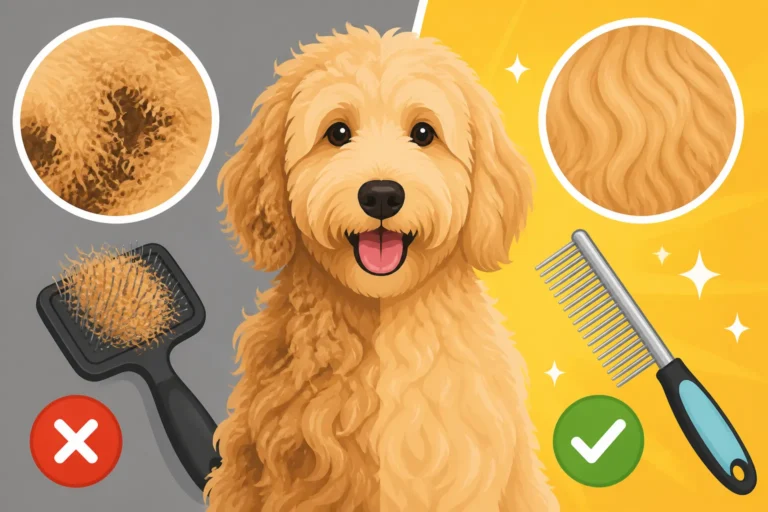
- Slicker Brush: This is your primary weapon against tangles. Look for one with fine, bent wire bristles that are firm but not sharp. It should be comfortable for you to hold. The slicker brush is designed to separate and detangle the hair.
- Metal Comb (Greyhound Comb): A good quality metal comb with both wide and fine teeth is crucial. After using the slicker brush, the comb is your "mat detector." If the comb glides through the coat easily from root to tip, you've done a good job. If it snags, you know there’s a tangle that needs more attention. It truly shows Why a Comb Finds Goldendoodle Mats a Brush Misses.
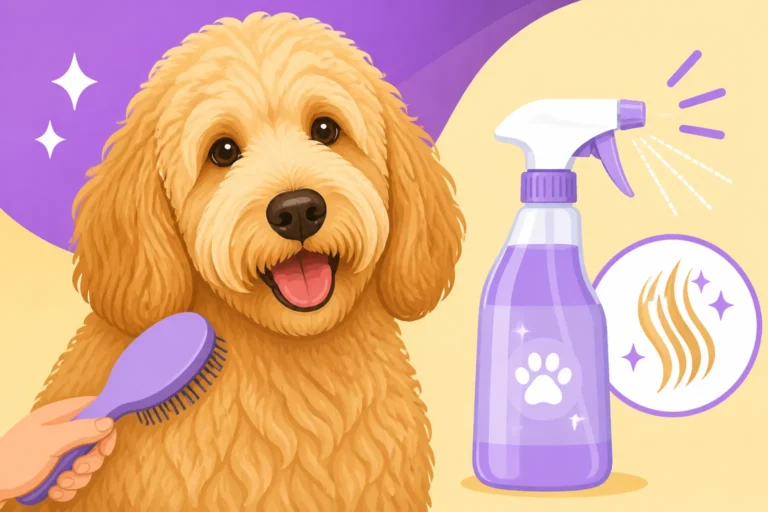
- Detangling Spray/Conditioner: This isn't just a luxury; it's a necessity. A good detangling spray (often available from brands like TropiClean or Earthbath) helps lubricate the hair, making it easier for the brush to glide through and preventing breakage. Never brush a dry coat, as it can cause static and further damage.
- Grooming Table (Optional but Recommended): For larger Goldendoodles, or for anyone whose back aches from bending over, a grooming table with a grooming arm can be a game-changer. It elevates your dog, making it easier to reach all areas and trains them to stand still.
Step-by-Step Line Brushing Technique
Line brushing isn't complicated, but it requires patience and consistency. The goal is to work in small sections, exposing the skin and ensuring the brush reaches all the way through the coat.
- Prepare Your Dog and Area: Find a calm, comfortable spot. Spritz your Goldendoodle's coat lightly with your detangling spray. Start with a relatively clean, dry dog. A short walk beforehand can help burn off some energy and make them more amenable to standing still.
- Sectioning is Key: Choose a starting point – many people begin with a leg or a paw, or sometimes the belly. Using your non-brushing hand, part the hair down to the skin, creating a small "line" of exposed skin. Hold the hair above this line firmly to keep it out of the way.
- Brush the Exposed Line: With your slicker brush, brush the hair in the exposed line, working outwards from the skin. Use gentle, swift strokes. The key here is to brush the hair up and away from the skin, gradually working through the section.
- Drop and Repeat: Once that small section is tangle-free, drop a little more hair from the section you're holding above, creating a new, slightly wider line. Repeat the brushing process. Continue this methodically, working your way across and down the chosen body part.
- Comb Check: After you've brushed a section with your slicker, take your metal comb and gently run it through the same section, from the skin out to the ends. If the comb glides smoothly, you're golden! If it snags, go back with your slicker brush and work out the tangle. This is critical for catching those hidden mats that the slicker might miss. This step will help you identify spots like Behind the Ears and the First Goldendoodle Mats or Armpit and Collar Mats on a Goldendoodle.
- Full Body Coverage: Work your way around your entire dog, section by section. Don't forget those tricky areas: ears, tail, sanitary areas, and especially the beard and mustache, which can get messy with food and drink.
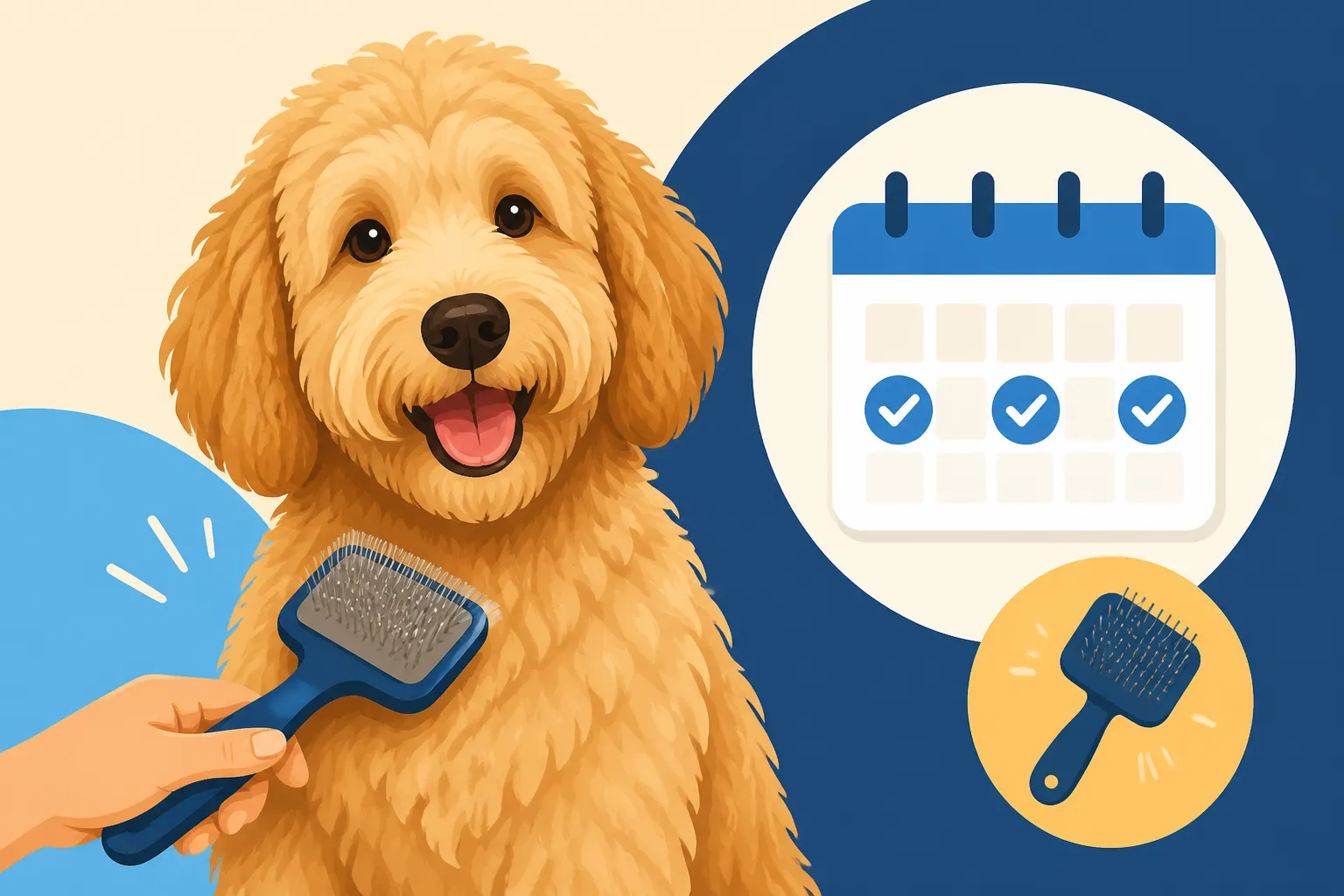
- Frequency: Aim to do this thorough line brushing at least three times a week. On the days in between, a quick once-over with the slicker brush, focusing on mat-prone areas, is also beneficial. Remember Why a Goldendoodle Mats in a Week Without Brushing – consistency is everything.
Making Brushing a Positive Experience (for both of you!)
Let's face it, some dogs are not thrilled about grooming. But consistent, positive training can turn brushing into a bonding experience rather than a battle.
- Start Early: If you have a puppy, start immediately. Even five-minute sessions with lots of praise and treats can make a huge difference. Handle their paws, ears, and tail gently. This is part of Training a Goldendoodle Puppy for the Grooming Table.
- Short and Sweet: Don't try to do a full, hour-long session if your dog is new to brushing. Start with 5-10 minutes, focusing on one manageable section, then reward them heavily and end the session. Gradually increase the duration as they become more comfortable.
- Treats, Treats, Treats: High-value treats are your secret weapon. Offer them frequently throughout the brushing session, especially when your dog is calm and cooperative.
- Praise and Affection: Use a calm, reassuring voice. Pet and praise your dog generously. Associate brushing with positive feelings.
- Be Gentle: Never yank or pull on tangles. If you encounter a mat, use your detangling spray, work gently at the edges with your slicker brush, and then use the wide teeth of your metal comb. For really stubborn ones, a mat splitter can help, but extreme caution is advised. If it's too difficult, it’s always better to call a professional groomer rather than cause pain. Working a Mat Out of a Goldendoodle Coat can be tricky, and patience is paramount.
- Consistency: The more often you brush, the less likely you are to encounter painful tangles, which in turn makes the experience more pleasant for your Goldendoodle.
| Goldendoodle Matting Hotspot | Why it Mats Here | Brushing Focus | Tool Check |
|---|---|---|---|
| Behind the Ears | Constant rubbing, fine hair, head movement | Lift ear flap, brush small sections up and out | Slicker brush, fine-tooth comb |
| Armpits / Groin | Friction from walking, thin skin | Dog on its back/side, gentle, short strokes | Slicker brush, wide-tooth comb |
| Under Collar/Harness | Continuous pressure and rubbing | Always remove gear first, brush against growth then with | Slicker brush, wide-tooth comb |
| Tail Base | Wagging motion, dense hair | Lift tail, brush in sections | Slicker brush, fine-tooth comb |
| Paws / Between Pads | Dirt, moisture, friction from walking | Spread paw pads, brush/comb hair away from pads | Small slicker, fine-tooth comb |
| Beard / Muzzle | Food, water, licking | Brush down, then up and out from skin, clean after meals | Small slicker, fine-tooth comb |
Beyond the Brush: Complementary Care for a Healthy Coat
While brushing is undeniably the cornerstone of Goldendoodle coat care, it’s not the only thing that contributes to a healthy, mat-free dog. A holistic approach, combining good nutrition, professional grooming, and smart troubleshooting, will ensure your Goldendoodle looks and feels their best.
The Role of Diet and Supplements in Coat Health
You are what you eat, and the same goes for your Goldendoodle! A healthy coat starts from within. Feeding a high-quality, balanced diet is fundamental to skin and coat health. Look for dog foods where meat is the first ingredient, and steer clear of excessive fillers. Some dog owners find success with fresh food delivery services like Ollie, which often prioritize nutrient-dense ingredients that can contribute to a shinier, healthier coat.
Beyond a good base diet, certain supplements can give your Goldendoodle's coat an extra boost. Omega-3 and Omega-6 fatty acids are particularly beneficial. These can come from sources like fish oil, flaxseed oil, or specific skin and coat supplements. They help promote healthy skin, reduce inflammation, and contribute to a lustrous coat that is less prone to dryness and breakage, which can make matting worse. Discuss with your vet which Omega Oils for a Goldendoodle Coat might be best for your individual dog, as dosage can vary by size and need. A well-nourished coat is stronger and more resilient, making it somewhat easier to brush through.
Strategic Professional Grooming
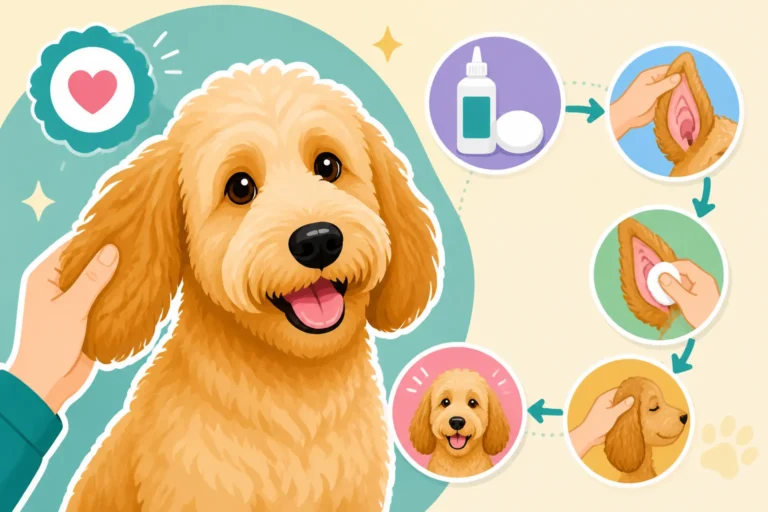
Even with the most diligent home brushing routine, professional grooming is indispensable for a Goldendoodle. Think of your home brushing as daily maintenance, and professional grooms as deep cleaning and styling. Goldendoodles generally need a professional groom every 6 to 8 weeks. This allows a skilled groomer to trim the coat, ensuring it stays at a manageable length, clean out difficult areas, and perform tasks like ear cleaning and nail trims that can be challenging at home.
When choosing a groomer, it's vital to find one experienced with Goldendoodles. Their unique coat requires specific handling, products (like the right Shampoo That Suits a Goldendoodle Coat), and techniques. A groomer who doesn't understand the coat type might inadvertently cause more matting or irritation. Regular professional grooming not only keeps your Goldendoodle looking sharp but also reinforces the positive association with being handled and brushed, making your at-home efforts more effective.
Dealing with Unexpected Mats and Troubleshooting
Despite your best efforts with three-times-a-week brushing, life happens. Your Goldendoodle might roll in something sticky, have an extra-long play session in the yard, or go for a swim that dries into a tangle. You might find a mat that seems to have appeared out of nowhere.
- Small, Isolated Mats: If you find a small, fresh mat, first try saturating it with detangling spray. Gently work it apart with your fingers, then use the tip of your slicker brush, followed by the wide teeth of your comb, starting from the outermost edge of the mat and working your way in. Never pull directly on the mat from the root.
- Stubborn or Large Mats: For mats that are tight, large, or close to the skin, resist the urge to tackle them with scissors. Cutting into a mat can be extremely dangerous, as Goldendoodle skin is thin and easily nicked, and you might not know where the skin ends and the mat begins. It's often safer to use a mat splitter, which is a tool designed to cut through the mat without going directly to the skin, allowing you to then brush out smaller pieces. However, if you’re at all unsure, or if the mat is causing discomfort, the best course of action is to call your professional groomer immediately. They have the experience and specialized tools to safely remove even the most severe mats, preventing pain and avoiding accidental injury. Sometimes, a mat simply Has to Be Shaved.
- Persistent Matting: If you find your Goldendoodle is matting excessively despite your diligent three-times-a-week brushing, reassess your tools and technique. Are you truly line brushing down to the skin? Is your slicker brush still effective? Perhaps their coat type has changed (this often happens between 8-12 months of age, when the puppy coat sheds out). In some cases, frequent matting can even be a sign of an underlying skin issue, so a vet visit might be warranted if you suspect discomfort beyond just the pulling of the mat.
Ultimately, brushing your Goldendoodle three times a week isn't just about appearances; it's a vital part of their health and well-being. It's a commitment, but one that rewards you with a happy, comfortable companion and a beautifully maintained coat.
Disclaimer
This article is for general informational purposes only and does not constitute professional advice. Laws, prices and regulations vary by location and change over time. Consult a qualified professional for guidance on your specific situation.