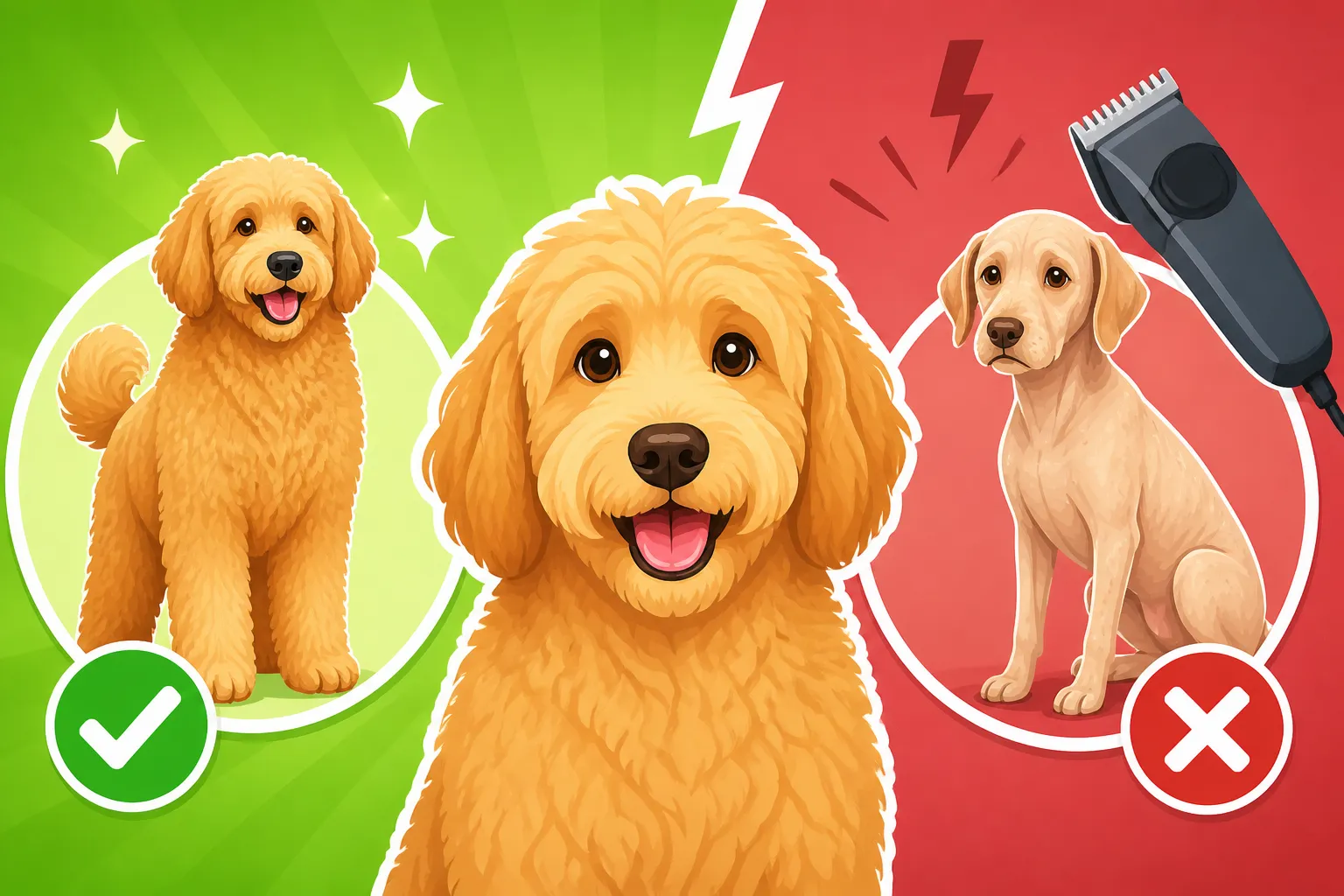
Whether Shaving Ruins a Goldendoodle Coat
Oh, the age-old question that sends shivers down the spine of many a Goldendoodle parent: "Will shaving my Goldendoodle ruin their coat forever?" It's a common fear, often fueled by well-meaning but sometimes misinformed advice, and it can leave you agonizing over grooming decisions. Let's be real, you love that fluffy, flowing coat, and the idea of irrevocably damaging it is terrifying. This guide is here to cut through the myths and give you the realistic, empathetic truth about what happens when a Goldendoodle's coat is shaved, helping you make informed decisions for your beloved furry friend.
Understanding Your Goldendoodle's Unique Coat Structure
Before we can even talk about shaving, we need to understand what kind of coat we're actually dealing with. Your Goldendoodle isn't just a dog; they're a beautiful genetic blend, and that blend directly impacts their fur.
The Golden Retriever and Poodle Influence
To truly grasp your Goldendoodle's coat, you have to look back at their parent breeds. On one side, you have the Golden Retriever, a dog famous for its luscious, water-repellent double coat. A Golden's coat consists of a dense, soft undercoat that provides insulation and a longer, coarser topcoat (or guard hairs) that repels water and protects against debris. This double coat is designed for work in cold water and requires specific care to maintain its function, primarily through shedding and brushing out the old undercoat.
Then, on the other side, you have the Poodle. Poodles have a single coat, meaning they lack that dense undercoat. Their hair is more akin to human hair; it grows continuously, doesn't shed much (hence the "hypoallergenic" appeal), and is naturally curly or wavy. This continuously growing hair is why Poodles require regular clipping to prevent matting and overgrowth. When you bring these two distinct coat types together, as we do in the Goldendoodle, you get a fascinating, often unpredictable, mix. While the goal is often to breed out the shedding Golden coat and lean into the Poodle's non-shedding qualities, the actual outcome can vary quite a bit. Many Goldendoodles inherit a coat that is closer to the Poodle's in texture and growth, which is why they tend to be lower-shedding. However, it’s not always a simple 50/50 split, and understanding What a Goldendoodle Inherits From Each Parent Breed can really help clarify expectations.
Identifying Your Goldendoodle's Coat Type
Goldendoodle coats aren't one-size-fits-all, and understanding your specific dog's fur type is paramount to its care. Generally, we categorize them into a few main types, even though there's a huge spectrum in between. You might hear terms like "flat," "wavy" (often called "fleece"), or "curly" (sometimes called "wool").
A "flat" coat Goldendoodle often looks more like a Golden Retriever, with straighter, sometimes longer hair, and they might shed more. These dogs often have less prominent "furnishings" – the longer hair on the face, beard, and legs that gives Goldendoodles their characteristic "doodle" look. The "fleece" coat is typically wavy or shaggy, soft to the touch, and usually low-shedding. This is the coat type many people associate with Goldendoodles. Lastly, the "wool" coat is very curly, dense, and often feels like a Poodle's coat. It's usually the least shedding type, but it's also the most prone to matting if not meticulously cared for. For a deeper dive, check out The Three Goldendoodle Coat Types and How to Tell Them. The key takeaway here is that none of these Goldendoodle coat types are truly "double-coated" in the same way a Husky or a German Shepherd is. While some F1 Goldendoodles might have a denser, fluffier coat that feels like it has an undercoat, it’s not the same genetic structure. This distinction is crucial because true double-coated breeds often have problems with proper regrowth after shaving, where the coarser guard hairs fail to come back properly, or the undercoat grows back thicker, disrupting temperature regulation. Goldendoodles generally don't face these same issues because their coat genetics are different.
What Happens When a Goldendoodle's Coat is Shaved Down
So, you've made the decision, or perhaps a severe matting situation has forced your hand. Your beloved Goldendoodle is getting a very short haircut. The immediate aftermath can feel a bit jarring, both for you and maybe even for your dog! But let's separate the myths from the reality of hair regrowth.
The Reality of Hair Regrowth
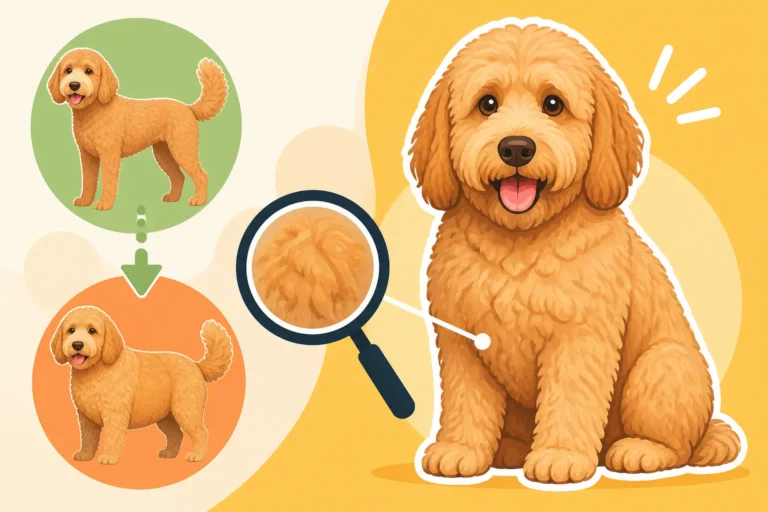
The biggest fear owners have is that shaving will "ruin" the coat, implying it will never grow back the same. This is where we need to remember basic biology. Shaving, at its core, is simply cutting the existing hair shaft. It doesn't magically alter the hair follicle buried in your dog's skin. Those follicles are genetically programmed to produce a certain type of hair, and that programming doesn't change just because the hair on top has been clipped short. Think of it like a haircut for a human. If you shave your head, your hair will grow back in the same color and texture it was before; it won't suddenly turn black and straight if it was blonde and curly.
What does happen, however, is that the new growth might feel different initially. When hair grows back after a very close shave, all the hairs are the same uniform length, and they haven't been exposed to environmental factors like sun, dirt, or friction from rubbing. This can make the coat feel softer, sometimes even thicker, or more cottony than it did before. It's often the soft, downy undercoat or the puppy coat texture growing out without the longer, more mature hair. Over time, as the coat grows out and matures, and is subjected to regular brushing and daily life, it usually returns to its natural texture. It might not be identical to the very first puppy fluff, but it certainly isn't "ruined" in a permanent, detrimental sense. This is a common misconception, leading to unnecessary stress for owners who feel guilty about needing to shave.
Potential Issues and Misconceptions
While shaving doesn't permanently ruin the coat, there are some valid concerns and common misconceptions worth addressing. One persistent myth, often stemming from advice for double-coated breeds, is the fear that "guard hairs" won't grow back. As discussed, Goldendoodles typically don't have true guard hairs like a Labrador or a Husky. Their coat is designed to grow continuously. So, you're not damaging a protective layer that won't regenerate.
However, shaving too short does introduce other risks. The most immediate is sunburn. Just like us, dogs can get sunburned, especially if their skin is suddenly exposed after being protected by a thick coat. This is particularly true for light-colored Goldendoodles. Another consideration is temperature regulation. A longer coat provides insulation, both from cold and heat. Shaving it very short means your dog will feel the cold more keenly and might also be more susceptible to overheating from direct sun exposure, as they lack that insulating barrier. Always monitor your dog closely after a very short cut, providing sweaters in winter and shade in summer. Furthermore, if the coat isn't properly maintained during regrowth, that soft, new hair can actually mat even faster than before. Without the length to comb through easily, tangles can form close to the skin and become incredibly difficult to remove. This is why continued, diligent brushing is critical even with a short coat. Lastly, the timing of a first shave often coincides with the "coat change" that Goldendoodles go through between 8 and 12 months of age. During this period, their soft puppy fur is being replaced by their adult coat, which is often denser and more prone to matting. Owners might attribute changes in texture or matting to the shave, when in reality, it's often the natural The Goldendoodle Coat Change at Eight to Twelve Months that's causing the difference.
| Myth About Shaving Goldendoodle Coat | Reality of Shaving Goldendoodle Coat |
|---|---|
| Myth: Shaving permanently damages the hair follicles. | Reality: Shaving cuts the hair shaft; it does not alter the follicle's genetic programming or ability to grow new hair. |
| Myth: The coat will grow back coarser, thicker, or patchier. | Reality: The new growth might feel different (softer, denser) initially due to uniform length and lack of environmental exposure, but the underlying texture capability remains the same. |
| Myth: Shaving prevents the dog from regulating its temperature. | Reality: Shaving too short reduces insulation, making the dog more susceptible to cold and sunburn. It doesn't prevent regulation but removes a protective layer. |
| Myth: Shaving ruins the "hypoallergenic" quality. | Reality: Allergy triggers (dander, saliva) are still present. Coat length doesn't change the underlying allergen production. |
| Myth: Matting will be worse after shaving. | Reality: If not brushed, the dense, uniform regrowth can mat easily. But consistent care can prevent this. |
| Myth: You should never shave a Goldendoodle. | Reality: Shaving is often necessary for severe matting, medical reasons, or can be a valid lifestyle choice for maintenance and comfort. |
When Shaving is a Necessary or Practical Option
Despite the common anxieties, there are entirely legitimate, and often crucial, reasons why a Goldendoodle's coat needs to be shaved. It's not always a choice born of ignorance, but often one made out of kindness and necessity.
Addressing Severe Matting
This is, by far, the most common reason a Goldendoodle might need a full shave-down. Goldendoodle coats, especially the wavy or curly types, are notorious for matting. These mats aren't just cosmetic; they can be incredibly painful and dangerous for your dog. Imagine having a tight knot constantly pulling at your skin, or a solid sheet of felt across your armpits that restricts movement. That's what severe matting feels like. Attempting to brush out extreme mats can be excruciating for the dog, causing skin irritation, bruising, and making them fearful of future grooming sessions.
In such cases, your groomer will almost certainly recommend a shave-down. It's not a punishment; it's the most humane and often the only practical solution. Mats can hide skin infections, hot spots, parasites, and even minor injuries. Removing the matted coat allows the skin to breathe, lets you easily check for underlying issues, and provides a fresh start for healthy regrowth. It's often disheartening for owners to see their fluffy friend shorn short, but it's important to remember that you're prioritizing their comfort and well-being over aesthetics. A professional groomer will always choose the path of least pain for your dog, and sometimes that means starting over. If you want to avoid this painful scenario, understanding Why a Goldendoodle Mats in a Week Without Brushing is really important.
Medical and Hygiene Reasons
Beyond just matting, there are several medical and hygiene-related situations where a shave becomes necessary, even if it's only a partial one. For instance, if your Goldendoodle needs surgery, parts of their coat will need to be shaved to prepare the surgical site and to allow for IV access. This is standard procedure, and the hair will grow back without issue.
More commonly, skin conditions might necessitate a shorter coat. If your Goldendoodle develops a severe skin allergy, a fungal infection, or recurrent hot spots, shaving the affected area (or even the entire body) can be incredibly beneficial. It allows medicated shampoos and topical treatments to reach the skin directly, promotes air circulation to help the skin heal, and makes it much easier for you or your vet to monitor the progress of the condition. For older dogs, or those with mobility issues or incontinence, a very short sanitary trim or even a full body shave can significantly improve their hygiene and comfort. It prevents urine and feces from accumulating in the fur, reduces odor, and makes cleaning much simpler for both you and your dog. These are all valid, health-driven reasons where the benefits of shaving far outweigh any aesthetic concerns. Sometimes, when a Goldendoodle mat has to be shaved, it's really the only safe option left.
Practicality and Lifestyle Choices
And then there's the simple fact that some owners just prefer a shorter coat! While the fluffy look is endearing, it’s also high-maintenance. For very active Goldendoodles who spend a lot of time outdoors, swimming, or hiking, a shorter cut can prevent burrs, debris, and mud from getting embedded in their fur. This can drastically reduce the time spent on daily grooming and make their outdoor adventures more enjoyable for everyone.
Similarly, in hot climates, a shorter coat can certainly make a Goldendoodle more comfortable, though it’s crucial to prevent sunburn by not shaving too close to the skin and providing plenty of shade. Many owners simply find a short, neat haircut easier to manage, especially if they have busy schedules. It’s a valid lifestyle choice, and it doesn't "ruin" the dog's coat any more than a person cutting their long hair short "ruins" their hair. As long as the dog is comfortable, protected from the elements, and their skin is healthy, choosing a practical, low-maintenance cut is perfectly acceptable.
Strategies to Maintain a Healthy Goldendoodle Coat Without Shaving
If your goal is to avoid a shave-down, particularly for matting, it's absolutely achievable with consistent effort. The key to a beautiful, healthy Goldendoodle coat lies in a proactive approach to grooming and care.
The Power of Consistent Brushing
This is the golden rule for Goldendoodle owners: frequent and thorough brushing. You cannot underestimate how quickly these coats can mat. It's not enough to just run a brush over the top of the coat; you need to get down to the skin. This technique is called line brushing, and it's essential for preventing mats. You essentially work in small sections, parting the hair and brushing from the skin out, slowly moving up the dog's body.
You'll need the right tools for the job. A good quality slicker brush (many excellent options are available on Amazon or Chewy) will help detangle and remove loose hair, while a metal comb with both fine and wide teeth is crucial for finding and working out smaller tangles close to the skin. Always use the comb after the slicker brush to ensure you haven't missed any knots. The frequency depends on your dog's coat type and length, but for most Goldendoodles, especially those with wavy or curly coats, brushing every other day, if not daily, is ideal. If you let it go for too long, say a week, those small tangles can quickly become formidable mats that require professional intervention, or even a shave. For a comprehensive guide, check out Brushing a Goldendoodle Often Enough to Stop Matting.
Professional Grooming Schedules
Even with diligent home brushing, professional grooming is non-negotiable for most Goldendoodles. Their hair grows continuously, and regular trims are vital for keeping mats at bay and maintaining a manageable length. Most Goldendoodle owners find that a professional groom every six to eight weeks works best. Any longer than that, and you're really pushing your luck with matting, especially in high-friction areas like behind the ears, armpits, and under the collar.
When you book your appointment, make sure to communicate clearly with your groomer about the desired length and style. Bring photos if it helps! A good groomer who understands Goldendoodle coats can advise you on the best length for your dog's specific fur type and lifestyle, balancing aesthetics with practicality. They can also provide a thorough bath, blow-dry, and tidy up areas you might miss at home, like paw pads and sanitary areas. It's an investment, but it's an investment in your dog's comfort and health. Learn more about the schedule in Booking a Goldendoodle Groom Every Six to Eight Weeks. Between professional visits, you can also use detangler sprays (many brands on Chewy and Amazon offer these) to help make home brushing easier and prevent knots from forming.
Nutritional Support for Coat Health
While external grooming is paramount, don't overlook the role of nutrition in maintaining a healthy coat. What goes into your Goldendoodle's body directly impacts the quality of their skin and hair. A high-quality, balanced diet provides the essential vitamins, minerals, and proteins necessary for strong, healthy hair growth.
Specifically, omega fatty acids are superstars for skin and coat health. Omega-3 and Omega-6 fatty acids can help reduce inflammation, improve skin hydration, and contribute to a shiny, resilient coat. You'll find these in good dog foods, or you can add supplements like fish oil. Some premium fresh dog food brands, like Ollie, often formulate their meals with these beneficial ingredients, ensuring your dog gets a well-rounded diet that supports overall health, including their magnificent coat. Always consult your vet before adding new supplements to your dog's diet, but know that a healthy inside often reflects a healthy outside! Supporting their coat from within can make it more resilient to tangles and look its very best.
Disclaimer
This article is for general informational purposes only and does not constitute professional advice. Laws, prices and regulations vary by location and change over time. Consult a qualified professional for guidance on your specific situation.