Goldendoodle Summer Cuts and Sunburn
Oh, summer! It's that wonderful time of year when we humans shed our layers and bask in the sunshine, and naturally, we look at our fluffy Goldendoodles panting away and think, "A haircut will fix everything!" It's a common, completely understandable impulse. We want our furry family members to be comfortable when the temperatures climb, but the truth about Goldendoodle summer cuts is a little more nuanced than just grabbing the clippers. This guide will walk you through the real risks of shaving your Goldendoodle too short for summer, including the often-overlooked danger of sunburn, and help you find the perfect balance to keep them cool, comfortable, and safe all season long.
Understanding the Goldendoodle Coat and Summer Heat
It’s easy to look at a thick, shaggy Goldendoodle coat and assume it's like wearing a winter parka in July. Our instinct tells us to get rid of all that hair to help them cool down. However, a Goldendoodle’s coat, especially the curlier types, actually plays a vital role in regulating their body temperature, acting as both insulation against cold and a barrier against heat and sun. When you drastically alter this natural protection, you can inadvertently create new problems.
The Double-Edged Sword of Insulation
Believe it or not, a Goldendoodle's coat, much like the fur of other breeds, isn't just there to keep them warm. It provides an insulating layer that helps regulate their body temperature in both cold and hot weather. In summer, this means it traps a layer of cooler air close to their skin, acting as a buffer against the intense outside heat. Think of it like the insulation in your house – it keeps the heat out in summer and in during winter. When you shave this down to the skin, you remove that protective layer, exposing them directly to the elements.
This is particularly true for Goldendoodles with straighter or wavier coats that might have more of a double-coat influence from their Golden Retriever lineage. While many Goldendoodles are bred for low-shedding Poodle-like coats, they still benefit from this natural temperature regulation. Taking it all off can leave them feeling hotter, not cooler, as their skin now absorbs direct sunlight. You can learn more about The Three Goldendoodle Coat Types and How to Tell Them to understand how your specific dog's fur works.
Why Drastically Short Cuts Aren't Always the Answer
Many owners mistakenly believe that the shorter the cut, the cooler the dog. While a well-maintained, shorter trim can certainly help manage shedding and keep a Goldendoodle tidier, a "shave down" (taking the coat extremely short, often to less than half an inch) can actually do more harm than good in sunny climates. Not only does it strip away their natural insulation, but it also leaves their skin vulnerable. Their skin is much more delicate than you might think, lacking the melanin protection that human skin has in abundance.
When you remove the dense coat that normally shields their skin, you're essentially stripping away their primary defense against ultraviolet (UV) radiation. This is where the risk of sunburn, a surprisingly common issue for drastically shorn Goldendoodles, comes into play. It's a careful balance, isn't it? Wanting them to be comfortable but not realizing the hidden dangers of our well-intentioned efforts.
The Risks of Sunburn and Coat Damage
The primary concern with overly short summer cuts for Goldendoodles is sunburn. Just like us, dogs can get painful, damaging sunburns, especially if they have lighter skin under their fur. Beyond immediate discomfort, repeated sunburn can lead to serious long-term health issues.
Sunburn: More Than Just a Red Patch
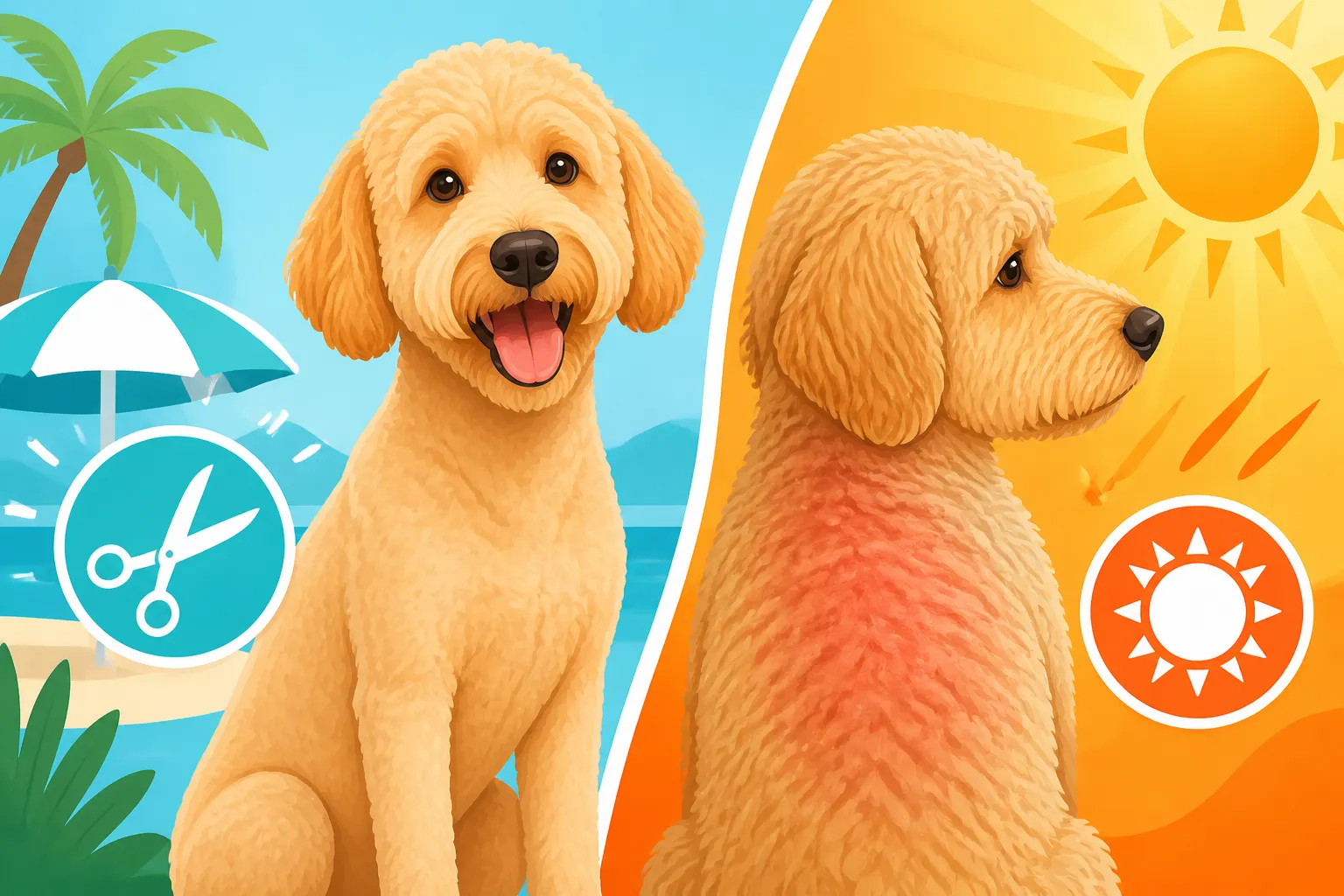
When a Goldendoodle's coat is cut too short, particularly areas with thinner hair like the belly, groin, ears, and nose bridge, their skin is directly exposed to the sun's harsh UV rays. This isn't just about a little pinkness; a severe sunburn can manifest as:
- Redness and inflammation: Their skin will become visibly red and feel hot to the touch, similar to a human sunburn.
- Pain and tenderness: Your Goldendoodle might flinch when touched, show discomfort, or even scratch excessively at the affected areas.
- Blistering and peeling: In severe cases, the skin can blister and then peel, leading to open wounds that are prone to infection.
- Heatstroke risk: While not a direct result of sunburn, a severely shorn dog loses some of its natural thermal regulation, increasing the overall risk of overheating and heatstroke in intense summer conditions.
Think about how miserable you feel after a bad sunburn; your Goldendoodle feels the same, but they can't tell you directly. They might just seem lethargic, irritable, or try to hide from the sun.
Long-Term Health Concerns from Sun Damage
The consequences of repeated sun exposure on a Goldendoodle's unprotected skin extend far beyond immediate discomfort. Over time, UV damage can lead to:
- Skin cancer: This is a very real and serious risk. Melanoma, squamous cell carcinoma, and hemangiosarcoma are types of skin cancer that can be exacerbated by chronic sun exposure. Dogs with lighter pigmentation are particularly susceptible.
- Premature aging of the skin: Just like in humans, sun damage can cause the skin to become thicker, less elastic, and more prone to various dermatological issues later in life. This can also contribute to Goldendoodle Skin and Coat Disease over time.
- Compromised coat regrowth: In some cases, shaving a Goldendoodle's coat too short can damage the hair follicles, leading to what's often called "clipper alopecia" or "post-clipping alopecia." This means the fur might grow back slowly, patchily, or even with a different texture, becoming coarser or more brittle. This can be heartbreaking for owners who love their Goldendoodle's characteristic soft coat. Whether Shaving Ruins a Goldendoodle Coat is a common concern that stems from these experiences.
Identifying Sunburn on Your Goldendoodle
Spotting sunburn on a fluffy Goldendoodle, even with a shorter cut, can be tricky. You need to be diligent, especially if your dog spends a lot of time outdoors.
Look for these signs:
- Redness: Check areas with less hair or lighter skin pigmentation – the bridge of the nose, ear tips, belly, inner thighs, and anywhere the hair is sparse.
- Warmth to the touch: The skin might feel unusually warm or even hot.
- Tenderness: Your Goldendoodle might pull away or vocalize when you try to pet or examine affected areas.
- Excessive licking or scratching: They might be trying to soothe the irritated skin.
- White or flaky patches: As the sunburn heals, the skin may begin to peel.
If you suspect sunburn, gently cool the area with a damp, cool cloth, and contact your vet. They can recommend appropriate soothing treatments or assess for more serious damage or infection.
Smart Summer Grooming: Finding the Right Balance
So, what's a Goldendoodle parent to do? The goal is to keep them cool and comfortable without compromising their natural defenses. The answer lies in finding the right length for their summer cut and maintaining it properly.
The Ideal Summer Cut Length
Instead of shaving down to the skin, aim for a length that still offers protection. For most Goldendoodles, leaving at least 1-2 inches of coat length is a good starting point. This length is usually short enough to reduce matting and keep them cooler, yet long enough to provide a barrier against the sun's rays and maintain that vital layer of insulation.
A popular choice is the "teddy bear cut" or a practical "sporting clip." These styles typically leave the body hair at a manageable length while still shaping the face and legs. Talk to your groomer about what "a half-inch trim" or a "one-inch trim" means for your dog's coat type and density. They can guide you on the best length. Asking for a Half Inch Goldendoodle Trim is a common request, but ensure you understand the implications of even that length for sun protection.
Here's a quick comparison of common summer cut approaches:
| Cut Length | Description | Pros | Cons | Sunburn Risk | Coat Regrowth Risk |
|---|---|---|---|---|---|
| Shave Down | < 0.5 inches, close to the skin | Maximum heat exposure (not necessarily cooling), minimal matting | No sun protection, exposes delicate skin, can damage follicles | High | High (clipper alopecia) |
| Short Summer Cut | 0.5 – 1 inch | Noticeably cooler, less matting than longer cuts, easier to maintain | Moderate sun exposure on very fair skin, less insulation than longer coats | Medium | Low |
| Medium Summer Cut | 1 – 2 inches (e.g., "Teddy Bear" or "Sporting") | Good balance of cooling and protection, still easy to brush, classic look | Still requires regular brushing to prevent mats | Low | Very Low |
| Longer Trim | 2+ inches | Best natural protection, maintains full coat appearance | Requires very frequent and thorough brushing, can still be hot | Very Low | None |
Remember, every Goldendoodle's coat is a little different, and what works for one might not be ideal for another. Factors like coat texture (wavy, curly, straight), color, and skin pigmentation all play a role.
Grooming Frequency and Maintenance
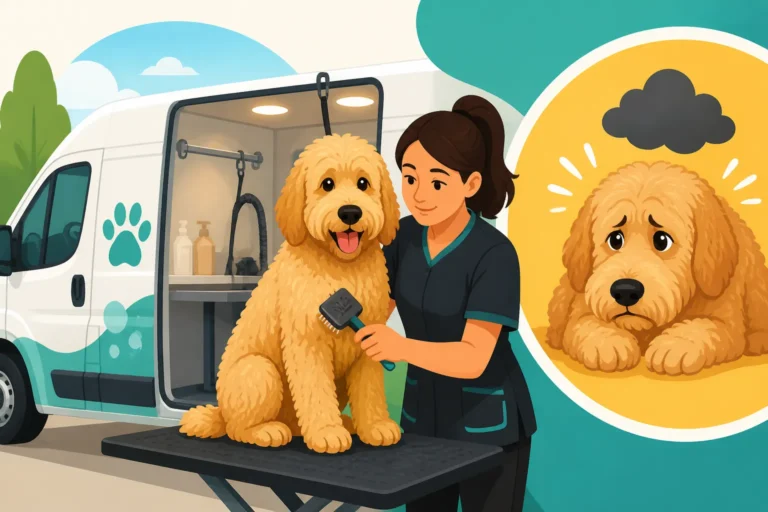
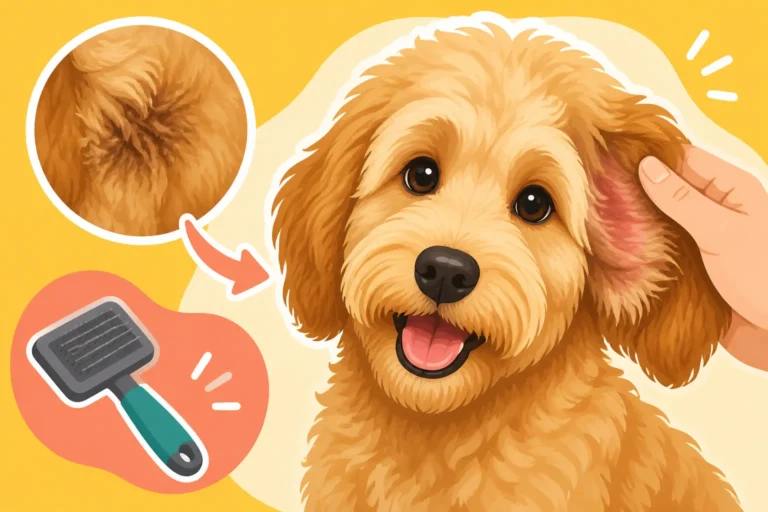
Even with a shorter summer cut, regular grooming is essential. Aim to brush your Goldendoodle several times a week, if not daily, to prevent tangles and mats that can quickly form, even on shorter hair, and trap heat. Matted hair can also prevent air circulation, defeating the purpose of a shorter cut. You'll want to ensure you have The Slicker Brush and Comb a Goldendoodle Needs on hand.
Professional grooming appointments should still be scheduled every 6-8 weeks to keep the length consistent and address any developing issues. Your groomer can also check for skin irritations that you might miss. It's important to stick to a schedule, as Booking a Goldendoodle Groom Every Six to Eight Weeks helps maintain their coat health year-round.
Essential Care Beyond the Clippers
A smart summer cut is just one piece of the puzzle. Protecting your Goldendoodle from the summer sun and heat requires a multi-faceted approach, including sun protection, hydration, and mindful activity planning.
Sunscreen for Dogs: A Must-Have in Summer
Yes, dog sunscreen exists, and it's something every Goldendoodle owner with a shorter summer cut should consider! Especially if your dog has pink skin, a light-colored coat, or enjoys lounging in sunny spots. Look for a pet-specific sunscreen with an SPF of 15 or higher. Human sunscreens can contain ingredients that are toxic to dogs if ingested, so stick to products designed for canines.
Apply sunscreen to vulnerable areas about 20 minutes before sun exposure:
- Ear tips
- Bridge of the nose
- Belly (especially if they love to sunbathe on their back!)
- Inner thighs
- Any areas where the fur is thin or missing.
You can often find dog-safe sunscreens on platforms like Chewy or Amazon. Remember to reapply after swimming or extended periods outdoors, just like you would for yourself.
Hydration and Cooling Strategies
Beyond sunscreen, keeping your Goldendoodle hydrated and cool is paramount during the summer months.
- Fresh Water Access: Always ensure they have access to fresh, cool water, both indoors and outdoors. Consider adding ice cubes to their bowl to keep it cooler longer or using a portable water bottle and bowl when you're out and about.
- Shade: Provide ample shade whenever your Goldendoodle is outside. If you don't have natural shade, a pop-up canopy or umbrella can be a lifesaver.
- Cooling Products: Cooling vests, bandanas, and elevated cooling beds can also help. These products often use evaporative cooling technology or gel inserts to draw heat away from your dog's body. Look for highly-rated options on Amazon.
- Timing Walks: Adjust your walking schedule to avoid the hottest parts of the day. Early mornings and late evenings are best. Not only is the air cooler, but the pavement or ground is also less scorching, preventing painful paw pad burns. This also ties into Goldendoodle Exercise for Body and Mind, as you still need to provide mental and physical stimulation without overheating them.
- Baths: Regular baths with a good quality dog shampoo can help keep their skin healthy and free of irritants, especially after swimming or rolling in the dirt. Make sure to use a Shampoo That Suits a Goldendoodle Coat and dry them thoroughly to prevent matting and skin issues. Drying a Goldendoodle Coat Properly is crucial after any bath.
- Monitor for Overheating: Even with the best precautions, always be vigilant for signs of overheating, such as excessive panting, drooling, lethargy, or stumbling. If you notice these, get your Goldendoodle into a cool environment immediately and offer water, contacting your vet if symptoms persist. This is especially important for dogs prone to Whether a Curly Goldendoodle Overheats in Summer.
By combining thoughtful grooming choices with proactive sun protection and cooling strategies, you can ensure your Goldendoodle enjoys a comfortable, safe, and fun-filled summer, no matter how much the sun shines.
Disclaimer
This article is for general informational purposes only and does not constitute professional advice. Laws, prices and regulations vary by location and change over time. Consult a qualified professional for guidance on your specific situation.