What a Goldendoodle Should Never Eat
It’s a terrifying moment for any Goldendoodle parent: you walk into the kitchen to find your furry friend happily munching on something they absolutely shouldn't have. Our Goldendoodles, with their eager-to-please nature and often indiscriminate appetites, can sometimes get themselves into serious trouble, turning what seems like a harmless snack into a veterinary emergency. This comprehensive guide is here to walk you through the most dangerous foods your Goldendoodle should never eat, offering practical tips for prevention and what to do if the worst happens.
The Silent Dangers in Your Pantry: Common Human Foods Toxic to Goldendoodles
Our homes are filled with foods that are perfectly safe, even healthy, for us. But for our beloved Goldendoodles, many everyday items can be profoundly toxic, sometimes even deadly. It’s not just about keeping things out of reach; it's about understanding why these items are harmful so you can make informed decisions and keep your curious canine companion safe. The frustration of trying to police every crumb, every dropped morsel, is real, but knowing the worst offenders gives you a powerful advantage.
Chocolate and Caffeine: More Than Just a Sugar Rush
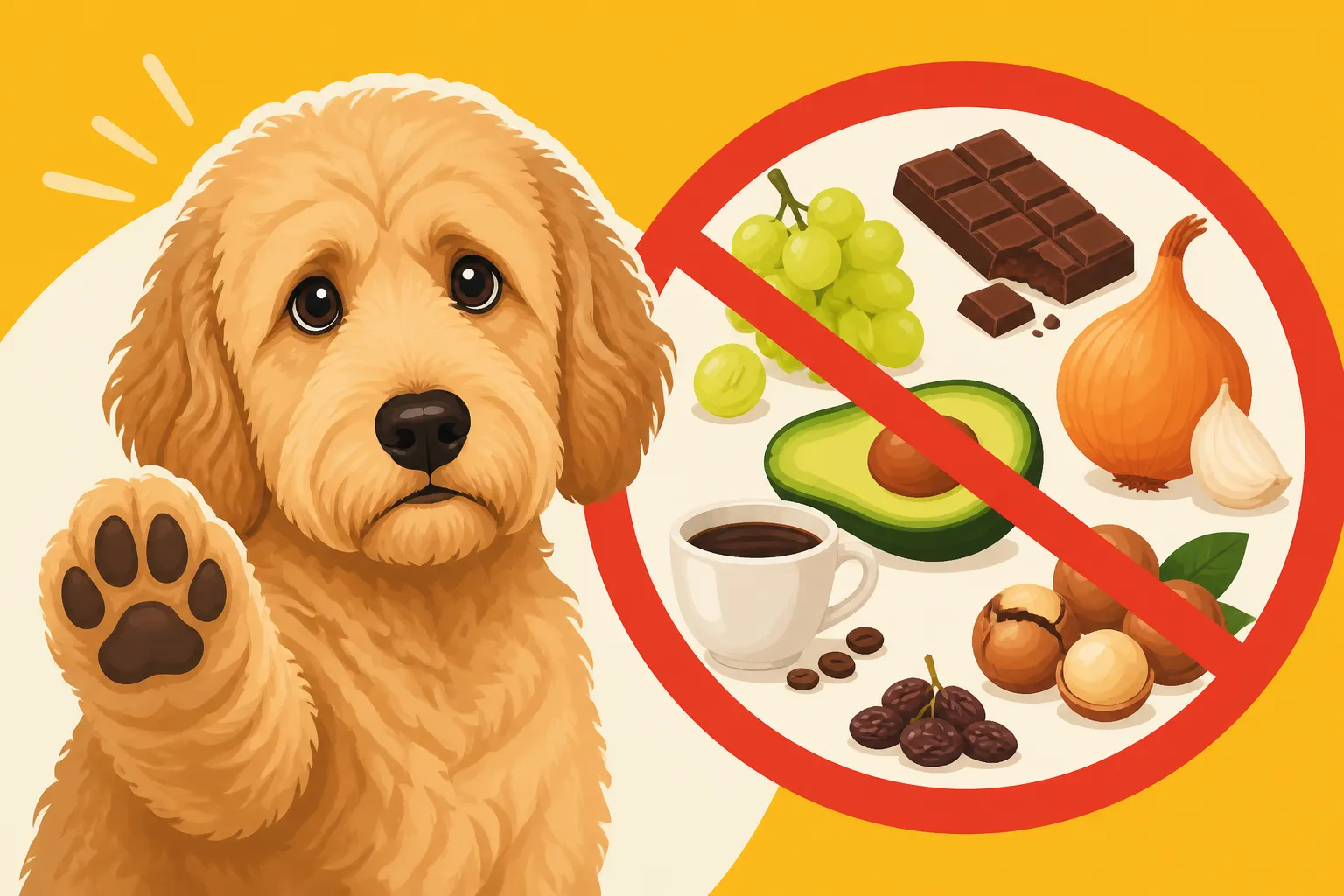
We all love our chocolate, whether it's a rich dark bar or a comforting milk chocolate treat. But for Goldendoodles, chocolate is far from a treat. It contains theobromine, a stimulant similar to caffeine, which dogs process much more slowly than humans. This means it can build up to toxic levels in their system, leading to a range of severe symptoms. The darker the chocolate, the more concentrated the theobromine, making baker's chocolate and cocoa powder particularly dangerous. Even a small amount of dark chocolate can cause significant problems for a smaller Goldendoodle.
The effects of chocolate poisoning can range from mild digestive upset like vomiting and diarrhea, to hyperactivity, tremors, seizures, and even cardiac arrest in severe cases. It’s not a risk worth taking. Similarly, caffeine in coffee, tea, energy drinks, or even some medications, presents the same dangers. Many Goldendoodles are naturally drawn to sweet smells, and a forgotten chocolate bar on the coffee table is a prime target for a nimble nose and mouth. You might think, "Oh, it's just a little piece," but that "little piece" can have an outsized impact on a dog's sensitive system.
Grapes, Raisins, and the Mystery of Kidney Failure
This one remains baffling to veterinary science because the exact toxic agent in grapes and raisins is still unknown. What we do know, however, is that even a small handful can lead to acute kidney failure in dogs. The individual sensitivity varies wildly; some dogs might eat a few and be fine, while others could suffer severe, irreversible damage from just one or two. This unpredictable nature makes grapes and raisins one of the most insidious dangers in your kitchen.
Symptoms of grape or raisin toxicity often begin with vomiting, lethargy, and diarrhea within hours of ingestion. As kidney function declines, you might see increased thirst and urination, followed by a decrease in urine production, which is a critical sign of kidney failure. It’s a terrifying progression that can leave owners feeling helpless, especially since the mechanism isn't fully understood. Always err on the side of extreme caution. If your Goldendoodle so much as sniffs a dropped grape, consider it an emergency. This is one of those times when The First Call After a Goldendoodle Eats Something is absolutely critical.
Xylitol: A Sweetener's Deadly Secret
Xylitol is a natural sugar alcohol often used as a sugar substitute in a wide variety of "sugar-free" products, including chewing gum, mints, candies, baked goods, toothpaste, and even some peanut butters. While harmless to humans, xylitol is incredibly toxic to dogs. When ingested, it causes a rapid and severe release of insulin from the pancreas, leading to a sudden and dangerous drop in blood sugar (hypoglycemia). This can happen within 15-30 minutes of consumption and can quickly become life-threatening.
Symptoms of xylitol poisoning include vomiting, weakness, staggering, collapse, and seizures. In higher doses, it can also lead to severe liver damage and liver failure, which can be fatal. Given its widespread use and how tempting many xylitol-containing products are to dogs, it’s crucial to be vigilant. Always check ingredient labels for "xylitol" or "birch sugar" – especially on peanut butter, a common treat used for Kongs or medication delivery. If you're ever in doubt about an ingredient, it's safer to avoid it entirely.
Onions, Garlic, and Chives: Flavorful but Fatal
These aromatic kitchen staples might add delicious flavor to our meals, but they belong to the Allium family, which is highly toxic to Goldendoodles and other dogs. Onions, garlic, chives, and leeks contain compounds that can damage a dog's red blood cells, leading to a condition called hemolytic anemia. This means their red blood cells are destroyed faster than they can be produced, hindering the blood's ability to carry oxygen throughout the body.
Symptoms might not appear immediately, sometimes taking a few days to develop, which can make diagnosis tricky. Look for lethargy, weakness, pale gums, rapid breathing, and dark urine. Garlic, surprisingly, is often considered more potent than onions. It's not just the raw forms that are dangerous; cooked, powdered, or dried forms (like those found in onion powder or garlic powder) are equally harmful, if not more concentrated. This means that table scraps like pizza crusts, spaghetti sauce, or leftover stir-fries can pose a serious risk.
Beyond the Obvious: Lesser-Known Toxic Foods and Ingredients
While chocolate and grapes are fairly well-known dangers, there's a whole host of other seemingly innocuous foods that can spell trouble for your Goldendoodle. Sometimes, it's not just about the specific ingredient, but the way certain foods interact with a dog's unique digestive system. Understanding these less obvious threats can prevent a stressful, expensive vet visit and keep your Goldendoodle healthy and happy. Goldendoodle Vomiting and When It Matters can often be the first clue that something isn't right after they've gotten into something they shouldn't.
Avocado: A Pitfall for Pups
Avocados contain a fungicidal toxin called persin. While generally safe for humans (unless you have an allergy, of course!), persin can be toxic to many animals, including dogs, birds, and horses. For dogs, large amounts of persin can cause vomiting and diarrhea. However, the biggest danger with avocado actually comes from the pit. Goldendoodles, especially the larger standard sizes, might try to swallow the pit whole.
An avocado pit is a significant choking hazard. If swallowed, it can also cause a dangerous obstruction in the digestive tract, potentially requiring emergency surgery. Even if your Goldendoodle is smaller and the pit isn't a direct choking risk, it can still get stuck. It’s best to keep avocados, pits and all, far away from your Goldendoodle. While the flesh might only cause mild upset in small quantities, the risk of a foreign body obstruction is simply not worth it.
Macadamia Nuts: The Paralysis Inducer
Macadamia nuts are another puzzling toxic food for dogs, as the specific mechanism of toxicity is still unknown. What is clear is that even a small amount of these nuts can cause severe symptoms in Goldendoodles. Within 12 to 24 hours of ingestion, dogs can develop weakness, tremors, vomiting, fever, and depression. They might struggle to walk, appearing wobbly or even paralyzed, particularly in their hind legs.
While macadamia nut poisoning is rarely fatal, it's incredibly distressing for both the dog and the owner. The symptoms can last for a day or two, and prompt veterinary attention is needed to manage the discomfort and ensure recovery. These nuts are often found in cookies, trail mixes, and other baked goods, making them a sneaky danger if left unsupervised. Always check ingredient lists on human snacks before sharing, or better yet, keep all human treats separate.
Alcohol: A Human Treat, a Canine Catastrophe
It might seem obvious, but any form of alcohol is incredibly dangerous for dogs. Alcohol, whether in beverages, food, or even fermented fruit, is absorbed rapidly into a dog's bloodstream and can cause severe drops in blood sugar, body temperature, and blood pressure. Dogs are much more sensitive to the effects of alcohol than humans, and even a small amount can be toxic.
Symptoms of alcohol poisoning include vomiting, disorientation, incoordination, depression, tremors, difficulty breathing, and coma. In severe cases, it can be fatal. Never leave alcoholic drinks unattended where your Goldendoodle could get to them, and be extremely cautious with foods containing alcohol. This includes vanilla extract, which has a high alcohol content, and even raw yeast dough, which can ferment in the stomach and produce alcohol (more on that below!).
Yeast Dough: Rising Problems in Their Tummy
Raw yeast dough, the kind you might leave on the counter to rise before baking bread or pastries, presents a double threat to Goldendoodles. Firstly, the warm, moist environment of a dog's stomach is an ideal place for yeast to continue to rise. As the dough expands, it can cause severe bloat, a painful and potentially life-threatening condition where the stomach distends and can even twist. Bloat Warning Signs in a Standard Goldendoodle are something every owner, especially of a larger Goldendoodle, should know by heart, and yeast dough can certainly trigger it.
Secondly, as the yeast ferments, it produces alcohol. This means your Goldendoodle could suffer from alcohol poisoning in addition to severe gastrointestinal distress. Symptoms include a distended abdomen, vomiting, weakness, disorientation, and signs of alcohol toxicity like staggering. If your Goldendoodle has ingested raw yeast dough, it is an absolute emergency and requires immediate veterinary attention.
The Hidden Hazards: Foods That Aren't Directly Toxic but Still Dangerous
Not every dangerous food item is poisonous in the traditional sense. Some foods, while not containing specific toxins, can cause severe physical harm or extreme digestive upset due to their composition or how a dog's body processes them. These are the kinds of dangers that often catch well-meaning owners off guard, leading to panicked trips to the emergency vet. It's about recognizing that what's good for us isn't always good for them, especially when it comes to the structure of food.
Bones: Splinters, Blockages, and Dental Damage
There’s a common misconception that giving dogs bones is a natural and healthy treat. While dogs can eat some raw, appropriate bones under supervision, cooked bones (from your dinner plate, like chicken, turkey, or steak bones) are extremely dangerous. Cooking makes bones brittle, causing them to splinter easily into sharp fragments. These fragments can cause devastating damage, including lacerations to the mouth and esophagus, internal punctures, or severe blockages in the digestive tract.
Even raw bones come with risks. Small bones can be swallowed whole and become a choking hazard. Larger raw bones can chip teeth, leading to painful fractures that require expensive dental work. The safest approach is to avoid giving your Goldendoodle any bones, cooked or raw, that aren't specifically designed and tested for canine consumption. Instead, opt for durable, vet-approved chews. For Goldendoodles, especially smaller ones, Goldendoodle Dental Crowding in the Smaller Sizes can be a factor, making certain hard chews more risky for their mouths.
Fatty Foods and Pancreatitis Risk
We all love a bit of indulgence, and sometimes that extends to sharing a bit of our rich, fatty meals with our Goldendoodles. However, foods high in fat – think bacon grease, fatty meat trimmings, fried foods, or excessive butter – can cause severe inflammation of the pancreas, a condition known as pancreatitis. The pancreas is responsible for producing digestive enzymes and hormones like insulin, and when it becomes inflamed, it can be incredibly painful and dangerous.
Pancreatitis symptoms include severe abdominal pain, vomiting, diarrhea, lethargy, and loss of appetite. It often requires hospitalization for pain management, intravenous fluids, and close monitoring. Some Goldendoodles may be more prone to it than others, but it's a risk for any dog. It’s far better to keep the fatty deliciousness on your plate and offer your Goldendoodle a lean, dog-appropriate treat instead. Keeping your Goldendoodle at a healthy weight also significantly reduces the risk of such issues, so always consider Daily Calories by Goldendoodle Size Category.
Corn Cobs and Other Choking Hazards
While corn kernels themselves aren't toxic to dogs in moderation, the corn cob is a notorious choking and obstruction hazard. A Goldendoodle, with its strong jaws and enthusiasm for chewing, can easily break off pieces of the cob or even try to swallow a larger section. The irregular shape and indigestible nature of a corn cob make it perfect for getting lodged in the esophagus, stomach, or intestines.
Just like avocado pits and cooked bones, corn cobs often require emergency surgical intervention to remove. Other common choking hazards include small toys, certain types of rawhide that soften and become sticky, and even large chunks of ice. Always supervise your Goldendoodle when they are chewing on anything new, and choose toys and treats that are appropriately sized and durable for their chewing style.
Dairy Products: More Tummy Troubles Than Treats
A little bit of plain yogurt or a tiny piece of cheese might seem like a harmless treat, and for some Goldendoodles, it is. However, many dogs, just like some humans, are lactose intolerant. Their digestive systems lack sufficient lactase, the enzyme needed to break down lactose, the sugar found in milk and dairy products.
Ingesting dairy can lead to gastrointestinal upset, including diarrhea, vomiting, and abdominal pain. While not typically life-threatening, it can be very uncomfortable for your Goldendoodle and messy for your home. It's usually best to avoid offering large quantities of dairy. If you do offer a small amount, start with a tiny piece and monitor for any adverse reactions. Plain, unsweetened yogurt with live cultures might be tolerated better than milk or ice cream.
Navigating Your Kitchen: Preventing Accidental Ingestion
Prevention is truly the best medicine when it comes to keeping your Goldendoodle safe from toxic or dangerous foods. It’s an ongoing process, requiring vigilance, consistent training, and clear communication with everyone in your household. Goldendoodles, with their intelligent and often curious nature, can be surprisingly adept at getting into places you thought were secure. The challenge is real, especially with a dog that has The Goldendoodle Temperament Owners Describe – often friendly, sometimes mischievous, and very food-motivated!
Secure Storage: Out of Sight, Out of Paw's Reach
This is the cornerstone of prevention. If your Goldendoodle can't access it, they can't eat it. Think like your dog: what's at nose level? What can they reach if they stand on their hind legs? What can they knock off a counter with a playful swipe of their tail? All toxic foods, medications, and even small household items should be stored in secure containers, high cupboards, or locked pantries.
Consider getting dog-proof trash cans with secure lids that can't be easily tipped over or opened. Even compost bins can be dangerous, as fermenting food can produce alcohol. Keep your kitchen counters clear, especially after cooking or baking. It only takes a second for a determined Goldendoodle to snatch a dropped ingredient or swipe something off the edge of a table. Investing in a good pantry organization system or baby-proofing latches for cabinets can make a huge difference.
Counter Surfing: Training and Management
Goldendoodles are often tall, especially the standard sizes, and their retriever heritage makes them adept at using their noses. Counter surfing is a common, frustrating behavior. It’s not just about stealing food; it’s about the risk of ingesting something toxic or breaking something dangerous. Training your Goldendoodle not to jump on counters requires patience and consistency.
Start with basic obedience: "leave it" and "off" commands are invaluable. Reward your Goldendoodle for keeping "four paws on the floor" whenever you're in the kitchen. If training alone isn't enough, consider management strategies. This might mean crating your Goldendoodle or using a baby gate to keep them out of the kitchen during meal prep or when you can't supervise directly. Never leave tempting food items on the counter, even for "just a minute." For persistent counter surfers, professional training might be beneficial. If your Goldendoodle is prone to A Goldendoodle That Rushes the Door for Packages, they might also be prone to rushing counters for food.
Educating the Whole Family and Guests
Everyone who interacts with your Goldendoodle needs to be aware of the rules. This includes children, partners, roommates, and even guests. What seems like a harmless treat from the table can be deadly. Post a list of forbidden foods on your fridge or in a visible spot in the kitchen as a reminder.
Children, in particular, need clear boundaries. Teach them never to feed the dog from their plates or offer "samples" of their snacks. Explain why certain foods are dangerous, not just that they are forbidden. For guests, a polite request to "please not feed our dog anything, as they have a sensitive stomach" usually suffices. If you have younger children, consider a playpen for your Goldendoodle during mealtimes to ensure no dropped food is accidentally ingested. This collective effort is vital for keeping your Goldendoodle safe.
Emergency Preparedness: What to Do If They Eat Something Bad
Despite all your best efforts, accidents can happen. A dropped piece of chocolate, a forgotten bag of grapes, or a sneaky dive into the trash can. Knowing what to do in an emergency can save your Goldendoodle's life. Don't panic, but act quickly.
First, identify what your Goldendoodle ate and, if possible, how much. Collect any packaging or remaining evidence. Second, immediately call your veterinarian or an emergency veterinary clinic. Have the information about the ingested substance ready. They can advise you on whether to induce vomiting, which is only safe under veterinary guidance and sometimes contraindicated. Third, do not try to "wait and see." Time is often critical with toxins. For more detailed steps, refer to The First Call After a Goldendoodle Eats Something. Keep your vet's number, as well as the number for a pet poison control center, readily accessible.
Understanding Your Goldendoodle's Unique Sensitivities
Goldendoodles are wonderful dogs, but like all breeds and crosses, they come with their own set of potential sensitivities and health considerations that can be exacerbated by inappropriate food. It’s not just about outright poisoning; it’s about their overall well-being and managing conditions that their genetics might predispose them to. Understanding these nuances helps you make smarter choices about what they eat and how they eat it.
Goldendoodle Gut Health and Digestive Upset
Many Goldendoodles can have sensitive digestive systems. This isn't necessarily a breed-specific ailment but often stems from their Golden Retriever and Poodle lineage, both of which can be prone to various gastrointestinal issues. Feeding them human foods that are too rich, spicy, or simply unfamiliar can easily throw their gut flora out of balance, leading to uncomfortable and messy digestive upset.
Symptoms like chronic diarrhea, vomiting, gas, and abdominal pain can become a recurring nightmare for both pet and owner. Over time, consistent dietary indiscretion can contribute to more serious conditions like inflammatory bowel disease. It’s important to stick to a consistent, high-quality dog food that is appropriate for their life stage and size. If your Goldendoodle is experiencing frequent digestive issues, it's worth discussing it with your vet, as it might be a sign of underlying food sensitivities or allergies, which can sometimes manifest as Goldendoodle Allergies and Itchy Skin.
Weight Management and the Hidden Calories
Goldendoodles are often active and have healthy appetites, but they can also be prone to weight gain if their caloric intake isn't carefully managed. Their thick, often curly coats can sometimes hide a creeping weight gain, making it harder to notice until it's become a significant problem. Sharing human food, even seemingly small amounts, can quickly add extra calories that your Goldendoodle doesn't need.
Obesity in Goldendoodles, as in humans, can lead to a cascade of health problems: increased risk of joint issues like hip and elbow dysplasia, heart disease, diabetes, and a shortened Goldendoodle Lifespan and What a Cross Really Buys You. It also puts extra strain on their joints, which are already vulnerable for many Goldendoodles. Regularly assessing your Goldendoodle's body condition and adjusting their food intake and exercise is crucial. Remember to count all treats and chews into their daily caloric allowance. If you're wondering how much your Goldendoodle should eat, a great resource is Feeding a Goldendoodle by Size Category.
Dental Crowding and Food Trapping
While not directly about toxic foods, the structure of a Goldendoodle's mouth, particularly in the smaller varieties, can make them more susceptible to dental problems if they're eating certain types of human food or treats. Smaller Goldendoodles can sometimes inherit the larger teeth of a Standard Poodle or Golden Retriever but have the smaller jaw of a Miniature Poodle. This can lead to Goldendoodle Dental Crowding in the Smaller Sizes.
When teeth are crowded, food particles are more easily trapped between them, increasing the risk of plaque, tartar buildup, gum disease, and tooth decay. Sticky human foods, like some sugary treats or even certain soft bread, can exacerbate this by clinging to teeth. Harder human foods, like ice cubes or large, dense chunks of raw vegetables, can also lead to tooth fractures, especially in a crowded mouth. Regular dental care, including brushing with dog-specific toothpaste, is essential, but so is choosing appropriate, vet-approved dental chews and dog food.
Choosing Safe Treats and Foods for Your Goldendoodle
Knowing what not to feed your Goldendoodle is critical, but it's equally important to know what is safe and beneficial. Your Goldendoodle deserves treats and healthy snacks, and there are plenty of excellent options available that support their health without risking their safety. Making smart choices here reinforces positive training and provides enriching experiences.
Vet-Approved Commercial Treats
The easiest and often safest option for treating your Goldendoodle is to choose commercial dog treats specifically formulated for canines. These treats are designed to be palatable, digestible, and free from common toxins or harmful ingredients. Look for treats that are:
- Low in calories: Especially important for Goldendoodles prone to weight gain.
- Made with high-quality ingredients: Avoid artificial colors, flavors, and excessive fillers.
- Appropriate for their size and chewing style: Soft treats for puppies or seniors, durable chews for strong chewers.
- Dental-friendly: Some treats are designed to help clean teeth.
Many reputable brands offer excellent options. You can find a vast selection on sites like Chewy or Amazon, making it easy to read reviews and ingredient lists. Just be mindful of how many treats you're giving, as they still contribute to your Goldendoodle's daily caloric intake. Use treats as a training tool or a special reward, not as a continuous snack.
Healthy Human Food Alternatives
While many human foods are off-limits, there are several healthy, safe options you can share with your Goldendoodle in moderation. These can be great for adding variety or for using as low-calorie training rewards.
Safe Human Foods for Goldendoodles (in moderation):
- Cooked, unseasoned lean meats: Chicken breast, turkey, beef (without bones, skin, or fat).
- Cooked eggs: Plain scrambled or hard-boiled.
- Certain fruits: Sliced apples (no seeds or core), blueberries, banana, watermelon (no seeds or rind), cantaloupe.
- Certain vegetables: Cooked carrots, green beans, sweet potato (plain, baked), pumpkin (plain, canned, not pie filling), broccoli (in small amounts).
- Plain, unsweetened yogurt: In very small amounts, check for lactose tolerance.
When offering human foods, always ensure they are plain, cooked appropriately (if needed), and free of any seasonings, butter, oils, or sauces. These can quickly turn a healthy snack into a digestive disaster or contribute to weight gain. Portion control is also key; these should be occasional treats, not a significant part of their diet. If you’re considering a fresh food diet for your Goldendoodle, services like Ollie provide carefully balanced, vet-formulated options that eliminate the guesswork and ensure nutritional completeness without harmful ingredients.
Recognizing and Avoiding Unsafe Ingredients in Dog Food
Even with commercial dog food, vigilance is important. While major reputable brands adhere to strict safety standards, it's always wise to understand what makes a good dog food. Look for foods that list a named meat source (e.g., "chicken meal," not "meat meal") as the first ingredient. Ensure the food is balanced for your Goldendoodle's life stage and size, often indicated by an AAFCO statement on the packaging.
Be wary of foods with excessive fillers, artificial preservatives, or colors. While grain-free diets became popular, for most Goldendoodles without a diagnosed grain allergy, grains are not harmful and can be a good source of nutrients. Discuss any dietary changes or concerns with your veterinarian, especially if your Goldendoodle has allergies or sensitivities. They can help you navigate the vast array of choices and find a food that supports your Goldendoodle's health and vitality.
| Category | Safe for Goldendoodles (in moderation, plain) | Unsafe for Goldendoodles (avoid entirely) | Potential Hazard |
|---|---|---|---|
| Fruits | Apples (no seeds/core), Blueberries, Bananas, Watermelon | Grapes, Raisins, Avocado (pit) | Kidney failure, Choking/obstruction, Persin toxicity |
| Vegetables | Carrots, Green Beans, Cooked Sweet Potato, Pumpkin | Onions, Garlic, Chives, Leeks, Corn Cobs | Anemia, Choking/obstruction |
| Proteins | Cooked Lean Chicken/Turkey/Beef, Cooked Eggs | Cooked Bones, Fatty Meat Trimmings | Splintering, Obstruction, Pancreatitis, Choking |
| Sweeteners/Desserts | None (natural dog-specific treats are best) | Chocolate, Xylitol, Alcohol (incl. vanilla extract) | Theobromine toxicity, Hypoglycemia, Liver damage, Alcohol poisoning |
| Nuts | Peanuts (unsalted, plain, no xylitol) | Macadamia Nuts, Walnuts (black) | Weakness, Tremors, Paralysis, GI upset, Potential kidney issues |
| Grains/Baked Goods | Cooked Rice, Plain Oatmeal | Raw Yeast Dough | Bloat (gas expansion), Alcohol poisoning |
| Dairy | Small amounts of Plain Yogurt (check tolerance) | Milk, Ice Cream, Cheese (in large amounts) | Lactose intolerance, Digestive upset |
| Beverages | Water | Coffee, Tea, Energy Drinks, Alcohol | Caffeine toxicity, Alcohol poisoning |
Disclaimer
This article is for general informational purposes only and does not constitute professional advice. Laws, prices and regulations vary by location and change over time. Consult a qualified professional for guidance on your specific situation.