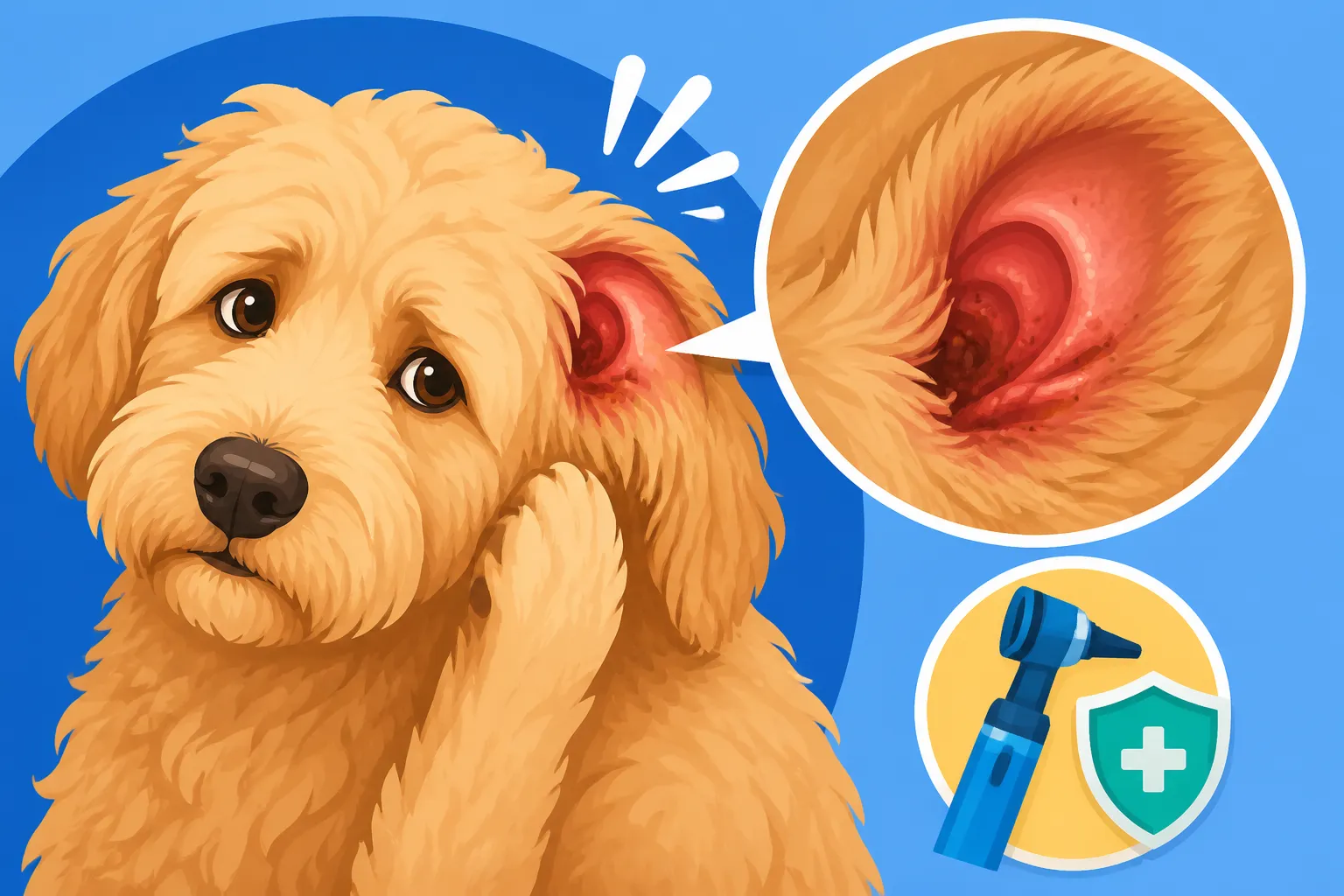
Goldendoodle Ear Infections Under a Furnished Ear
The distinct floppy ears of a Goldendoodle, combined with their characteristic abundant furnishings and sometimes thick, curly coat, can unfortunately create a perfect breeding ground for persistent and painful ear infections. It’s a common frustration for Goldendoodle parents, who often feel like they’re constantly battling a losing war against redness, itchiness, and foul odors emanating from their beloved companion’s ears. This comprehensive guide is here to shed light on why Goldendoodles are so prone to these issues and, more importantly, to equip you with the knowledge and strategies to effectively prevent, identify, and manage ear infections, bringing much-needed relief to both you and your furry friend.
The Unique Goldendoodle Ear: A Perfect Storm for Infection
When you look at a Goldendoodle, their adorable, floppy ears are often one of their most endearing features. But beneath that charming exterior lies an anatomical design that, unfortunately, predisposes them to ear problems. It’s a combination of genetics from both the Golden Retriever and the Poodle, creating a perfect storm for moisture retention and bacterial or yeast overgrowth. Understanding this unique ear structure is the first step in effective prevention.
What "Furnished Ear" Actually Means for a Goldendoodle
The term "furnished ear" refers to the long, feathery hair that typically grows on and around a Goldendoodle's ear flaps, as well as extending into the ear canal itself. This is a hallmark of the Goldendoodle’s Poodle heritage. While beautiful to look at, this dense hair acts like a curtain, trapping warmth and humidity inside the ear. Imagine trying to air out a damp towel in a sealed, furry pouch – it's tough, right? That’s essentially what’s happening in your Goldendoodle’s ear. This constant dampness creates an ideal environment for microorganisms to thrive, turning a minor issue into a full-blown infection rapidly. The thicker the furnishings, the less air circulates, making it harder for the ear canal to dry out naturally after a bath, a swim, or even just a particularly humid day.
The Downward-Facing Canal and Poor Airflow
Unlike humans, whose ear canals are mostly horizontal, a dog's ear canal takes a sharp turn downwards, creating an L-shaped structure. For a Goldendoodle, this already problematic anatomy is compounded by the heavy, floppy ear flap itself, which covers the opening of the canal. This combination of a downward-sloping canal and a covered opening severely limits airflow. Airflow is crucial for keeping the ear canal dry and healthy. Without proper ventilation, any moisture that enters the ear, whether from bathing, swimming, or even just humidity in the air, becomes trapped. This trapped moisture, combined with the warmth of the dog's body, becomes a stagnant, humid environment—a prime breeding ground for the bacteria and yeast that naturally reside in the ear to multiply out of control, leading to those painful, itchy infections we all dread.
The Role of Ear Hair Growth Inside the Canal
Beyond the external furnishings, many Goldendoodles inherit the Poodle trait of hair growing inside the ear canal itself. This isn't just a few stray strands; it can be a dense mat of hair that further obstructs airflow and provides even more surface area for moisture, wax, and debris to cling to. Think of it like a clogged drain. This internal ear hair creates a sticky, matted environment where yeast and bacteria can hide and flourish, making it incredibly difficult for ear cleaning solutions to penetrate and for the ear to dry. Whether to pluck or trim this internal ear hair is a big debate among owners and vets, with arguments for both sides. Some argue that plucking traumatizes the follicle and can lead to inflammation, while others find it essential for preventing constant infections. For a deeper discussion on this, you might find our article on Whether Plucking Ear Hair Prevents Goldendoodle Infections particularly insightful, as it delves into the pros and cons.
Common Types of Goldendoodle Ear Infections
Navigating the world of Goldendoodle ear infections can feel overwhelming, especially when you're trying to figure out what's actually going on in there. While the symptoms might seem similar, identifying the type of infection your Goldendoodle is battling is crucial for effective treatment. Generally, ear infections in dogs fall into bacterial, yeast, or a combination of both.
Identifying Yeast Infections in Your Goldendoodle
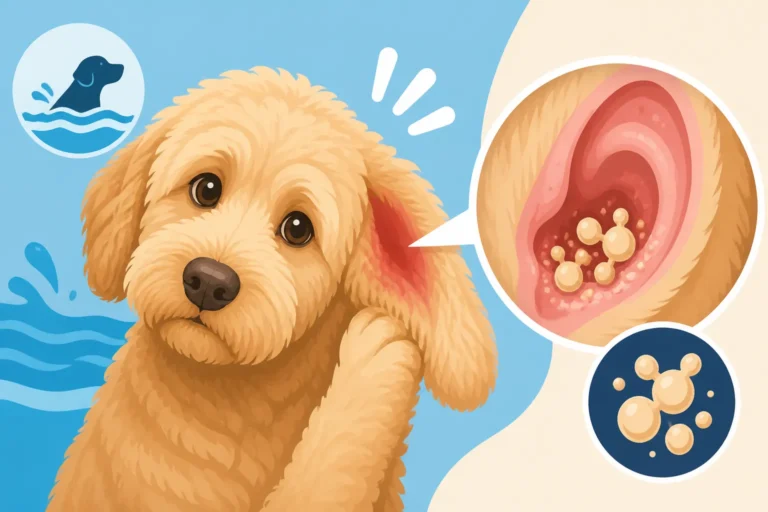
Yeast infections, primarily caused by the Malassezia pachydermatis fungus, are incredibly common in Goldendoodles. This yeast is a normal inhabitant of a dog's ear, skin, and paws, but under warm, moist, and low-airflow conditions, it can quickly overgrow. The classic sign of a yeast infection is a distinct, often pungent, sweet, or musty odor – many owners describe it as smelling like stale corn chips or old bread. Beyond the smell, you'll often see a dark brown, waxy discharge that resembles coffee grounds or tar. The ear canal itself might appear red and inflamed, and your Goldendoodle will likely be scratching vigorously or shaking their head constantly. If you've ever dealt with Yeast in a Goldendoodle Ear After Swimming, you'll know exactly what this looks and smells like.
Spotting Bacterial Ear Infections
Bacterial ear infections, often caused by Staphylococcus or Pseudomonas bacteria, are another frequent culprit in Goldendoodles. These can sometimes be secondary to a yeast infection or arise on their own. Unlike the dark, waxy discharge of yeast, bacterial infections often produce a yellow, green, or even pus-like discharge. The smell tends to be more foul and acrid, rather than sweet or musty. The ear will be extremely painful to the touch, often causing your Goldendoodle to cry out when you try to examine it. There might be significant swelling and redness, and the ear can feel hot. Sometimes, these infections can be quite aggressive and lead to ulcerations within the ear canal. If the infection is deep-seated or left untreated, it can spread to the middle or inner ear, leading to more serious complications like balance issues or even facial paralysis.
The Mixed Infection Nightmare
To make matters more complicated, it's very common for Goldendoodles to suffer from mixed infections, where both yeast and bacteria are present, or where one takes hold and weakens the ear's defenses, allowing the other to move in. This is truly the "nightmare" scenario for owners because the symptoms can be a confusing blend of both types, making initial identification tricky without veterinary help. You might notice a strong, offensive odor coupled with both dark, waxy discharge and some yellowish pus. The inflammation and pain will likely be severe, and your Goldendoodle will be in considerable discomfort. Treating a mixed infection effectively requires a broad-spectrum approach, often involving medications that target both yeast and bacteria. This is why a vet visit and a proper diagnosis via cytology are absolutely essential; guessing won't get you far, and can even make the problem worse. This complexity often contributes to Goldendoodle Ear Infections That Return Every Month, leaving owners feeling frustrated and helpless.
Recognizing the Subtle Signs of an Ear Infection
As a Goldendoodle parent, you quickly learn to pay close attention to your dog's nuances. Early detection of an ear infection can save your Goldendoodle a lot of pain and potentially prevent a minor irritation from escalating into a severe, hard-to-treat issue. Goldendoodles, like many dogs, can be stoic, so knowing the subtle cues is invaluable.
Behavioral Clues: Head Tilting, Scratching, and Whining
One of the most immediate and common signs you’ll notice is your Goldendoodle frequently scratching at their ear or rubbing it along furniture or the carpet. This intense itching is a clear distress signal. You might also observe excessive head shaking, where they might shake their head so vigorously that their floppy ears slap against their skull, sometimes even leading to a blood blister (hematoma) if not addressed promptly. Another subtle clue is a persistent head tilt; they might hold their head slightly to one side, favoring the unaffected ear, or constantly shifting their weight to alleviate pressure. In more painful cases, your usually cheerful Goldendoodle might become withdrawn, lethargic, or even show signs of aggression when you approach their head. They might whine softly when they scratch or shake, indicating the discomfort they're experiencing.
Visual and Olfactory Indicators: Redness, Discharge, and Odor
Beyond behavioral changes, a careful visual and olfactory (smell) inspection can provide concrete evidence of an infection. Gently lift your Goldendoodle's ear flap and take a peek inside the ear canal. Look for any redness or swelling, particularly along the opening and inner folds. A healthy ear canal should be pale pink and clean, with minimal wax. You might see visible discharge, which can vary in color and consistency as discussed earlier – from dark brown and waxy (yeast) to yellow or green and pus-like (bacterial). The most telling sign for many owners, however, is the smell. A distinct, unpleasant odor emanating from the ear is almost always an indicator of an infection, even if other visual signs are subtle. It might be musty, sweet, or outright putrid, and it’s a smell that, once you’ve experienced it, you won’t soon forget. Our article on Catching a Goldendoodle Ear Infection Under the Hair offers more tips on spotting these hidden signs.
When to Head to the Vet Immediately
While minor redness or a slight odor might warrant a careful at-home cleaning and close monitoring (if you’re experienced and your vet has given you specific instructions), there are definite signs that demand an immediate trip to the veterinarian. If your Goldendoodle is showing extreme pain, crying out when the ear is touched, or refusing to let you examine it, it’s time to go. Severe swelling, excessive discharge, a truly foul smell, or any signs of balance issues, walking in circles, or a persistent head tilt that seems to disorient them could indicate a more serious inner ear infection. Furthermore, if the infection appears to be spreading to the skin surrounding the ear, or if your Goldendoodle develops a hematoma (a swollen, blood-filled flap on the ear caused by excessive head shaking), prompt vet attention is crucial. Don't delay; these issues can escalate quickly and require professional intervention.
Preventative Care: Your Best Defense Against Ear Infections
The old adage "an ounce of prevention is worth a pound of cure" couldn't be more true when it comes to Goldendoodle ear infections. Proactive, consistent care is your absolute best defense against the discomfort and recurring veterinary bills that come with these common ailments. Establishing a routine early on can make a world of difference.
The Importance of a Consistent Ear Cleaning Routine
Regular ear cleaning is paramount for Goldendoodles. Aim to clean their ears at least once a week, or more frequently if they are prone to infections, swim often, or live in a humid environment. The goal isn't to sterilize the ear, but to remove excess wax, debris, and moisture before it becomes a problem. Use a veterinarian-approved ear cleaner specifically designed for dogs. These solutions are formulated to break down wax and dry out the ear canal without irritation. Simply fill the ear canal with the solution, gently massage the base of the ear for 20-30 seconds to distribute the cleaner and loosen debris, and then allow your Goldendoodle to shake their head. After they've shaken out the excess, use a soft cotton ball or gauze wrapped around your finger to wipe away any visible discharge from the outer ear flap and the uppermost part of the canal. Never use cotton swabs inside the ear canal, as this can push debris deeper and potentially damage the eardrum. For more detailed instructions, refer to our guide on Cleaning a Goldendoodle Ear Before It Gets Infected.
Discussing Ear Hair Plucking vs. Trimming with Your Vet/Groomer
The decision of whether to pluck or trim the hair growing inside your Goldendoodle's ear canal is a contentious one. Many groomers routinely pluck ear hair, believing it improves airflow and prevents matting. However, some veterinarians argue that plucking can traumatize the delicate skin of the ear canal, leading to micro-abrasions that become entry points for bacteria, and cause inflammation that mimics or exacerbates an infection. An alternative is carefully trimming the hair with blunt-nosed scissors or a small electric trimmer, though this can be difficult and risky without proper training. The best approach is to have an open conversation with your veterinarian. They can assess your Goldendoodle's specific ear health, sensitivity, and history of infections to recommend the most appropriate method for your dog. What works for one Goldendoodle might not work for another, and their advice is key to avoiding unintended harm.
Managing Moisture: Post-Swim and Bath Routines
Goldendoodles often love water, whether it's a splash in the lake, a romp in the ocean, or their regular bath time. Unfortunately, all that fun in the water can lead directly to ear infections if moisture is left trapped in their ears. After every bath or swim, it is absolutely critical to thoroughly dry your Goldendoodle’s ears. Use a soft towel to gently blot the outer ear, then use a dog-specific ear drying solution, which typically contains an astringent like witch hazel or alcohol to help evaporate moisture. Apply this solution into the ear canal, gently massage, and allow your dog to shake their head. For extra measure, some owners use a small, handheld blow dryer on a cool setting, held at a safe distance, to further dry the outer ear flap and entrance to the canal. Remember, the goal is to get those ears as dry as possible, as quickly as possible, to prevent that warm, damp environment that allows yeast and bacteria to proliferate. Even a bit of residual dampness can be enough to trigger an infection, so be diligent!
Diagnosis and Treatment: What to Expect at the Vet
When your Goldendoodle is clearly uncomfortable with an ear infection, a trip to the veterinarian is essential. Self-treating can often mask symptoms or lead to antibiotic resistance, making future infections even harder to tackle. Knowing what to expect during the diagnostic and treatment process can ease your mind and help you advocate for your Goldendoodle.
The Initial Vet Examination and Otoscope Use
Upon arrival, your vet will perform a thorough physical examination, paying special attention to your Goldendoodle’s ears. They'll likely start by gently palpating the ear flap and the base of the ear to check for pain, swelling, or any fluid accumulation. This will be followed by using an otoscope, a specialized instrument with a light and magnifying lens, to visually inspect the ear canal all the way down to the eardrum. This examination allows the vet to assess the extent of the inflammation, look for foreign bodies (like grass awns, which Goldendoodles are particularly prone to picking up due to their furry ears), check the integrity of the eardrum, and identify the type and amount of discharge. Sometimes, if the ear is extremely painful or full of debris, sedation might be necessary for a thorough otoscopic exam.
Understanding Ear Swabs and Cytology
After the visual inspection, the vet will almost certainly take a sample of the ear discharge using a sterile cotton swab. This swab is then used to create a slide, which is stained and examined under a microscope. This process is called cytology, and it's absolutely crucial for an accurate diagnosis. Cytology allows the vet to identify whether the infection is caused by yeast, bacteria, or both. They can even often determine the specific type of bacteria (e.g., rods or cocci), which helps them select the most effective medication. Without cytology, treatment is often a guessing game, which is why Goldendoodle Ear Infections That Return Every Month are so common; if you don't treat the specific organism, the problem will just come back. In some chronic or severe cases, especially if initial treatments haven't worked, your vet might recommend a culture and sensitivity test. This sends the sample to a lab to grow the bacteria and determine which antibiotics will be most effective against it, providing a targeted approach.
Medication Options: Topical, Oral, and Beyond
Based on the cytology results, your vet will prescribe the appropriate medication. For most ear infections, topical medications are the first line of defense. These typically come in drops, ointments, or gels that contain antifungal agents (for yeast), antibiotics (for bacteria), or a combination of both, often with a corticosteroid to reduce inflammation and pain. It's vital to administer these medications exactly as prescribed, for the full duration, even if the ear looks better, to ensure the infection is completely cleared. For more severe or deep-seated infections, or if there's a systemic component, oral antibiotics or antifungals may be prescribed in addition to, or instead of, topical treatments. Anti-inflammatory medications might also be given to help manage pain and swelling. Your vet may also recommend a specific Ear Cleaner Solutions Safe for a Goldendoodle to use during or after treatment to help clear debris and maintain ear health. Remember, consistency and adherence to your vet's instructions are paramount for successful treatment and preventing recurrence.
Diet, Allergies, and Chronic Ear Issues
It’s easy to think of ear infections as just a local problem, but often, especially in Goldendoodles, they are a symptom of a larger, underlying health issue. Allergies, whether environmental or food-related, are incredibly common culprits behind chronic and recurring ear infections in this breed. Addressing these root causes is crucial for breaking the cycle of discomfort.
The Link Between Food Allergies and Recurring Ear Infections
Many Goldendoodle owners are surprised to learn that persistent ear infections can be a primary symptom of a food allergy. When a dog has a food allergy, their immune system overreacts to certain proteins in their diet, leading to inflammation throughout the body, often manifesting as itchy skin, gastrointestinal upset, and yes, chronic ear infections. The inflammation can cause the ear canal to swell, further restricting airflow and making it even more susceptible to yeast and bacterial overgrowth. Identifying a food allergy usually involves an elimination diet, where your Goldendoodle is fed a novel protein or hydrolyzed protein diet for several weeks to months, strictly avoiding all other food sources. If the ear infections clear up on this diet, ingredients are slowly reintroduced to pinpoint the culprit. This process requires significant commitment but can be life-changing for dogs suffering from chronic ear problems.
Environmental Allergies and Their Impact on Ear Health
Just like us, Goldendoodles can suffer from environmental allergies (atopy) triggered by pollen, dust mites, mold spores, and other airborne irritants. These allergies often present as itchy skin, paw licking, and yes, you guessed it—ear infections. The allergens cause an inflammatory response, leading to itchy, irritated ear canals, which then become ripe for secondary yeast or bacterial infections. Environmental allergies tend to be seasonal, so you might notice ear issues flaring up at specific times of the year. Diagnosis often involves a combination of ruling out other causes, blood tests, or intradermal skin testing. Management can include antihistamines, topical anti-itch medications, regular medicated baths, and sometimes, allergen-specific immunotherapy (allergy shots) to desensitize the immune system. If your Goldendoodle constantly battles Goldendoodle Allergies and Itchy Skin, their ears are likely to be affected too.
When Chronic Infections Signal a Deeper Problem
When your Goldendoodle is experiencing recurrent ear infections, returning every few weeks or months despite diligent care and appropriate treatment, it's a clear signal that there's a deeper, underlying issue at play. This isn't just bad luck; it's your dog's body telling you something isn't right. Beyond allergies, other less common but significant causes can include hormonal imbalances (like hypothyroidism), autoimmune diseases, polyps or tumors within the ear canal, or even conformational abnormalities that exacerbate the problem. Ignoring chronic infections can lead to permanent damage, such as thickening of the ear canal walls, scarring, or even calcification, making future treatments even more challenging and potentially leading to hearing loss. This is when your veterinarian might recommend referral to a veterinary dermatologist or internal medicine specialist for advanced diagnostics and a long-term management plan.
Long-Term Management and Advanced Solutions
Dealing with a Goldendoodle prone to ear infections can be a lifelong journey, but with dedication and the right strategies, you can keep them comfortable and minimize flare-ups. For some, standard approaches aren't enough, and more advanced solutions might be necessary.
Partnering with Your Vet for a Comprehensive Plan
When chronic ear infections become a persistent problem, a truly comprehensive, long-term plan developed in close partnership with your veterinarian is essential. This isn't about quick fixes, but about understanding the unique factors contributing to your Goldendoodle's ear issues and systematically addressing them. Your vet may suggest a detailed diagnostic workup, including allergy testing (food and environmental), advanced imaging like CT scans or MRIs to visualize deeper ear structures, or even biopsies if polyps or tumors are suspected. The plan might involve a combination of dietary changes, long-term allergy management, specific cleaning protocols, and even maintenance medications. Open communication with your vet about what’s working, what’s not, and any new symptoms is key to refining this plan over time. Consider keeping a detailed log of flare-ups, treatments, and their effectiveness; this data can be invaluable for identifying patterns and tailoring future interventions.
Surgical Options for Severe, Chronic Cases
For a small percentage of Goldendoodles who suffer from truly severe, debilitating, and untreatable chronic ear infections that have led to irreversible changes in the ear canal—such as significant scarring, calcification, or stenosis (narrowing)—surgical intervention may be the only option for providing relief. The most common procedure is a Total Ear Canal Ablation (TECA) with Bulla Osteotomy (BO). This is a complex surgery where the entire diseased ear canal is removed, leaving only the inner ear intact for hearing (though hearing may already be compromised). While it sounds drastic, for dogs suffering constant pain, itching, and foul discharge, a TECA can be life-changing, offering complete freedom from ear infections and significantly improving their quality of life. Recovery involves careful post-operative care, and it's essential to discuss the risks, benefits, and expected outcomes thoroughly with a board-certified veterinary surgeon.
Considering Pet Insurance for Recurring Ear Treatments
The ongoing cost of managing chronic ear infections in a Goldendoodle can quickly add up, from repeated vet visits and diagnostics to expensive medications and potential specialist consultations. This is where pet insurance can be a true lifesaver for many Goldendoodle owners. Companies like Healthy Paws offer comprehensive pet insurance plans that can help cover a significant portion of these recurring veterinary expenses, making it much easier to afford the best possible care without financial strain. While most policies have a waiting period and won't cover pre-existing conditions, enrolling your Goldendoodle early, before chronic issues arise, can provide immense peace of mind. Be sure to carefully review policy details, including deductibles, reimbursement percentages, and any exclusions, to find a plan that best fits your needs and your Goldendoodle’s potential health challenges. Learning more about Goldendoodle Pet Insurance for a Dog With No Breed Papers might be a good next step for you.
Living with a Goldendoodle Prone to Ear Issues
Bringing a Goldendoodle into your life is a joy, but for those predisposed to ear infections, it also means embracing a lifestyle that actively manages and mitigates this common problem. It's about being vigilant, consistent, and proactive in their daily care, which ultimately leads to a happier, healthier dog.
Creating a Low-Moisture Environment
Beyond direct ear cleaning, think about the overall environment your Goldendoodle lives in. High humidity can be an enemy, as it contributes to moisture around and within the ear. If you live in a particularly humid climate, consider using dehumidifiers in areas where your Goldendoodle spends a lot of time indoors. When bathing your Goldendoodle, make sure to use cotton balls in their ears to prevent water from entering the canal, and always follow up with thorough drying. Keep their coat around the ears trimmed short by your groomer or yourself, to further encourage air circulation. A good groomer, familiar with Goldendoodles, will understand the need to keep the hair around the ear canal entrance neat and tidy. Regular grooming isn't just about aesthetics; it's a vital part of preventative health for a Goldendoodle. This is also covered in Goldendoodle Grooming as the Biggest Line in the Budget—proper grooming is expensive but essential.
Teaching Your Goldendoodle to Love Ear Handling
From puppyhood, it's incredibly important to positively associate ear handling with pleasant experiences. This isn't just for cleaning; it allows you to regularly inspect their ears for early signs of trouble without a struggle. Start by gently touching their ears for just a second, followed immediately by a tasty treat and praise. Gradually increase the duration and intensity, progressing to lifting the ear flap, gently looking inside, and eventually performing mock cleanings with a dry cotton ball. Keep sessions short and always end on a positive note. If your Goldendoodle shows any discomfort or resistance, back off and go at a slower pace. The goal is for them to not only tolerate but even enjoy having their ears handled, making routine care and vet visits much less stressful for everyone involved. Consistent, positive reinforcement training will pay dividends throughout their life.
Maintaining Records of Past Infections and Treatments
When dealing with recurring ear infections, diligent record-keeping can be your secret weapon. Create a simple log or use a notebook to document every ear infection your Goldendoodle experiences. Note the date of onset, the symptoms observed, which ear was affected (or both), the vet’s diagnosis, the prescribed treatment (medication name, dosage, and duration), and how quickly the infection resolved. Also, include any suspected triggers, like a recent swim or a change in diet. This comprehensive record provides invaluable data for your veterinarian, helping them identify patterns, track the effectiveness of different treatments, and make informed decisions about future interventions. It can highlight if a particular medication is consistently failing or if infections always flare up after a certain activity or time of year. This proactive data collection empowers you to be a more effective advocate for your Goldendoodle's long-term ear health.
| Symptom / Feature | Yeast Infection (Malassezia) | Bacterial Infection (Staphylococcus, Pseudomonas) |
|---|---|---|
| Odor | Musty, sweet, "corn chips," "yeasty" | Foul, acrid, sometimes pungent |
| Discharge | Dark brown, waxy, "coffee grounds" | Yellow, green, pus-like |
| Appearance of Ear | Redness, thickening, greasy feel | Redness, swelling, sometimes ulcerations, hot to touch |
| Itchiness | High (frequent scratching, head shaking) | Moderate to High (often accompanied by significant pain) |
| Pain | Moderate (discomfort) | Severe (crying out, extreme sensitivity to touch) |
| Common Causes | Moisture, humidity, allergies, internal hair | Weakened ear defenses, allergies, foreign bodies |
| Microscopic View | Peanut-shaped organisms | Rods or Cocci-shaped organisms |
| Treatment Focus | Antifungal medications (topical/oral) | Antibiotics (topical/oral) |
Disclaimer
The information provided in this guide is for general informational purposes only and is not intended as a substitute for professional veterinary advice. Always seek the advice of your veterinarian or other qualified animal health provider with any questions you may have regarding a medical condition or treatment plan for your Goldendoodle. Never disregard professional veterinary advice or delay in seeking it because of something you have read here.