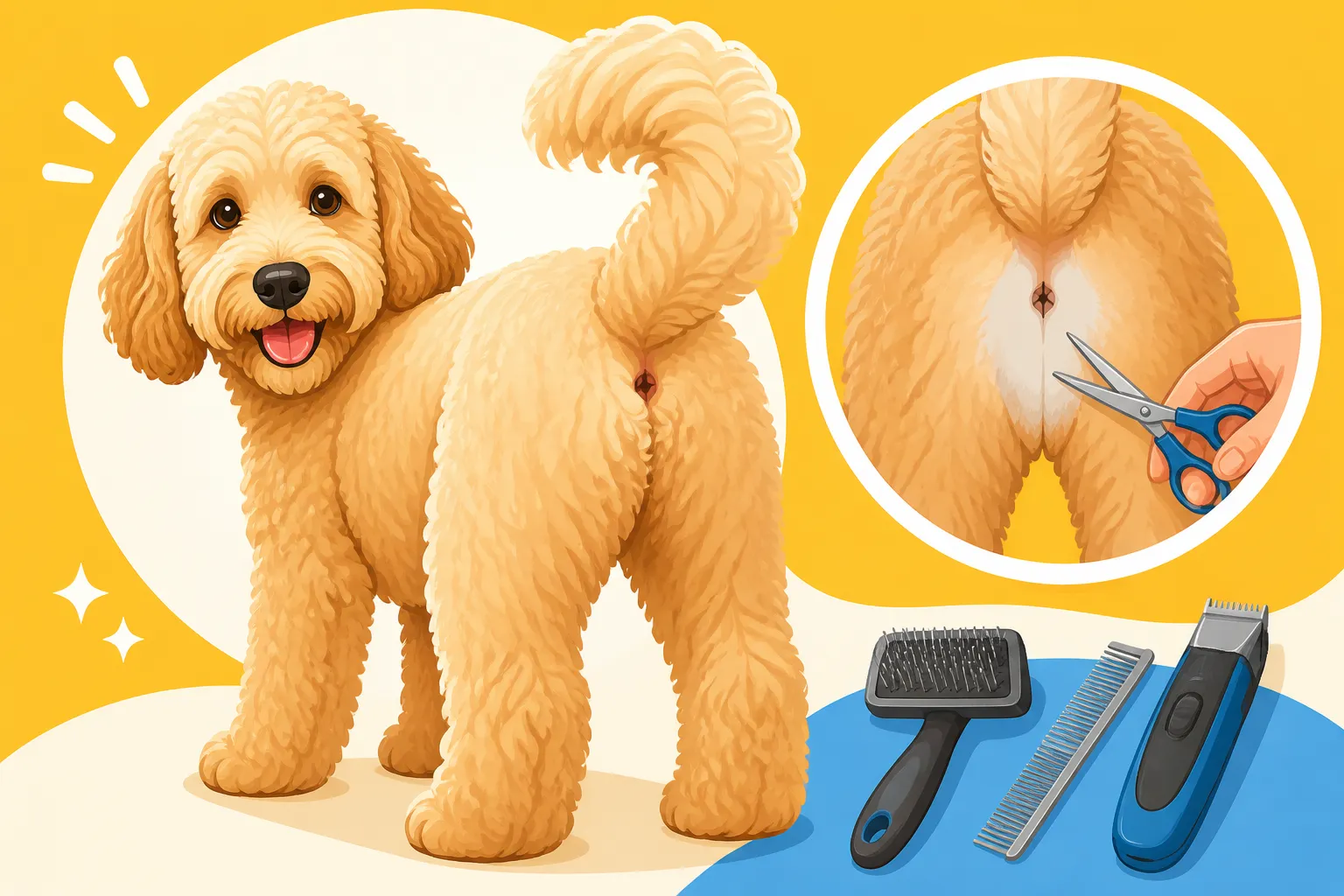
Trimming a Goldendoodle’s Sanitary Area
The sanitary trim for a Goldendoodle might not be the glamorous side of dog ownership, but let's be honest, it's absolutely essential. We've all been there: a quick potty break outside, and suddenly your fluffy companion has a little "extra" clinging to their backside, or you notice unsightly urine stains around their belly. It’s not just messy and smelly; it can lead to serious health issues for your beloved Goldendoodle. This comprehensive guide will walk you through exactly why and how to safely and effectively trim your Goldendoodle's sanitary area, keeping them clean, comfortable, and healthy.
Why the Sanitary Trim is Non-Negotiable for Goldendoodles
You might think it's just about aesthetics, but a neglected sanitary area on a Goldendoodle can quickly become a breeding ground for bacteria, mats, and discomfort. Their plush, often curly coats, while beautiful, are also incredible traps for all sorts of undesirable things.
The Mess Factor: Urine and Feces
Let’s face it, Goldendoodles have wonderfully fluffy hindquarters. While adorable, this dense fur directly around their private parts is a magnet for urine and fecal matter. Imagine your Goldendoodle squatting to pee, and all that hair soaking up urine. Over time, this can lead to uncomfortable and painful urine scald on their delicate skin, which is essentially a chemical burn. It causes redness, irritation, and can be incredibly itchy.
Similarly, after they do their business, soft or sticky feces can get caught in the long hair around their anus. This isn't just gross; it can dry into hard, painful clumps that pull on the skin and make future defecation difficult or even painful. It creates a constant mess in your home, smells unpleasant, and makes cuddle time a lot less appealing. Nobody wants a dog leaving behind little "surprises" wherever they sit, or having to constantly wipe them down. A proper sanitary trim creates a clean, clear path for waste to exit without getting caught, drastically improving hygiene for both your dog and your living space.
Preventing Painful Matting and Skin Issues
The sanitary area is a prime location for matting, often before you even realize it's happening. The combination of moisture (from urine, sweat, or even damp grass) and friction (from walking, sitting, or even just wagging their tail) causes the fine Goldendoodle fur to tangle into tight, painful mats. These aren't just cosmetic issues; they pull painfully on the skin, causing extreme discomfort.
When mats form close to the skin, they restrict air circulation, creating a damp, warm environment perfect for bacterial and yeast infections. This can lead to hot spots, skin rashes, and chronic irritation. Think about how awful it feels to have a knot in your own hair pulling on your scalp – now imagine that all over a sensitive area, constantly. It’s a truly miserable experience for your dog. Regular trimming prevents these mats from forming in the first place, saving your Goldendoodle from unnecessary pain and potential trips to the vet for severe skin conditions. It's truly an act of kindness to keep this area clear. You can learn more about how to proactively prevent these issues in Why Goldendoodle Matting Is Almost Always Preventable and how to handle existing problems in Goldendoodle Hot Spots Under a Thick Coat.
Keeping Your Goldendoodle Healthy and Comfortable
Beyond the immediate mess and matting, a clean sanitary area contributes significantly to your Goldendoodle's overall health and well-being. Trapped bacteria from urine and feces can migrate, potentially leading to urinary tract infections (UTIs) in both male and female dogs, especially if the hair is constantly damp and rubbing against the opening of the urethra. For females, this is particularly important due to their anatomy.
A well-maintained sanitary area also makes routine health checks much easier. Imagine trying to check for anal gland issues, skin abnormalities, or even just giving your dog a quick once-over if they're covered in matted, soiled fur. Vets and groomers will thank you, and more importantly, your dog will be more comfortable during these necessary examinations. It’s about more than just a tidy appearance; it’s about preventing health complications and ensuring your Goldendoodle leads a happy, comfortable life. Regular grooming helps you catch issues early, before they escalate.
Essential Tools for a Safe and Effective Sanitary Trim
Before you even think about lifting a pair of clippers, you need to ensure you have the right equipment. Using the wrong tools, or dull tools, can turn a simple sanitary trim into a stressful, painful, and potentially dangerous experience for your Goldendoodle. Safety and efficiency are key here.
Choosing the Right Clippers and Blades
This is probably the most crucial tool in your sanitary grooming kit. You'll want a good quality, quiet clipper, as the sound can be startling to sensitive dogs. Cordless models offer more flexibility and maneuverability, which is a huge bonus when working around delicate areas. Brands like Wahl, Andis, or Oster are popular among home groomers and professionals alike. You can often find a good selection on Chewy or Amazon.
For the sanitary area, a #10 blade is generally recommended. This blade length leaves the hair very short, but not completely bald, providing enough clearance for hygiene without irritating the skin too much. Some people might opt for a #15 for an even closer shave, but this requires more caution as it can increase the risk of nicks or clipper burn if you're not experienced. Always ensure your blades are sharp – dull blades pull on the hair, causing pain and frustration for your dog. It’s a good idea to have a backup blade on hand, or a blade coolant spray, as blades can heat up quickly, especially on a thick Goldendoodle coat.
Combs, Shears, and Other Safety Gear
While clippers do most of the heavy lifting, these supplementary tools are just as vital:
- Fine-toothed metal comb: Before you even touch the clippers, you'll use this to thoroughly comb through the hair, checking for any hidden tangles or small mats. You absolutely cannot clip through mats; it will hurt your dog and damage your clippers.
- Blunt-nosed or safety shears: These are essential for delicate touch-ups or for carefully snipping away any very small, stubborn mats that you can get underneath safely with a comb. The blunt tips significantly reduce the risk of accidentally poking or cutting your dog's skin, especially when working around sensitive areas like the anus or genitals.
- Styptic powder: This is a non-negotiable item. Even the most experienced groomer can have an accidental nick, especially with a squirming dog or unforeseen movements. Styptic powder quickly stops minor bleeding and is a lifesaver for peace of mind.
- Grooming apron: Not just for show! It helps keep you clean, and often has pockets for your tools.
Setting Up a Calm and Safe Environment
The environment you create can make or break the grooming experience for both you and your Goldendoodle.
- Good lighting: You need to be able to see exactly what you're doing. Work in a brightly lit room or use a headlamp for extra visibility.
- Non-slip surface: A dedicated grooming table with a rubber mat is ideal, but if you're working on a counter or table, place a non-slip bath mat or even a yoga mat underneath your dog. This prevents them from slipping, which can cause them to panic or you to lose control. You want them to feel secure and stable.
- Calm atmosphere: Choose a time when your household is quiet and there are minimal distractions. Play some calming music if your dog responds well to it. Rushing or being stressed yourself will only transfer to your Goldendoodle.
- Treats and praise: Keep plenty of high-value treats handy. Positive reinforcement is crucial. Reward good behavior frequently, especially when they tolerate handling or the sound of the clippers. Products like Ollie often provide excellent, high-quality treats that can be broken into small pieces for training rewards.
Step-by-Step Guide to Trimming Your Goldendoodle's Sanitary Area
Now that you're armed with the right tools and a calm environment, let's get down to the actual trim. Remember, patience and a gentle touch are your best friends here. Don't rush, and take breaks if either of you gets stressed.
Preparing Your Goldendoodle (and Yourself!)
Preparation is key to a smooth, safe trim. Think of it as laying the groundwork for success.
- Start with a clean, dry dog: It’s always easier and safer to trim clean hair. Dirt and debris can clog clipper blades and dull them quickly. If your Goldendoodle is particularly dirty, a bath and thorough drying (ensure they are completely dry, especially at the roots) beforehand will make the job much easier. Consider a good quality shampoo that suits their coat, as discussed in Shampoo That Suits a Goldendoodle Coat.
- Thorough brushing and combing: This step is crucial. Before the clippers even come out, use your fine-toothed metal comb to brush out the entire sanitary area. This includes around the anus, under the tail, and around the genitals. Gently work through any small tangles. If you encounter any significant mats, do not try to clip through them. You will either hurt your dog or break your clippers. More on dealing with mats below. The goal here is to ensure the hair is free of knots and standing as straight as possible. This also helps you identify any skin tags or moles that you need to be extra careful around. Don't forget to use the right tools for this, like the ones mentioned in The Slicker Brush and Comb a Goldendoodle Needs.
- Positive reinforcement and calm demeanor: Your Goldendoodle will pick up on your energy. If you're stressed, they will be too. Speak in a calm, reassuring voice. Offer treats generously throughout the process, especially during initial handling. This builds a positive association with grooming. If you've been doing early grooming training, as suggested in Training a Goldendoodle Puppy for the Grooming Table and Handling a Goldendoodle's Feet, Face and Ears, this step will be much easier.
The Actual Trim: Where and How to Clip
This is where the rubber meets the road. Remember to work slowly and deliberately.
- The "V" or "U" Shape for the Rear:
- Lift the tail: Gently lift your Goldendoodle's tail straight up and hold it firmly but comfortably out of the way. This exposes the area around the anus.
- Create a clear path: You want to clip a "V" or "U" shape around the anus to prevent fecal matter from clinging. Start clipping about an inch or two away from the anus, moving the clippers downwards and outwards. Imagine clearing a small, clean landing strip. Always pull the skin taut with your free hand to create a flat surface and reduce the risk of catching loose skin. Clip with the grain of the hair for a slightly longer cut, or against the grain for a closer cut, being extra careful.
- Under the tail: With the tail still up, carefully trim any long hair directly underneath the tail base that might get soiled.
- The Genital Area (Males vs. Females):
- For Males: The goal is to clear the hair around the prepuce (the sheath covering the penis) to prevent urine from staining the fur and causing odor. Gently hold the sheath and clip the hair away from it, creating a small, clean circle or oval. Be extremely cautious here; the skin is very delicate.
- For Females: You'll want to clear the hair around the vulva to prevent urine scald and keep the area hygienic. Gently part the hair and clip a small, clean area around the vulva. Again, pull the skin taut and work slowly.
- General Clipping Tips:
- Keep blades cool: Clipper blades can get hot quickly, especially on thick Goldendoodle hair. Hot blades can cause clipper burn, which is painful and looks like a red rash. Touch the blade frequently to your own skin to check its temperature. If it's warm, turn off the clippers, let them cool, or swap to a cool blade. You can also use clipper coolant sprays (available on Chewy or Amazon).
- Stretch the skin: Always use your non-dominant hand to gently stretch the skin in the area you're clipping. This makes the surface flat and firm, significantly reducing the chances of catching folds of skin.
- Short strokes, light pressure: Use short, smooth strokes with light pressure. Let the clippers do the work. Don't press down hard.
- Take breaks: If your Goldendoodle gets fidgety or stressed, stop. Give them a treat, a hug, or a short walk. It’s better to do the trim in two sessions than to force a single, traumatic one.
Post-Trim Care and Maintenance
You're almost done! A little post-trim care goes a long way to ensure your Goldendoodle stays comfortable.
- Inspect the area: Once you're finished clipping, thoroughly inspect the entire sanitary area for any nicks, cuts, or signs of irritation. If you see a nick, apply styptic powder immediately.
- Soothe the skin: If the skin looks a little red or irritated (especially if it's their first time, or you used a very short blade), you can apply a pet-safe soothing balm or aloe vera gel.
- Praise and reward: Shower your Goldendoodle with praise and high-value treats. Make the end of the grooming session a positive experience.
- Regular maintenance: The sanitary trim typically needs to be repeated every 2-4 weeks, depending on how fast your Goldendoodle's hair grows and how prone they are to getting messy. Staying on top of it will prevent mats and hygiene issues from recurring. Regular brushing of their entire coat, including their hindquarters, between trims will also help. Remember, Goldendoodle Grooming Every Six Weeks Adds Up, but consistent home care can make a huge difference in the overall cost and comfort!
Common Pitfalls and Troubleshooting
Even with the best intentions, things can sometimes go wrong. Knowing what to watch out for and how to handle it can save you a lot of stress (and potentially a trip to the vet!).
Dealing with Matting Before Clipping
This is perhaps the biggest pitfall for new Goldendoodle owners attempting a sanitary trim. If your Goldendoodle's sanitary area is already matted, you cannot simply clip through it. Trying to do so will cause immense pain, potentially tear the skin, and can even injure your dog severely. Mats pull the skin up into tight folds, making it incredibly easy to cut the skin underneath.
- Small, loose tangles: For very small, loose tangles, you might be able to carefully work them out with a comb, a detangling spray (you can find these on Amazon or Chewy), and your blunt-nosed shears to snip small pieces if you can get a comb between the mat and the skin.
- Severe, tight mats: If the mats are tight and close to the skin, your best (and safest) option is to take your Goldendoodle to a professional groomer or your veterinarian. They have specialized tools and experience to safely remove these mats, often requiring a very short blade and extreme caution. Dematting charges can add up, as noted in Dematting Surcharges on a Goldendoodle, but it's crucial for your dog's comfort and health. Never try to cut out tight mats with scissors at home; it's too risky.
Avoiding Nicks and Irritation
A little nick or some skin irritation can happen, especially when you're learning. The goal is to minimize the risk as much as possible.
- Always pull the skin taut: This bears repeating because it's the single most important technique for preventing nicks. By stretching the skin, you eliminate folds and create a flat surface for the clippers to glide over.
- Keep blades cool: As mentioned, hot blades cause clipper burn. Feel the blade often. If it's getting warm, stop, cool it down, or switch to a fresh blade.
- Use the right blade length: A #10 blade is a good balance between effectiveness and safety. Going shorter (e.g., #15) increases the risk if you're not experienced.
- Go slowly and watch your dog's reaction: If your Goldendoodle flinches or seems uncomfortable, stop and reassess. Are you pulling their hair? Is the blade hot? Are they just being squirmy? Take a break if needed.
- What if a nick happens? Don't panic! Minor nicks are common. Apply styptic powder (or cornstarch in a pinch) with gentle pressure to stop the bleeding. Keep the area clean and dry, and monitor it for any signs of infection (redness, swelling, discharge). If it's a deeper cut or bleeding doesn't stop, contact your vet.
When to Call a Professional Groomer or Vet
There's no shame in seeking professional help. In fact, it's often the smartest and kindest thing you can do for your Goldendoodle.
- Extreme uncooperativeness: If your Goldendoodle becomes overly stressed, aggressive, or simply refuses to tolerate the clippers or handling of the sanitary area, it's time to call in the pros. A professional groomer has techniques and tools to handle difficult dogs safely.
- Severe matting: If you discover significant, tight mats that you cannot safely comb out, do not attempt to cut them out yourself. This is a job for a professional groomer or veterinarian. They can carefully shave the mats away without injuring the skin underneath.
- Unsure or uncomfortable: Especially for your first few attempts, it’s completely normal to feel unsure or uncomfortable. A groomer can do the trim for you, and many are happy to offer tips and even show you how to safely do it yourself for future maintenance.
- Skin irritation or infection: If you notice persistent redness, swelling, discharge, a foul odor, or if your dog is constantly licking or biting the area, it could be a sign of infection or a more serious skin issue. Stop grooming and consult your veterinarian immediately.
Learning to trim your Goldendoodle's sanitary area is a valuable skill that contributes significantly to their health and happiness. With the right tools, a calm approach, and plenty of patience, you can keep your furry friend clean, comfortable, and free from painful mats.
| Blade Length | Hair Length (Approx.) | Primary Use | Level of Caution Required | Best For |
|---|---|---|---|---|
| #10 | 1/16 inch | Standard sanitary trim, leaves minimal stubble | Moderate | Most Goldendoodles, regular maintenance |
| #15 | 1/32 inch | Very close trim, often used by professionals | High | Preventing severe urine scald, show grooming |
| #30 | 1/50 inch | Extremely close shave, for surgical prep or severely matted dogs | Very High | Only for experienced groomers or vets |
| Guard Combs | Varies (e.g., 1/2", 1") | Leaves hair longer, attaches to a #10 or #30 blade | Low-Moderate | Not typically used for sanitary areas |
Disclaimer
This article is for general informational purposes only and does not constitute professional advice. Laws, prices and regulations vary by location and change over time. Consult a qualified professional for guidance on your specific situation.