Working a Mat Out of a Goldendoodle Coat
Finding a mat tangled deep in your Goldendoodle's beautiful, fluffy coat can feel like discovering a tiny, unwelcome knot of dread. It's a common frustration many Goldendoodle parents face, especially as their pup's soft puppy fur transitions to that more adult, denser coat. This guide is here to walk you through the process of safely and gently working out those stubborn mats, helping you keep your Goldendoodle comfortable and their coat looking fabulous.
Understanding Goldendoodle Mats: More Than Just a Tangle
Let's be real, Goldendoodle coats are gorgeous, but they're also a magnet for tangles. You pick them up, cuddle them, they roll in the grass, they play rough, and suddenly, there's a tight, angry knot that wasn't there five minutes ago. It’s not just about aesthetics; these mats can cause real problems for your furry friend.
Why Mats Form So Easily in Goldendoodles
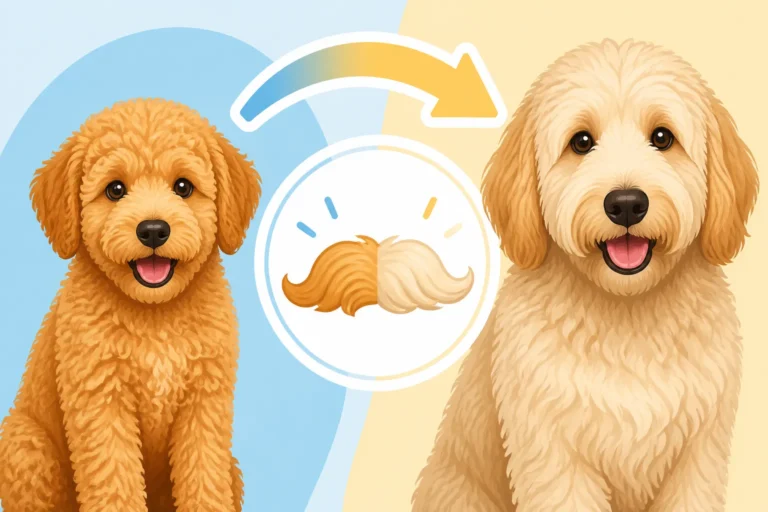
The truth is, Goldendoodles have a specific kind of hair that's prone to matting because of their Poodle heritage. Unlike breeds that shed their undercoat, Goldendoodles generally have a single coat or a very sparse undercoat that doesn't "blow" twice a year. Instead, shed hair gets caught within the existing coat, intertwining with the live hair and creating tangles that quickly become mats. Think of it like a miniature felt factory operating right on your dog's body. The density and the unique curl or wave pattern of a Goldendoodle's coat, often referred to as "furnishings," make it incredibly efficient at catching and holding onto anything that floats by—debris, dust, loose hair, even just friction from movement. You might notice these mats appearing almost overnight, especially during certain periods of their life, such as the Goldendoodle Coat Change at Eight to Twelve Months. During this transition, the soft, easy puppy fluff is replaced by the more adult, denser, and often wavier or curlier coat, making it a prime time for mats to form if not diligently managed.
The Hidden Dangers of Neglected Mats
It's easy to think of mats as just a cosmetic issue, something that makes your Goldendoodle look a bit dishevelled. But the reality is far more serious. A neglected mat isn't just a knot; it's a tight, uncomfortable, and potentially painful clamp on your dog's skin. Mats pull at the skin, restricting movement and causing constant irritation. Imagine having your hair tightly braided for days on end, pulling at your scalp with every move – that's what a mat feels like for your dog. If left unchecked, these mats can quickly lead to skin infections, yeast overgrowth, and the dreaded Goldendoodle Hot Spots Under a Thick Coat. Moisture can get trapped underneath the mat, creating a breeding ground for bacteria and fungi. In severe cases, mats can even impede blood flow or hide parasites like fleas and ticks, leading to even greater health concerns. The tighter they get, the more painful and difficult they become to remove, often necessitating a full shave-down by a professional groomer, which can be stressful for your pup. This is why addressing them early and understanding Why a Goldendoodle Mats in a Week Without Brushing is so important.
Identifying Different Types of Mats
Not all mats are created equal, and understanding the different types can help you decide on the best approach. You'll encounter everything from small, loose tangles to dense, felt-like pelts.
- Small Tangles/Knots: These are often the easiest to spot and deal with. They might be just a few strands of hair caught together, perhaps after a romp in the yard or a particularly enthusiastic cuddle session. These are usually loose enough that you can feel them with your fingers as you stroke your dog's coat, and they might not be pulling tightly on the skin yet. They often appear around friction points like behind the ears, in the armpits, or where a collar or harness sits.
- Friction Mats: These develop in areas of high movement or friction. Think behind the ears, under the chin, in the armpits, and on the insides of the legs. Collars and harnesses can also cause mats to form very quickly, especially Mats Under a Goldendoodle Harness Strap or around the neck area. These mats tend to be tighter than simple tangles because of the constant rubbing.
- Pelted Mats: This is the most severe type of matting. A pelted mat isn't just a few strands; it's a large, dense layer of matted hair that has compacted against the skin, often covering significant portions of the body. When a coat becomes pelted, it's like a solid piece of felt, making it impossible to get a comb or brush through. These mats can be incredibly painful, restrict movement, and lead to serious skin issues. At this stage, home removal is usually out of the question, and professional help is essential.
Knowing the difference will guide your strategy. A small knot might just need a spritz of detangler and gentle brushing, while a pelted mat often means a trip to the groomer.
Essential Tools for Mat Removal (and Prevention)
When it comes to battling Goldendoodle mats, having the right arsenal of grooming tools is half the fight. Don't just grab any old brush; these specific tools are designed to navigate the unique Goldendoodle coat.
The Absolute Must-Haves in Your Grooming Kit
You wouldn't try to build a house with just a hammer, and you shouldn't try to groom a Goldendoodle with just one brush. Your grooming kit needs a few key players to be effective.
- Slicker Brush: This is your primary weapon against tangles. A good quality slicker brush has fine, bent wire pins that are excellent for reaching down into the dense Goldendoodle coat and gently separating strands. You'll use this for daily brushing to prevent mats and to start breaking up smaller tangles. It's crucial for Brushing a Goldendoodle Three Times a Week to keep the coat in good condition. Look for one with a comfortable handle that you can grip easily, as you'll be spending a fair bit of time with it. The pins should be firm enough to do their job but not so sharp that they scratch your dog's skin.
- Metal Comb (Greyhound Comb): Often overlooked, this tool is arguably more important than the slicker brush for mat detection and removal. A metal comb, ideally with both wide and narrow-spaced teeth, is what truly tells you if you've gotten all the tangles out. After using your slicker brush, if the comb can glide smoothly through the hair down to the skin, you're golden. If it snags, you've found a mat. As discussed in Why a Comb Finds Goldendoodle Mats a Brush Misses, the comb is the ultimate checker. The wide teeth are great for initial detangling, while the finer teeth help with smaller knots and finishing work.
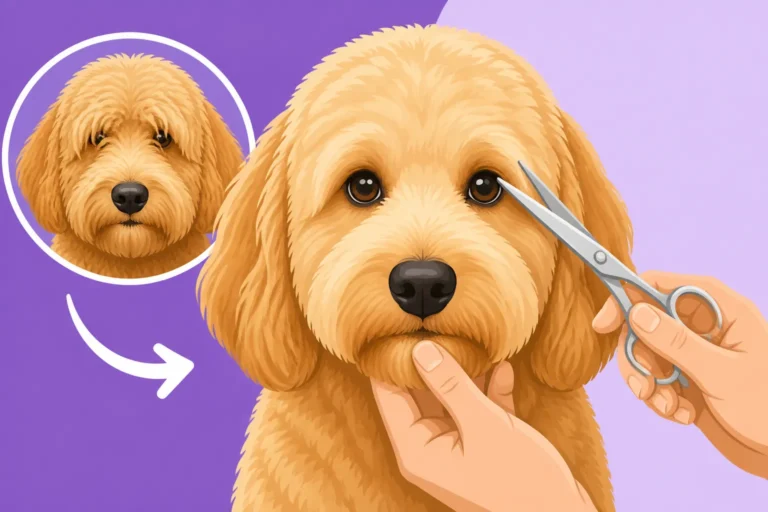
- Shears/Scissors (Blunt-Tipped): While not for removing a mat by cutting it out (which can be very dangerous), blunt-tipped grooming scissors are essential for trimming hair away from eyes, sanitary areas, and carefully splitting a dense mat before trying to comb it out. Never use sharp household scissors near a mat, as the risk of cutting your dog's skin is extremely high because mats pull the skin up into them. Blunt tips offer a small margin of safety.
Detangling Sprays and Conditioners: Your Best Friends
Think of detangling sprays and conditioners as the lubricant for your mat-fighting efforts. Trying to pull a dry, matted knot apart is painful for your dog and frustrating for you. These products make the hair more pliable, reducing friction and making it much easier to work through tangles.
- How They Work: Detangling sprays often contain silicones or other conditioning agents that coat each hair strand, making it slippery and less likely to snag on other hairs. This lubrication allows you to gently pull apart matted sections without causing excessive pain or breakage. A good quality detangling spray can significantly reduce the amount of pulling required, which is a huge relief for your dog. You can find excellent options on platforms like Amazon or at pet supply stores.
- Application: When you find a mat, liberally spray the detangler directly onto the mat, making sure to saturate it thoroughly. Let it sit for a few minutes to really penetrate and soften the hair. For larger areas or during a full brushing session, you might spray a light mist over the entire coat. For particularly stubborn mats, you can even apply a small amount of leave-in conditioner or a special detangling balm. This process is detailed in Detangler Sprays That Help a Goldendoodle. Remember, the goal is to make the hair slick, not soaking wet.
When a Mat Splitter or Dematting Rake Can Help (or Harm)
These tools are a bit more specialized and come with a caveat: they require careful use to avoid hurting your dog. They are designed to cut through or break apart mats, but improper technique can lead to skin irritation, cuts, or excessive hair removal.
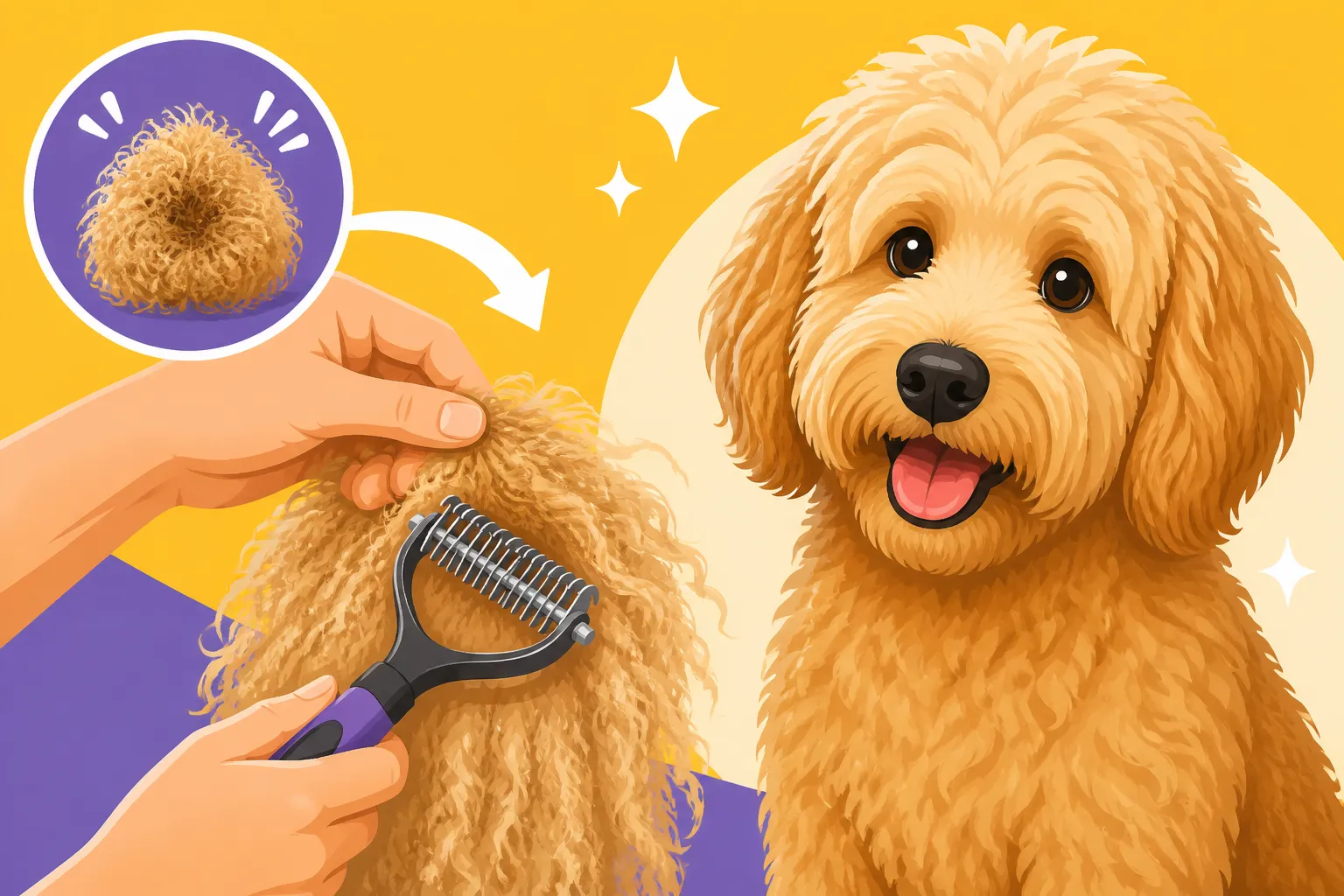
- Mat Splitters: These tools typically have a curved blade with a blunt tip. Their purpose is to slice through a mat in the direction of hair growth, breaking it into smaller, more manageable sections. You're not cutting the entire mat out, but rather creating channels within it. This significantly reduces the bulk and allows your comb to work through the smaller pieces. Crucially, always place your fingers between the mat and your dog's skin to protect the skin before inserting the splitter. Use short, controlled strokes.
- Dematting Rakes: These look like rakes with sharp, curved blades or teeth. They are designed to cut through dense undercoat and mats. While they can be effective for severe matting, they are also prone to causing "clipper burn" or skin irritation if used too aggressively or on very tight mats. Many groomers prefer not to use them due to the risk.
- When to Be Wary: If you're new to grooming or if the mat is very tight and close to the skin, it's often best to avoid these tools or use them with extreme caution. The risk of accidentally cutting or irritating your Goldendoodle's delicate skin is high. For many Goldendoodle owners, a good slicker brush, a metal comb, and a quality detangling spray will be sufficient for preventative care and smaller mat removal. If a mat feels too dense or too close to the skin for these basic tools, it's usually a sign that professional intervention is needed. Always prioritize your dog's comfort and safety over trying to save a few dollars by tackling a difficult mat yourself.
| Tool Type | Primary Use | How It Helps with Mats | Caution / Best Practice |
|---|---|---|---|
| Slicker Brush | Daily brushing, preliminary detangling | Separates hair, removes loose fur, prevents tangles | Use gently; avoid scratching skin. |
| Metal Comb | Mat detection, fine detangling | Glides through knot-free hair; snags on mats, helps isolate | Work slowly from ends to root; never pull hard. |
| Detangling Spray | Lubrication, conditioning | Softens hair, reduces friction, makes mats easier to separate | Apply generously to mat; let sit; use before brushing. |
| Blunt-Tipped Shears | Trimming, splitting mats | Safely trims around sensitive areas, carefully splits mats | NEVER cut into a mat; always place fingers between mat and skin. |
| Mat Splitter | Breaking dense mats | Slices mats into smaller, more manageable sections | Use with extreme care; protect skin with fingers. |
| Dematting Rake | Removing heavy undercoat/mats | Cuts through dense matting. | High risk of skin irritation/cuts; often best left to professionals. |
Step-by-Step Guide to Safely Removing a Mat
Okay, you've found a mat. Don't panic! With the right tools and a patient approach, you can often tackle smaller tangles at home. Remember, the key is gentle and slow.
Preparation is Key: Setting Up for Success
Before you even touch your Goldendoodle with a brush, you need to create the right environment. This isn't just about your comfort; it's about making the experience as positive and stress-free as possible for your dog.
- Choose the Right Time: Don't try to de-mat your Goldendoodle when they're bursting with energy or when you're feeling rushed. Pick a calm time of day when both of you are relaxed. A good time might be after a walk or a play session when they're a bit tired and more amenable to sitting still.
- Gather Your Tools: Have your slicker brush, metal comb, detangling spray, and some high-value treats (like small pieces of chicken or cheese) within arm's reach. You don't want to be fumbling around once you start.
- Find a Comfortable Spot: A non-slip surface where your dog can stand or lie down comfortably is ideal. For smaller Goldendoodles, a sturdy table with a non-slip mat can be great for saving your back. For larger dogs, a comfortable spot on the floor is fine. The goal is to minimize movement and make it easy for you to access the matted area.
- Positive Reinforcement: This is huge! Before you even start brushing, offer a treat and some calm praise. Throughout the process, if your dog stays still and tolerates the brushing, reward them frequently. This helps them associate grooming with positive experiences, making future sessions much easier. For more tips on this, look into Why Goldendoodle Grooming Training Starts Week One.
The Gentle Attack: Technique for Smaller Mats
Once you're set up, it's time to approach those smaller, more manageable mats. Remember, patience is your superpower here.
- Isolate the Mat: Gently part the surrounding hair to expose the mat. Hold the hair at the base of the mat (closest to the skin) with your fingers. This is critically important because it prevents you from pulling on the skin, which is painful for your dog. You are essentially creating a buffer between the mat and your dog's body.
- Saturate with Detangler: Liberally spray the mat with your chosen detangling spray. Make sure the mat is thoroughly saturated. Let it sit for a minute or two to allow the product to penetrate and soften the hair. This step is a game-changer; don't skip it!
- Finger Pick First: Before reaching for any tools, try to gently pull apart the edges of the mat with your fingers. Start from the very ends of the hair, working your way towards the base of the mat. You're trying to break the large mat into smaller, more manageable sections. This reduces the strain on the hair and skin.
- Work with the Slicker Brush (Line Brushing): Once you've broken it down a bit with your fingers, use your slicker brush. Start at the very tip of the mat and gently brush outwards, away from the skin. Don't try to pull the whole mat through the brush at once. Instead, lift sections of hair and brush small amounts at a time, working underneath the mat, then through it. This technique is often called Line Brushing a Goldendoodle Section by Section.
- Follow with the Metal Comb: After brushing a section with the slicker, immediately follow up with the metal comb. Start with the wide-toothed side, again, from the very ends of the hair, working your way down to the skin. If the comb snags, go back with your slicker brush and detangler until you can comb through that section smoothly. Only once the wide-toothed side glides through, move to the finer-toothed side to ensure all tangles are gone.
- Praise and Treat: Every few minutes, especially after successfully working through a section, give your Goldendoodle praise and a treat. Keep the atmosphere positive.
Tackling Tougher Mats: Patience and Precision
Sometimes, you encounter a mat that's a bit more stubborn—maybe an Armpit and Collar Mats on a Goldendoodle that has tightened up. These require even more patience and a slightly different approach.
- Assess the Situation: First, gently feel around the mat. How close is it to the skin? Is the skin red or irritated underneath? If the mat is extremely tight, pulling the skin taut, or if the skin is already inflamed, it might be beyond home care.
- More Detangler, More Time: For tougher mats, don't skimp on the detangling spray. Apply it liberally, really working it into the mat with your fingers, and let it sit for a good 5-10 minutes. The longer it soaks in, the more the hair softens, making it easier to separate.
- Smallest Sections Possible: Instead of trying to tackle the whole mat, focus on breaking it down into the absolute tiniest sections you can manage. Use your fingers to try and gently pull apart the outer edges of the mat.
- Use the Comb's Edge (Very Gently): With very tough mats, you might use the corner of your metal comb. Place your fingers between the mat and the skin, then gently work the very edge of the wide-toothed comb into the mat, parallel to the skin, and try to wiggle it a little to separate a few strands. You are not combing through; you are teasing apart the mat. This is where immense patience is required. Work on literally a few hairs at a time.
- Consider Splitting (with Caution): If the mat is large and dense but still relatively far from the skin, you might consider using a mat splitter as described earlier, but only if you are confident and can always keep your fingers between the tool and the skin. Remember, never cut across the mat; always slice in the direction of hair growth. If you are at all hesitant, stop.
- When to Stop and Call a Pro: There comes a point where working a mat out yourself causes more stress and pain to your Goldendoodle than it's worth. If your dog is showing signs of distress (whining, trying to bite, constantly pulling away), if the mat is too tight against the skin, if the skin looks red or raw, or if you simply cannot make progress, it's time to admit defeat gracefully. Trying to force a mat out can injure your dog and make them hate all future grooming. A professional groomer has specialized tools and techniques to deal with severe matting humanely.
When to Call in the Professionals (and Prevent Future Mats)
Knowing your limits and when to seek professional help is a sign of a responsible Goldendoodle parent. Sometimes, the matting is simply too much for home care.
Recognizing When a Mat is Beyond Home Care
It's a tough call sometimes, isn't it? You want to do what's best for your pup, but also save a few bucks. However, some mats are just too far gone for DIY. Here are clear signs that it’s time to call in the professionals:
- Pelted Mats: If the matting covers large sections of your Goldendoodle’s body and feels like a solid, dense blanket of felt against the skin, it's pelted. These are impossible and unsafe to comb out at home. Trying to do so will cause immense pain and can seriously injure your dog.
- Mats Too Close to the Skin: If you can’t get your fingers between the mat and your Goldendoodle's skin, it means the mat is pulled very tightly. This increases the risk of cutting the skin if you try to use scissors or a mat splitter, or causing clipper burn if you attempt to shave it with regular clippers.
- Widespread Matting: You started with one mat, but now you're finding several, or it seems like the tangles are spreading faster than you can tackle them. This indicates the coat is generally neglected and needs a full professional overhaul.
- Dog is in Pain or Distressed: If your Goldendoodle whines, snaps, tries to bite, or shows extreme discomfort when you attempt to touch the mat, stop immediately. Their pain threshold has been reached, and continuing will only traumatize them and make future grooming harder.
- Skin Irritation or Infection: If you see any redness, sores, scabs, or a foul odor coming from under a mat, that's a sign of underlying skin issues, potentially Goldendoodle Hot Spots Under a Thick Coat. A groomer can remove the mat, but a vet visit will be necessary to address the skin problem.
- You're Not Making Progress: You've tried all the gentle techniques, used detangler, and spent a good amount of time, but the mat isn't budging or is only getting worse. It's okay to know when to wave the white flag.
The Groomer's Approach to Severe Matting
When you bring a severely matted Goldendoodle to a professional groomer, their priority is the dog's comfort and safety. Often, the most humane and safest option is a full shave-down.
- Shave-Down is Humane: This means using clippers to carefully shave off all the matted hair down to a very short length, often with a very short blade (like a #10 or even a #40). While it might be a shock to see your fluffy Goldendoodle suddenly look like a different dog, it's the kindest thing to do. It instantly relieves the pulling and pain, allowing the skin underneath to breathe and heal. Trying to de-mat a severely pelted dog by hand can take hours, causing extreme stress and pain, and sometimes even requiring sedation from a vet.
- Clipper Burn Risk: Even a professional groomer faces risks with severe matting. The skin underneath tight mats can be thin, fragile, and inflamed. Clippers can cause "clipper burn" (skin irritation) even with the most careful technique. Your groomer will do their best to avoid this, but it's a possibility you need to be aware of.
- Increased Cost: Be prepared for a higher grooming fee for severely matted dogs. Groomers often charge "dematting fees" or "shave-down fees" because the process is time-consuming, requires extra care, dulls their blades quickly, and carries inherent risks. This cost is totally justified for the skilled and careful work involved.
- Post-Shave Care: After a shave-down, your groomer will likely give you instructions for caring for your Goldendoodle's exposed skin. It might be sensitive or flaky, and you'll need to protect it from the sun. This is a fresh start for the coat, offering an opportunity to implement a rigorous preventative grooming routine.
Preventative Measures: Daily Routines to Avoid Mats
The best way to deal with mats is to prevent them from forming in the first place! Consistent, proactive grooming is the cornerstone of Goldendoodle coat care.
- Daily Brushing: This is non-negotiable, especially for Goldendoodles with curlier or denser coats. Dedicate at least 10-15 minutes every single day to line brushing your Goldendoodle. Focus on those notorious matting spots: behind the ears, armpits, inner thighs, under the collar, and the tail. If you can make brushing a pleasant daily ritual with treats and praise, your dog will enjoy it, and you’ll catch tangles before they become serious mats. Review Brushing a Goldendoodle Three Times a Week for the absolute minimum.
- Regular Professional Grooming: Even with daily home brushing, most Goldendoodles need professional grooming every 6-8 weeks. Professional groomers have the tools, expertise, and high-velocity dryers to ensure the coat is thoroughly cleaned, dried, and trimmed, preventing mats that develop from dampness or overgrown hair. Booking a Goldendoodle Groom Six Weeks Out should be a standing appointment on your calendar.
- Proper Bathing and Drying: If you bathe your Goldendoodle at home, always brush before the bath to remove any existing tangles. Water makes mats much tighter and harder to remove. After bathing, use a high-velocity dryer (like the pros use) or a good quality human hairdryer on a cool setting, while brushing constantly. Leaving a Goldendoodle's coat to air dry almost guarantees matting as the hair dries in tangles.
- Use the Right Products: A good quality dog shampoo and conditioner, followed by a detangling spray, can make a huge difference in keeping the coat manageable. Conditioner helps to keep the hair smooth and less prone to tangling.
- Check High-Friction Areas: Pay extra attention to areas where friction occurs: under collars and harnesses, where legs rub against the body, and behind the ears. These are the Armpit and Collar Mats on a Goldendoodle spots that appear quickly.
- Nutrition for Coat Health: A healthy diet contributes to a healthy coat. Ensure your Goldendoodle is eating a high-quality food. Some owners find that fresh food options, like those from Ollie, can contribute to overall coat health and manageability. Omega-3 fatty acid supplements can also support skin and coat health, making the hair stronger and less prone to breakage and matting.
- Monitor During Coat Change: Be extra vigilant during the Goldendoodle Coat Change at Eight to Twelve Months. This is a critical period where mats can form incredibly quickly. Daily, thorough brushing is essential.
By staying proactive and consistent, you can enjoy your Goldendoodle’s beautiful coat without the constant battle against painful mats, ensuring your furry companion is happy, healthy, and comfortable.
Disclaimer
This article is for general informational purposes only and does not constitute professional advice. Laws, prices and regulations vary by location and change over time. Consult a qualified professional for guidance on your specific situation.