Keeping Two Meals While a Goldendoodle Loses Weight
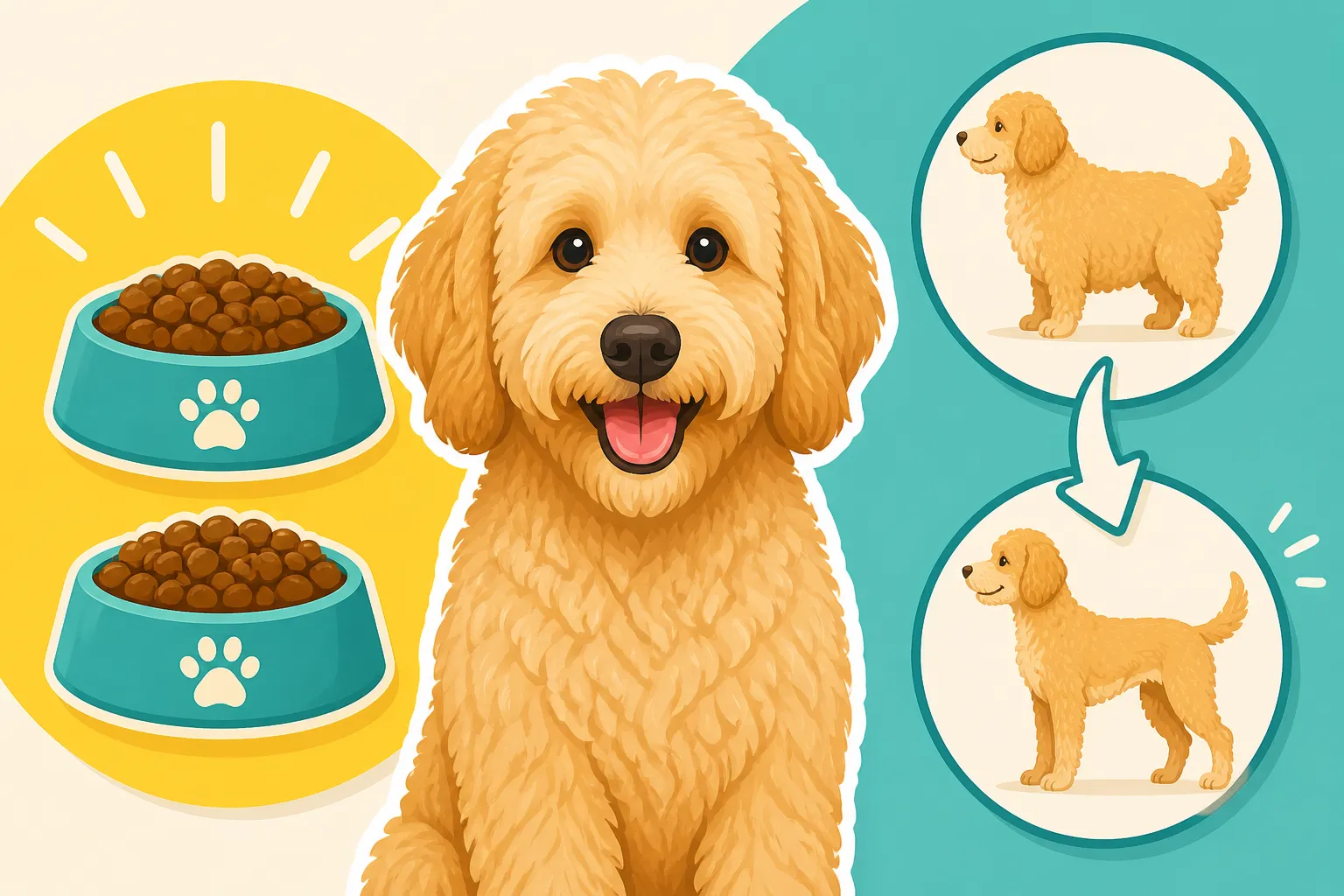
It’s a common dilemma for Goldendoodle parents: your beloved furry friend needs to shed a few pounds, but you're worried about cutting back on meals. You want them to feel full and happy, not starved, and you definitely don't want to disrupt their routine or encourage undesirable behaviors like counter surfing. This guide is here to assure you that a healthy weight loss journey for your Goldendoodle absolutely can, and often should, involve maintaining two consistent meals a day, offering strategies to achieve this balance.
Why Maintaining Two Meals is Important for Your Goldendoodle
When your veterinarian tells you your Goldendoodle is carrying a bit too much weight, the first instinct might be to reduce their food frequency, perhaps cutting them back to one large meal a day. However, for a Goldendoodle, and many dogs, maintaining their twice-daily feeding schedule can actually be incredibly beneficial for both their physical and mental well-being during a weight loss program. It’s not just about the calories; it’s about the routine, the feeling of satiety, and even managing potential health risks.
Digestive Health and Stability
Think about your own digestion. Eating one massive meal a day might leave you feeling sluggish and overstuffed, while smaller, more frequent meals tend to keep things running smoothly. The same often goes for our Goldendoodles. Their digestive systems thrive on regularity. Providing two balanced meals helps maintain a consistent rhythm, preventing sudden spikes or drops in blood sugar that can lead to digestive upset, nausea, or even vomiting bile if their stomach is empty for too long.
When a Goldendoodle goes too long between meals, their stomach acid can build up, leading to discomfort. Splitting their daily caloric intake into two meals, morning and evening, helps keep their digestive tract gently working throughout the day. This reduces the risk of tummy troubles and makes the weight loss process more comfortable for them. It’s all about creating a stable internal environment while gradually reducing their overall caloric intake.
Managing Hunger and Behavior
Goldendoodles are often known for their intelligent, food-motivated personalities, inheriting that eager-to-please nature from the Golden Retriever side and the cleverness from the Poodle. This means they can be very persuasive when they're hungry. If you suddenly switch to one meal a day, you might find your Goldendoodle becoming an absolute pest around meal times, engaging in excessive begging, pacing, or even escalating behaviors like counter surfing. They're just trying to tell you they're still hungry!
By keeping two meals, you're providing consistent opportunities for them to feel full and satisfied. Even if the individual meal portions are smaller, the psychological comfort of knowing a meal is coming at regular intervals can significantly reduce anxiety and unwanted behaviors. It helps them feel less deprived and more secure in their routine. This approach supports their emotional well-being, which is just as crucial as their physical health during any dietary change.
Avoiding Bloat Risk in Larger Goldendoodles
For our larger Goldendoodles, especially Standard Goldendoodles, there's a serious health concern called Gastric Dilatation-Volvulus (GDV), more commonly known as bloat. This life-threatening condition involves the stomach filling with gas and then twisting, cutting off blood supply. While the exact causes aren't fully understood, one major risk factor is eating a large meal quickly, especially followed by exercise.
Feeding two smaller meals instead of one large one can help reduce the volume of food in their stomach at any given time, potentially lowering the risk associated with rapid ingestion of a big meal. It's an important consideration for any larger Goldendoodle owner, even if your dog doesn't currently gulp their food down. When discussing your Goldendoodle's weight loss plan with your vet, especially if you have a Standard-sized dog, you should absolutely bring up Bloat Risk in a Standard Goldendoodle as part of your overall health strategy. Splitting the caloric intake across two meals is generally considered a safer practice for these larger breeds, whether they're trying to lose weight or not.
Strategies for Reducing Calories While Keeping Two Meals
Okay, so we're committed to the two-meal-a-day schedule. But how do we actually make sure our Goldendoodle is shedding those extra pounds without feeling constantly deprived? It’s all about smart choices and precise management. This isn’t about just cutting random amounts from their bowl; it’s a strategic approach to caloric reduction that keeps them satisfied.
Precise Portion Control
This is, hands down, the most crucial step in any successful weight loss plan for your Goldendoodle. "Eyeballing it" simply won't cut it. A slight overestimation in kibble volume can easily derail weeks of effort. Dog food manufacturers provide feeding guidelines, but these are often broad ranges for "average" dogs, not for specific individuals who need to lose weight.
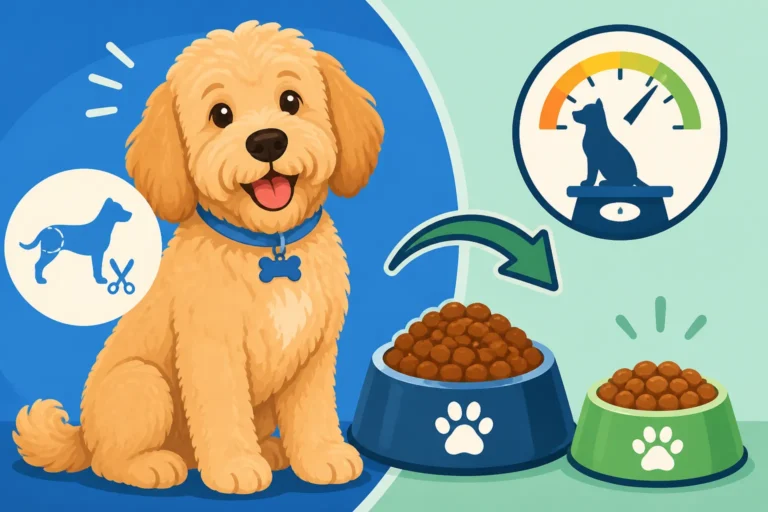
You'll need a good quality kitchen scale to weigh your Goldendoodle's food accurately. This might sound like an extra step, but trust me, it makes all the difference. Kibble density can vary greatly, so measuring by volume (cups) is inherently less accurate than weighing by grams or ounces. Your vet will give you a target daily calorie intake for your Goldendoodle's ideal weight, and then you’ll divide that total by two for each meal. For instance, if your Goldendoodle needs 800 calories a day to lose weight, each meal would be 400 calories. Then, you'll consult your dog food's label for its caloric density (kcal/cup or kcal/gram) and use the scale to ensure precision. Daily Calories for a Standard Goldendoodle can be a great starting point for understanding their needs. You can find reliable kitchen scales on platforms like Amazon or Chewy.
Choosing Lower Calorie, High Volume Foods
Not all dog foods are created equal, especially when it comes to caloric density. Many regular maintenance formulas are packed with calories per serving, which makes it incredibly difficult to feed enough volume to satisfy a hungry Goldendoodle on a diet. This is where diet-specific or "light" formulas come in handy. These foods are designed with lower calorie counts per cup and often contain higher fiber content.
Fiber is your friend during weight loss. It helps your Goldendoodle feel fuller for longer without adding a significant number of calories. When you're browsing the aisles or shopping online, look for ingredients like peas, lentils, or beet pulp in the top few ingredients. These contribute to that satisfying bulk. Some premium fresh food services like Ollie also offer tailored plans that can be adjusted for weight loss, ensuring both nutrition and controlled calories. Remember, the goal is to give them a satisfying volume of food that keeps them feeling full, even with fewer calories overall.
Incorporating Safe, Low-Calorie Add-ins
Even with a diet-specific food, those smaller portions can look, well, small in a hungry Goldendoodle's bowl. This is where strategic low-calorie add-ins become invaluable. They can bulk up a meal, add variety, and increase satiety without packing on the pounds.
Consider adding a small amount of steamed green beans, cooked carrots, or pumpkin puree (plain, not pie filling) to each meal. These are excellent sources of fiber and moisture, and most Goldendoodles absolutely love them. A handful of fresh blueberries or slices of apple (without seeds or core) can also be a nice, low-calorie treat mixed into their meal. Always introduce new foods slowly to avoid stomach upset, and ensure anything you add is safe for dogs. What a Goldendoodle Should Never Eat is a crucial resource to consult before adding any human foods to their diet. These little additions can make a significant psychological difference for your Goldendoodle, turning a small meal into a more substantial and exciting culinary experience.
Addressing the Psychological Aspect of Dieting for Your Goldendoodle
Weight loss isn't just about the physical act of eating less; it's also about managing your Goldendoodle's expectations and keeping them happy and engaged. A dog on a diet can sometimes feel bored or frustrated, especially if they're used to a more liberal approach to food. We want our Goldendoodles to thrive, not just survive, through their weight loss journey.
Making Meals More Engaging
Mealtime for a Goldendoodle is often over in a flash, especially for the food-motivated ones! When they're on a reduced-calorie diet, those quick meals can leave them feeling unsatisfied. That’s where making mealtime last longer and requiring a bit more "work" can really help.
Slow-feeder bowls are fantastic for this. They have ridges or mazes that force your Goldendoodle to eat around obstacles, significantly slowing down their consumption. This gives their brain a chance to register fullness and makes the meal feel more substantial. Even better are puzzle feeders or KONG-type toys, especially for their second meal of the day. You can stuff these with a portion of their kibble, perhaps softened with a bit of water or mixed with a spoonful of pumpkin puree and frozen. This turns a quick meal into a 15-30 minute mental and physical activity. Not only does it extend mealtime satisfaction, but it also provides valuable mental enrichment, which is especially important for intelligent breeds like Goldendoodles. Platforms like Chewy and Amazon offer a wide variety of these engaging feeders. Puzzle Toys That Occupy a Goldendoodle for an Hour delves into more ideas for mental stimulation.
Managing Treats and Snacks
This is often where many weight loss plans fall apart. We love to spoil our Goldendoodles, and a little treat here and there seems harmless, right? The calories from treats add up fast, especially for smaller Goldendoodles or those already on a restricted diet.
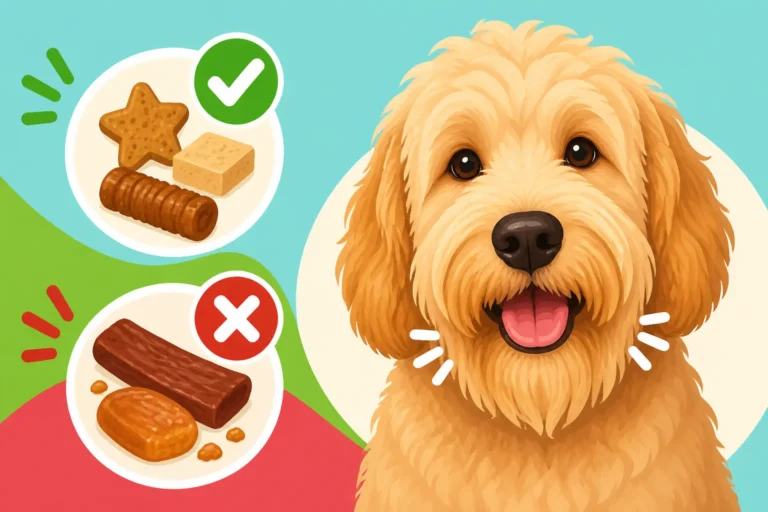
The key is to incorporate treats into their daily calorie budget. If your Goldendoodle needs 800 calories a day, and 600 come from their two meals, that leaves 200 calories for training treats or snacks. Choose low-calorie options like small pieces of cooked chicken breast, baby carrots, or specialized diet treats. Break them into pea-sized pieces to make them last longer during training sessions. You can also use a portion of their daily kibble as training rewards, which means no extra calories! Be mindful of anyone else in the household who might be giving treats, making sure everyone is on the same page about the diet plan.
Increasing Activity Levels Strategically
Diet and exercise go hand-in-hand for effective weight loss. While we're focusing on managing their food intake, we can’t forget the other side of the equation. However, simply sending an overweight Goldendoodle out for a massive, strenuous run might do more harm than good, especially if they have underlying joint issues exacerbated by their weight. Goldendoodle Weight Gain and the Strain on Joints is a very real concern.
The goal is to increase their activity gradually and consistently. Start with more frequent, shorter walks throughout the day, perhaps adding a third short walk if your schedule allows. Incorporate play sessions like fetch in the yard, but be mindful of their current fitness level. Swimming can be an excellent low-impact exercise for Goldendoodles, many of whom love the water, as it's easy on their joints. Mental exercise, like nose work or training new tricks, also burns calories and tires them out without putting excessive strain on their bodies. Think about what your Goldendoodle enjoys and build a fun, sustainable exercise routine. Goldendoodle Exercise for Body and Mind provides more ideas for keeping them active.
Monitoring Progress and Adjusting the Plan
Weight loss in Goldendoodles, like in humans, isn't always a linear journey. There will be weeks where the scale doesn't budge, or even shows a slight increase. This is normal, and it's why consistent monitoring and communication with your vet are so important. Don't get discouraged! Stay consistent and be prepared to make minor adjustments.
Regular Weigh-ins and Body Condition Scoring
Regularly weighing your Goldendoodle is the most straightforward way to track progress. Aim for a weekly or bi-weekly weigh-in, at the same time of day (e.g., before their morning meal), to get the most consistent readings. For smaller Goldendoodles, a bathroom scale might work if you can weigh yourself, then yourself holding your dog, and subtract the difference. For larger Goldendoodles, you might need to use the scale at your vet's office. Keep a log of their weight so you can see trends over time.
Beyond the number on the scale, learning to perform a body condition score (BCS) is invaluable, especially with a Goldendoodle's fluffy coat. You need to feel their body, not just look at it. You should be able to feel their ribs without pressing hard, and they should have an hourglass shape when viewed from above, with a tuck in their abdomen when viewed from the side. If you can't easily feel their ribs, or they look "blocky," they still have weight to lose. Finding Ribs Through Two Inches of Goldendoodle Hair offers detailed guidance on this.
Consulting Your Veterinarian
Your veterinarian is your most important partner in your Goldendoodle's weight loss journey. Before starting any diet, always consult them. They can rule out any underlying medical conditions that might be contributing to weight gain (like thyroid issues) and help you determine a safe and effective target weight and daily caloric intake. They can also advise on How Fast a Goldendoodle Can Safely Lose Weight.
Once your Goldendoodle is on the diet, schedule regular check-ins with your vet. These visits allow them to monitor your dog's progress, assess their overall health, and make any necessary adjustments to the plan. If your Goldendoodle isn't losing weight as expected, or if they seem overly hungry or lethargic, your vet can help troubleshoot. They might suggest further dietary modifications, an increase in exercise, or even specific supplements to support their metabolism. Don't hesitate to reach out to them if you have questions or concerns; they're there to help you ensure your Goldendoodle reaches and maintains a healthy weight safely.
Disclaimer
This article is for general informational purposes only and does not constitute professional advice. Laws, prices and regulations vary by location and change over time. Consult a qualified professional for guidance on your specific situation.