Goldendoodle Ear Care Under All That Hair
If there's one thing that consistently catches new Goldendoodle owners off guard, it's the sheer amount of dedicated ear care these beloved furry family members require. That adorable, floppy ear, coupled with a generous amount of hair both inside and out, creates a perfect storm for persistent, uncomfortable, and often expensive ear infections. This guide is here to walk you through everything you need to know to keep your Goldendoodle's ears healthy, happy, and infection-free, helping you prevent those frustrating trips to the vet and the pain your pup might endure.
The Unique Challenges of Goldendoodle Ears
Let's face it, those soft, furry Goldendoodle ears are a huge part of their charm. They frame their sweet faces perfectly and are just begging for a gentle scratch. However, from a health perspective, they present a distinct set of challenges that purebred dogs with erect ears or less hair don't typically encounter. Understanding these unique anatomical quirks is the first step toward proactive ear health.
The Anatomy of a Furnished Ear
A Goldendoodle's ear isn't just floppy; it's what we in the doodle world call "furnished." This means it's heavily feathered with the same soft, curly hair that covers the rest of their body. While undeniably cute, this dense hair acts like a living blanket over the ear canal, dramatically reducing airflow. Imagine trying to air out a damp towel under a thick comforter – that's essentially what your Goldendoodle's ear canal is experiencing.
This lack of air circulation creates a warm, moist, and dark environment. It's the ideal breeding ground for bacteria and yeast, the primary culprits behind most Goldendoodle ear infections. The ear flap itself, which varies in thickness and length depending on the individual dog, then traps any moisture, debris, or irritants right against the opening of the canal. Owners often don't realize how insulated these ears truly are until they start feeling the warmth emanating from them, even when the rest of the dog is cool. This constant warmth and humidity weaken the skin's natural defenses, making it much more susceptible to invaders.
Hair Growth and Moisture Trapping
Beyond the external ear flap, many Goldendoodles also have a significant amount of hair growing inside their ear canals. This isn't just a few stray strands; for some, it can be a veritable forest of fine, curly hair extending deep into the ear. This internal hair further compounds the problem of airflow, turning an already damp environment into a suffocating one. This is a common inherited trait, coming from the Poodle side of their lineage, and it’s a major factor in why Goldendoodle ears are so prone to issues.
Think of that ear hair as a filter, but not a helpful one. It traps wax, dirt, and moisture that would otherwise naturally make their way out of the ear. Every time your Goldendoodle shakes their head, swims, or gets a bath, water can easily get caught in this internal hair, sitting stagnant and promoting microbial growth. This is why you'll often hear about Goldendoodle Ear Hair and Chronic Infection, because the hair itself becomes a reservoir for trouble. Without careful management, this hair can become matted deep within the canal, creating impenetrable blockages that hold infection close to the delicate eardrum.
Common Ear Ailments and Their Causes
Goldendoodle ears seem to have a magnetic pull for all sorts of trouble. Knowing what you're up against is critical, not just for treatment but for prevention. It's often a cycle, where one problem leads to another, leaving both you and your Goldendoodle feeling miserable.
Bacterial and Yeast Infections
These are by far the most frequent invaders of a Goldendoodle's ear canal. Bacterial infections often manifest with a strong, unpleasant odor, redness, swelling, and sometimes a yellowish or pus-like discharge. Your dog might be extremely painful to the touch around the ear. Yeast infections, on the other hand, typically present with a sweet, yeasty smell (often described as like old bread or corn chips), a brownish, waxy discharge, and intense itching. It's not uncommon for a Goldendoodle to suffer from both a bacterial and yeast infection simultaneously, especially after a period of unchecked moisture or irritation.
The root cause often goes back to the lack of ventilation and moisture entrapment we discussed earlier. When the natural balance of the ear is disrupted, these opportunistic organisms seize the chance to multiply. Swimming is a huge trigger; a quick dip on a hot day can turn into a nasty ear infection if the ears aren't dried thoroughly afterward. Even high humidity in the air can be enough to tip the scales. These infections aren't just uncomfortable; they can spread deeper into the ear, potentially leading to more serious issues like middle or inner ear infections, which are much harder to treat and can impact hearing and balance.
Allergies and Secondary Infections
Many Goldendoodles inherit a predisposition to allergies, either from their Golden Retriever or Poodle ancestors. These allergies can be environmental (pollen, dust mites), food-related (specific proteins), or contact allergies (reaction to certain materials). When a Goldendoodle experiences an allergic reaction, one of the primary ways it manifests is through itchy, inflamed skin – and the ears are a prime target. The skin inside the ear canal becomes red, swollen, and incredibly itchy.
This initial allergic irritation often leads to a vicious cycle. The itching causes the dog to scratch, rub, or shake their head excessively, which further inflames the ear and can break the delicate skin barrier. This compromised skin then becomes an open invitation for opportunistic bacteria and yeast to move in, resulting in a secondary infection. So, while you might be treating a bacterial or yeast infection, the underlying problem could be an allergy that continues to trigger the cycle. Addressing Goldendoodle Allergies and Itchy Skin is often crucial for breaking the pattern of recurrent ear infections.
Ear Mites and Foreign Bodies
While less common than bacterial or yeast infections, ear mites can certainly make a Goldendoodle's life miserable. These tiny parasites cause intense itching and produce a dark, crumbly discharge that often resembles coffee grounds. They are highly contagious, so if one pet has them, others in the household might too. They are particularly common in puppies and dogs with a history of exposure to other animals.
Foreign bodies are another potential, though thankfully rarer, cause of ear issues. Grass awns, sometimes called foxtails, are notorious for burrowing into ear canals, especially in dogs who run through tall grasses. Small pebbles, sand, or even hardened clumps of wax and hair can also act as irritants. These foreign bodies can cause sudden, intense discomfort, head shaking, pawing at the ear, and sometimes bleeding or a foul odor if an infection develops around them. Finding and removing these requires a vet's expertise, as attempting to do it yourself can push the object deeper or cause injury.
Your Essential Goldendoodle Ear Care Routine
Establishing a consistent ear care routine is not optional for a Goldendoodle; it's absolutely vital. This isn't just about cleaning when you see a problem, but preventing problems from ever starting. Think of it as brushing your teeth – you do it regularly to avoid cavities, not just when you have a toothache.
Weekly Cleaning Steps
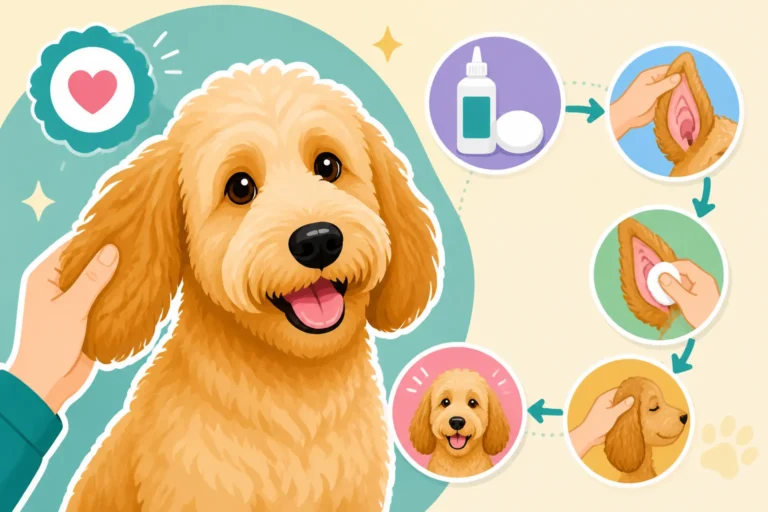
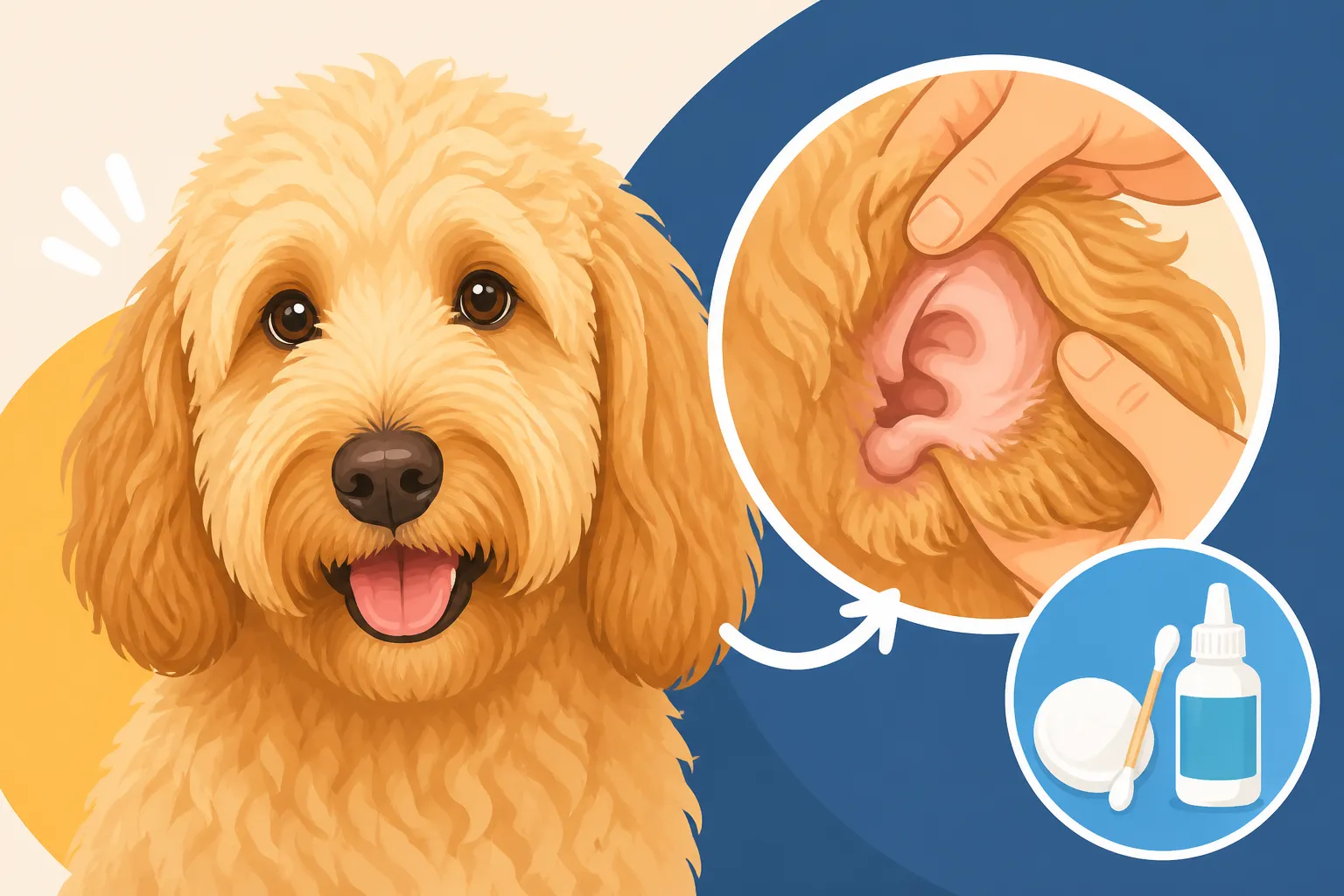
A thorough weekly ear cleaning should become a non-negotiable part of your Goldendoodle's grooming regimen. The goal is to remove excess wax, dirt, and any trapped moisture, thereby reducing the chances of microbial overgrowth. Start by gathering your supplies: a veterinarian-approved ear cleaning solution and plenty of cotton balls or gauze pads. Avoid cotton swabs (Q-tips) for cleaning deep inside the canal, as they can push debris further in or even damage the eardrum.
To clean, gently pull your Goldendoodle's ear flap back to expose the ear canal. Squirt a generous amount of ear cleaning solution directly into the ear canal until it's full. Don't be shy – you need enough solution to really flush things out. Then, gently massage the base of the ear for about 20-30 seconds. You should hear a squishy sound, which means the solution is breaking up wax and debris. Let your Goldendoodle shake their head, as this helps dislodge material. Finally, use the cotton balls or gauze pads to wipe away any discharge, wax, and solution from the visible parts of the ear, including the inner ear flap. Repeat with fresh cotton until no more debris comes out. Cleaning a Goldendoodle Ear Before It Gets Infected is a much better experience for everyone than trying to clean an already painful ear. When you're looking for quality ear cleaner solutions, you can often find a wide variety of veterinarian-recommended brands on sites like Chewy or Amazon, making it convenient to stock up on essentials.
Drying After Baths and Swims
This step is arguably the most critical for Goldendoodles, and it's often overlooked. Their floppy, furnished ears are superb at trapping moisture, and a damp, warm environment is a petri dish for ear infections. Every single time your Goldendoodle gets wet – after a bath, a swim in the lake, a romp in the rain, or even just a particularly dewy morning walk – their ears must be thoroughly dried.
After a bath, gently blot the outer ear flap and the entrance to the ear canal with a clean, soft towel. Then, use a cotton ball or gauze pad to carefully wipe out any visible moisture from the accessible parts of the ear. For more thorough drying, especially after swimming, consider using a specialized pet dryer on a low, cool setting, holding it a safe distance from the ear. You can also use a fan. The key is to ensure the ear canal is as dry as possible. Never allow your Goldendoodle to air dry if their ears have gotten wet. This diligent drying routine, in conjunction with weekly cleaning, is your strongest defense against the common Goldendoodle Ear Infections Under a Furnished Ear. Understanding Why a Wet Goldendoodle Ear Has to Be Dried Fast can truly save you from a lot of heartache.
Tools and Products for Healthy Goldendoodle Ears
Having the right arsenal of tools and products makes ear care much easier, safer, and more effective. It’s not just about what you use, but how you use it, and knowing which products are genuinely beneficial versus those that might cause more harm than good.
Choosing the Right Cleaners and Cotton
When it comes to ear cleaning solutions, quality matters. Look for solutions specifically formulated for dogs, ideally recommended by your veterinarian. These often contain gentle drying agents, antiseptics, and sometimes ingredients to break down wax. Avoid harsh chemicals, alcohol-based solutions, or anything not explicitly designed for canine ears, as these can cause irritation, dryness, or even chemical burns in sensitive ear canals. Many reputable brands offer specific "drying" solutions, which are excellent for post-swim or post-bath use, as well as general "cleaning" solutions for routine maintenance.
For application, plain cotton balls or soft gauze pads are your best friends. They are absorbent and gentle on the delicate skin inside the ear. As mentioned before, resist the temptation to use cotton swabs deep inside the ear. While they might be fine for cleaning the visible folds of the outer ear, inserting them into the canal can compact debris, scratch the ear canal lining, or even rupture the eardrum. Always have plenty on hand, as you'll want to use fresh cotton for each wipe until the ear is clean. You can easily find these essentials in bulk from pet supply retailers like Chewy or grab a bundle of them during your next Amazon order.
Grooming Tools for Ear Hair Management
Managing the hair inside and around your Goldendoodle's ears is a critical component of preventing infections. For those with significant internal ear hair, removal is often recommended to improve airflow. This can be done by a professional groomer or veterinarian, who might pluck the hair using specialized forceps or use clippers with a very small blade attachment. The decision to pluck or clip often depends on the dog's tolerance and the specific groomer's or vet's preference. Some dogs find plucking uncomfortable, especially if done improperly or when the hair is dry and thick.
For the hair on the outer ear flap and around the opening, regular trimming is essential. This prevents matting, which can further block air and trap moisture. A good pair of blunt-nosed grooming scissors or small clippers can be used to trim this hair. If you're tackling this at home, always be extremely careful and use safety-tipped scissors to avoid accidental nicks. Learning How a Groomer Removes Goldendoodle Ear Hair can give you insights into safe techniques, even if you opt for professional care. For those brave enough to tackle ear hair at home, you'll find specialized tools, like blunt-nosed scissors and ear powder, available through retailers like Amazon, alongside detailed how-to guides.
Recognizing the Warning Signs of Ear Trouble
Your Goldendoodle can't tell you in words that their ear hurts, but they certainly communicate it through their behavior and physical signs. Being vigilant and knowing what to look for can help you catch an ear infection early, preventing it from escalating into a more severe, painful, and costly problem.
Visual Cues and Odors
One of the most immediate indicators of an ear problem is a noticeable change in the appearance or smell of the ear. Healthy Goldendoodle ears should be clean, dry, and free of strong odors. The skin inside the ear flap should be a pale pink color, similar to the color of the skin on your own inner arm. Look for redness or swelling of the inner ear flap or within the visible ear canal. Is there any discharge? It could range from a waxy, dark brown substance (often indicative of yeast or mites) to a yellowish or pus-like discharge (more common with bacterial infections). Crusts, scabs, or sores around the ear opening are also red flags.
Perhaps the most unmistakable sign is an odor. If your Goldendoodle's ear suddenly smells foul, musty, sweet, or like corn chips, an infection is almost certainly brewing. Don't ignore a smell, even if you don't see much discharge. The smell often precedes visible signs. A helpful tip is to gently lift your dog's ear flap and take a sniff during your weekly check. If it smells different from normal, it's time to pay closer attention. Catching a Goldendoodle Ear Infection Under the Hair early is always better, and your nose is a powerful tool here.
Behavioral Changes
Beyond what you can see and smell, your Goldendoodle's behavior will often signal that something is amiss with their ears. The most common behavioral signs include excessive head shaking, pawing at the ears, or rubbing their head against furniture or the floor. They might hold one ear lower than the other, or cock their head repeatedly. When you go to pet them, they might flinch or whine when you touch their head or ears, indicating pain or tenderness. Some dogs will become generally irritable, lethargic, or lose their appetite if the pain is significant.
If the infection is particularly irritating or painful, you might notice them scratching the skin around their ears with their hind paws, sometimes aggressively enough to break the skin and cause secondary skin infections. In more severe cases, or if the infection has spread, they might exhibit signs of imbalance or disorientation, which is a definite emergency. Any sudden change in your Goldendoodle's normal behavior, particularly if accompanied by other visual or olfactory cues, warrants a closer look at their ears. Don't delay investigation when your dog is trying to tell you something is wrong.
When to Call the Vet: Professional Intervention
While proactive home care can prevent many ear issues, some problems are simply beyond the scope of at-home treatment. Knowing when to escalate from home remedies to professional veterinary care is crucial for your Goldendoodle's health and comfort. Delaying a vet visit can lead to more severe pain, more entrenched infections, and more complicated, expensive treatments down the line.
Persistent Symptoms and Severe Discomfort
If you've noticed any of the warning signs—redness, discharge, odor, head shaking, pawing—and your diligent home cleaning doesn't resolve the symptoms within a day or two, it's time to call your vet. This is especially true if the symptoms are severe from the outset, if there's any bleeding, or if your Goldendoodle is showing significant pain or distress. A severe ear infection can be incredibly uncomfortable, and leaving it untreated prolongs their suffering.
Furthermore, if your Goldendoodle has a history of recurrent ear infections, or if you suspect an underlying issue like allergies or a foreign body, a vet visit is imperative. You might be seeing the same brown gunk over and over, and while you're cleaning it, the root cause isn't being addressed. This is where your vet can offer invaluable insight and help you devise a long-term strategy, rather than just treating symptoms. For chronic issues, like Goldendoodle Ear Infections That Return Every Month, professional diagnosis and treatment are non-negotiable.
Diagnosing and Treating Infections
When you bring your Goldendoodle to the vet for an ear problem, they will perform a thorough examination. This typically involves using an otoscope to look deep into the ear canal, checking for foreign bodies, eardrum integrity, and the extent of any inflammation or discharge. They will often take a sample of the ear discharge for microscopic examination (cytology) to identify whether the infection is bacterial, yeast, or both, and sometimes check for mites. This step is critical because treating a bacterial infection with yeast medication, or vice versa, will not be effective and can worsen the problem.
Based on the diagnosis, your vet will prescribe appropriate medication. This could be topical ear drops or ointment, oral antibiotics, antifungals, or anti-inflammatory drugs. It's vital to follow your vet's instructions precisely, completing the full course of medication even if your Goldendoodle's ears appear to improve quickly. Stopping treatment prematurely can lead to a relapse and antibiotic resistance. In some cases, your vet might also recommend a medicated ear cleaner or a deeper flush under sedation if the canal is severely blocked. Goldendoodle Ear Infection Vet Visit Costs can add up quickly, especially with recurring issues, highlighting the importance of preventative care.
Proactive Prevention and Long-Term Management
The best defense against Goldendoodle ear infections is a strong offense. Proactive prevention isn't just about cleaning; it involves a holistic approach that considers diet, environmental factors, and professional care. It’s about building a fortress around those sensitive ears to keep trouble out.
Dietary Considerations and Allergy Management
As we touched on earlier, allergies are a huge driver of chronic ear issues in Goldendoodles. If your dog is constantly battling ear infections despite a diligent cleaning routine, it's worth exploring if an underlying allergy is the culprit. Your vet might suggest an elimination diet to rule out food allergies, or discuss allergy testing to identify environmental triggers. Managing allergies can involve diet changes, antihistamines, immunotherapy (allergy shots), or other medications prescribed by your vet.
Sometimes, simply improving your Goldendoodle's overall skin and coat health through a high-quality diet rich in omega-3 fatty acids can strengthen their skin barrier and reduce inflammation, making them less susceptible to ear problems. Consider discussing with your vet if certain supplements might benefit your dog's skin and immune system. Addressing the root cause of inflammation, rather than just treating the symptoms, is key for long-term ear health, especially for Goldendoodles prone to The Skin Disease a Goldendoodle Gets From the Poodle Line or other sensitive skin conditions.
Regular Professional Grooming and Vet Check-ups
Don't underestimate the power of a professional groomer when it comes to ear care. A good groomer who understands Goldendoodle coats and ears will not only clean your dog's ears but also trim the hair around and potentially inside the ear canal, vastly improving airflow. They can also spot early signs of trouble that you might miss. Regular appointments, ideally every 6-8 weeks, ensure consistent care. Discuss with your groomer your Goldendoodle's specific ear needs – for example, if they tend to get very hairy canals, or if they have particularly waxy ears.
Beyond grooming, routine veterinary check-ups are essential. Even if your Goldendoodle isn't showing obvious signs of an ear infection, your vet can conduct a thorough examination during their annual or bi-annual wellness visit. This allows for early detection of subtle issues, and they can offer advice tailored to your dog's individual needs and health history. Think of it as a partnership: you provide the daily and weekly care, and your groomer and vet provide the specialized interventions and oversight to ensure your Goldendoodle's adorable, but problematic, ears stay in tip-top shape. Keeping a well-stocked Goldendoodle first-aid kit, complete with ear cleaning supplies, is easier than ever with online stores like Chewy, which often have auto-ship options for recurring needs. Regular check-ups with your vet can also catch serious issues like Goldendoodle Ear Hematomas From Head Shaking before they require extensive surgery.
| Aspect of Ear Care | At-Home Routine | Professional Groomer | Veterinary Care |
|---|---|---|---|
| Frequency | Weekly / As needed after water exposure | Every 6-8 weeks | Annual / Bi-annual check-ups, or immediately if symptoms persist |
| Tasks Performed | Cleaning outer ear, applying solution, wiping, drying thoroughly | Trimming external ear hair, plucking/clipping internal ear hair (if comfortable), ear cleaning | Diagnosis of infections, microscopic evaluation, prescription medication, addressing underlying allergies, foreign body removal, surgical intervention |
| Key Benefits | Prevents minor issues from escalating, maintains cleanliness, reduces moisture | Improves airflow, prevents matting, expert hair management, early detection of issues | Accurate diagnosis, effective treatment, management of chronic conditions, prevention of serious complications |
| Tools/Products | Vet-approved ear cleaner, cotton balls/pads, towels, pet dryer | Grooming shears, clippers, forceps (for plucking), professional ear cleaning solutions | Otoscope, microscope, specific medications (antibiotics, antifungals, anti-inflammatories) |
Disclaimer
This article is for general informational purposes only and does not constitute professional advice. Laws, prices and regulations vary by location and change over time. Consult a qualified professional for guidance on your specific situation.