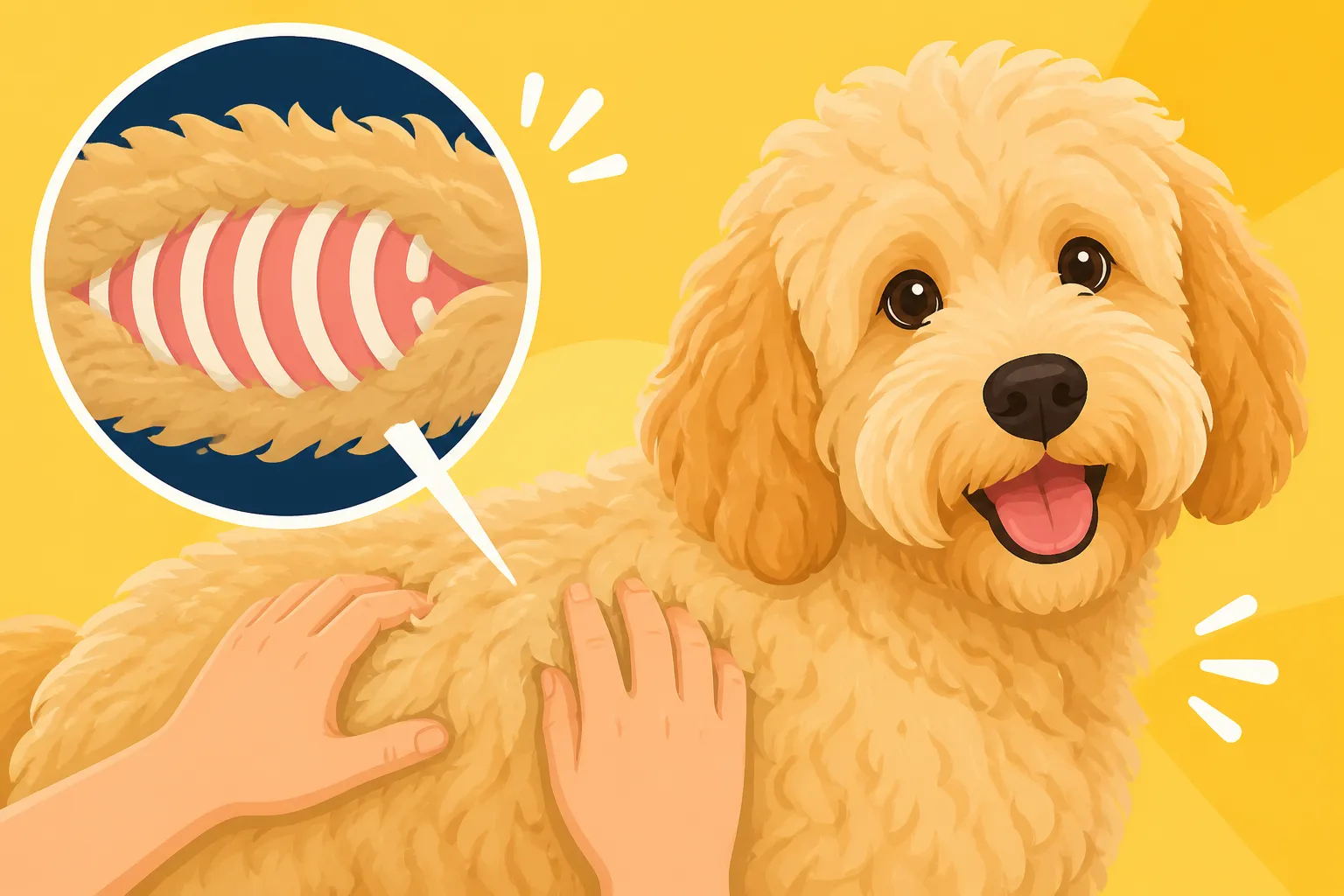
Finding Ribs Through Two Inches of Goldendoodle Hair
It’s a common frustration for Goldendoodle parents: you look at your fluffy companion and wonder if they’re gaining a bit of weight, or maybe even losing it, but that luscious coat hides everything! Unlike short-haired breeds where you can easily spot a changing waistline, a Goldendoodle's thick, often curly, fur makes it incredibly challenging to gauge their body condition. This guide is all about giving you the practical, hands-on techniques to accurately assess your Goldendoodle’s physique, ensuring they stay healthy and at their ideal weight despite their deceptive fluff.
Why Your Goldendoodle's Coat Hides Their True Figure
That gorgeous, often low-shedding, Goldendoodle coat is a double-edged sword when it comes to assessing their physical condition. What looks like a healthy, rounded pup might actually be a little chunkier than ideal, or conversely, a dog that seems fine could be a bit too lean. The depth and texture of Goldendoodle fur act like a natural illusion, making visual cues unreliable for weight management.
The "Fluff Factor" and Visual Deception
Think about it: when your Goldendoodle is freshly groomed with a short "puppy cut," they often look considerably smaller and leaner. Then, as their coat grows out, they seem to swell up again, almost like magic! This isn't actually a weight change, but purely the optical trick of their fur. This "fluff factor" means you simply cannot rely on your eyes to tell if your Goldendoodle is at a healthy weight, especially if they have a wool or curly fleece coat type. It's easy to dismiss a subtle weight gain as just more floof, or to miss signs of weight loss because their fur still gives them a full appearance. This visual deception can be a real problem because by the time you see a change, it might be quite significant.
The Importance of Tactile Assessment
Because visual assessment is so misleading, a hands-on, tactile approach is absolutely crucial for Goldendoodle owners. You need to get your hands on your dog regularly to feel what's truly underneath all that beautiful hair. This isn't just about spotting obesity; it's also about identifying if your Goldendoodle is underweight, which can be a sign of underlying health issues or simply insufficient nutrition. Learning to feel their ribs, spine, and hip bones provides objective data that visual inspection can never offer. Regular tactile checks become your most reliable tool for monitoring their health and ensuring they're getting the right Daily Calories for a Standard Goldendoodle or Daily Calories for a Mini Goldendoodle, depending on their size.
Mastering the Rib Check: Your Hands-On Guide
The key to understanding your Goldendoodle's body condition is learning how to properly feel for their ribs, spine, and waistline. This technique, often referred to as "body condition scoring," is used by veterinarians and responsible breeders, and it's something every Goldendoodle owner can master right at home. It’s all about touch, not sight.
How to Find and Feel the Ribs
To accurately feel your Goldendoodle’s ribs, start by placing both palms flat on their chest, just behind their front legs. Gently run your hands backward along their sides, applying light pressure, letting your fingertips slide across their rib cage. You're not trying to dig in, but rather to feel for the individual bumps of their ribs.
What you're aiming for is to feel the ribs distinctly, much like feeling the knuckles on your hand with your palm. They should be palpable without having to press hard, but they shouldn’t be visibly prominent or sharp-feeling. If you can easily count each rib with very little pressure, your Goldendoodle might be a little too lean. If you have to press firmly to feel them, or you can't feel them at all, your pup is likely carrying too much weight. This practice takes a little time to get used to, but with consistent checks, you'll develop a good sense of what their ideal feels like. Don't be afraid to really get in there; your Goldendoodle will likely enjoy the extra petting!
Assessing the Waistline and Spine
Beyond the ribs, checking the waistline and spine provides additional crucial clues. For the waistline, stand over your Goldendoodle and look down at their back. While their fur will likely obscure a visible "tuck," you should be able to feel a slight indentation or narrowing behind their ribs and before their hips when you run your hands along their sides. This is their waist. A healthy Goldendoodle should have a noticeable, but not exaggerated, waist when felt. If they feel like a straight cylinder from ribs to hips, or even bulge out, it's a strong indicator of excess weight.
For the spine, gently run your fingertips down the center of their back, along the top of their spine. You should be able to feel the individual bony protrusions of the vertebrae under their skin and fur, but again, they shouldn't feel sharp or overly prominent. If you can't feel the spine at all, it's another sign they're carrying too much padding. Conversely, a very bony, sharp-feeling spine suggests they are underweight. Goldendoodle Body Condition Under a Thick Coat delves into more detail about how to interpret these findings.
A Quick Guide to Body Condition Scoring by Touch
To give you a clearer idea, here's a table describing what you should feel when assessing your Goldendoodle's body condition. This tactile assessment is far more accurate for a Goldendoodle than relying on a visual scan, which their voluminous coats make impossible.
| Body Condition | Ribs (Feel) | Waist (Feel) | Spine (Feel) | General Impression |
|---|---|---|---|---|
| Too Thin | Easily visible, sharp, no fat cover | Severely tucked, almost hollow | Prominent, sharp individual vertebrae | Emaciated, muscle loss |
| Ideal | Easily palpable, slight fat cover, not visible | Noticeable tuck behind ribs, smooth curve | Palpable individual vertebrae, no sharp prominence | Well-proportioned, healthy muscle mass |
| Overweight | Hard to feel, requires firm pressure, noticeable fat | Little to no tuck, straight or bulging | Difficult to feel under fat layer | Rounded appearance (even under fur), no defined shape |
| Obese | Cannot feel at all, thick fat layer | No waist, abdominal distention | Impalpable, buried under thick fat | Grossly overweight, heavy fat deposits |
Maintaining an Ideal Weight for Your Goldendoodle
Once you’ve mastered the art of feeling your Goldendoodle’s physique, the next step is ensuring they maintain that ideal body condition. This involves a balanced approach to their diet and exercise, tailored to their individual needs. Keeping them at a healthy weight is not just about aesthetics; it profoundly impacts their overall health, mobility, and Goldendoodle Lifespan and What a Cross Really Buys You.
Adjusting Diet for Weight Management
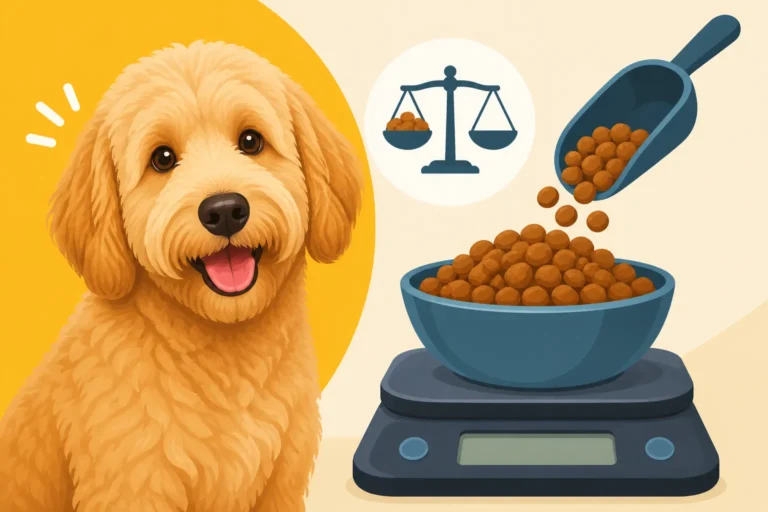
If your tactile assessment suggests your Goldendoodle is carrying a bit too much weight, the first place to look is their diet. It’s incredibly easy to overfeed a dog, especially when those adorable Goldendoodle eyes are pleading for more. Start by accurately measuring their food portions. Many owners just "eyeball" it, which can lead to significant calorie creep over time. Use a kitchen scale or a precise measuring cup, not just any scoop. You can find excellent food brands and measuring tools through retailers like Chewy or Amazon.
Consider the type of food as well. High-quality kibble, fresh food options like Ollie, or even carefully portioned home-cooked meals can all be part of a healthy diet, but the amount is key. If your Goldendoodle needs to lose weight, gradually reduce their daily caloric intake, perhaps by 10-15%, and monitor their progress over a few weeks. Don’t make drastic changes overnight, as this can upset their digestive system. Remember, treats count too! Opt for low-calorie training treats or fresh vegetable pieces like carrots or green beans as healthy alternatives. If your Goldendoodle is underweight, the opposite applies; slowly increase their portions while ensuring they don't develop digestive upset.
Exercise Tailored to Their Needs
Exercise plays an equally vital role in weight management and overall health. Goldendoodles are active dogs, inheriting energy and a love for activity from both their Golden Retriever and Poodle parents. They need regular physical activity to burn calories and maintain muscle mass. This isn't just a short stroll around the block. They thrive on Goldendoodle Exercise at Every Life Stage, which means daily walks, playtime in the yard, trips to the dog park (if they are well-socialized), or even more structured activities like fetch or swimming.
For a Goldendoodle needing to lose weight, gradually increase the duration and intensity of their exercise. If they are prone to joint issues, like Goldendoodle Hip Dysplasia at 15 to 20 Percent, low-impact activities like swimming can be particularly beneficial. If your Goldendoodle is older, or you suspect Goldendoodle Arthritis After the Age of Eight, consult your vet for an appropriate exercise plan that supports their joints without overstraining them. Consistent exercise not only helps with weight but also provides crucial mental stimulation, which is equally important for these intelligent dogs.
Regular Monitoring and Vet Consultations
Making regular tactile body condition assessments a routine part of your Goldendoodle’s care is paramount. Aim to do a thorough check every week or two, especially if you're actively working on weight management. This consistent monitoring helps you catch any changes early and adjust their diet or exercise as needed.
It's also essential to have regular check-ups with your veterinarian. They can provide an objective assessment of your Goldendoodle's body condition, discuss appropriate How Fast a Goldendoodle Can Safely Lose Weight goals, and rule out any underlying medical conditions that might be affecting their weight. Conditions like thyroid imbalances can impact metabolism, making weight management more challenging. Your vet can offer personalized advice on food choices, portion sizes, and exercise routines tailored to your Goldendoodle's age, size, and health status. Remember, preventing obesity or malnourishment is much easier and healthier than treating the consequences, such as the increased strain on joints from Goldendoodle Weight Gain and the Strain on Joints.
Disclaimer
This article is for general informational purposes only and does not constitute professional advice. Laws, prices and regulations vary by location and change over time. Consult a qualified professional for guidance on your specific situation.