Tartar in a Toy Goldendoodle Mouth
If you're a proud parent to a adorable Toy Goldendoodle, you've likely already fallen head over heels for their charming personality and fluffy coat. But beneath that winning smile, many Toy Goldendoodle owners discover a frustrating truth: their little one's mouth can be a magnet for tartar. It's not just a cosmetic issue; tartar buildup can lead to serious discomfort and health problems. This comprehensive guide is here to walk you through why your pint-sized pal might be prone to tartar, how to spot it, and most importantly, how to keep those tiny teeth sparkling clean and healthy for years to come.
Why Toy Goldendoodles Are Prone to Tartar
It’s easy to think all dogs face similar dental challenges, but for our smaller Goldendoodles, there are some unique factors that make them particularly susceptible to tartar accumulation. It’s not your fault, or theirs; it’s often down to a combination of their physical structure and genetic makeup.
The Small Mouth Problem
One of the biggest culprits behind tartar in Toy Goldendoodles is simply their size. Those endearing tiny jaws, while perfectly proportionate to their smaller bodies, often don't have enough space for all 42 adult teeth to sit comfortably. Think about it: a Toy Goldendoodle has the same number of teeth as a Standard Goldendoodle, just crammed into a much smaller oral cavity. This often leads to Dental Crowding in a Toy Goldendoodle Mouth.
When teeth are crowded or slightly misaligned, they create tight spaces and crevices that are incredibly difficult for you, or even your dog's own tongue and saliva, to clean. Food particles, dead cells, and bacteria quickly get trapped in these nooks and crannies. This forms plaque, which then hardens into tartar (or calculus) surprisingly fast. It’s like trying to clean grout lines that are too narrow for your brush – the buildup is almost inevitable without dedicated, consistent effort. This isn't just an aesthetic issue; these hidden areas are perfect breeding grounds for bacteria, contributing to bad breath and gum inflammation.
Goldendoodle Genetics and Oral Health
While Goldendoodles are celebrated for their hybrid vigor in some areas, dental structure is often a direct inheritance from their parent breeds, and in this case, the Poodle side can sometimes bring a predisposition to dental woes. Poodles, especially the toy and miniature varieties, are well-known in veterinary circles for having a higher incidence of dental disease, including issues like retained puppy teeth, crowded mouths, and early onset periodontal disease.
When you blend the Poodle's genetic tendencies with the Golden Retriever's typically robust health, you get a mixed bag. Some Toy Goldendoodles might inherit the Poodle's more crowded jaw structure, while others might get a better spacing from their Golden lineage. However, even with the best genetics, the smaller size itself remains a significant factor. It means that even if your Goldendoodle has "good teeth" genetically, the physical constraints of their small mouth still put them at a disadvantage compared to a larger dog. This genetic predisposition, combined with the physical crowding, means that staying on top of their dental hygiene isn't just a recommendation, it's a necessity.
Lifestyle and Diet Factors
What your Toy Goldendoodle eats and how they interact with their environment also play a huge role in tartar accumulation. While many dog parents choose crunchy kibble, believing it cleans teeth, the truth is that most standard kibbles offer minimal abrasive action against plaque. Some premium brands formulate specific "dental diets" with larger, uniquely shaped kibble designed to scrape teeth, but they are often not a complete solution on their own.
Wet food, while delicious and often easier for smaller mouths, tends to stick to teeth more readily and offers no abrasive benefit, potentially accelerating plaque formation. Beyond food, a lack of appropriate chewing activity also contributes. Dogs naturally use chewing to help clean their teeth, but if your Toy Goldendoodle isn't regularly engaging with safe, effective dental chews or toys, that natural cleaning mechanism is lost. Even the quality of their water can make a difference; some tap water can contribute to mineral buildup on teeth, though this is less common than food and genetic factors. This is why a multi-faceted approach to dental care is absolutely essential for these little guys.
Recognizing Tartar Buildup in a Toy Goldendoodle
One of the challenges with Goldendoodles, especially the toy sizes, is their adorable, often "furnished" faces with longer hair around their muzzles and beards. This fantastic facial hair, which we all love, can unfortunately make it harder to routinely inspect their mouths, allowing tartar to sneak up on you. Knowing what to look for, and smell for, is key to early detection and intervention.
Early Warning Signs You Might Miss
Before tartar becomes a visibly alarming crust, there are subtle clues your Toy Goldendoodle might be giving you. The most common, and often dismissed, early sign is bad breath. We’ve all heard the phrase "dog breath," and some people just accept it as normal, but truly foul breath (halitosis) is almost always a sign of bacterial overgrowth in the mouth, indicating plaque and early tartar. If you find yourself consistently turning your head away when your Goldendoodle gives you a kiss, it's time for a closer look.
Other subtle signs can include a slight yellowing along the gum line, particularly on the canine teeth and premolars. Your dog might also show a mild reluctance to chew on hard toys or bones they once loved, or perhaps take longer to finish their meals. You might even notice them pawing at their mouth more frequently. Because their mouths are small and often hidden by a beard, these early signs are easy to miss. Regular, brief home inspections can make all the difference, helping you catch problems when they’re still minor. For more tips on how to manage their furry face during these checks, you might find Bad Breath From a Goldendoodle Beard, Not the Teeth a useful read.
Visual and Olfactory Cues
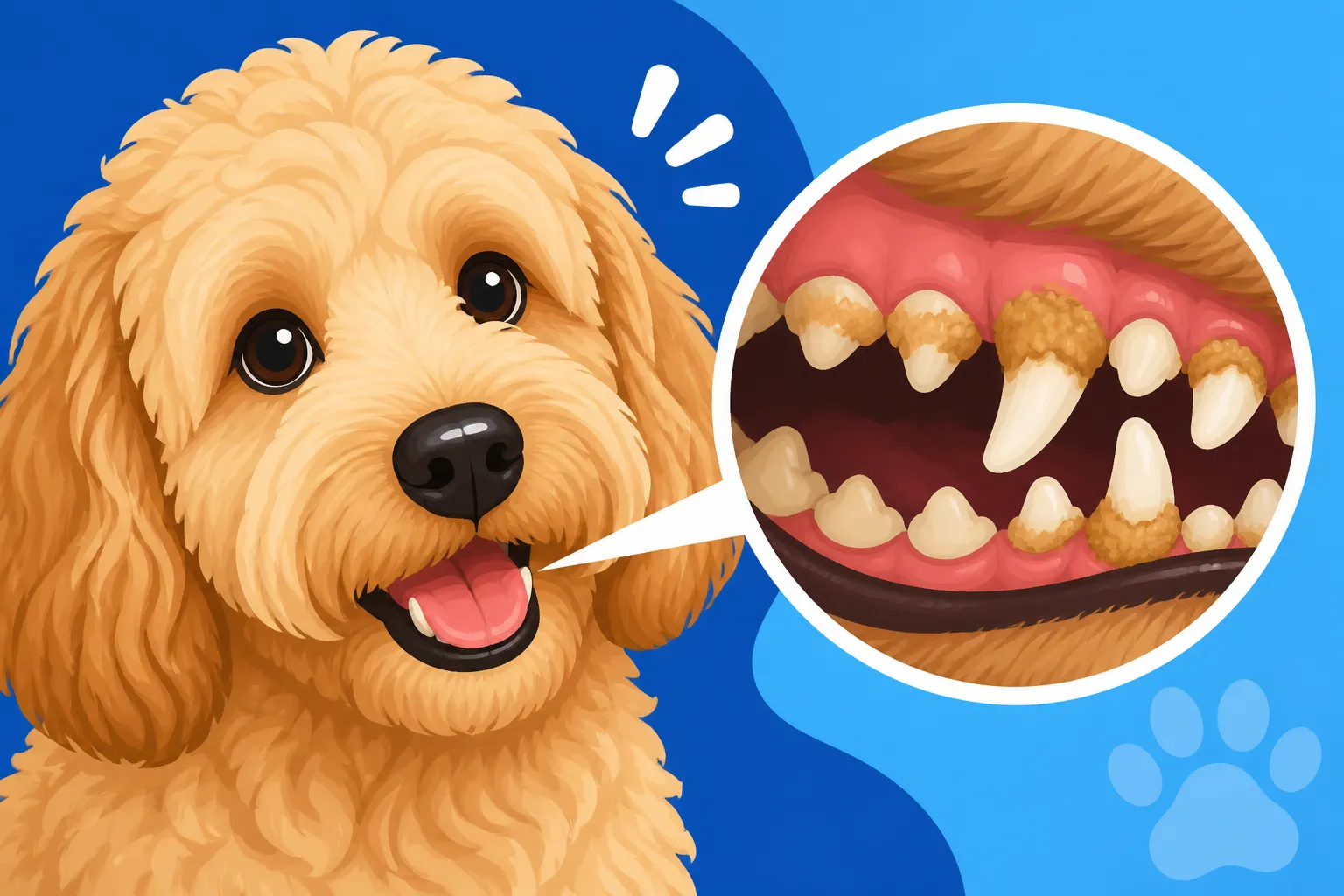
Once plaque has had time to mineralize, it becomes visible tartar, which is much harder to ignore. This usually manifests as yellow or brown deposits, most commonly on the outer surfaces of the upper canine teeth and the molars and premolars at the back of the mouth. You might notice that the tartar isn't uniform; it can look like a rough, bumpy coating. As tartar progresses, it pushes against the gum line, causing inflammation (gingivitis), which will appear as redness and swelling. The gums might even bleed easily when touched or when your dog chews.
Along with these visual cues, the smell will intensify. We're not talking about just "dog breath" anymore; it will be a truly putrid odor, a strong sign of infection. In advanced cases, you might even see the gums receding, exposing the root of the tooth, or notice a loose tooth. This indicates that the disease has progressed to periodontitis, which is incredibly painful and can lead to tooth loss and even systemic health issues if bacteria enter the bloodstream. These are not signs to be taken lightly and warrant immediate veterinary attention.
The Importance of Regular Mouth Checks
The best defense against tartar and subsequent dental disease is proactive checking. Make it a routine, just like checking for mats in their coat. Aim for at least once a week, ideally more often if you’re concerned. You don’t need to do a full-blown dental exam every time, but a quick peek can go a long way.
Here’s how to do a simple home mouth check:
- Start Gentle: Choose a quiet time when your Goldendoodle is relaxed. Start by simply lifting their lip to look at the outer surfaces of their teeth.
- Focus on the Back: Gently lift their jowls to get a good view of the back molars, which are often the first place tartar builds up.
- Check the Gums: Look for any redness, swelling, or bleeding along the gum line. Healthy gums should be a pale pink (though some dogs have naturally pigmented gums).
- Sniff Test: Give their breath a good sniff. Any significant foul odor is a red flag.
- Be Observant: Note any missing teeth, broken teeth, or unusual growths.
- Reward: Always end with praise and a small, healthy treat to make it a positive experience.
The more you do this, the more comfortable your Goldendoodle will become, and the easier it will be to spot changes. If you're struggling to get your dog to cooperate, or to see past that beautiful Goldendoodle beard, remember that patience and positive reinforcement are key. For detailed advice on how to handle your Goldendoodle’s face and beard during these checks, refer to Practicing Face and Beard Handling on a Goldendoodle.
Preventing Tartar: Daily Habits and Professional Care
Preventing tartar buildup is far easier, less stressful, and significantly cheaper than treating advanced dental disease. It’s an ongoing commitment, but with the right tools and habits, you can keep your Toy Goldendoodle’s smile bright and healthy.
The Power of Daily Brushing
If there's one thing you can do to combat tartar in your Toy Goldendoodle, it's daily tooth brushing. Yes, daily! Just like humans, dogs accumulate plaque every single day, and consistent removal is the only way to prevent it from hardening into tartar. This can sound daunting, especially with a wiggly, furry Goldendoodle, but with patience, it's entirely achievable.
You'll need a dog-specific toothbrush (a finger brush or a small brush with soft bristles works well for tiny mouths) and dog-specific toothpaste (human toothpaste is toxic to dogs). The process should be positive and gradual. Start by letting them lick the toothpaste off the brush. Then, introduce touching their gums, eventually moving to short brushing sessions. Focus on the outside surfaces of the teeth, especially the ones near the cheeks, as these are most prone to tartar. Don't forget the molars at the back! Remember, the goal is to physically disrupt the plaque. For a full breakdown on technique, including how to navigate that adorable Goldendoodle beard, check out Toothbrushing a Goldendoodle With a Beard in the Way. Make it a fun, brief routine, always ending with praise and a small reward.
Dental Chews and Toys
While brushing is the gold standard, dental chews and toys can be valuable allies in your fight against tartar. They work by providing abrasive action as your dog chews, which can help scrape plaque off the tooth surfaces. However, it's crucial to choose the right products and understand their limitations. Not all dental chews are created equal. Look for products that are veterinary oral health council (VOHC) approved, as these have been scientifically proven to reduce plaque and/or tartar.
When selecting chews, consider your Toy Goldendoodle's size and chewing style. Too hard, and they risk breaking a tooth; too soft, and they won't provide enough abrasive action. Avoid natural bones, antlers, or hooves, as these are often too hard and can cause dental fractures. Soft rubber toys can also help stimulate gums and provide some cleaning, but generally offer less significant plaque removal than purpose-designed dental chews. You'll find a wide array of options on platforms like Chewy and Amazon, just be sure to read reviews and look for VOHC approval. Remember, these are supplements to brushing, not replacements.
Professional Dental Cleanings
Even with diligent home care, most Toy Goldendoodles will eventually need professional dental cleanings by a veterinarian. This is because tartar can build up below the gum line, in areas that even the best home brushing cannot reach. These professional cleanings are performed under general anesthesia, which allows the vet to thoroughly examine the entire mouth, take dental X-rays (to check for issues hidden below the gum line), scale off all tartar (above and below the gum line), and polish the teeth to smooth the enamel, making it harder for plaque to adhere.
The frequency of these cleanings varies depending on your dog's individual needs, but for Toy Goldendoodles prone to tartar, it might be recommended every one to two years. Your vet will assess your dog's oral health during routine check-ups and advise you on the best schedule. While the idea of anesthesia can be a concern for many owners, the benefits of a clean, healthy mouth far outweigh the risks for most dogs. Untreated dental disease is not just painful; it can lead to serious infections that impact the heart, kidneys, and liver. For an idea of what to expect financially, consider reviewing information on Dental Cleaning Costs for a Toy Goldendoodle.
Addressing Existing Tartar and Gum Disease
If you're reading this and realizing your Toy Goldendoodle already has significant tartar buildup or signs of gum disease, don't despair. It's never too late to take action and improve their oral health.
When to Seek Veterinary Intervention
While you can manage mild plaque at home with brushing, once it hardens into visible tartar and especially if there are signs of gum inflammation, pain, or infection, professional veterinary intervention is absolutely necessary. Here are clear indicators that it's time to call your vet:
- Visible Tartar: If you can see yellow, brown, or green crusty deposits on multiple teeth.
- Red, Swollen, or Bleeding Gums: Healthy gums are typically pale pink. Redness, puffiness, or bleeding (even a little when you touch them) indicates gingivitis, the early stage of gum disease.
- Persistent Bad Breath: Beyond typical "dog breath," a truly foul, strong odor indicates significant bacterial infection.
- Changes in Eating Habits: Reluctance to chew hard food or toys, dropping food, chewing on one side of the mouth, or crying out while eating could all signal oral pain.
- Loose or Missing Teeth: Advanced periodontal disease can lead to tooth instability and loss.
- Pawing at the Mouth or Rubbing Face: These behaviors can indicate discomfort or pain.
- Facial Swelling: In severe cases, a tooth root abscess can cause swelling on the face below the eye or on the jaw.
Ignoring these signs will only lead to further pain and potentially more serious health complications for your beloved Goldendoodle.
The Veterinary Dental Cleaning Process
When you take your Toy Goldendoodle in for a professional dental cleaning, it's a comprehensive process. It always starts with a thorough physical exam and often pre-anesthetic bloodwork to ensure your dog is healthy enough for anesthesia. Once under anesthesia, the vet and veterinary technicians will perform a detailed oral exam, charting any abnormalities.
This is followed by full-mouth dental X-rays, which are crucial because a significant portion of dental disease occurs below the gum line, where it can’t be seen. Then, specialized ultrasonic and hand instruments are used to meticulously scale off all tartar, both above and, crucially, below the gum line. After scaling, the teeth are polished to create a smooth surface, which helps delay future plaque attachment. If any diseased or damaged teeth are identified during the exam or X-rays, extractions may be necessary. Your vet will discuss these findings with you before or during the procedure. Post-procedure, your Goldendoodle will be monitored closely during recovery from anesthesia, and you’ll receive detailed instructions for at-home care.
Long-Term Management After Cleaning
A professional dental cleaning is a fantastic reset for your Goldendoodle's oral health, but it's not a permanent fix if you don't follow up with consistent home care. Think of it like getting your own teeth cleaned – it only lasts if you brush and floss daily.
After a professional cleaning, you need to renew your commitment to daily brushing. This is when it's easiest to start, as their mouth is no longer painful and there's no tartar to contend with. Gradually introduce brushing again, focusing on positive reinforcement. Your vet might also recommend specific dental diets, water additives, or specialized dental chews to help maintain oral hygiene between cleanings. Some owners even explore fresh food delivery services, like Ollie, which some believe may lead to less plaque buildup compared to traditional kibble, though regular brushing remains the most impactful tool. Regular follow-up appointments with your vet will also be necessary to monitor their oral health and schedule subsequent cleanings as needed. This proactive, ongoing approach is the key to a lifetime of good oral health for your Toy Goldendoodle.
Here’s a quick overview of common dental care methods:
| Method | Effectiveness Against Plaque | Effectiveness Against Tartar | Cost (Relative) | Anesthesia Required | Primary Benefit |
|---|---|---|---|---|---|
| Daily Tooth Brushing | High | Low (prevents formation) | Low | No | Prevents plaque from hardening into tartar |
| Dental Chews/Treats | Moderate | Low (some reduction) | Medium | No | Aids in plaque removal between brushes |
| Water Additives | Low to Moderate | Low | Low | No | Inhibits bacterial growth; freshens breath |
| Veterinary Dental Diet | Moderate | Low to Moderate | Medium | No | Abrasive action; special ingredients |
| Professional Cleaning | High | High | High | Yes | Removes existing tartar above & below gumline |
Disclaimer
This article is for general informational purposes only and does not constitute professional advice. Laws, prices and regulations vary by location and change over time. Consult a qualified professional for guidance on your specific situation.