Whether a Curly Goldendoodle Overheats in Summer
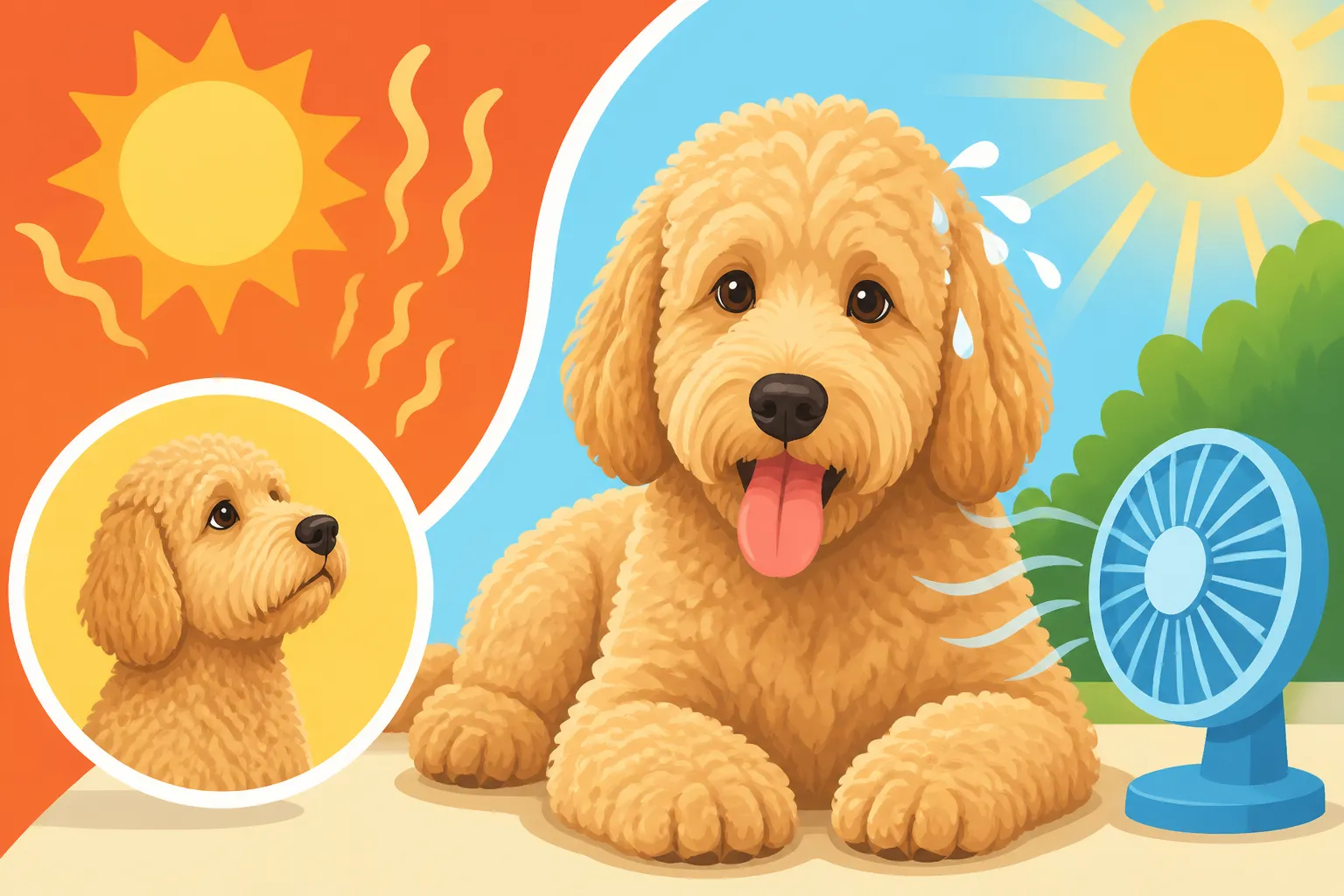
It's a common worry for Goldendoodle parents: that beautiful, fluffy, often curly coat looks so inviting to snuggle, but what happens when the summer sun beats down? Many wonder if their beloved curly Goldendoodle is silently suffering in the heat, especially with those dense, sometimes wool-like curls. This guide will walk you through understanding your Goldendoodle's unique coat in warm weather, how to spot signs of overheating, and, most importantly, provide practical, empathetic ways to keep them comfortable and safe when the temperatures rise.
Understanding the Goldendoodle's Curly Coat and Heat Retention
The Goldendoodle’s coat is one of its most defining features, and it’s also one of the biggest reasons for concern about overheating. Unlike single-coated breeds or those with sleek, short hair, the Goldendoodle often sports a dense, sometimes quite woolly, double coat that can feel like a cozy blanket – perfect for winter, but potentially problematic in summer.
The Anatomy of a Curly Goldendoodle Coat
A curly Goldendoodle often inherits a coat type closer to its Poodle parent, characterized by tight, dense curls that don't shed much, if at all. This "furnishing" gene gives them that adorable beard and eyebrows we all love. However, these curls aren't just for show; they form a protective layer that can be a double-edged sword when it comes to temperature regulation. Imagine wearing a heavy wool sweater in July – that's often what your Goldendoodle's coat can feel like to them if it's not managed properly.
The individual hairs themselves are often fine but numerous, creating a plush texture. This density, combined with the curl, means that air doesn't circulate as freely close to the skin as it might with a straighter, sparser coat. Many owners fall in love with The Three Goldendoodle Coat Types and How to Tell Them, but each type, especially the curly one, comes with its own set of care requirements.
How Curl Patterns Trap Heat
Those lovely, tight curls act as an insulator, much like insulation in your home. In cold weather, this is fantastic; it traps warm air close to the body and keeps the cold out. But reverse the seasons, and that same insulating quality can trap heat in, preventing the dog's natural cooling mechanisms from working efficiently. The heat from the environment, combined with the Goldendoodle's own body heat generated from metabolism and exercise, can build up within that dense coat, creating a miniature hot zone around their body.
This is especially true when the air is humid, as the curls can hold moisture, making it even harder for evaporative cooling (panting) to be effective. It’s not just about the external temperature; it's about the air flow and how effectively your dog can dissipate heat from their skin. Without proper grooming and care, that beautiful coat can quickly become a liability in the summer months.
The Misconception of a "Cooler" Non-Shedding Coat
A common misconception is that because Goldendoodles are often touted as "hypoallergenic" and "low-shedding," their coats must be inherently cooler or require less management in the heat. While it's true that many curly Goldendoodles shed very little, meaning less fur around your house, this doesn't translate to better heat tolerance. In fact, a non-shedding coat means that the old, dead hair doesn't fall out on its own; it stays trapped in the curls. If not regularly brushed, this dead hair can create dense mats that further compact the coat, reducing air circulation even more.
This is why regular grooming is crucial, not just for aesthetics but for their health and comfort. A matted, dense coat is far worse than a shedding one for a dog trying to stay cool. It’s important to understand that Why a Goldendoodle Curl Gene Is Not a Shedding Gene doesn't mean their coat isn't thick; it simply means it doesn't fall out, making regular upkeep even more vital.
Recognizing the Signs of Overheating in Your Curly Goldendoodle
It's absolutely essential to know the signs of overheating, because Goldendoodles, especially those with dense, curly coats, can go from happy and playful to dangerously overheated very quickly. Their enthusiasm for life, combined with a thick coat, can mask early discomfort.
Early Warning Signs to Watch For
Before full-blown heatstroke sets in, your Goldendoodle will likely exhibit more subtle signs that they're getting too warm. Pay close attention if you notice any of these behaviors:
- Excessive Panting: This is normal for dogs trying to cool down, but excessive panting, especially if it seems labored or unusually rapid, is a red flag.
- Increased Drooling: More drool than usual, or thicker, ropey saliva, indicates they're struggling to regulate their temperature.
- Seeking Shade or Cool Surfaces: If your usually outgoing Goldendoodle starts lying down in shady spots more frequently or pressing their body against cool tile or concrete, they're trying to cool themselves.
- Reddened Gums or Tongue: A normal healthy dog's gums should be pink. If they appear bright red or very dark, it means their body temperature is rising.
- Reduced Energy or Lethargy: They might seem less enthusiastic about walks or playtime, slowing down or even refusing to move. This can be hard to spot in a dog known for Goldendoodle Exercise at Every Life Stage, but it's crucial.
- Dull Eyes: Their eyes might look glazed over or less alert than usual.
If you see any of these early signs, it's time to act immediately by moving them to a cooler environment and offering water. Don't wait for things to escalate.
Emergency Symptoms Requiring Immediate Action
If the early warning signs are missed or ignored, your Goldendoodle can quickly progress to a dangerous state. These symptoms require immediate veterinary attention:
- Vomiting or Diarrhea: These can be signs of organ distress due to severe overheating.
- Wobbly, Disoriented, or Stumbling Gait: They might appear drunk or unable to walk in a straight line, indicating neurological impact from the heat.
- Rapid Heart Rate: You might feel their chest pounding unusually fast.
- Collapse or Loss of Consciousness: This is a critical emergency.
- Seizures: Heatstroke can lead to neurological damage and seizures.
- Very Dark Red or Bluish Gums: This indicates severe lack of oxygen and is a life-threatening emergency.
Do not try to force water if your dog is unresponsive or vomiting. Instead, focus on immediate cooling measures while en route to the nearest emergency vet. Time is of the essence.
The Dangers of Heatstroke for Goldendoodles
Heatstroke is not just "feeling hot"; it's a life-threatening condition where a dog's body temperature rises to a dangerously high level, causing cellular damage and multi-organ failure. The consequences can include kidney failure, brain damage, blood clotting issues, and even death. Goldendoodles, with their love for activity and sometimes dense coats, are particularly susceptible if precautions aren't taken.
The internal damage can occur rapidly and may not be immediately apparent. Even if your Goldendoodle seems to recover from an episode of overheating, internal damage could have occurred, which is why a vet check is always necessary. Being proactive with prevention is always, always better than reacting to an emergency.
| Symptom Severity | Early Warning Signs | Emergency Symptoms | Action Required |
|---|---|---|---|
| Mild | Excessive panting, increased drooling, seeking shade | – | Move to cool area, offer water, monitor. |
| Moderate | Reddened gums/tongue, lethargy, dull eyes | Vomiting/Diarrhea, wobbly gait | Immediate cooling, vet call/visit. |
| Severe | – | Collapse, seizures, dark/bluish gums, rapid HR | EMERGENCY VET IMMMEDIATELY. Keep cool. |
Practical Strategies for Keeping Your Curly Goldendoodle Cool
Once you understand the risks, the good news is there are many practical steps you can take to keep your curly Goldendoodle safe and happy during warmer months. It's all about proactive care and making smart adjustments.
Smart Grooming for Summer Comfort
This is perhaps the most crucial strategy for a curly Goldendoodle. Their coat acts as insulation, and while some believe shaving it completely is the answer, it’s not always the best choice. A short, well-maintained cut is usually ideal. Instead of shaving down to the skin, which can expose their sensitive skin to sunburn and interfere with their natural temperature regulation, aim for a "summer cut" that leaves about an inch or two of hair. This length still offers some protection from UV rays while significantly reducing the insulating layer.
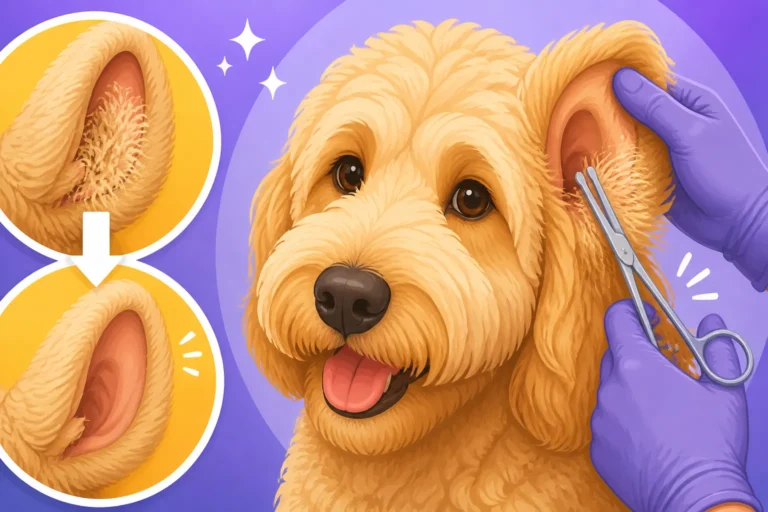
Regular brushing is non-negotiable. Even with a short cut, those curls can tangle and trap dead hair, creating matts that prevent air circulation. Aim for daily brushing, especially in key areas like behind the ears, armpits, and under the collar. A good slicker brush and a metal comb are your best friends. This also helps with the dreaded The Goldendoodle Coat Change at Eight to Twelve Months, which can exacerbate matting and heat retention if not managed. When looking for grooming tools, you can often find great options on sites like Amazon or at pet specialty stores.
For those professional grooming appointments, consider scheduling them more frequently in summer – perhaps every 4-6 weeks instead of 6-8. Discuss Choosing a Goldendoodle Haircut Length with your groomer and emphasize that your priority is comfort and air circulation, not just aesthetics.
Adjusting Exercise Routines and Timing
Goldendoodles are active dogs, and they need their exercise, but summer demands a shift in schedule. Avoid the hottest parts of the day, typically between 10 AM and 4 PM. Instead, plan walks and playtime for early mornings or late evenings when temperatures are significantly cooler. Remember that asphalt and pavement can get scorching hot, easily burning sensitive paw pads. Always check the ground with the back of your hand; if it's too hot for you, it's too hot for them.
Consider low-impact activities like swimming if your Goldendoodle enjoys it. A kiddie pool in the yard can be a lifesaver for cooling down. Mental stimulation, like puzzle toys or indoor training sessions, can also help burn energy without the risk of overheating. Many brands offer great puzzle toys; even a simple Kong filled with frozen peanut butter or plain yogurt can keep them happily occupied. Just remember that even a dip in the pool means you'll need to thoroughly dry that curly coat to prevent skin issues and matting, especially in the ears.
If you must be out during warmer parts of the day, keep it short, stay in the shade, and bring water. Remember that Goldendoodle Weight and the Load on Its Joints also plays a role in their heat tolerance; a lean dog generally handles heat better than an overweight one.
Hydration and Cooling Aids
Access to fresh, cool water is paramount. Always have multiple water bowls available in your home, and ensure they are refilled frequently with cool water. For walks or car rides, carry a portable water bottle and bowl. A Goldendoodle’s furnished face can make drinking a bit messy, so consider elevated bowls or specific designs that help keep their beard a bit drier. Goldendoodle Water Bowls and a Wet Beard are a common topic, but ensuring they drink enough is more important than a tidy beard in summer. You can also offer ice cubes as treats.
Beyond water, consider various cooling aids:
- Cooling Mats: These pressure-activated mats can provide a cool spot for your dog to lie on indoors or even in their crate.
- Cooling Vests or Bandanas: These can be soaked in cold water and provide evaporative cooling on the chest and neck.
- Frozen Treats: Homemade pupsicles made with dog-safe ingredients like broth, plain yogurt, or pureed fruit can be a refreshing treat. Check out companies like Ollie for ideas on healthy, dog-friendly ingredients you might have in your kitchen or use their fresh food as a base for frozen treats.
- Wet Towels: Simply dampen a towel with cool (not ice-cold) water and drape it over your Goldendoodle's back or belly when they are resting.
Creating a Cool Home Environment
Your home should be a sanctuary from the heat. If you have air conditioning, keep it running at a comfortable temperature. For those without AC, fans are essential. Place them strategically to create cross-ventilation. Close blinds or curtains during the hottest parts of the day to block direct sunlight and keep rooms cooler.
Consider creating a "cool zone" in your home – perhaps a room with tile flooring or a basement where the temperature naturally stays lower. Make sure your Goldendoodle has access to this area at all times. If you have a yard, ensure there's ample, reliable shade, and provide an outdoor water bowl that won't tip over. Some owners even set up a small sprinkler for their Goldendoodle to play in, but always supervise and ensure they don't overdo it. Products like those available on Chewy can help you find suitable cooling beds or outdoor shade solutions for your dog.
Factors Beyond Coat Type: Other Risks for Overheating
While the curly coat is a major player, it's important to remember that other factors can significantly increase your Goldendoodle's risk of overheating, regardless of how well you manage their fur.
Goldendoodle Size and Body Condition
Larger Goldendoodles, like Standard Goldendoodles, generally have a harder time regulating their body temperature than smaller Mini or Toy Goldendoodles. They have a larger body mass, which means they generate more heat and have a harder time dissipating it. Think about it: a larger engine produces more heat. It's not a hard and fast rule, as an overweight mini could struggle more than a lean standard, but size is a consideration.
Furthermore, a Goldendoodle that is overweight or obese is at a much higher risk. Excess fat acts as an additional insulating layer, making it even more difficult for their body to cool down. It also puts more strain on their cardiovascular system. Keeping your Goldendoodle at a healthy weight is one of the best preventative health measures you can take, not just for heat tolerance but for their overall Goldendoodle Joint Health by Size Category and lifespan. Regularly feel for their ribs and spine under that thick coat to ensure they're not carrying too much extra weight.
Underlying Health Issues and Medications
Certain health conditions can compromise a Goldendoodle's ability to cope with heat. Dogs with respiratory issues, such as those caused by conditions like laryngeal paralysis or even severe allergies that affect breathing, will struggle more to pant effectively and cool themselves. Cardiac conditions can also make a dog more vulnerable, as their heart may not be able to handle the increased strain that heat places on the circulatory system.
Some medications can also affect a dog's heat tolerance. Diuretics, for example, can lead to dehydration, while certain antidepressants or seizure medications might interfere with the body's thermoregulation. If your Goldendoodle is on any long-term medication, have a conversation with your vet about how this might impact their ability to handle warm weather. Knowing these underlying factors helps you be even more vigilant and take extra precautions.
Environment and Humidity Levels
It’s not just the temperature reading on the thermometer that matters; humidity plays a huge role in how a dog experiences heat. Dogs primarily cool themselves through panting, which works by evaporating moisture from their tongue and respiratory tract. When the air is very humid, there's already a lot of moisture in the air, making it much harder for this evaporative cooling process to be effective. It's like trying to dry clothes in a damp room – it just takes longer.
A 75°F day with high humidity can be far more dangerous than an 85°F day with low humidity. Always consider the "feels like" temperature. Furthermore, stagnant air in enclosed spaces, like a parked car (even with windows cracked) or an unventilated garage, can quickly become deadly. Never, ever leave your Goldendoodle in a parked car, even for "just a minute." The temperature inside a car can rise by 20 degrees in as little as 10 minutes, becoming lethal in surprisingly mild weather.
Disclaimer
This article is for general informational purposes only and does not constitute professional advice. Laws, prices and regulations vary by location and change over time. Consult a qualified professional for guidance on your specific situation.