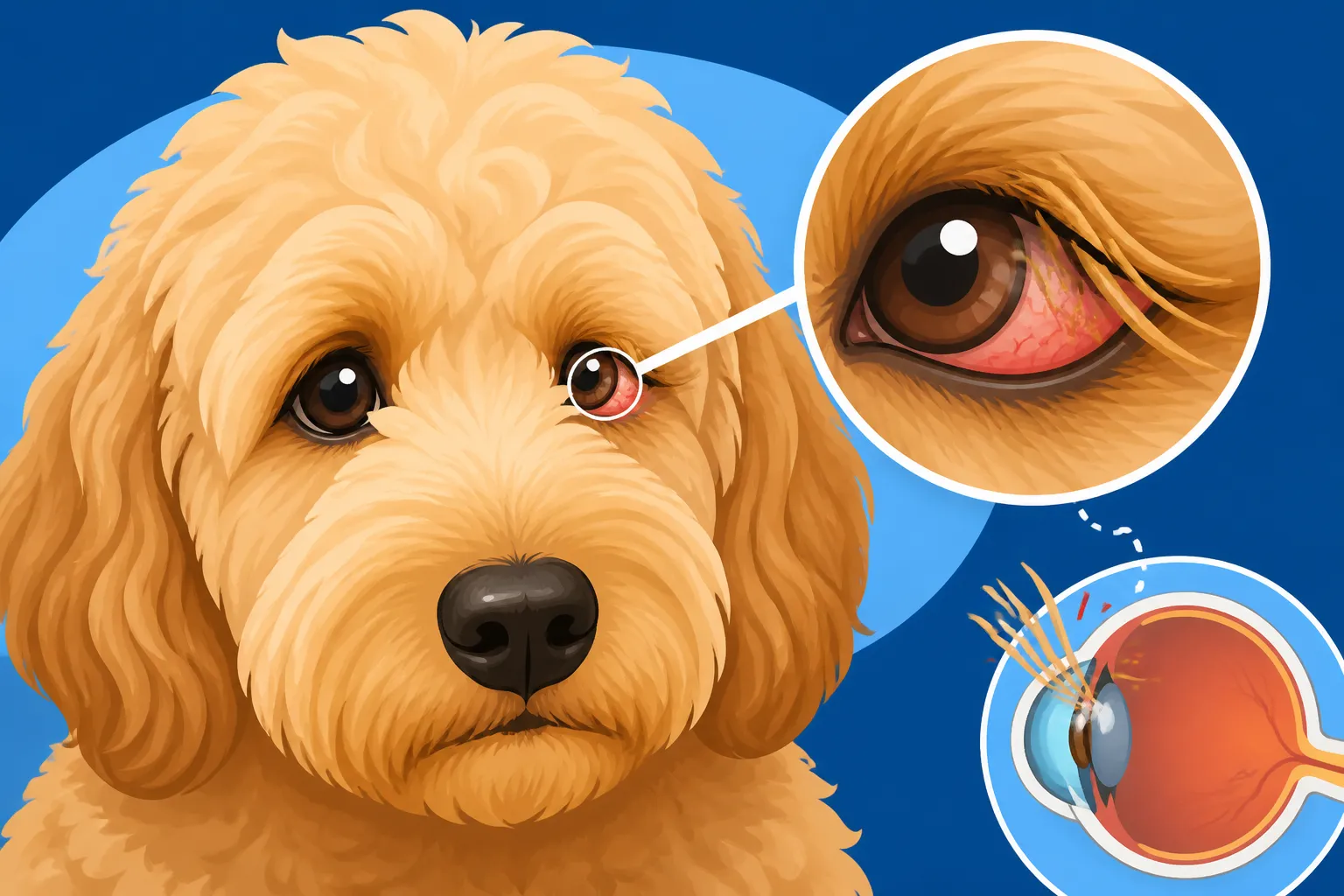
Goldendoodle Eyelashes That Rub the Cornea
It's incredibly frustrating when your sweet Goldendoodle starts showing signs of eye irritation. You see them squinting, pawing at their face, maybe even noticing a discharge, and your heart just aches wondering what's wrong. Often, the culprit is something as seemingly innocuous as their own eyelashes, or other facial hairs, doing a real number on their delicate corneas. This guide will walk you through understanding why Goldendoodles are particularly prone to this issue, how to recognize the signs, what steps to take with your vet, and how to manage and prevent these uncomfortable conditions.
Understanding Eyelash Abnormalities in Goldendoodles
Goldendoodles, with their charming, often fluffy faces, sometimes inherit a hidden vulnerability: eyelashes or other hairs that grow in problematic ways, causing irritation or even damage to the eye. It's not just a superficial issue; these seemingly minor hairs can lead to significant discomfort and potential long-term vision problems if left unaddressed.
What are Distichiasis, Entropion, and Ectopic Cilia?
Let's break down the main culprits. It's easy to just say "eyelashes rubbing the eye," but there are actually a few distinct conditions at play:
- Distichiasis: This is perhaps the most common form of problematic eyelash growth. It occurs when extra eyelashes emerge from abnormal spots along the eyelid margin, often from the ducts of the meibomian glands. These additional lashes can be soft and fine, causing mild irritation, or they can be stiff and coarse, constantly scratching the cornea with every blink. Imagine having a tiny, stiff hair perpetually poking your eyeball – it's as uncomfortable for them as it sounds for us. The severity varies greatly; some dogs live with it without much fuss, while others suffer immensely.
- Entropion: This condition isn't about extra lashes, but rather the eyelid itself rolling inward, causing the normal eyelashes and surrounding facial hair to rub directly against the cornea. It's a structural issue, where the eyelid literally turns in on itself. This can affect the upper lid, lower lid, or both, and can range from mild to severe. The constant friction can lead to chronic pain, corneal ulcers, and scarring, potentially impairing vision over time. Golden Retrievers, one half of our beloved Goldendoodles, are particularly prone to entropion, and this predisposition can certainly be passed down.
- Ectopic Cilia: This is often considered the most painful of the three, despite being less common. An ectopic cilium is a single eyelash that grows through the conjunctiva (the pink tissue lining the eyelid) and points directly inward, rubbing against the cornea. Because it grows through the tissue, it can be incredibly irritating and sharp, often causing severe pain and deep corneal ulcers very quickly. It's typically much harder to spot without a professional veterinary examination because it's not on the eyelid margin but through it.
Why Goldendoodles Are Prone
You might wonder why our cuddly Goldendoodles seem to get these issues more often than some other breeds. It really comes down to a combination of genetics and their characteristic "furnishings" – that adorable beard and eyebrows they sport.
Firstly, their parent breeds play a significant role. Golden Retrievers, as mentioned, are known for their susceptibility to entropion. Standard Poodles, while generally having good eye health, can contribute to the genetic pool for distichiasis. When you combine these two breeds, you're essentially rolling the genetic dice, increasing the likelihood of inheriting these predispositions. It's one of the many health considerations that come with a crossbreed; you're not just getting the best of both worlds, but sometimes a mix of their challenges too. Understanding What a Goldendoodle Inherits From Each Parent Breed can help shed light on these combined genetic risks.
Secondly, and perhaps most visibly, is their lush coat and facial hair, often referred to as "furnishings." While we adore their teddy bear look, this abundance of hair around their eyes can exacerbate problems. Long, unruly hair near the eyes can trap moisture, dirt, and debris, leading to secondary infections. More directly, the hair itself can funnel moisture and debris into the eye, or even just be long and stiff enough to scratch the surface. This is why paying close attention to The Three Goldendoodle Coat Types and How to Tell Them is so important, as different coat textures can influence how easily hair can irritate the eyes.
Signs Your Goldendoodle's Eyelashes Are Causing Trouble
Recognizing the signs early is crucial for preventing more serious damage. Your Goldendoodle can't tell you in words that their eye hurts, but they'll certainly show you through their behavior and physical symptoms.
- Excessive Tearing (Epiphora): This is often one of the first and most obvious signs. Their eyes might always look wet, or you might see tear staining down their face, especially noticeable on lighter-colored Goldendoodles. This isn't just cosmetic; it's the eye's natural response to irritation, trying to flush out whatever is bothering it.
- Squinting or Holding the Eye Shut: If your dog is consistently squinting, partially closing one eye, or holding it completely shut, it's a clear indicator of pain or extreme discomfort. They're trying to protect the eye from further irritation.
- Pawing at the Eye or Rubbing Face: You might catch your Goldendoodle using their paw to rub at their eye or rubbing their face against furniture or the carpet. This behavior is their attempt to relieve the itch or pain, but it can actually worsen the problem by introducing bacteria or causing self-trauma.
- Redness or Inflammation: Look closely at the white part of their eye (sclera) and the eyelids. If they appear red, bloodshot, or swollen, it's a sign of inflammation. The conjunctiva can also become red and puffy.
- Discharge: While some clear tearing is normal, look for any thick, cloudy, yellow, or green discharge. This often indicates a secondary bacterial infection that has set in due to the constant irritation and potential damage to the cornea.
- Cloudiness or Changes to the Cornea: In more severe or chronic cases, the constant rubbing can lead to corneal ulcers. You might notice a hazy or cloudy appearance on the surface of the eye, or even a visible divot or lesion. This is a serious sign and requires immediate veterinary attention.
- Sensitivity to Light (Photophobia): Just like in humans, eye pain can make bright lights unbearable. Your Goldendoodle might prefer darker rooms or shy away from direct sunlight.
If you observe any of these symptoms, especially if they persist or worsen, it’s imperative to schedule a vet visit promptly. Don't wait for it to clear up on its own, as corneal damage can progress quickly.
Diagnosing the Problem: When to See the Vet
It's tempting to think a little eye irritation will just go away, especially with how often Goldendoodles get those adorable, somewhat messy faces. But when it comes to their eyes, prompt professional attention is non-negotiable. These issues rarely resolve on their own and can lead to serious complications.
The Initial Vet Visit and Examination
Your regular veterinarian is the first stop. They'll start with a thorough general physical exam, paying close attention to the affected eye. They'll typically use a bright light and magnification (like an ophthalmoscope) to examine the eyelids, conjunctiva, and cornea.
During this initial assessment, your vet will be looking for:
- Visible Abnormal Eyelashes: They’ll carefully part the fur around the eye and look along the eyelid margins for any extra lashes or those growing in unusual directions (distichiasis).
- Inward-Rolling Eyelids: They will check if the eyelid is indeed folding inward, causing hair to rub the eye (entropion). Sometimes, this is more obvious when your dog blinks or looks in a certain direction.
- Corneal Damage: A crucial part of the exam involves a fluorescein stain test. This simple, painless test involves applying an orange dye to the eye. If there's any abrasion, scratch, or ulcer on the cornea, the dye will stick to the damaged area and glow bright green under a special blue light, making the lesion visible. This helps confirm that the rubbing is actively causing damage.
- Signs of Infection: They'll note any discharge and might even take a swab for cytology (examining cells under a microscope) or culture (growing bacteria to identify them) if an infection is suspected.
Your vet will also discuss your Goldendoodle's history, asking about when you first noticed the symptoms, if there was any trauma, and how long the irritation has been present. They'll also consider if any other underlying health issues, like allergies or Goldendoodle Skin and Coat Disease, might be contributing to eye irritation.
Referral to a Veterinary Ophthalmologist
While your general vet can often diagnose the more obvious cases of entropion or distichiasis, for complex cases, or when a clear diagnosis isn't immediately apparent, they will likely recommend a referral to a board-certified veterinary ophthalmologist. Think of it this way: your family doctor can handle a common cold, but if you have a complicated eye problem, you'd see an ophthalmologist. It’s the same for your Goldendoodle.
A specialist has advanced training, equipment, and experience in diagnosing and treating all kinds of eye conditions. They can often identify subtle ectopic cilia that a general vet might miss, or pinpoint the exact location and severity of distichiasis. They also have a wider range of surgical and medical treatments at their disposal. Don't be discouraged by a referral; it means your vet is ensuring your Goldendoodle gets the very best care for their vision. If you have pet insurance like Healthy Paws, it's a good time to check your policy for coverage on specialist visits and potential surgical procedures, as these can add up.
Diagnostic Tools and Tests
Beyond the initial visual exam and fluorescein stain, a veterinary ophthalmologist might use additional tools to get a complete picture:
- Slit Lamp Biomicroscopy: This specialized microscope allows the ophthalmologist to examine the eye's structures with incredibly high magnification and precise illumination. They can see the eyelashes, eyelids, cornea, and other anterior structures in great detail, making it easier to identify minute ectopic cilia or the exact origin of distichiasis.
- Tonometry: This test measures the intraocular pressure (IOP) of the eye. While not directly related to eyelash issues, it's often part of a comprehensive eye exam to rule out conditions like glaucoma, which can present with similar signs of pain and redness.
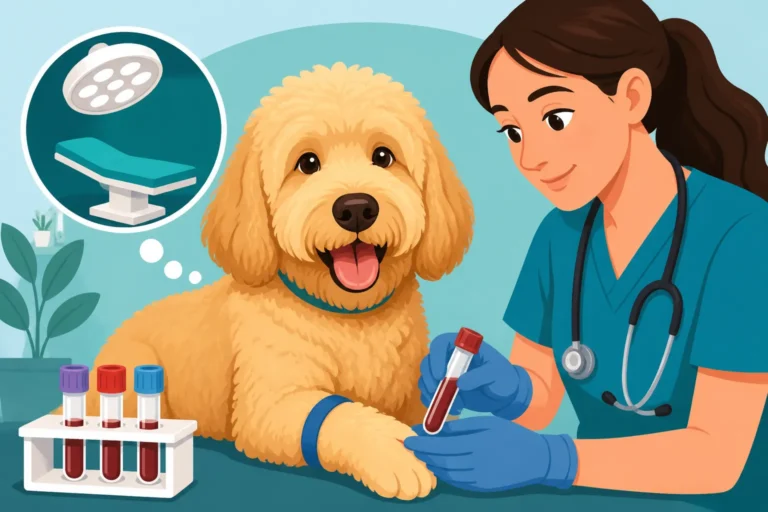
- Sedation or Anesthesia: For very anxious or painful Goldendoodles, or for a more thorough examination (especially for ectopic cilia which are often hidden), mild sedation or even general anesthesia might be necessary to allow the ophthalmologist to get a clear, unobstructed view without causing the dog further stress or pain.
These diagnostic steps are all about precision. Pinpointing the exact type and location of the problematic hair is key to choosing the most effective treatment.
Treatment Options for Eyelash-Related Eye Issues
Once your Goldendoodle has been diagnosed with an eyelash abnormality, the good news is that there are effective treatments available. The goal is always to relieve discomfort, prevent corneal damage, and preserve vision.
Temporary Relief and Management
While waiting for a definitive treatment plan or if the condition is mild, there are ways to manage the symptoms and provide some comfort.
- Lubricating Eye Drops or Ointments: Your vet might prescribe or recommend artificial tear drops or gels. These help to lubricate the eye, creating a protective barrier between the offending hairs and the cornea. This can reduce friction and keep the eye surface moist, which is especially helpful if any dry eye is also present. Administering these regularly, as directed, can make a significant difference in your dog's comfort.
- Topical Antibiotics (if infection present): If the rubbing has led to a corneal abrasion or ulcer, or if a secondary bacterial infection has developed, your vet will prescribe antibiotic eye drops or ointment to prevent or treat the infection. It's vital to complete the entire course of antibiotics, even if the eye appears to be improving, to ensure the infection is fully cleared.
- Anti-Inflammatory Medications: Sometimes, topical non-steroidal anti-inflammatory drugs (NSAIDs) or even a short course of steroids (under strict veterinary guidance, as steroids can worsen some corneal ulcers) might be used to reduce pain and inflammation.
- Regular Grooming of Surrounding Hair: While it won't fix the underlying lash problem, keeping the hair around your Goldendoodle's eyes trimmed short can help prevent additional irritation from stray hairs, and also makes it easier to administer drops and monitor the eye. This is part of general good Trimming a Goldendoodle's Face and Eye Hair practices.
It's important to understand that these are usually temporary measures. They address the symptoms, but not the root cause of the problematic eyelash growth.
Permanent Solutions: Surgical Interventions
For most cases of distichiasis, entropion, or ectopic cilia that cause significant discomfort or corneal damage, surgical correction is the most effective and often permanent solution.
- Cryoepilation (for Distichiasis): This is a common and effective procedure for distichiasis. Under general anesthesia, a special probe is used to freeze and destroy the hair follicles of the abnormal eyelashes. The intense cold targets the follicle, preventing the problematic lashes from growing back. It's a delicate procedure that requires precision to avoid damaging the eyelid tissue while ensuring the entire follicle is eliminated. Often, a second procedure might be needed if some lashes regrow, but it generally has a high success rate.
- Electrocautery (for Distichiasis): Similar to cryoepilation, electrocautery uses an electric current to destroy the hair follicles. It's another precise method employed by ophthalmologists.
- Surgical Correction (for Entropion): For entropion, the treatment is surgical reconstruction of the eyelid. The ophthalmologist removes a small, crescent-shaped piece of skin and muscle from the eyelid to tighten it and roll the margin back into its normal, outward-facing position. This physically repositions the eyelid so that the lashes no longer rub the cornea. In some severe cases, more than one surgery might be required to achieve the perfect correction, especially in younger puppies where growth might alter the outcome.
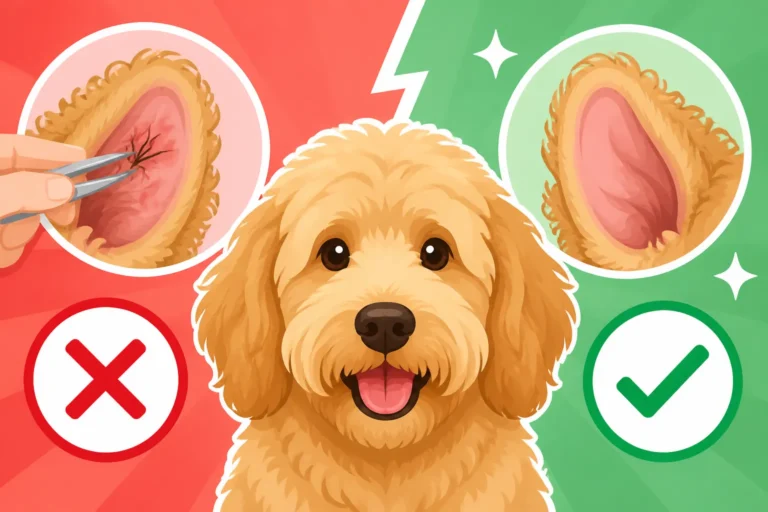
- Manual Removal/Plucking (Temporary and Not Ideal): While it's possible for your vet (or even you, with extreme caution) to pluck problematic eyelashes, this is rarely a long-term solution. The lashes usually grow back within weeks, often thicker and stiffer, and the repeated plucking can be painful and traumatizing for your Goldendoodle, as well as risking infection. It's generally only considered for very isolated, soft lashes causing minimal issue, or as a very short-term bridge to a more permanent treatment.
- Surgical Excision (for Ectopic Cilia): Since ectopic cilia grow through the conjunctiva, they require a precise surgical removal. The ophthalmologist will incise the conjunctiva to remove the entire eyelash follicle, ensuring it cannot regrow. This is a micro-surgical procedure due to the tiny size of the cilium and its delicate location.
Discussing Recovery Process and Post-Operative Care
After any surgical procedure, your Goldendoodle will need careful post-operative care.
- ** Elizabethan Collar (E-collar)**: Your dog will almost certainly need to wear an E-collar (the "cone of shame") to prevent them from pawing at the surgical site, which could reopen incisions, introduce infection, or remove stitches.
- Medication: Expect prescribed pain medication, possibly oral antibiotics, and topical eye drops (antibiotic and/or anti-inflammatory) to aid healing and prevent infection.
- Restricted Activity: Your vet will advise limiting strenuous activity, jumping, and rough play during the healing period to minimize strain on the surgical area.
- Follow-Up Appointments: Several follow-up appointments will be necessary to monitor healing, remove stitches (if applicable), and ensure the procedure was successful.
The recovery period typically lasts a few weeks, and with proper care, most Goldendoodles make a full recovery and enjoy immense relief from their previous discomfort.
Costs and Insurance Considerations
Addressing eyelash-related eye issues can be costly, especially if specialist care or surgery is required. Diagnosis, consultations, anesthesia, surgery, and post-operative medications can quickly add up to hundreds or even thousands of dollars. For instance, surgical correction for entropion can range from $500 to $2,000 per eye, depending on the severity and location. Cryoepilation can be similarly priced.
This is where investing in pet insurance, such as Healthy Paws, can really make a difference. Many comprehensive pet insurance policies will cover these types of unexpected veterinary expenses, particularly if the condition is not pre-existing. It's always wise to check the specifics of your policy, including your deductible, reimbursement percentage, and any waiting periods, to understand what coverage you have. Learn more about Goldendoodle Insurance for a Dog With No Breed Papers to understand how these policies classify crossbreeds. While it's an expense upfront, having good pet insurance can provide immense peace of mind when facing significant vet bills for conditions like these.
| Condition | Description | Common Treatment | Typical Cost Range (Estimate) | Insurance Relevance |
|---|---|---|---|---|
| Distichiasis | Extra eyelashes growing from abnormal spots along the eyelid margin. | Cryoepilation, Electrocautery | $500 – $1,500+ per eye | Usually covered if not pre-existing. |
| Entropion | Eyelid rolls inward, causing normal lashes/hair to rub cornea. | Surgical Eyelid Correction | $500 – $2,000+ per eye | Often covered, check for congenital exclusions. |
| Ectopic Cilia | Single eyelash growing through conjunctiva, pointing inward. | Surgical Excision | $800 – $2,000+ per eye | Typically covered due to severity and necessity. |
| Secondary Infection | Bacterial infection due to constant irritation or corneal damage. | Topical Antibiotics | $50 – $200+ (meds/follow-up) | Covered as part of the related treatment. |
Note: Costs are estimates and can vary significantly based on location, severity, specialist fees, and specific clinic pricing.
Preventive Measures and Ongoing Care
While some eyelash issues are largely genetic and unpredictable, there are certainly things you can do as a Goldendoodle owner to minimize irritation and catch problems early. A little proactive care goes a long way in keeping those beautiful Goldendoodle eyes healthy and happy.
Regular Grooming and Face Trims
This is perhaps the most hands-on thing you can do for your Goldendoodle's eye health. Their luxurious "furnishings" are adorable, but they are also a magnet for dirt, debris, and can easily get in the eyes.
- Keep Facial Hair Short: Regularly trim the hair around your Goldendoodle's eyes and muzzle. This isn't just for aesthetics; it prevents long hairs from rubbing directly against the eye or wicking moisture and debris into it. You can do this carefully at home with blunt-nosed scissors (always pointing away from the eye) or have your professional groomer do a "clean face" trim during their appointments.
- Schedule Professional Grooms: Regular grooming, ideally every 6-8 weeks, is crucial. Your groomer is skilled at managing their coat, including carefully trimming around sensitive areas like the eyes. They can also spot early signs of irritation that you might miss. Consider Booking a Goldendoodle Groom Every Six to Eight Weeks as a regular health appointment, not just a beauty treatment.
- Clean Under the Eyes: Even with trimmed hair, tear staining can be an issue. Gently wipe the area under their eyes daily with a damp cloth or a vet-approved eye wipe to remove tear residue, which can cause skin irritation and bacterial growth. Be sure to use products specifically designed for pets and avoid harsh chemicals.
Routine Eye Checks at Home
You are your Goldendoodle's first line of defense! Incorporating a quick eye check into your daily routine can help you catch problems before they become serious.
- Daily Visual Inspection: Take a moment each day to look closely at your Goldendoodle's eyes. Are they clear and bright? Is there any excessive tearing or discharge? Is the white of the eye white, or is it red?
- Check Eyelid Margins: Gently part the fur and examine the eyelid margins. Look for any extra hairs or signs of the eyelid rolling inward. Compare one eye to the other if you're unsure what "normal" looks like for your dog.
- Monitor Behavior: Pay attention to any changes in behavior – sudden squinting, pawing, rubbing their face, or reluctance to open their eyes fully. These are often the first clues that something is amiss.
If you see anything concerning during these checks, it’s time to call your vet. Don't try to self-diagnose or treat with over-the-counter human eye drops without veterinary guidance.
Choosing a Responsible Breeder
While not a direct "care" step for an existing dog, choosing a reputable breeder is a powerful preventive measure. A responsible Goldendoodle breeder will prioritize health and perform comprehensive health testing on their breeding dogs.
- Parent Health Clearances: Always ask to see proof of health clearances for both parent dogs. For eye health, this includes a current eye examination by a board-certified veterinary ophthalmologist (OFA Eye Certification) to screen for hereditary eye diseases, including structural eyelid abnormalities that could lead to entropion or ectropion (eyelid rolling outward). They should also be clear of conditions like Progressive Retinal Atrophy Carried by Both Goldendoodle Lines.
- Transparency: A good breeder will be transparent about any known health issues in their lines, including any history of distichiasis or entropion. They should also provide a health guarantee for their puppies. This is a critical factor, as knowing Goldendoodle Puppies Sold With a Health Guarantee can give you some peace of mind.
- Ask About Eye Issues in the Line: Don't be afraid to ask direct questions about eye health. A breeder who cares will be happy to discuss it.
When to Use Eye Wipes and Cleaners
Using appropriate eye care products can help maintain ocular hygiene and prevent minor irritations from escalating.
- Vet-Approved Products Only: Stick to eye wipes and cleaning solutions specifically formulated for dogs. Products intended for humans might contain ingredients that are irritating or harmful to canine eyes.
- For Tear Staining: If your Goldendoodle struggles with tear staining, regular use of gentle, non-irritating tear stain removers (always checking with your vet) can help keep the area clean and reduce the risk of secondary skin irritation or infection. Remember, excessive tearing itself can be a sign of an underlying problem, so cleaning tears shouldn't replace addressing the cause.
- After Outdoor Activities: After a romp in a dusty park or a swim, a quick rinse with sterile saline solution (again, vet-approved) can help flush out any irritants that might have gotten into their eyes. However, be cautious with water in the ears; Goldendoodles are also prone to Goldendoodle Ear Infections Under a Furnished Ear.
By being vigilant with grooming, conducting regular home checks, and making informed choices, you can significantly reduce the risk and impact of eyelash-related eye problems, ensuring your Goldendoodle continues to see the world clearly and comfortably.
Disclaimer
This article is for general informational purposes only and does not constitute professional advice. Laws, prices and regulations vary by location and change over time. Consult a qualified professional for guidance on your specific situation.