Goldendoodle Paw Licking and What It Means
It’s truly disheartening to watch your beloved Goldendoodle constantly lick, chew, or even gnaw at their paws. You see them doing it under the table, on the couch, or even while trying to sleep, and it leaves you feeling helpless, wondering what’s bothering them so much. This obsessive behavior isn't just annoying; it can be a clear sign that something is amiss with your furry family member. This guide will walk you through the many reasons why your Goldendoodle might be licking their paws, from common culprits like allergies to less obvious causes like pain or anxiety, and help you understand how to get to the bottom of this frustrating habit.
The Many Reasons Your Goldendoodle Might Be Licking Their Paws
When you first notice your Goldendoodle obsessively licking their paws, it's easy to assume it's just a bad habit. However, this seemingly innocuous action is often a direct indicator of discomfort, pain, or an underlying health issue. Given the Goldendoodle's genetic makeup, they can be predisposed to certain conditions that manifest as paw irritation. Understanding the potential causes is the first step toward effective intervention.
Allergies: The Most Common Culprit
Without a doubt, allergies are a front-runner when it comes to persistent paw licking in Goldendoodles. Their Golden Retriever and Poodle lineage can make them particularly susceptible to both environmental and food-related sensitivities, which often show up as intense itchiness. It's not just a little tickle; it can be an all-consuming itch that drives them to lick until their paws are red, raw, or even infected.
Environmental allergies, also known as atopy, are extremely common. Just like people, dogs can react to pollen from trees, grasses, and weeds, dust mites lurking in your home, or even molds. The symptoms often become more pronounced during certain seasons, but year-round allergies are also a real possibility, especially with indoor allergens. When these allergens land on their skin, particularly on sensitive areas like their paw pads, they can trigger an inflammatory response. Imagine having an itch you just can't scratch adequately; your Goldendoodle uses their mouth as their primary tool. You might notice the licking intensify after a walk in a grassy field or after a particularly dusty day indoors. This consistent exposure leads to a cycle of irritation, licking, and further irritation. You might also notice other signs like Goldendoodle Allergies and Itchy Skin, such as rubbing their face, frequent ear scratching, or a dull coat.
Food allergies or sensitivities are another significant factor. While less common than environmental allergies, they can cause similar, severe itching that often includes the paws. It's not always about a sudden new food; dogs can develop sensitivities to ingredients they've eaten for years, with common culprits being proteins like chicken, beef, dairy, or grains like wheat and corn. The frustrating part about food allergies is that the symptoms can be vague and overlap with environmental allergies, making diagnosis tricky. If your Goldendoodle is licking their paws year-round, even when seasonal allergens are low, food might be a contributing factor. This type of allergy requires a dedicated and often lengthy elimination diet to pinpoint the problematic ingredient, which can be a real commitment for any owner. The paw licking in these cases isn't just a habit; it's a frantic attempt to relieve the deep, systemic itch caused by their body's adverse reaction to something in their bowl.
Pain and Injury: A Less Obvious Signal
Sometimes, the reason for paw licking is much more direct: localized pain or injury. Your Goldendoodle, being a dog, can't tell you in words that they stepped on something sharp or twisted an ankle, so licking the affected area becomes their way of drawing attention to it or self-soothing. This isn't always an obvious limp; sometimes, the discomfort is subtle enough that only repeated licking reveals the problem.
Think about the myriad of hazards a Goldendoodle's paws encounter daily. During walks, they can step on thorns, tiny pieces of glass, sharp pebbles, or even get a splinter from a wooden deck. These foreign objects can become embedded between their paw pads or toes, causing acute pain that drives them to chew and lick incessantly. A broken or torn nail is another excruciating injury that will almost certainly lead to focused paw attention. It might not be a full break, just a crack that exposes the quick, causing immense sensitivity. Similarly, a bee sting or an insect bite can cause a localized reaction, leading to intense itching and swelling that prompts immediate licking. Always remember to check their paws thoroughly after walks, especially if you've been in areas with rough terrain or debris.
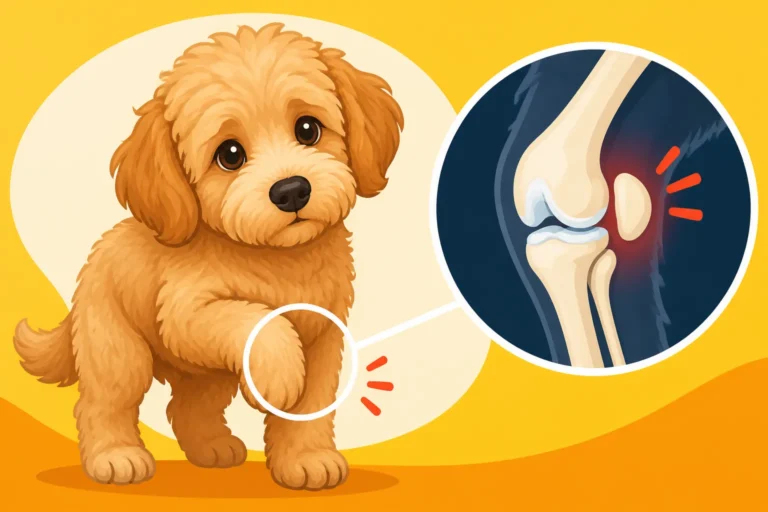
Beyond acute injuries, chronic pain conditions can also manifest as paw licking. Older Goldendoodles, in particular, may suffer from arthritis, especially in their carpal (wrist) or tarsal (ankle) joints. When a joint is inflamed and painful, a dog might lick the area directly over the joint in an attempt to alleviate the discomfort. While you might typically associate arthritis with a limp or stiffness, persistent licking of a particular paw, especially after activity or rest, could be a subtle sign of joint pain. Overweight Goldendoodles are particularly prone to these issues, as their Goldendoodle Weight and the Load on Its Joints puts extra stress on their skeletal system. Even a sprain or a minor muscle strain in the paw or lower leg can lead to focused licking as your dog tries to relieve the tenderness. These conditions require veterinary assessment and appropriate pain management to break the licking cycle.
Fungal and Bacterial Infections: The Itchy Truth
The Goldendoodle's wonderfully furry paws, while adorable, can unfortunately become a breeding ground for infections if not properly maintained. The dense hair between their paw pads and the constant moisture from licking or outdoor adventures create an ideal, warm, damp environment for yeast and bacteria to flourish. These secondary infections are often a consequence of initial irritation (like allergies or injuries) but can quickly become the primary cause of intense itching and licking.
Yeast infections, particularly caused by Malassezia pachydermatis, are incredibly common in Goldendoodles and often have a distinctive, yeasty or corn chip-like odor. If you pick up your Goldendoodle's paw and smell something vaguely like Fritos, a yeast infection is highly probable. The skin between the pads might appear reddish, inflamed, greasy, and there could be a brownish discoloration on the fur itself, often referred to as "slobber stain" or "yeast stain," from the porphyrins in their saliva. This type of infection is intensely itchy, leading to a vicious cycle: the Goldendoodle licks due to the itch, the moisture from the licking exacerbates the yeast growth, which in turn increases the itchiness, leading to more licking. It's a frustrating feedback loop that’s hard to break without intervention. You might find similar issues in their ears, leading to Goldendoodle Ear Infections Under a Furnished Ear.
Bacterial infections, often caused by Staphylococcus species, can also thrive in this moist environment. These can present as red, pustular lesions, crusts, or even small bumps between the toes or on the paw pads. Sometimes, the infection can be quite deep, leading to what veterinarians call "interdigital cysts" or furunculosis, which are essentially painful boils between the toes. These are incredibly uncomfortable and will cause severe, relentless licking and chewing. Just like yeast infections, bacterial infections are often secondary to an underlying problem that caused the initial skin barrier breakdown or irritation. Without addressing both the infection and the root cause, the problem is likely to recur. If left untreated, these infections can spread and become much more difficult to resolve, requiring courses of antibiotics and medicated soaks.
Behavioral Aspects of Goldendoodle Paw Licking
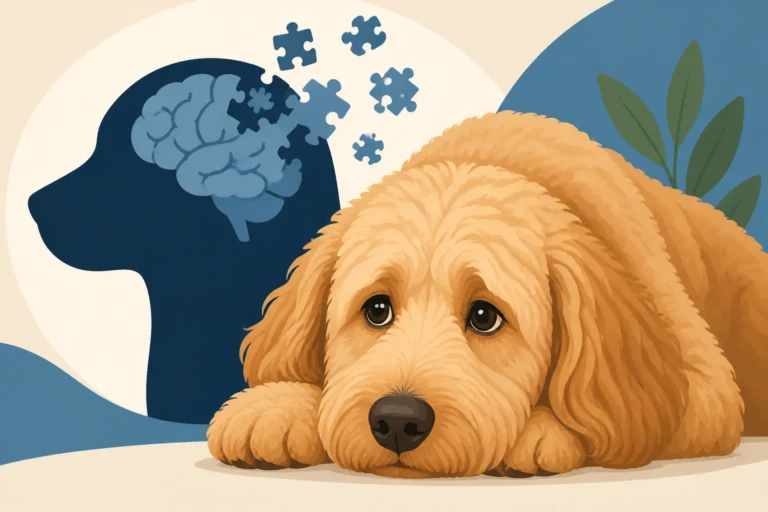
While many cases of paw licking stem from physical discomfort, it's crucial not to overlook the powerful role that behavior and psychology play. Goldendoodles are intelligent, sensitive, and often quite bonded to their families. When their needs aren't fully met, or they experience emotional distress, their coping mechanisms can sometimes manifest as self-licking behaviors. It's a common observation that some Goldendoodles are prone to anxiety, which can certainly play a part in obsessive licking.
Anxiety and Stress: Licking as a Coping Mechanism
Just like humans might bite their nails or fidget when stressed, dogs often develop self-soothing behaviors, and paw licking is a classic example. Goldendoodles, with their Poodle intelligence and Golden Retriever sensitivity, can be particularly prone to anxiety, and this can be a major driver of obsessive licking. They might start licking their paws when feeling insecure, worried, or left alone.
One of the most common forms of anxiety that triggers paw licking is separation anxiety. Goldendoodles are famously people-oriented, often described as "Velcro dogs" due to their strong desire to be close to their human companions. If your Goldendoodle struggles when you leave the house, the licking might begin as soon as you walk out the door or even in anticipation of your departure. This isn't just a mild case of missing you; it's genuine distress, and the rhythmic act of licking can provide a temporary sense of calm. You might see other signs of Goldendoodle Separation Anxiety From Both Parent Lines such as destructive chewing, house-soiling, or excessive barking when you're away. The paw licking is a physical manifestation of their internal turmoil, a way to channel their nervous energy and soothe themselves in your absence. If you notice the paws are particularly wet or raw when you return home, anxiety is a strong contender.
Beyond separation, general stress or changes in environment can also lead to increased licking. A new baby, a move to a new house, a significant change in routine, or even loud noises like thunderstorms or fireworks can cause a Goldendoodle to feel overwhelmed. When they can't process these stressors effectively, they might turn to repetitive behaviors like paw licking. This isn't about their paws itching; it's about their brain needing an outlet for their stress. It's a coping mechanism, but one that can lead to physical damage if not addressed. Understanding their emotional state is key, and sometimes, alleviating the stressor or providing appropriate counter-conditioning is the only way to reduce the licking.
Boredom and Lack of Stimulation
Goldendoodles are bright dogs that thrive on engagement. They inherit both the Poodle's sharp mind and the Golden Retriever's energetic, biddable nature. When they don't receive enough physical exercise or mental stimulation, they can become bored, restless, and destructive. In these situations, paw licking can easily become a default activity simply because there's nothing else to do.
Imagine being stuck in a small space with nothing to occupy your mind or body for hours on end. For a Goldendoodle, especially a younger, more energetic one, this scenario can be incredibly frustrating. If their daily routine lacks sufficient walks, playtime, training sessions, or puzzle toys, they might seek out their own entertainment. Their paws are readily available and provide a sensory activity. The licking starts innocently enough, perhaps just out of idleness, but then the sensation itself can become self-reinforcing, turning into a persistent habit. You might notice the licking escalate during quiet periods of the day, like evenings when everyone is settled, or when you're busy with other tasks and not directly interacting with them.
A Goldendoodle needs a good balance of physical activity and mental challenges to truly thrive. Simply letting them out in the yard isn't enough; they need structured walks, games of fetch, and opportunities to use their brains. Activities like scent work, obedience training, or interactive puzzle toys can be incredibly effective at burning off mental energy and preventing boredom-related behaviors. Without this Goldendoodle Exercise for Body and Mind, a bored Goldendoodle is a creative Goldendoodle, and unfortunately, that creativity can often manifest as chewing on furniture, digging, or, yes, obsessively licking their paws. If their paws are otherwise healthy and your vet has ruled out medical causes, taking a hard look at their daily routine and enrichment opportunities is essential.
Habit and Attention Seeking
Sometimes, what starts as a response to an itch or a moment of boredom can simply evolve into a deeply ingrained habit. Like a child sucking their thumb, the Goldendoodle may continue to lick their paws long after the original cause has resolved, purely out of habit. This is particularly true if the behavior has been reinforced, even unintentionally, by human attention.
Think about it: when your Goldendoodle starts licking their paw, what's your first instinct? Often, it's to go over, check on them, maybe try to gently pull their paw away, or even say their name. While your intentions are good, from the dog's perspective, this is attention. Even negative attention can be reinforcing for a dog who is feeling ignored or seeking interaction. If they learn that paw licking reliably brings you over to them, they might start doing it more frequently, even if there's no underlying physical discomfort. This can be a tricky cycle to break because it means changing your reaction to their behavior.
Furthermore, the act of licking itself releases endorphins, natural feel-good chemicals in the brain. So, even if the initial itch is gone, the dog might continue the behavior because it literally feels good. This makes it much harder to stop, as the dog is getting an internal reward for the action. Over time, what might have been an allergic reaction could now be a deeply ingrained, almost compulsive, habit. It's not uncommon for veterinarians to rule out all medical causes and then suggest that the licking has become primarily behavioral. In these cases, breaking the habit requires consistency, redirection, and sometimes the help of a professional behaviorist. You need to identify what triggers the habit and then replace it with a more appropriate, equally rewarding behavior.
Diagnosing and Addressing the Root Cause of Paw Licking
Getting to the bottom of Goldendoodle paw licking can feel like detective work, but it's a necessary journey to ensure your dog's comfort and health. A systematic approach, starting with at-home observations and moving to professional veterinary care, is often the most effective way to identify and treat the underlying issue. It's crucial not to dismiss persistent licking as "just a habit" without first ruling out medical problems.
Home Inspection and First Aid
Before you even call the vet, there’s a lot you can do at home to gather information and provide immediate relief. Your careful observation is invaluable in narrowing down the potential causes. Start by thoroughly examining your Goldendoodle's paws, taking your time in a well-lit area.
Gently spread their toes and look closely at the paw pads, the skin between the pads, and their nails. Are there any visible cuts, punctures, redness, swelling, or foreign objects like splinters or thorns? Check each nail carefully for cracks or breaks. Look for any discoloration of the fur, which could indicate yeast staining, or small red bumps, which might signal a bacterial infection or Goldendoodle Hot Spots Under a Thick Coat. Feel for any heat, tenderness, or swelling. If you find a minor cut or foreign object, you can carefully clean the area with a mild antiseptic solution (like dilute Betadine or chlorhexidine, approved by your vet) and try to remove superficial debris with tweezers. If a nail is broken, trim any jagged edges if you're comfortable and apply gentle pressure if there's bleeding. For minor irritation, a quick paw soak in a lukewarm water bath with Epsom salts or an antimicrobial solution can offer soothing relief. Just be sure to dry the paws thoroughly afterwards to prevent moisture-related issues. Remember, your goal here is immediate, temporary relief and information gathering, not a definitive diagnosis or complex treatment. If you can't remove a foreign object or if the injury appears severe, it's time to call the vet.
It's also a good time to consider their grooming. Goldendoodles have wonderful, often dense coats, and the hair between their paw pads can grow quite long, creating perfect conditions for trapping moisture, debris, and allergens. Regularly trimming this hair flush with the paw pads can significantly improve air circulation, reduce matting, and make it easier to spot issues. If you’re uncomfortable doing this yourself, your groomer can usually handle it. Overgrown paw pad hair can also contribute to Goldendoodle Paw Pad Hair and Slipping on hard floors, potentially causing minor stress or discomfort.
When to Consult Your Veterinarian
While home inspection is a great first step, persistent or severe paw licking absolutely warrants a trip to the veterinarian. It's easy to waste time and money on various home remedies or over-the-counter products that might mask symptoms but fail to address the underlying problem. A professional diagnosis is crucial for effective long-term treatment.
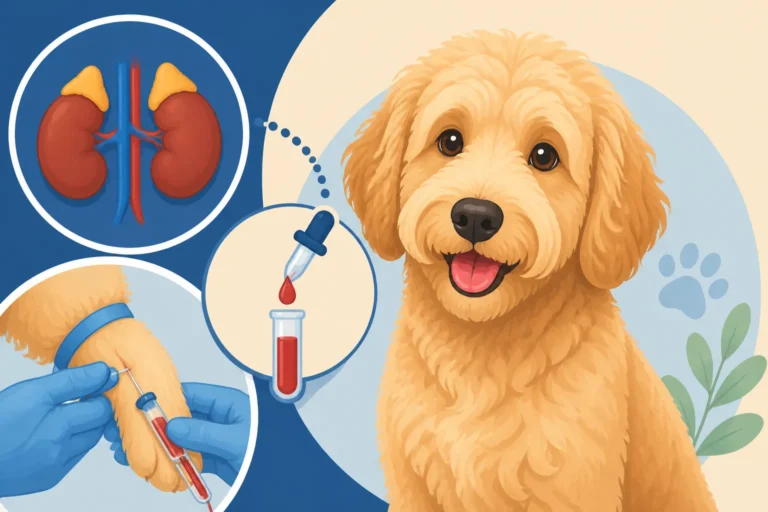
Your vet will conduct a thorough physical examination, often including a close inspection of the paws, checking for pain, swelling, and any visible abnormalities. They might ask you a series of questions about your Goldendoodle's diet, daily routine, any recent changes, and when the licking started and how it has progressed. This information helps them build a complete picture. Based on their initial findings, they may recommend several diagnostic tests. A skin scraping or cytology (taking a sample from the skin and examining it under a microscope) is common to check for mites, yeast, or bacteria. Fungal cultures might be performed if ringworm is suspected. In cases of suspected bacterial infection, a culture and sensitivity test can identify the specific bacteria and determine which antibiotics will be most effective.
If allergies are a strong suspicion, your vet might suggest either an elimination diet trial for food allergies or environmental allergy testing (blood tests or intradermal skin tests) to pinpoint specific allergens. An elimination diet, where your Goldendoodle eats a novel protein or hydrolyzed protein diet for 8-12 weeks, is the gold standard for diagnosing food allergies, but it requires strict adherence to ensure accurate results. For pain or injury, X-rays might be necessary to check for fractures, foreign bodies, or signs of arthritis. Remember, Goldendoodles can inherit conditions like hip or elbow dysplasia, so assessing their overall joint health might be part of the workup, especially for an older dog showing signs of discomfort. Getting an accurate diagnosis can take time and patience, but it's the only way to ensure you're treating the actual problem, not just the symptom.
Management Strategies and Long-Term Solutions
Once the underlying cause of your Goldendoodle's paw licking has been identified, your vet will recommend a tailored treatment plan. This often involves a multi-modal approach, combining medical treatments with environmental or behavioral adjustments to achieve the best results.
For allergies, treatment can be multi-faceted. If a food allergy is diagnosed, a strict dietary change to a hypoallergenic diet is paramount. This means eliminating all trigger ingredients from their food, treats, and even human scraps. For environmental allergies, management can include allergy medications like antihistamines, corticosteroids (for severe flare-ups), or newer medications like Apoquel or Cytopoint that specifically target the itch pathway. Immunotherapy, or allergy shots/drops, can also be a long-term solution, gradually desensitizing your Goldendoodle to specific allergens. Topical treatments like medicated shampoos, mousses, or sprays can also help soothe irritated paws and treat secondary infections. Maintaining a clean home environment, regular bathing, and wiping paws after outdoor excursions can also help minimize allergen exposure. For financial protection against recurring allergy treatments or unexpected vet visits, consider looking into Goldendoodle Pet Insurance for a Dog With No Breed Papers, which can help manage costs over time.
When infections are present, antibiotics (oral or topical) and antifungals (oral or topical) will be prescribed, sometimes for several weeks. Medicated paw soaks, using solutions like diluted chlorhexidine or antifungal shampoos, can also be very effective at treating the localized infection and preventing recurrence. It's crucial to complete the full course of medication, even if the paws appear to be healing, to prevent the infection from returning.
If pain or injury is the cause, treatment will focus on that specific issue. This could involve pain relief medication, anti-inflammatory drugs, rest, bandages, or even surgery for severe injuries like cruciate ligament tears. For chronic conditions like Goldendoodle Arthritis After the Age of Eight, ongoing pain management, joint supplements, weight management, and physical therapy might be recommended to improve comfort and reduce the urge to lick.
For behavioral licking stemming from anxiety or boredom, a comprehensive approach is needed. This might involve increasing daily exercise and mental stimulation through puzzle toys, training sessions, and interactive play. Addressing anxiety may require behavior modification techniques, creating a predictable routine, providing safe spaces, and sometimes, anti-anxiety medication prescribed by a vet or veterinary behaviorist. Redirection is key: when you see your Goldendoodle starting to lick, interrupt them gently and redirect their attention to an appropriate chew toy, a short training exercise, or a play session. Consistency is paramount to help them unlearn the habit and replace it with healthier coping mechanisms.
Preventing Future Paw Licking Issues
Preventing paw licking in Goldendoodles is often about proactive care and creating an environment that supports their physical and mental well-being. By staying on top of their grooming, managing their environment, and ensuring they have plenty of enrichment, you can significantly reduce the chances of this frustrating behavior cropping up again.
Regular Grooming and Paw Care
The Goldendoodle's coat, while beautiful, requires dedicated maintenance, especially around their paws. Overgrown hair between the paw pads is a notorious trap for moisture, dirt, and debris, making it a prime spot for irritation and infection.
Making regular paw maintenance a part of your routine is non-negotiable. At least once a month, you should trim the hair between your Goldendoodle's paw pads, using blunt-nosed scissors or a small pair of clippers. This opens up the area to air circulation, helps prevent matting, and makes it much easier for you to inspect their paws for any issues. During The Goldendoodle Coat Change at Eight to Twelve Months, it's particularly important to stay on top of all grooming, including paws, as the coat can become much denser and more prone to matting everywhere. Beyond trimming, daily brushing of the entire coat should include a quick check of the paws, ensuring nothing is lodged between their toes. After baths, swimming, or walking in wet grass, always take the extra step to thoroughly dry your Goldendoodle's paws. Using a towel to get into all the nooks and crannies between the pads can prevent lingering moisture that encourages yeast and bacterial growth. If your Goldendoodle is prone to recurrent ear infections, maintaining dry paws is just as important as keeping their Cleaning a Goldendoodle Ear Before It Gets Infected dry.
Beyond hair, don't forget about nail care. Overly long nails can be uncomfortable, altering your Goldendoodle's gait and potentially causing pain or even splitting. Regular nail trims (every 3-4 weeks) are essential to maintain paw health and prevent issues that might lead to licking. If you're unsure how to trim your Goldendoodle's nails safely, your groomer or vet can demonstrate or perform the task for you. Getting your puppy accustomed to paw handling from an early age will make these necessary grooming tasks much easier throughout their life.
Environmental Control and Allergen Management
For Goldendoodles prone to allergies, managing their environment is a powerful tool in reducing paw licking. While you can't eliminate all allergens, you can significantly minimize their exposure.
If your Goldendoodle suffers from environmental allergies, consider installing high-efficiency particulate air (HEPA) filters in your home to reduce airborne allergens like dust mites and pollen. Regular vacuuming with a HEPA-filtered vacuum, and frequent washing of your dog's bedding in hot water, can also help keep indoor allergens at bay. During peak allergy seasons, wiping down your Goldendoodle's paws and belly with a damp cloth or hypoallergenic wipe after outdoor excursions can remove pollen before it has a chance to cause irritation. Even a quick rinse with plain water can make a big difference, especially if you've been walking in grassy areas. If specific plants in your yard seem to trigger a reaction, consider removing them or limiting your dog's access to those areas. Some owners find that having their Goldendoodle wear dog boots on walks helps protect their paws from irritants, although many dogs take time to get used to wearing them.
For suspected food allergies, prevention is all about diet. Once an elimination diet has successfully identified trigger ingredients, maintaining a strict diet free from those allergens is critical. This means carefully reading ingredient labels on all dog foods and treats, and being mindful of what scraps, if any, your Goldendoodle receives. Even small amounts of an allergen can trigger a reaction. Working with your vet or a veterinary nutritionist to select a balanced, appropriate diet is important, especially if you're trying a novel protein or preparing homemade food. Remember that just because a food is "grain-free" or "limited ingredient" doesn't automatically mean it's suitable; the specific protein source is often the more crucial factor for food allergies.
Enrichment and Mental Stimulation
Preventing boredom-related paw licking goes hand-in-hand with ensuring your Goldendoodle gets enough physical exercise and mental engagement throughout their day. A tired Goldendoodle, both physically and mentally, is a happy Goldendoodle less likely to resort to self-destructive behaviors.
Goldendoodles need at least 30-60 minutes of vigorous exercise daily, which might include brisk walks, jogging, games of fetch, or even swimming if they enjoy it. But physical activity alone isn't always enough. Their intelligent minds also crave challenges. Incorporate daily training sessions, even short 5-10 minute bursts, to teach new tricks or reinforce known commands. Puzzle feeders and interactive toys are excellent for mental stimulation, making your Goldendoodle work for their meals or treats, which can be incredibly satisfying and tiring for them. Rotating these toys keeps things fresh and interesting. Scent games, where you hide treats or toys around the house for them to find, can also tap into their natural retriever instincts and provide significant mental enrichment.
Consistency in routine can also help reduce anxiety and boredom. Goldendoodles thrive on predictability, so knowing when their meals, walks, and playtime will occur can reduce stress. If you work long hours, consider hiring a dog walker, enrolling them in doggy daycare, or arranging for a pet sitter to break up their day. Providing a variety of appropriate chew toys can also satisfy their natural urge to chew and lick in a healthy way, redirecting them from their paws. The goal is to fill their lives with positive activities so that compulsive paw licking doesn't become their go-to pastime. By nurturing both their physical and mental health, you're not just preventing a bad habit; you're fostering a well-adjusted, content Goldendoodle.
| Potential Cause of Paw Licking | Common Signs to Look For | Initial At-Home Actions | When to Call the Vet |
|---|---|---|---|
| Allergies (Environmental/Food) | Redness, inflammation, brownish fur staining, yeasty smell, other itchy spots (ears, belly), seasonal or year-round. | Wipe paws after walks, switch to limited ingredient diet, observe patterns. | Persistent itching, skin lesions, recurring infections, suspicion of food allergy. |
| Pain/Injury | Limping, favoring a paw, sudden onset, visible cut, thorn, broken nail, swelling, heat, tenderness. | Thoroughly inspect paw for foreign objects, cuts, broken nails. Clean minor wounds. | Any deep cut, severe lameness, unremovable foreign object, persistent pain, swelling. |
| Infections (Yeast/Bacterial) | Red, greasy skin, strong yeasty smell, pustules, crusts, brown discoloration, severe itch. | Thoroughly dry paws, use mild antiseptic paw soak (as directed by vet), daily checks. | Any visible infection, strong odor, redness, swelling, or if not improving with basic care. |
| Boredom/Anxiety | Licking when alone, during quiet times, after changes, no physical signs of irritation, other anxious behaviors (chewing, pacing). | Increase exercise & mental stimulation, interactive toys, consistent routine, positive reinforcement. | Licking continues after enrichment, signs of severe separation anxiety, self-mutilation. |
| Habit | Licking persists after all medical causes ruled out, appears self-soothing, potentially reinforced by attention. | Redirect behavior with toys/training, ignore licking (if safe), consistent schedule, vet consult for behavioral plan. | Licking causing skin damage, compulsive nature, need for behavioral specialist. |
Disclaimer
The information provided in this article is for general informational purposes only and is not intended as a substitute for professional veterinary advice, diagnosis, or treatment. Always seek the advice of your veterinarian or other qualified health provider with any questions you may have regarding a medical condition or the health and welfare of your pet. Never disregard professional veterinary advice or delay in seeking it because of something you have read in this article.